Water Damage Restoration in Hapeville
A puddle beside a cabinet and a dripping ceiling need different responses. Hapeville properties receive a room by room assessment that follows the water, identifies damaged materials and sets a practical cleanup scope.
(888) 532-4616Discuss the wet roomsSafe access and a stopped leak come first; drying decisions follow the condition of the actual building materials.
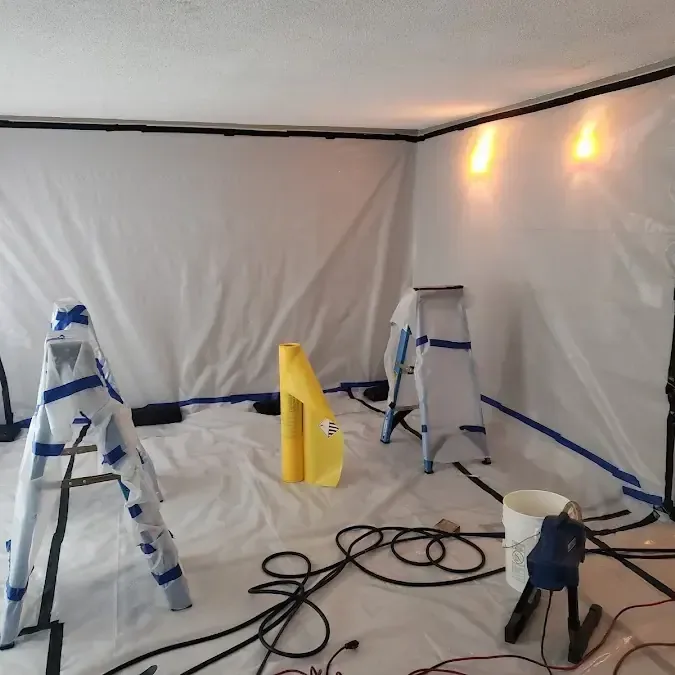
Cleanup shaped around the source
The restoration team separates active leakage, standing water and trapped moisture so the work addresses what happened inside each affected room.

Water Extraction
Pooled water leaves more than a slippery surface; extraction reaches exposed flooring and accessible edges before equipment dries retained moisture.
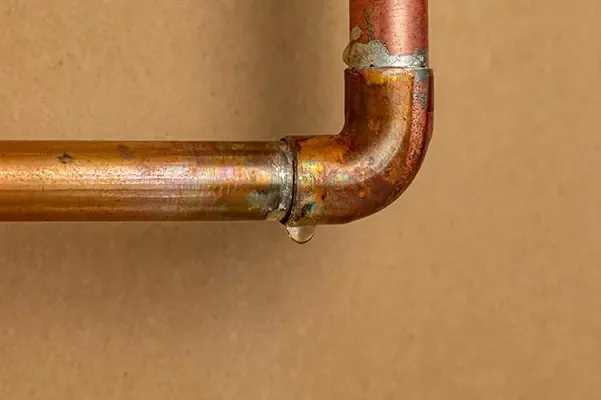
Burst Pipe Water Damage
A pipe rupture can wet several rooms before discovery. Cleanup tracks the release through trim, wall cavities and floor joints.
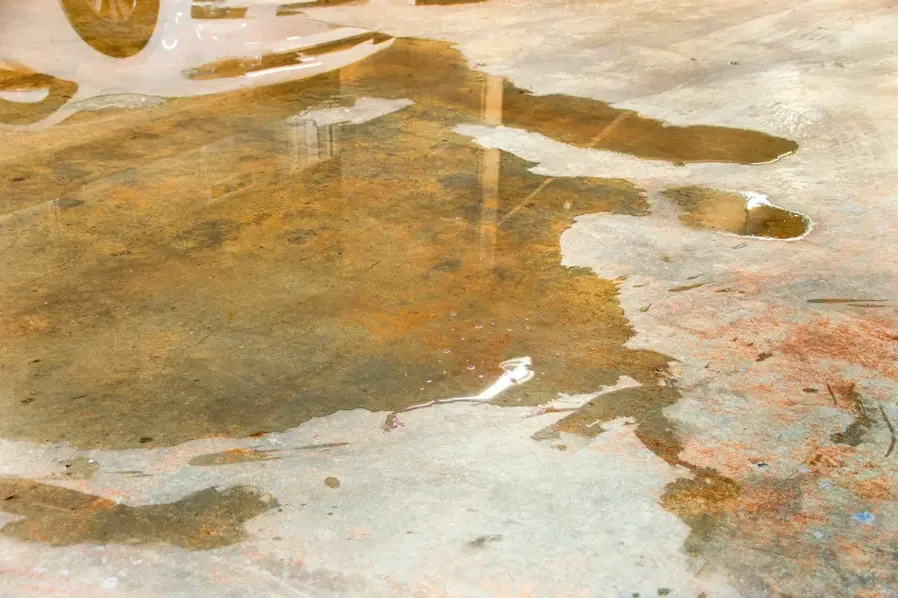
Slab Leak Water Damage
Damp flooring over concrete needs a moisture map and a plumbing diagnosis before decisions about lifting finishes or drying layers.
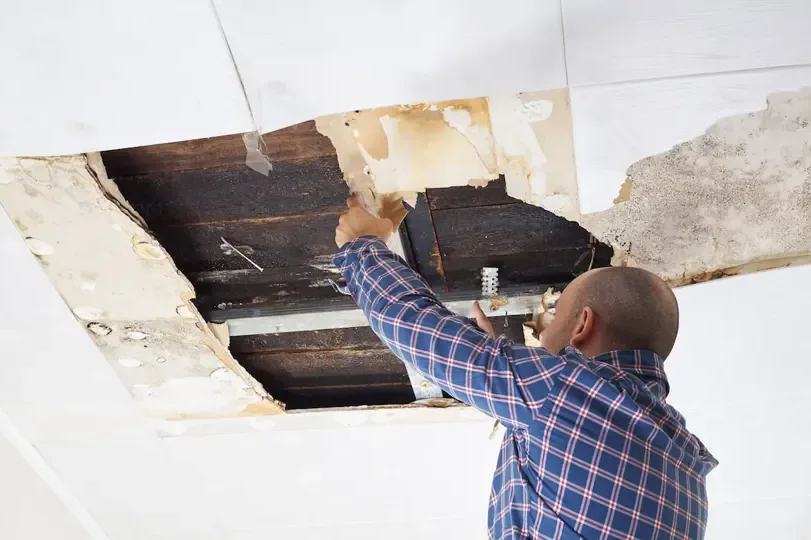
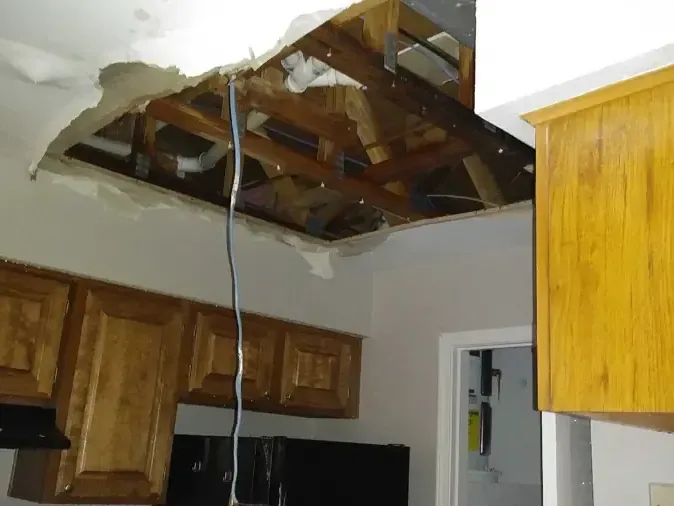
Ceiling Leak Water Damage
Ceiling stains call for investigation above the visible mark, with attention to wet insulation, softened drywall and nearby electrical fixtures.
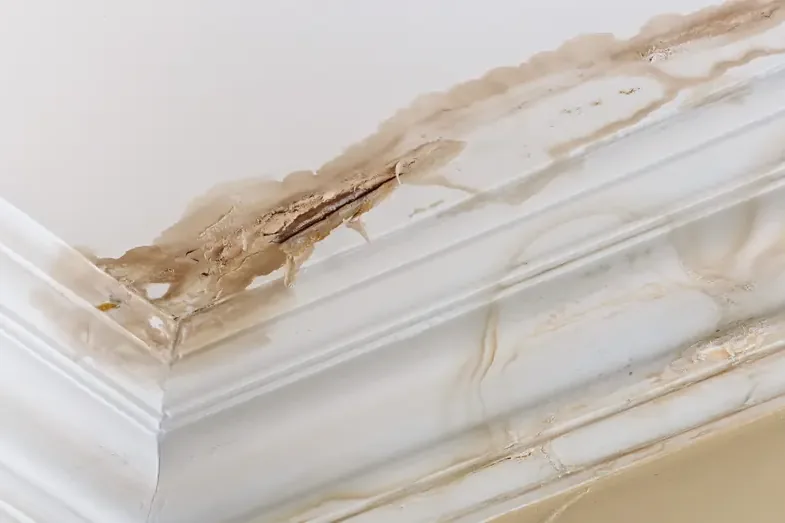
Roof Leak Water Damage
Rain entering overhead requires roof repair coordination and interior drying that follows rafters, ceiling edges and descending wall damage.
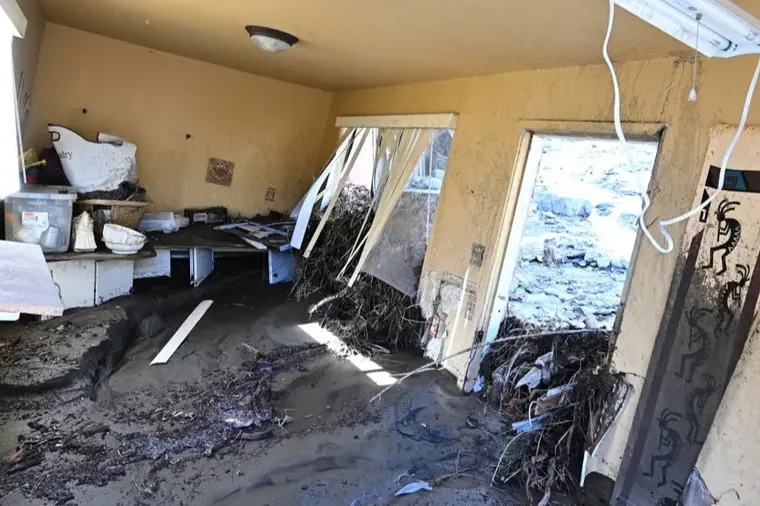
Storm Flood Cleanup
Outside water brings a different cleanup problem. Debris, affected contents and wet porous materials need assessment before room drying begins.
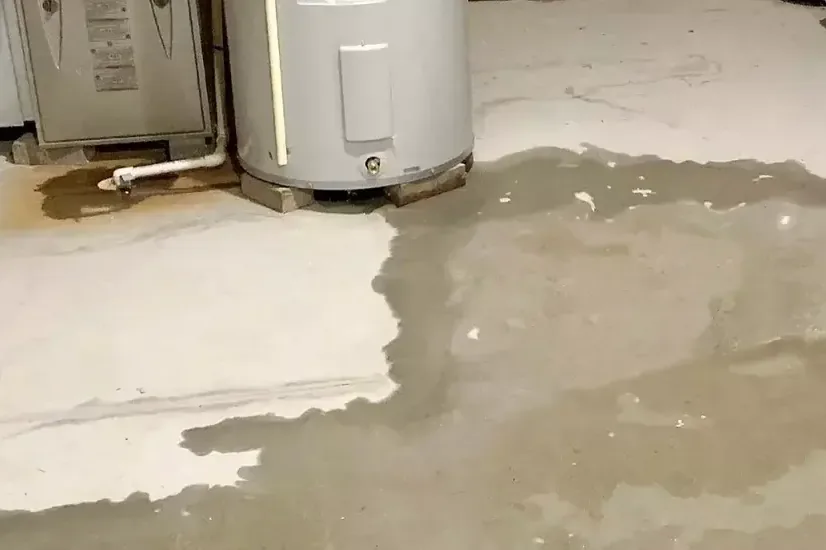
Water Heater Leak Cleanup
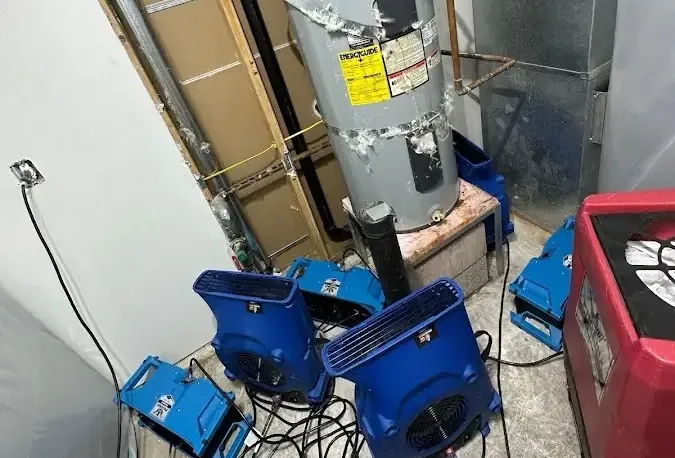
A leaking tank can soak closet bottoms and adjacent flooring. The wet enclosure needs attention alongside separate equipment repair.
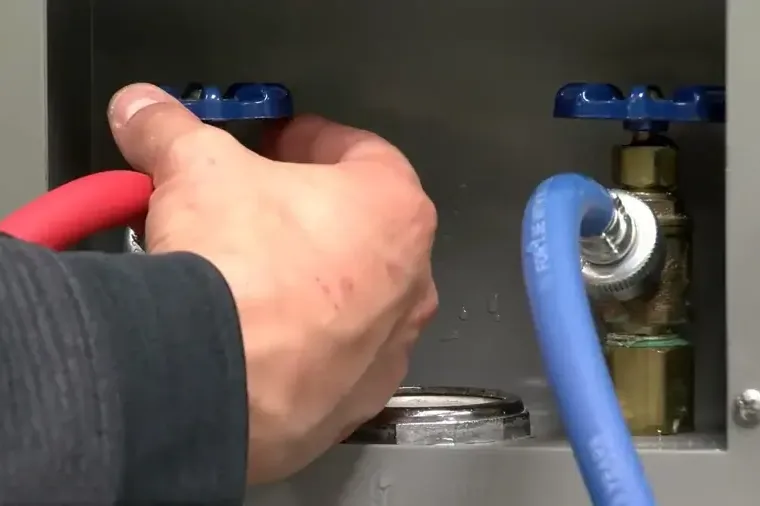
Appliance Leak Water Damage
Dishwasher, washer and refrigerator leaks often hide beneath fixed surfaces; inspection reaches cabinet bases and adjoining rooms where accessible.
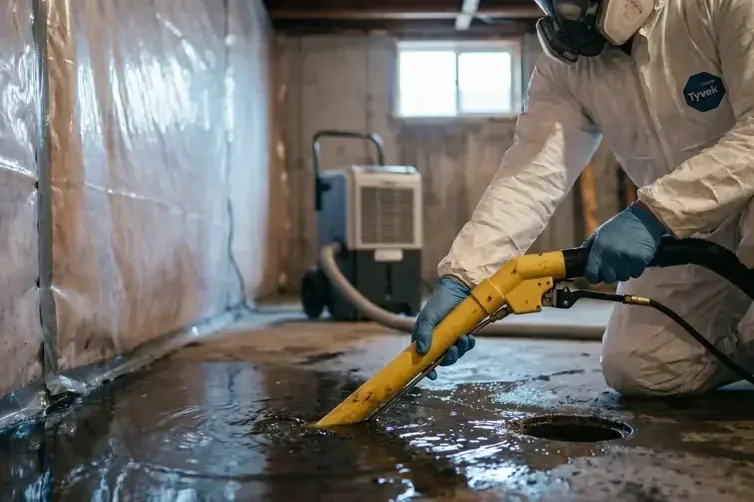
Sewage Backup Cleanup
Wastewater requires restricted access, controlled removal and cleaning of suitable surfaces, with drain repairs handled separately from interior restoration.

Hardwood Floor Water Damage
Raised board edges and wet seams require measured decisions about drying, floor removal and the condition of underlying materials.

Structural Drying
Drying follows moisture within assemblies, using readings to adjust airflow and humidity control instead of relying on appearance alone.
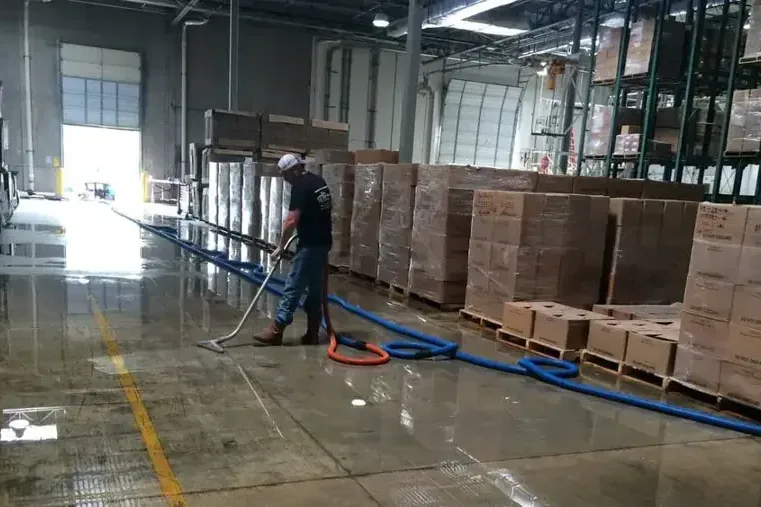
Commercial Water Damage
Business cleanup organizes access, equipment placement and affected inventory around the wet footprint, with clear separation from usable work areas.
How a water loss moves toward recovery
- 1
Define exposure
The assessment follows water through connected spaces, identifies the source category and records conditions before equipment or removal work changes the room.
- 2
Create workable access
The team explains any proposed opening and protects unaffected surfaces while establishing routes for extraction hoses, equipment and removed materials.
- 3
Control the drying space
Air movement and dehumidification are arranged around the accessible wet materials, with doors and room use managed to support that setup.
- 4
Check the endpoint
Repeat measurements are compared with suitable dry references, and the final notes distinguish completed mitigation from repairs still needed at the property.
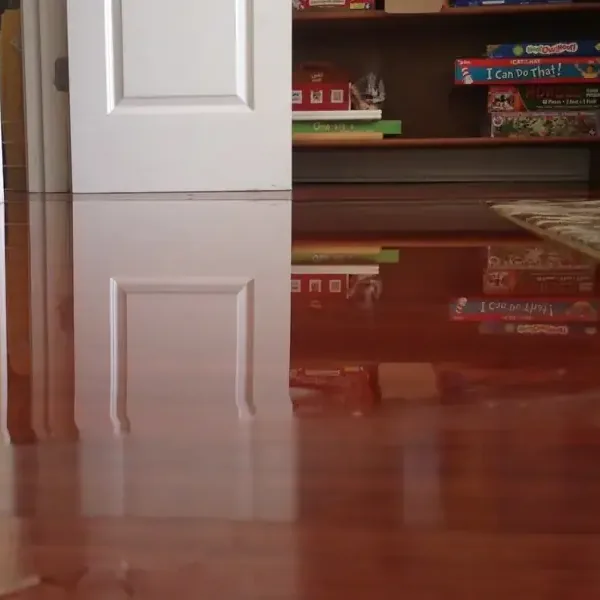
A visible plan for hidden moisture
The cleanup scope should connect each action to a wet surface or material. Notes, photographs and repeat measurements make removal choices and drying progress easier for the property owner to follow.
Boundaries before demolition
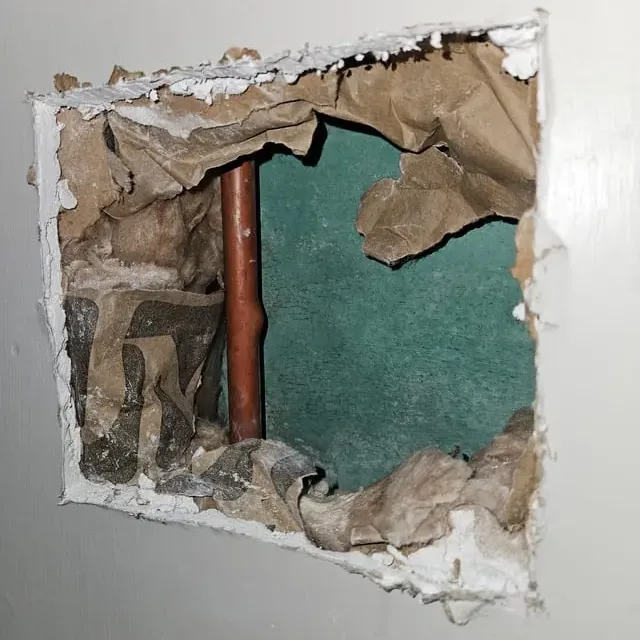
Inspection defines the wet boundary so wall openings and lifted flooring address the affected assembly's specific access needs.
Repair roles stated
The plan separates source repairs from water removal, cleaning and drying, helping owners coordinate the listed tasks and identify any separately priced work.
Materials considered individually
Solid flooring, porous wallboard and insulation respond differently to water; each receives a decision based on exposure, condition and practical drying access.
Progress made readable
Recorded checks show which areas are improving and which still hold moisture, allowing equipment changes to address the remaining wet pockets.
What affects Hapeville cleanup costs?
Water damage restoration in Hapeville has planning ranges from $1,000 to $8,000+. The wet footprint, water source, material access and amount of removal determine the actual scope. A written assessment separates immediate mitigation from subsequent building repairs.
Contained room cleanup
- Accessible surface water
- Limited material opening
- Focused drying setup
Connected interior damage
- Multiple wet surfaces
- Concealed cavity access
- Expanded equipment placement
Extensive material exposure
- Larger removal scope
- Complex room separation
- Additional drying checks
These amounts support early planning. Plumbing work, roofing, replacement finishes and other repairs need clearly stated inclusion or separate pricing before an owner approves the complete project scope. Compare cost factors
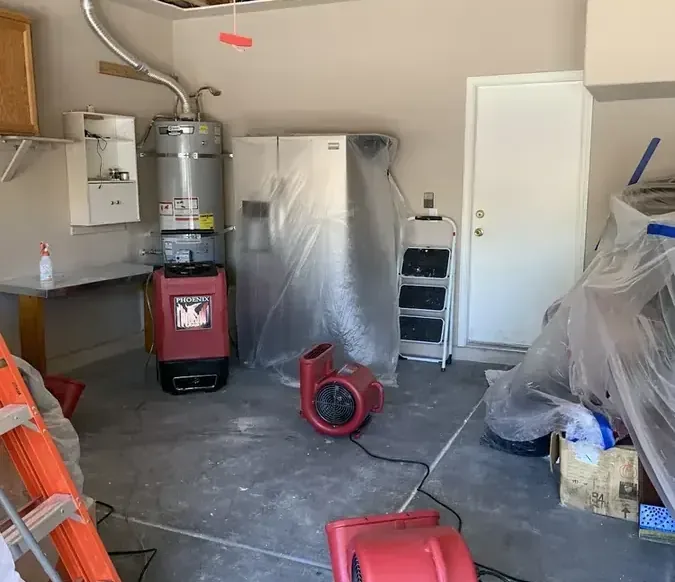
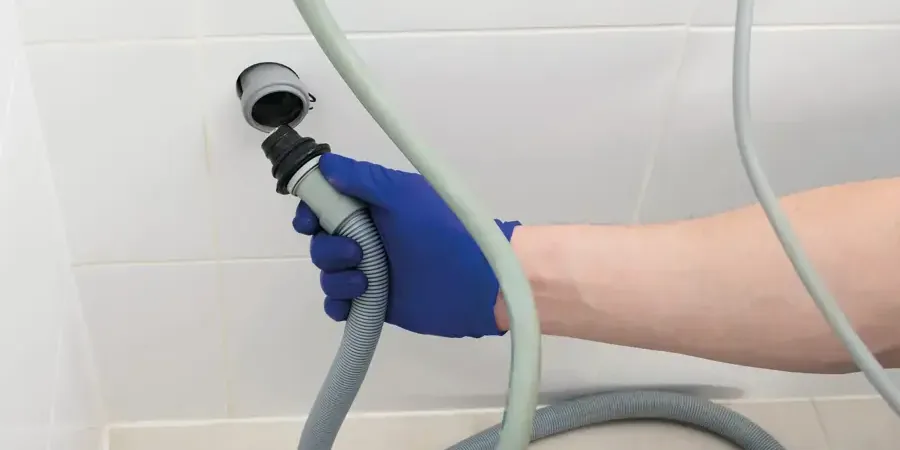
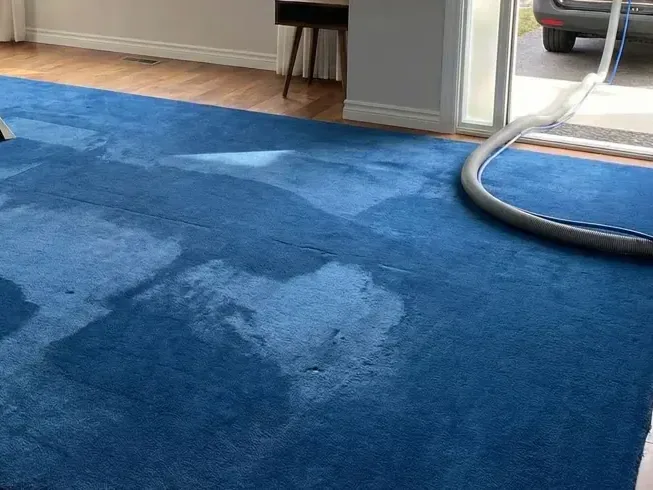
Interior access, extraction and equipment placement
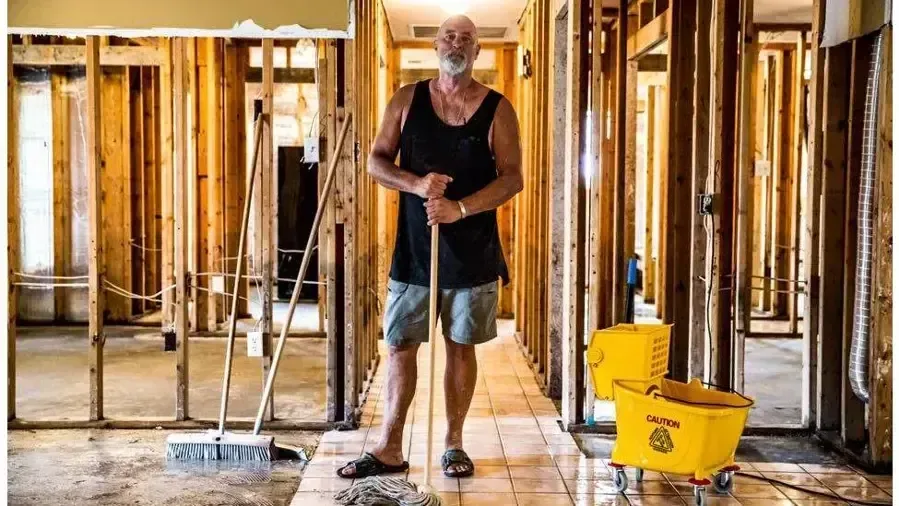
Cleanup with a measurable finish
Removing visible water begins the work. Completion depends on checking affected assemblies, controlling indoor moisture and resolving wet pockets before replacement finishes conceal areas that still need attention or further access.
Useful details for the claim
A clear chronology helps an insurer assess the loss. The owner can preserve the discovery time, suspected source, photographs and separate invoices while cleanup records describe conditions and work performed.
- Photographs showing the initial affected room boundaries
- A written account of how leakage appeared
- Damaged contents listed with their room locations
- Repair invoices retained alongside the mitigation paperwork
- Moisture notes and removal photographs kept together
When paying directly
An owner arranging payment directly can request a scope organized by task, with water removal, material handling and drying costs explained before authorizing the work.
Changes discovered inside a wall or beneath flooring should receive their own explanation, including why access is needed and how that finding affects the original estimate.
The source changes the cleanup method
Pressurized supply release
Pipe water may spread behind finishes before a shutoff stops the flow, leaving concealed materials wet.
Trace pipe spreadEquipment overflow
Appliance water can include residues and collect beneath cabinets where a surface towel cannot reach it.
Inspect appliance spacesDrain contamination
Sewage needs controlled handling and a separate decision about which affected porous materials require removal.
Separate contaminated roomsHapeville homes and occupied spaces
Places around town
Virginia Park · Central Avenue · Dogwood Drive · Hapeville Historic District
Local ZIP
Other service communities
Describe the property first
Virginia Park and the city's historic neighborhoods sit alongside newer residential construction. The assessment uses the affected property's actual finishes, access and room arrangement.
Apartments and townhomes may require management coordination before equipment arrives. The town cleanup options explain the starting work for standing water.
(888) 532-4616Discuss property accessSee the service areaProtect people and preserve a clear account
- Avoid unsafe rooms. Occupants stay away from sagging ceilings, wastewater and electrical equipment touching water until the appropriate specialist establishes safe access.
- Limit a known leak. An accessible shutoff may stop a plumbing release when reaching it does not require crossing water or disturbing damaged equipment.
- Record the visible spread. Photographs from a dry position capture wet floors, stained walls and affected possessions before cleanup changes the appearance of each room.
- Notify the property contact. Renters alert management promptly, while owners coordinate plumbing or roof repairs with the team handling wet building materials and contents.
- Keep the route clear. Furniture and belongings outside the wet area can remain protected while the restoration team plans access and identifies necessary equipment positions.
Water damage help in nearby communities
Water damage questions in detail
Read the water damage articles for focused explanations of sources, wet materials and recovery decisions.
Local details that shape the response
Public water service, private plumbing and storm drainage have separate responsibilities. Knowing where a problem begins helps an owner arrange repairs while the restoration team addresses the wet interior materials.
September 18, 2009: Rain cancelled the Friday evening portion of the Happy Days Festival at Jess Lucas Y-teen Park, interrupting the scheduled community celebration.
- The water meter boundary. The city maintains water service through the meter. Piping between that meter and the property is the owner's responsibility when arranging leak repairs.
- Private sewer connections. The entire sewer lateral belongs to the property owner, including its connection to the municipal main. Drain repair and indoor cleanup remain separate tasks.
- Storm drainage reports. The Storm Water Utility accepts drainage concerns through Report A Concern. Residents should keep yard waste and other debris out of stormwater structures.
- Different residential layouts. New construction includes houses, townhomes and apartments. A leak assessment follows the actual building arrangement, including access to rooms above or beside the damage.
- Permit questions before repairs. The city lists plumbing, mechanical and electrical permit categories. The proposed repair scope should be discussed with the appropriate city contact before construction decisions.
Questions after water appears
Does a dry surface mean cleanup is complete?
A surface can feel dry while a lower layer remains damp. The drying team checks the materials involved and follows changes over time. Flooring seams, wall bottoms and enclosed cavities deserve attention before repairs close those spaces.
Who handles a leak beyond the water meter?
The property owner is responsible for water service piping from the meter to the property. The city maintains the service through the meter. A plumber locates and repairs the failed portion while mitigation addresses resulting interior damage.
Can a renter arrange the first inspection?
A renter should notify the property manager when water appears and explain any active leakage or unsafe room. Management can coordinate access, repair authorization and communication with adjoining occupants while the inspection defines the affected materials.
Should belongings stay in a wet room?
Items touching water need assessment before relocation. Moving contaminated belongings through clean rooms can spread residue. The crew can establish a protected route and identify items suitable for handling separately from wet walls, flooring or damaged cabinetry.
Does city sewer service include the private lateral?
Local owners maintain the complete sewer lateral from the building to its connection with the city main. A backup therefore needs both a drainage diagnosis and an interior contamination assessment, with separate decisions about repairs and cleanup.
Will every wet wall need removal?
Removal depends on the water involved, material condition and access for drying. Some assemblies remain serviceable after controlled drying; damaged or contaminated porous materials may need replacement. The scope should explain the finding behind each proposed opening.
What information helps with a ceiling leak?
Useful details include when dripping started, what occupies the space above and whether water changes during appliance use or rain. Nobody should enter beneath a sagging ceiling. Photographs taken safely can document changes before an inspection.
Are source repairs part of water removal?
The estimate should state that clearly. Stopping a plumbing leak, repairing a roof and drying the interior involve different tasks. Owners can compare the listed work and arrange missing repairs before moisture damages newly restored finishes.
What follows extraction from a flooded room?
The next work depends on the water source and exposed materials. Cleaning or removal may precede measured structural drying. Progress records then show whether floor layers and wall cavities are approaching an appropriate dry condition.
A clearer next step for wet rooms
The source, room layout and material condition establish a cleanup plan that can be explained before work begins.
(888) 532-4616Discuss a practical cleanup scope