Water Damage Restoration in Riverdale
A spreading wet patch needs a source check and a plan for everything underneath. Riverdale water damage cleanup connects water removal, material inspection and drying decisions so repairs begin on a sound surface.
(888) 532-4616Discuss the wet roomsThe first conversation covers the water source, affected rooms and immediate hazards before the restoration work is scoped.
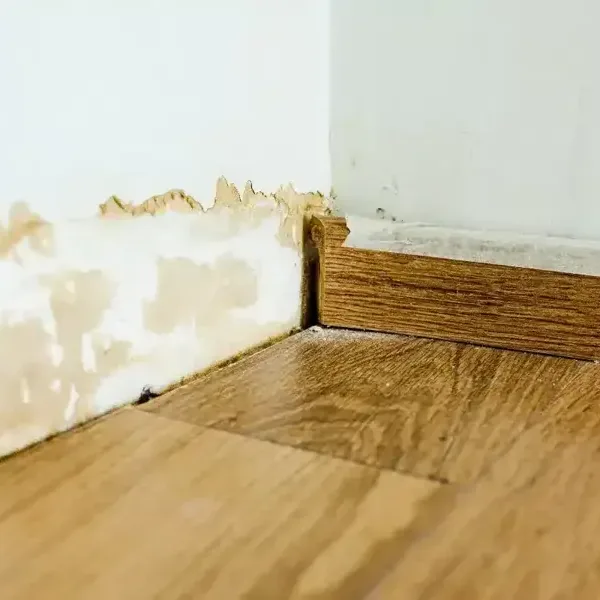
Cleanup shaped around the source of water
Different leaks leave different work behind. Select the affected system or material to understand the checks that shape removal, drying and repairs.

Water Extraction
Standing water comes out first, followed by checks for moisture beneath floor coverings and behind the lowest wall edges.
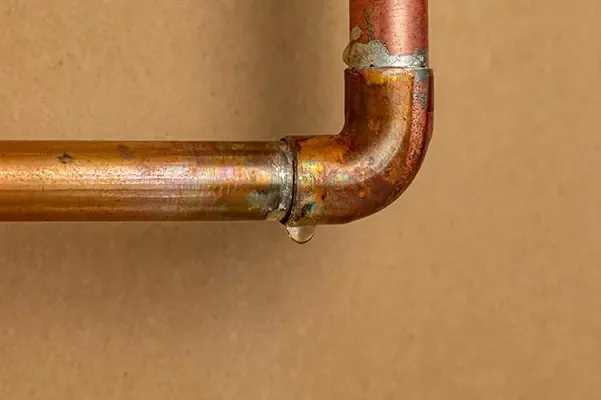
Burst Pipe Water Damage
A ruptured supply pipe can wet several connected rooms; the cleanup tracks the release beyond the visible puddle.
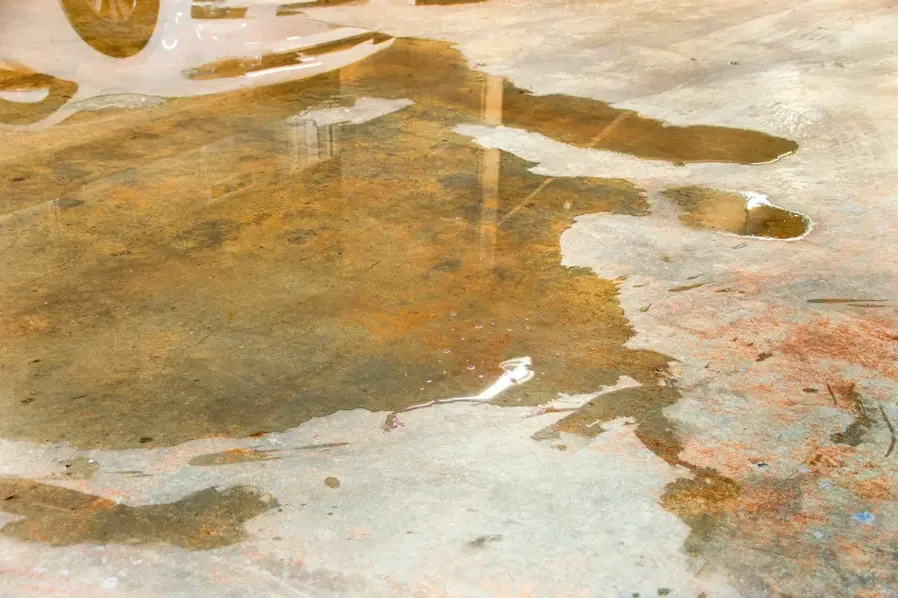
Slab Leak Water Damage
Water emerging through a floor needs plumbing diagnosis before finishes are removed or the concrete assembly is dried.
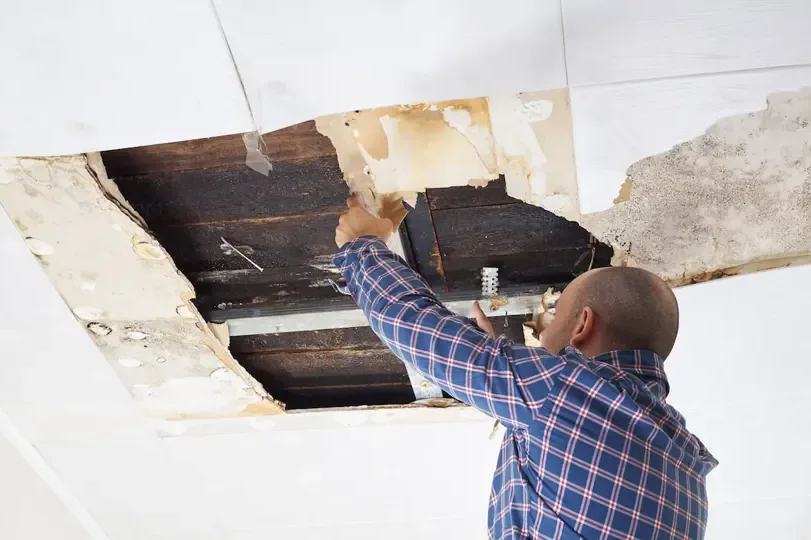
Ceiling Leak Water Damage
A damp ceiling calls for overhead safety checks, source tracing and inspection of insulation concealed above the stain.
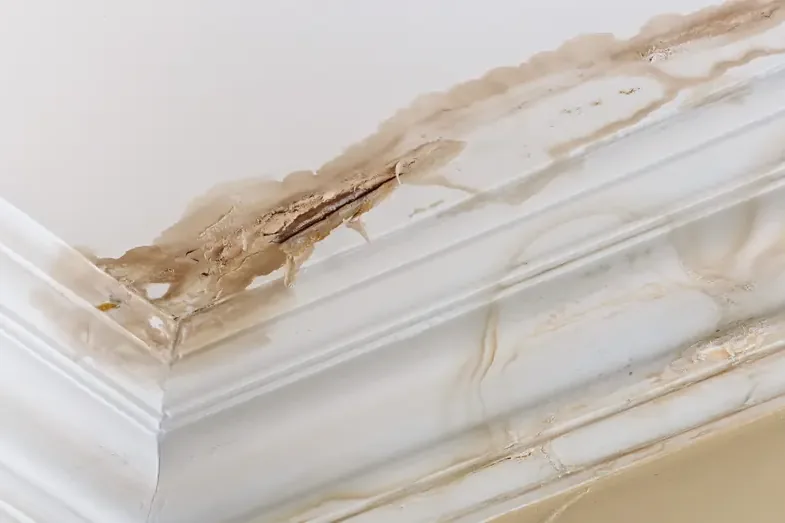
Roof Leak Water Damage
Rain entering the roof can follow framing before appearing indoors, making an interior moisture map essential to repair planning.
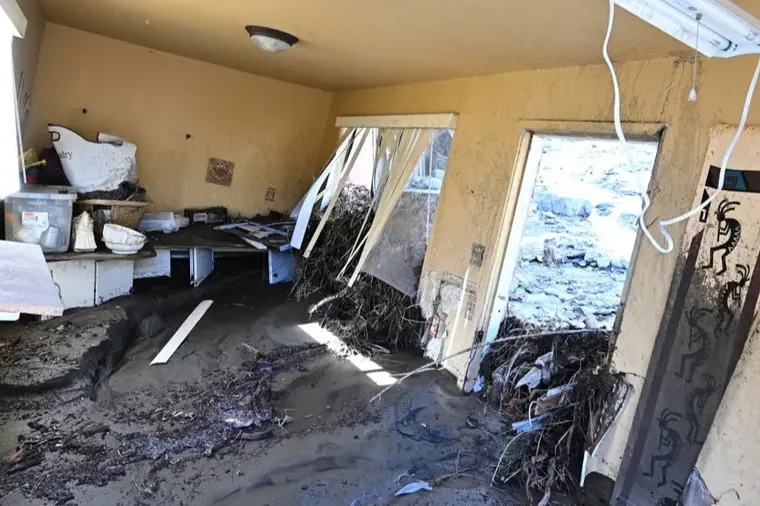
Storm Flood Cleanup
Outdoor water brings sediment into occupied rooms; removal decisions account for contamination, soaked contents and the route of entry.
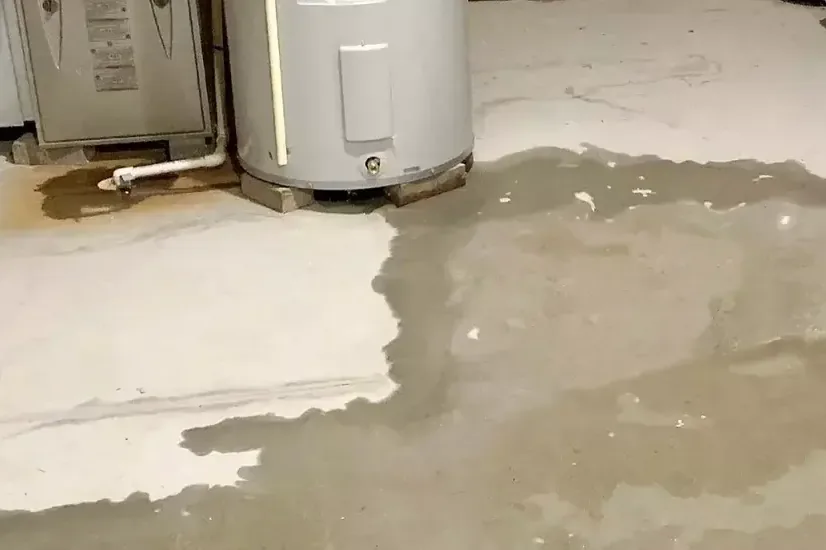
Water Heater Leak Cleanup
A tank leak can spread beneath a closet threshold and into nearby flooring while the appliance remains visibly wet.
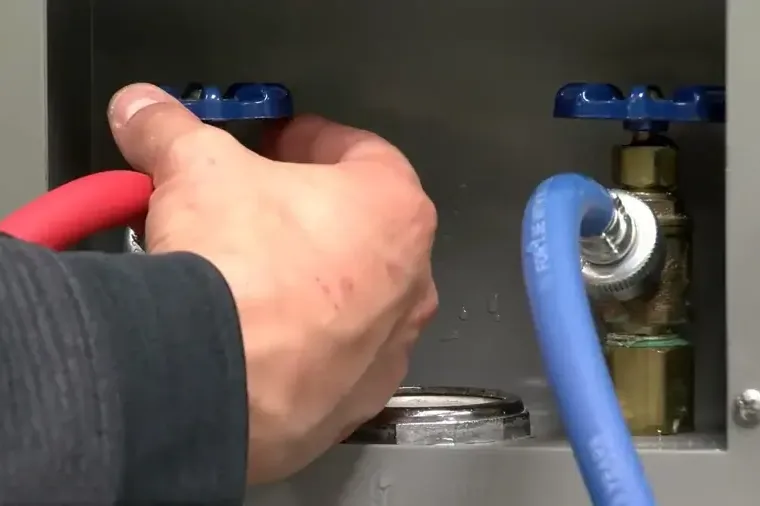
Appliance Leak Water Damage
Dishwasher, washer and refrigerator leaks need attention under cabinets and equipment, where a wiped surface can hide trapped moisture.
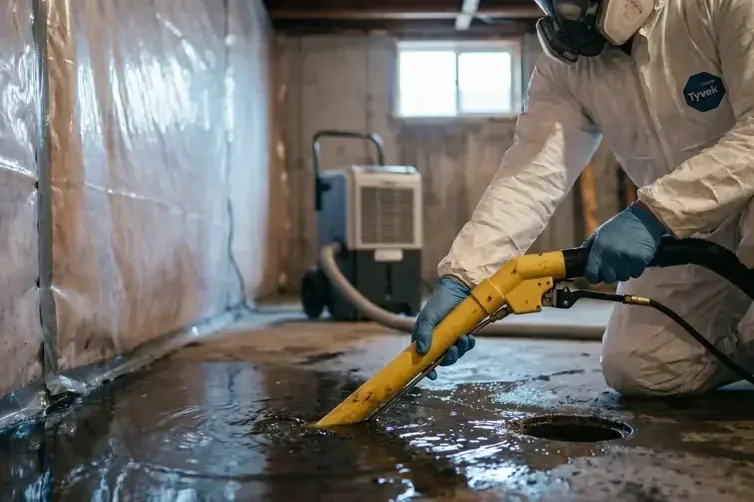
Sewage Backup Cleanup
Drain backups require restricted access, contaminated material assessment and cleaning procedures matched to the surfaces exposed to sewage.

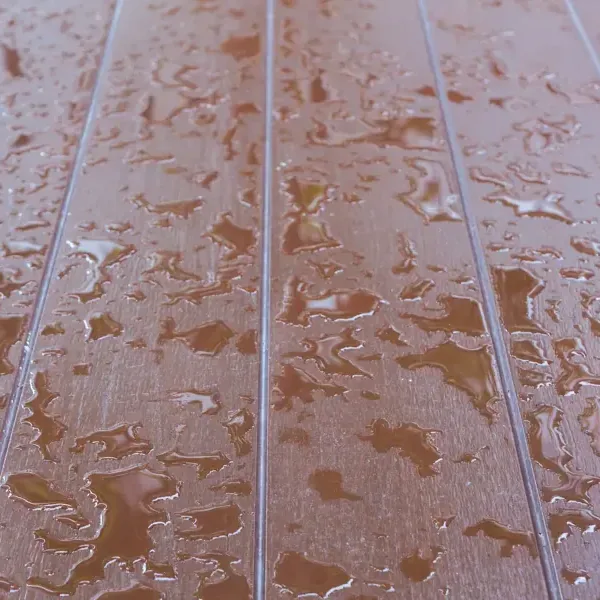
Hardwood Floor Water Damage
Raised edges and changing board shapes require moisture comparisons before sanding, refinishing or replacing the affected wood flooring.

Structural Drying
Drying equipment works against a measured target, with repeated checks of framing, wall cavities and layered flooring materials.
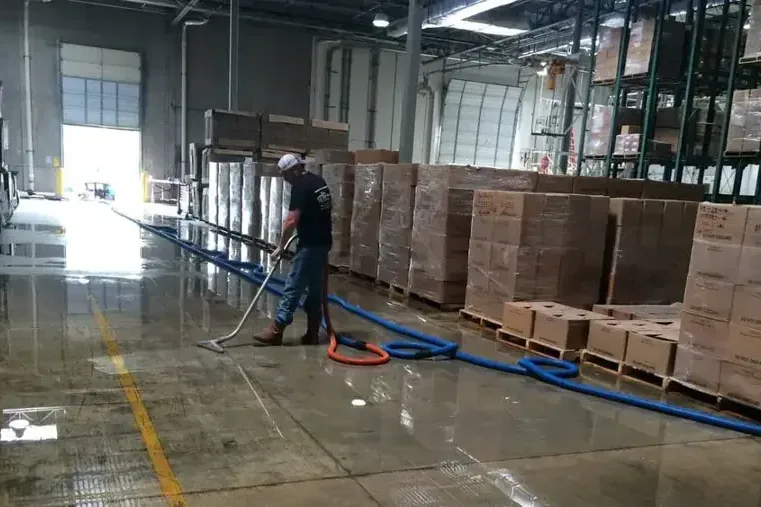
Commercial Water Damage
Business losses need organized access, room records and drying arrangements that account for stock, staff and occupied neighboring spaces.
How a water loss moves toward recovery
- 1
Define the wet area
The response team checks neighboring surfaces and records the starting condition, including damage that extends beyond the room where water first appeared.
- 2
Remove accessible water
Extraction reduces the liquid load while contents and fragile finishes are assessed for handling, cleaning or removal before drying equipment is arranged.
- 3
Expose trapped moisture
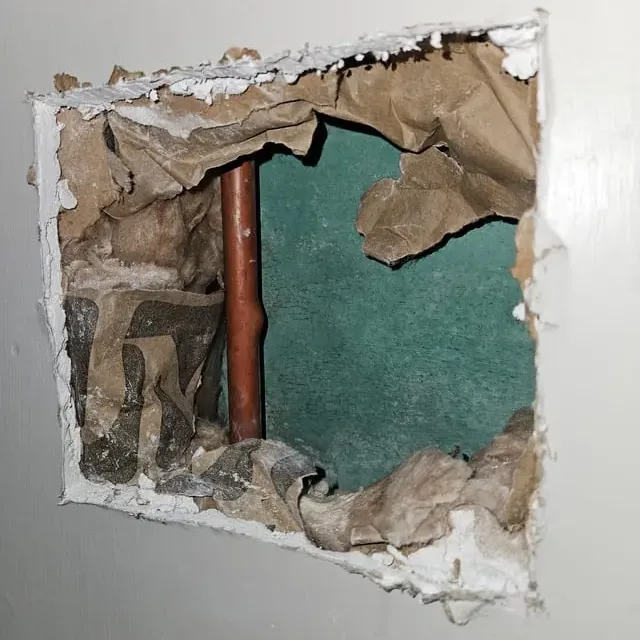
Selected openings give damp cavities a drying path and allow inspection of materials that remain hidden behind intact paint or floor coverings.
- 4
Compare and document
Repeated readings show whether materials are progressing toward the selected drying goal and identify remaining repairs before the affected assembly is closed.
Look beneath the visible damage
The cleanup scope should explain which materials remain, which require removal and how drying progress will be measured. Clear records help a homeowner understand the next repair decision without guessing from appearances.
Water route
Inspection follows the path through adjoining surfaces so a small stain does not become the only boundary of the work.
Material condition
Swollen trim, weakened drywall and damp floor layers are evaluated separately because each responds differently to cleaning and controlled drying.
Practical access
Equipment placement leaves a workable route through the property and identifies areas that need temporary restrictions during the restoration process.
Documented endpoint
The drying team records material readings and remaining repair needs before the homeowner arranges replacement finishes or closes exposed cavities.
What affects water damage costs in Riverdale?
Riverdale restoration estimates depend on wet materials, access, contamination and the amount of drying work. The ranges below offer a starting point for comparing scopes; the inspection determines whether flooring, wall cavities or adjoining rooms need additional attention.
Contained interior damage
- Accessible wet surfaces
- Limited removal
- Focused drying
Connected room damage
- Several material types
- Cavity access
- Moisture tracking
Broader restoration work
- Extensive concealed moisture
- More affected contents
- Complex cleanup access
A useful estimate separates water removal, selective demolition and drying from finish replacement. The drying service explains why equipment duration follows material readings instead of a calendar assumption. Compare cost factors
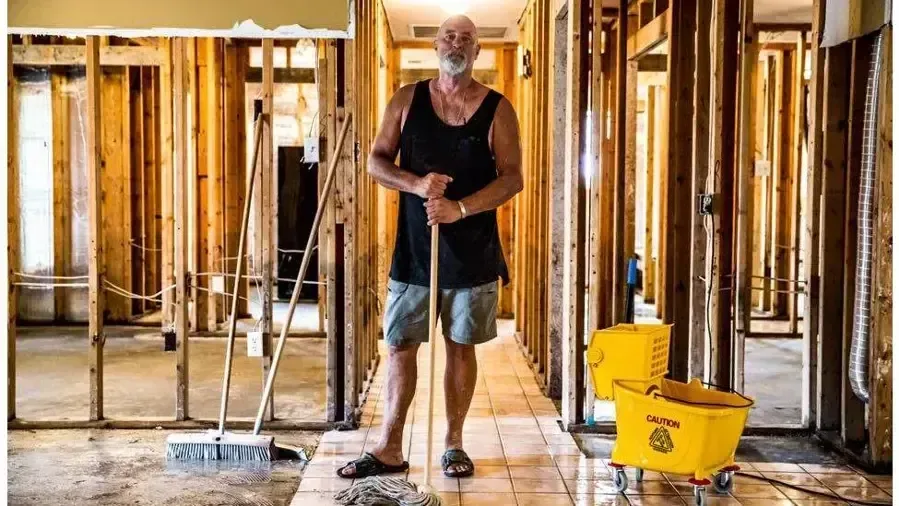
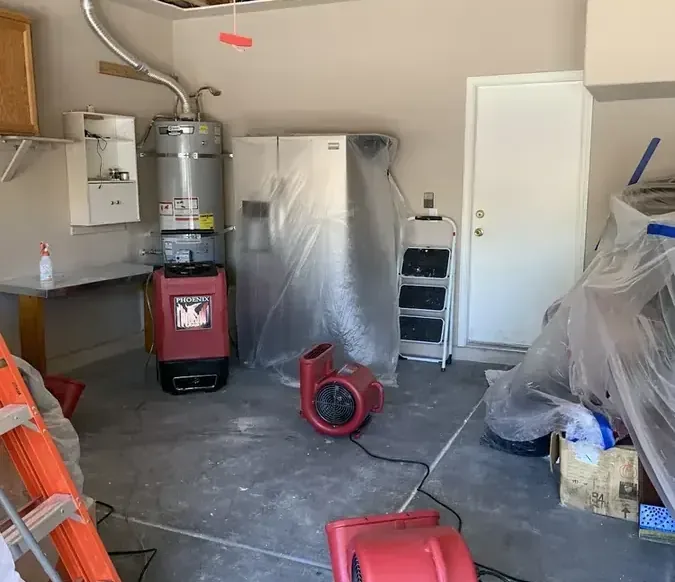
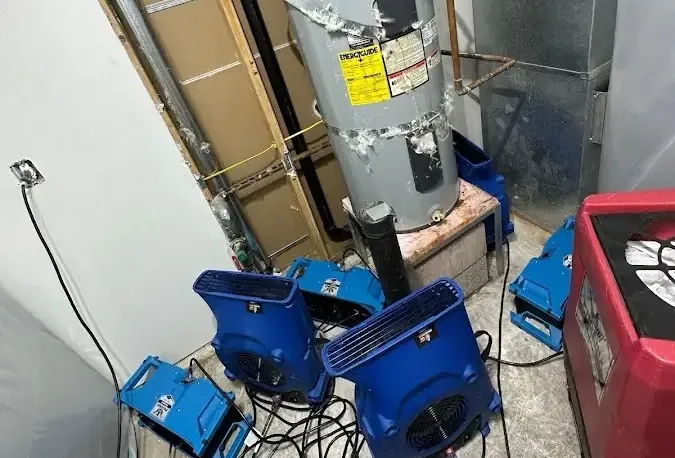
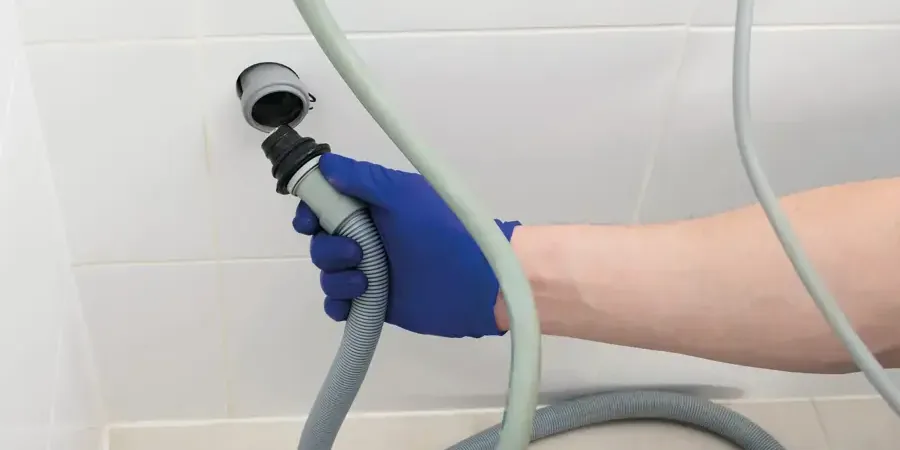
Water removal and the spaces that need drying
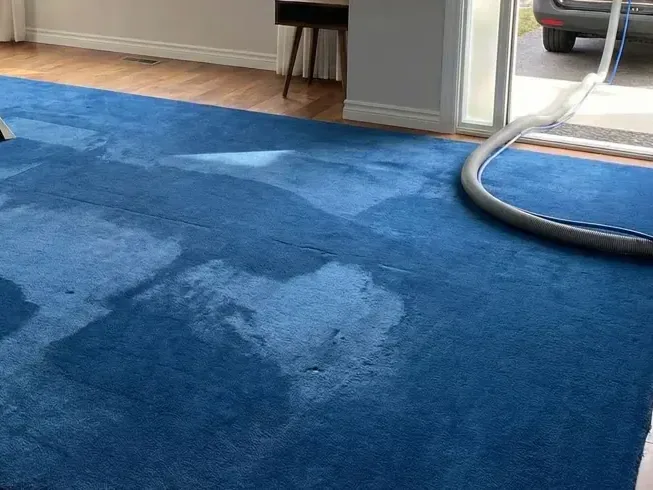
A clear sequence for the property
Restoration begins with a controlled source and safe access. The next decisions follow the materials actually affected, with inspection and measurement carrying through the work until replacement finishes can be considered.
Documentation for the claim discussion
Photographs, item descriptions and dated work records make the sequence easier to explain. The insurer determines coverage, while the restoration scope identifies the work required at the property.
- Photographs showing the initial water path clearly
- A room list with affected material descriptions
- The source repair invoice when available
- Notes about removed finishes and damaged contents
- Drying records with their measurement locations identified
When paying directly
A homeowner paying directly can request a written breakdown of immediate mitigation and later repairs. That separation helps prioritize stopping further damage while reviewing replacement choices.
Questions about access openings, disposal and equipment monitoring belong in the estimate discussion. A clear scope explains what is included before work expands into another room.
Clean supply leaks, used water and sewage
Pressurized pipe releases
Fresh supply water still needs prompt removal before it spreads into absorbent walls, cabinets or flooring.
Pipe release detailsWater from equipment
Appliance discharges need a closer look at the water contents and surfaces hidden beneath installed equipment.
Appliance inspectionWater returning through drains
Sewage exposure changes access restrictions and the decisions about porous materials that cannot be effectively cleaned.
Backup handlingDescribe the location and the rooms affected
Roads around the city
Gardenwalk Boulevard · Upper Riverdale Road · Taylor Road · Valley Hill Road · Bethsaida Road · Pointe South Parkway
Riverdale ZIP codes
Surrounding service areas
Useful details for the first discussion
Riverdale is in western Clayton County. A caller can identify the property near Banks Park or along a named road, then describe building access.
The room location matters too: an upstairs ceiling, enclosed equipment closet or connected commercial space can change how the mitigation team plans entry and equipment.
(888) 532-4616Describe access in RiverdaleExplore the service areaKeep the first decisions simple and safe
- Restrict wet rooms. Residents and pets should stay outside the affected space, especially where outlets, ceiling movement or sewage create additional hazards.
- Stop a reachable source. A safely accessible shutoff may stop fresh water; standing water near electrical equipment requires qualified assistance before anyone approaches.
- Record the visible spread. Photographs from a dry position should show the entry point, connected rooms and belongings before removal changes their condition.
- Protect a clear route. Dry access helps the extraction crew move equipment without carrying wet debris through unaffected living areas or blocking an exit.
- Explain what changed. The caller should describe recent dripping, appliance use or rainfall and identify any rooms where floor or ceiling movement appeared.
Water damage help in nearby communities
Water damage questions in detail
Read the water damage articles for focused explanations of sources, wet materials and recovery decisions.
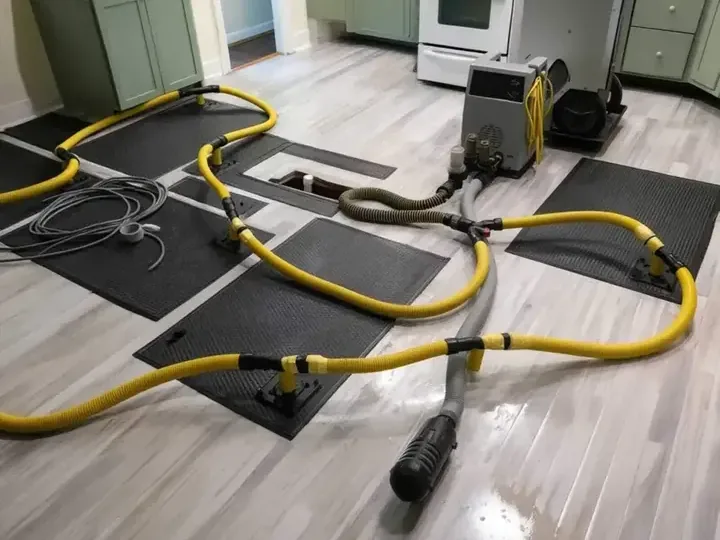
Separate runoff from a plumbing release
Riverdale stormwater discharges to the Flint and Upper Ocmulgee river basins. Inside a damaged property, the point of entry helps distinguish outdoor runoff cleanup from a supply pipe or drain problem.
City stormwater planning: The city stormwater plan inventories four existing detention ponds, while city and county responsibilities cover different parts of the public drainage system.
- Routine ditch work. The city handles drainage ditch mowing and litter removal. A photograph of an obstructed outdoor drainage path can help explain where water collected before entry.
- Sediment and grading. CCWA handles non-routine ditch regrading and sediment removal. An indoor cleanup scope should separately record any silt deposited on flooring or stored belongings.
- Public structures. CCWA maintains stormwater structures within the public right-of-way. The restoration crew focuses on the affected building surfaces and the route water followed into occupied rooms.
- City-owned land. The city maintains stormwater structures on city-owned land. At a private property, records should identify the actual entry point and the rooms reached by runoff.
- Sanitary collection. Clayton County Water Authority operates the sanitary sewer collection system. Sewage cleanup requires different access and material decisions from a fresh plumbing leak.
Riverdale cleanup questions
What information helps with the first call?
The caller should identify the water source if visible, the rooms affected and whether water is still entering. Ceiling sagging, electrical contact and sewage should be mentioned first because they change safe access and the order of cleanup decisions.
Does a dry floor mean cleanup is finished?
Surface dryness is only part of the assessment. Moisture can remain beneath flooring or behind trim after puddles disappear. Material readings and checks at connected surfaces help determine whether the affected assembly needs continued drying or an opening for access.
Who handles the Riverdale sanitary sewer system?
Clayton County Water Authority operates and maintains the city's sanitary collection system. Its Distribution and Conveyance Department handles overflow response and complaint investigations. Indoor sewage damage also needs a separate property assessment for contamination, affected contents and porous materials.
Can a wet ceiling be left until tomorrow?
A changing or sagging ceiling needs prompt attention because saturated material can fall. Residents should keep away from the affected area and avoid touching wet fixtures. A qualified assessment can establish safe access and trace the source above the visible damage.
How are water damage prices established?
The estimate follows the wet area, material layers, contamination and access needed for cleanup. Riverdale properties can have very different scopes even when the visible puddles look similar. A written breakdown should distinguish mitigation work from plumbing repair and replacement finishes.
Should furnishings move before the inspection?
Dry belongings may be moved along a safe path when that prevents further exposure. Heavy, saturated or contaminated contents require a handling plan. Photographs should capture their initial condition, and movement should not carry dirty water into unaffected rooms.
Does every damaged wall need complete removal?
Removal depends on material strength, water exposure and access for cleaning or drying. Some assemblies can remain after assessment, while others need selective openings. The crew should explain the reason for each proposed opening and record the condition behind it.
When can replacement flooring be installed?
Installation should follow source repair and verification that the substrate meets the requirements for the new flooring system. The substrate needs moisture testing before installation. Moisture readings, substrate condition and the installer's preparation requirements all affect the decision.
Is outdoor flooding treated like a sink leak?
Outdoor water can carry soil and contaminants through a building, changing the cleanup method and salvage decisions. A sink supply leak begins with a different source assessment. The inspection considers what the water contacted as well as where it originated.
Make the next step fit the damage
A description of the source, affected materials and access helps shape a practical Riverdale cleanup discussion.
(888) 532-4616Talk through the wet areas