Slab Leak Water Damage in Morrow, GA
Warm flooring, recurring dampness and wet baseboards need a source investigation. The Morrow restoration team maps moisture above the slab, removes accessible water and dries affected finishes after the plumbing leak is controlled.
(888) 532-4616Water beneath the flooring? Call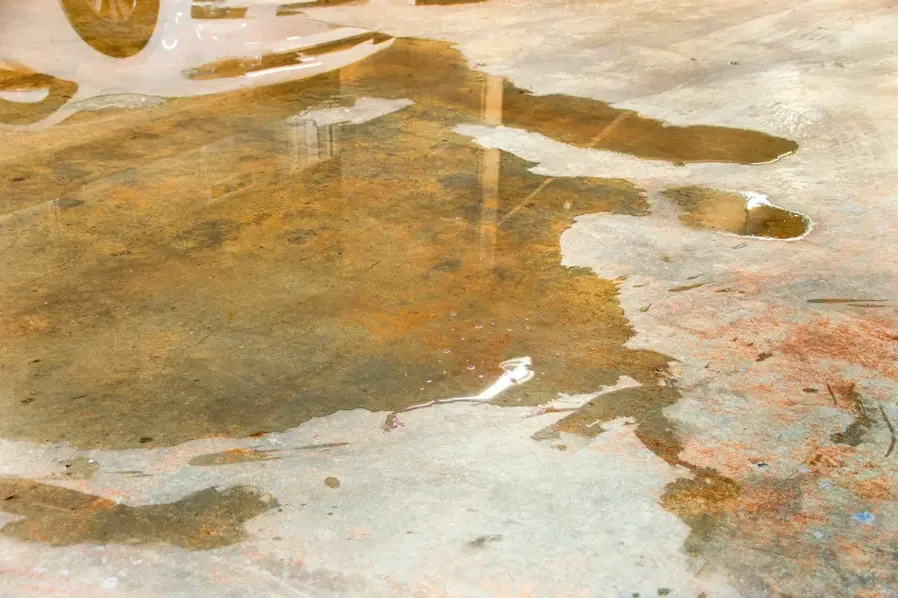
First steps for slab leak water damage
- Stop the supply safely
A property owner closes an accessible water valve only from a dry position, then arranges plumbing help to locate the failed section.
- Protect the route
Household members avoid wet electrical areas and unstable flooring; a clear path lets the assessor reach the affected room without moving hazards.
- Record the symptoms
Photos of damp edges, raised flooring and cabinet bases help preserve the initial condition before the plumber or mitigation crew opens materials.
- Describe the spread
Dispatch needs the wet rooms, floor covering and whether the leak continues; 24/7 assistance begins with those practical details.
What does slab leak water damage cost in Morrow, GA?
Slab leak water damage drying commonly falls around $1,500 to $7,500, with larger concealed losses costing more. Plumbing diagnosis, pipe repair and replacement flooring may be separate. Access, trapped moisture and the area affected set the mitigation scope.
Localized floor wetting
- One accessible room
- Limited finish removal
- Focused moisture checks
Several wet layers
- Flooring access
- Cabinet-edge checks
- Extended equipment use
Widespread concealed loss
- Multiple room boundaries
- Dense material drying
- Detailed completion records
Water category, wet area, material class and the delay before drying change the total. The water damage cost calculator compares a planning range before an on-site assessment.
The slab leak water damage process
- 1
Trace the extent
The assessor records the plumbing repair status and compares readings across the wet floor, adjacent wall bases and unaffected materials before choosing equipment.
- 2
Expose what traps moisture
The crew explains proposed openings and protects retained finishes, creating access where floor layers or cabinet bases prevent effective extraction and evaporation.
- 3
Manage the drying environment
LGR dehumidifiers remove water vapor as directed airflow dries exposed materials; daily measurements show whether dense areas need a changed approach.
- 4
Check before closing
The final inspection compares recorded goals with the affected materials, flags remaining flooring tests and provides the drying record before repair work covers the assembly.
A wet concrete floor requires more than wiping the surface. Moisture may remain beneath a covering, inside a wall base or behind a cabinet plinth. The assessor distinguishes the location of the visible water from the location of the failed plumbing. A warm spot or unusual meter movement helps direct an investigation, while readings establish the actual drying boundary.
Finding the wet layers above a slab
Along Jonesboro Road, the inspection begins with the affected room and follows adjoining flooring transitions. At a property near Southlake Mall, access behind fixed cabinetry may matter more than the size of the puddle. Near Clayton State University, a property manager may need to arrange entry before the team can check an adjacent space. Each assessment follows the building's actual layout.
The plumber locates and repairs the source. The mitigation team records moisture in finishes and structural materials, noting where floor coverings block evaporation. Those separate tasks prevent an apparent dry surface from concealing continued leakage underneath.
- A pressure or meter test belongs to the source investigation, with the appropriate plumbing professional.
- Moisture readings extend past the visibly damp area to establish where the damage stops.
- Thresholds, cabinet bases and wall plates receive separate checks because water can travel beneath them.
- Opening decisions account for contamination, material condition and access to trapped moisture.
Drying concrete and the floor assembly
After the repair, extraction removes free water and dehumidification lowers the moisture load in the room. A dense slab releases moisture differently from a thin drywall panel. The drying team selects equipment for the materials rather than treating every room with the same fan arrangement. Airflow cannot reach through an intact impermeable floor covering.
A structural drying assessment tracks the floor, lower wall and nearby dry comparison areas. Installation requirements for replacement flooring may call for separate concrete moisture testing. A restoration drying log and a flooring manufacturer's installation criterion answer different questions.
A homeowner should avoid drilling the slab or lifting a hot, wet floor to find a pipe. Hidden electrical services, pressurized plumbing and damaged materials need controlled access. A spreading wet patch, an unstable floor or water near an outlet warrants keeping the room clear. The responding contractor coordinates openings after the source and access hazards are assessed.
What changes the slab-leak scope
Longer wetting, multiple floor layers and water beneath built-in fixtures can extend the work. The written scope should identify what remains, what must be removed and which repair items fall outside mitigation. Before reconstruction, the owner receives the measured condition of the affected assembly rather than a promise based only on elapsed days.
- Photographs document the original floor, transitions and visible swelling before access cuts.
- The moisture map separates wet concrete from damaged wood, insulation or wallboard.
- Equipment changes follow the trend in readings, including areas that stop improving.
- The drying-time estimator provides planning context while actual measurements control completion.
How the slab leak water damage work progresses
Trace the extent
The assessor records the plumbing repair status and compares readings across the wet floor, adjacent wall bases and unaffected materials before choosing equipment.
Expose what traps moisture
The crew explains proposed openings and protects retained finishes, creating access where floor layers or cabinet bases prevent effective extraction and evaporation.
Manage the drying environment
LGR dehumidifiers remove water vapor as directed airflow dries exposed materials; daily measurements show whether dense areas need a changed approach.
Check before closing
The final inspection compares recorded goals with the affected materials, flags remaining flooring tests and provides the drying record before repair work covers the assembly.
Slab Leak Water Damage coverage in Morrow
The restoration team covers ZIP codes 30260 and 30287, including properties along Jonesboro Road, Morrow Road, Southlake Parkway and Mt Zion Road. Dispatch reviews the affected rooms, safe access and the source of the water before the site assessment.
See the service areas and ZIP codesRelated water damage services



Slab Leak Water Damage questions in Morrow
Does a warm floor prove a slab leak?
A warm patch is a reason to investigate, especially when it accompanies unexplained water use or dampness. A plumber checks the supply system. The restoration assessment measures resulting moisture rather than diagnosing the pipe from a photograph.
Can the flooring stay in place?
Sometimes a clean, limited loss permits targeted drying. Trapped moisture, swelling, contamination or an impermeable covering may require removal. The team explains the material condition and access limitations before deciding which layers can remain.
Why is the wall wet when the leak is underneath?
Water can spread along a floor and wick into lower wall materials. The visible puddle may be smaller than the affected assembly. Separate readings at baseboards, wall plates and adjoining rooms help establish that hidden extent.
Does fixing the pipe finish the job?
The repair stops the source, but existing moisture can remain in the slab and finishes. Extraction and controlled drying address that remaining water. Verification precedes reconstruction so a new finish does not conceal an incompletely dried layer.
How long does slab drying take?
The duration depends on the wet layers, access, initial moisture and ambient conditions. Dense materials may respond slowly even after the room air improves. The contractor follows material readings and any flooring-specific testing requirements instead of a fixed calendar promise.
What should an insurance file include?
Useful records include source-repair documentation, photographs before removal, a moisture map, equipment dates and final readings. The owner confirms the policy terms with the insurer; coverage for access, pipe repair and resulting damage can differ.
A damp floor needs a measured plan
The mitigation team traces the affected assembly and organizes extraction and drying after the source stops, with 24/7 dispatch available.
(888) 532-4616Begin the slab dry-out assessment