Sewage Backup Cleanup in Hapeville
A backing-up drain changes how the entire affected room must be handled. Hapeville sewage cleanup restricts traffic, assesses contaminated materials and coordinates with drainage repair so wastewater removal is followed by appropriate cleaning and drying.
(888) 532-4616Discuss the affected drain area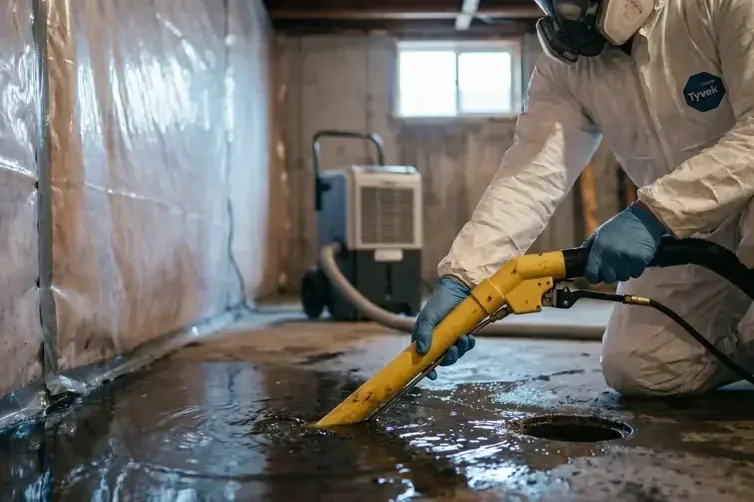
First steps for sewage backup cleanup
- Restrict the affected room
The property contact keeps occupants and pets away from wastewater, preventing foot traffic or belongings from carrying contamination into clean rooms before assessment and controlled cleanup.
- Pause affected drain use
Fixtures connected with the backup remain unused pending plumbing advice, reducing the chance of adding wastewater while the source of the drainage problem is investigated.
- Report visible spread
A description of the overflowing fixture, adjacent surfaces and affected storage helps define the initial inspection, with photographs taken only from safe uncontaminated positions.
- Coordinate the repair separately
The owner arranges lateral or drain diagnosis alongside interior mitigation and retains the findings so recurring flow problems can be addressed before restoration closes damaged areas.
What does sewage backup cleanup cost in Hapeville, GA?
Sewage backup cleanup in Hapeville has planning ranges of $1,500 to $8,000+. Contaminated surface area, porous material handling and concealed migration shape the estimate. Drain clearing, sewer lateral repairs and reconstruction should be identified apart from the interior cleanup tasks.
Contained bathroom backup
- Defined contaminated area
- Accessible hard surfaces
- Limited contents exposure
Multiple contaminated surfaces
- Expanded removal route
- Affected porous finishes
- Broader cleaning needs
Extensive sewage migration
- Concealed wastewater paths
- Complex room isolation
- Additional material removal
Water category, wet area, material class and the delay before drying change the total. The water damage cost calculator compares a planning range before an on-site assessment.
The sewage backup cleanup process
- 1
Establish contamination boundaries
The assessment records contacted surfaces and contents, separating safe access from the affected work area while plumbing findings help determine whether more wastewater could enter.
- 2
Remove wastewater with control
The crew handles liquid and unsuitable porous materials through a planned route, preventing the cleanup process from distributing contamination into rooms outside the original exposure.
- 3
Clean retained interior surfaces
Suitable surfaces receive appropriate treatment after gross contamination is removed, with attention to lower cavities and interfaces that could otherwise hide residue behind replacement finishes.
- 4
Dry and document the remainder
The remaining assembly receives moisture assessment and drying, while the closing record identifies completed cleaning, removed materials and any drainage or reconstruction work still outstanding.
Wastewater spreading from a floor drain or toilet requires a different response from an ordinary surface spill. Walking through it can carry contamination beyond the original room, and absorbent contents may need separate handling. The cleanup boundary should include every contacted surface, with a protected route for workers and removed materials established before routine room use resumes.
Understand the private sewer connection
Hapeville places maintenance of the entire sewer lateral on the property owner, from the building to its connection with the city main. That makes drainage diagnosis an essential companion to interior cleanup. Clearing a blockage addresses the flow problem; it does not remove contamination or retained moisture from the building finishes already exposed.
The city identifies roots, grease and debris as lateral obstructions, and notes that older concrete, clay or cast-iron laterals can have deteriorated sections. The actual pipe condition needs inspection. Owners are also directed to contact Community Services before covering a repaired lateral, so that step belongs in the plumbing repair coordination.
Map exposure before moving belongings
Virginia Park, Central Avenue and Dogwood Drive provide local references for an initial service discussion. Inside the affected property, the important boundaries are the wastewater path, contaminated contents and rooms that remain untouched. A floor drain overflow may reach under a partition or cabinet, so the inspection checks more than the easily washed open surface.
- Absorbent flooring and backing require assessment for contaminated material removal.
- Stored belongings can carry wastewater into clean rooms if moved carelessly.
- Wall bottoms deserve attention wherever sewage contacted the lower assembly.
- Hard surfaces need suitable cleaning before ordinary occupancy or drying activity.
Occupants and pets should stay outside the contaminated area. Household fans, unprotected handling and routine use of affected drains can spread the problem or add wastewater. The property contact should arrange appropriate plumbing assessment and controlled cleanup while keeping safe access routes separate from the exposed rooms and contents.
Clean the retained structure before drying it
The team explains which porous materials require removal and which remaining surfaces can be cleaned. Drying the prepared structure follows those decisions, addressing retained moisture without using airflow as a substitute for contamination removal. The work record should distinguish each stage and identify any inaccessible surfaces that still need attention.
If outside water also entered, flood exposure assessment helps organize the combined interior scope. Owners should retain drainage findings, cleanup photographs and invoices together. Before rebuilding, the handoff needs to describe the cleaned materials, drying condition and outstanding source repairs so a cleared drain is not mistaken for a fully restored room.
How the sewage backup cleanup work progresses
Establish contamination boundaries
The assessment records contacted surfaces and contents, separating safe access from the affected work area while plumbing findings help determine whether more wastewater could enter.
Remove wastewater with control
The crew handles liquid and unsuitable porous materials through a planned route, preventing the cleanup process from distributing contamination into rooms outside the original exposure.
Clean retained interior surfaces
Suitable surfaces receive appropriate treatment after gross contamination is removed, with attention to lower cavities and interfaces that could otherwise hide residue behind replacement finishes.
Dry and document the remainder
The remaining assembly receives moisture assessment and drying, while the closing record identifies completed cleaning, removed materials and any drainage or reconstruction work still outstanding.
Sewage Backup Cleanup coverage in Hapeville
Sewage cleanup in Hapeville is planned around the actual contaminated footprint within properties in ZIP 30354. Initial details should identify the overflowing drain, affected contents and safe entry options while the owner arranges the separate plumbing investigation.
The same service nearby: sewage backup cleanup in Morrow, Forest Park, Riverdale.
Water damage restoration in Hapeville · every town coveredRelated water damage services in Hapeville


Sewage Backup Cleanup questions in Hapeville
Does a cleared drain make the room safe to use?
Clearing the obstruction restores drainage but leaves exposed surfaces and contents needing assessment. Controlled removal, suitable cleaning and moisture work address the indoor loss before normal room use or replacement finishes can be considered.
Who maintains the sewer lateral locally?
The property owner maintains the entire lateral from the building to the city sewer main connection. The city also directs owners to contact Community Services before a repaired lateral is covered during that work.
Can ordinary fans be used near the backup?
Fans should not blow across sewage or uncleaned residue. The affected space needs controlled handling and cleaning decisions first, with equipment used afterward according to the condition of the surfaces and materials that remain.
Must every contaminated item be handled the same way?
Handling depends on material type, exposure and whether appropriate cleaning is practical. Porous finishes, sealed hard surfaces and stored contents require different decisions, which should be explained before items are moved through the property.
Why inspect inside a lower wall after a backup?
Wastewater can pass beneath trim or through floor-level openings into a cavity. That space may retain contamination after the visible floor is cleaned, so access decisions should follow the actual path of the exposed water.
What helps prevent repair work from being confused with cleanup?
Separate scope entries for drain diagnosis, lateral repair, wastewater removal and interior restoration make responsibilities clear. Keeping the records together helps the owner coordinate the project while still seeing what each professional actually completed.
Separate the backup from clean rooms
Drain repair and interior contamination need coordinated attention so the property can progress from restricted access to cleaned, dry materials.
(888) 532-4616Discuss controlled sewage cleanup