Water Damage Restoration in Forest Park
A spreading puddle needs a clear next step. Forest Park water damage pros assess the source, separate unsafe areas and plan removal around the floors, walls and belongings actually affected.
(888) 532-4616Discuss the wet roomsRestoration starts with safe access and source control, followed by an explanation of the work each room needs.
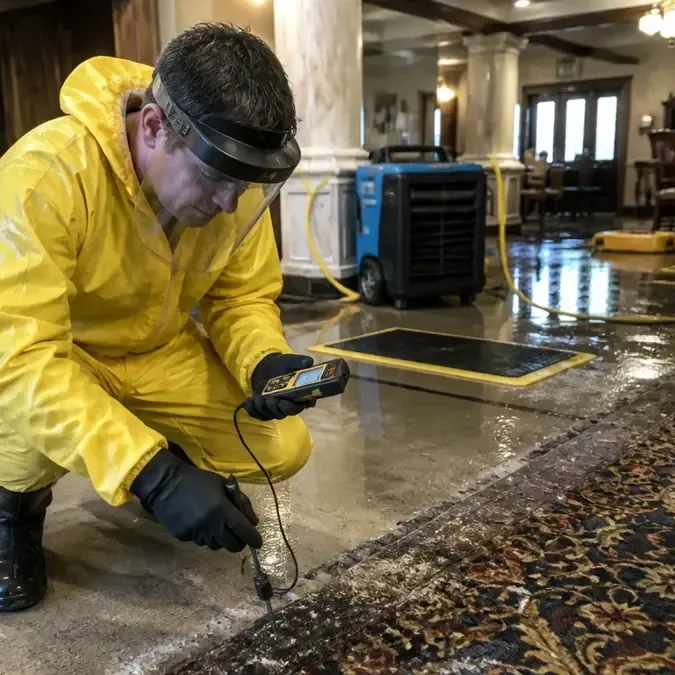
Match the cleanup to the water source
A tank spill, a saturated ceiling and a backed up drain need different handling. These services address the affected materials and entry path.
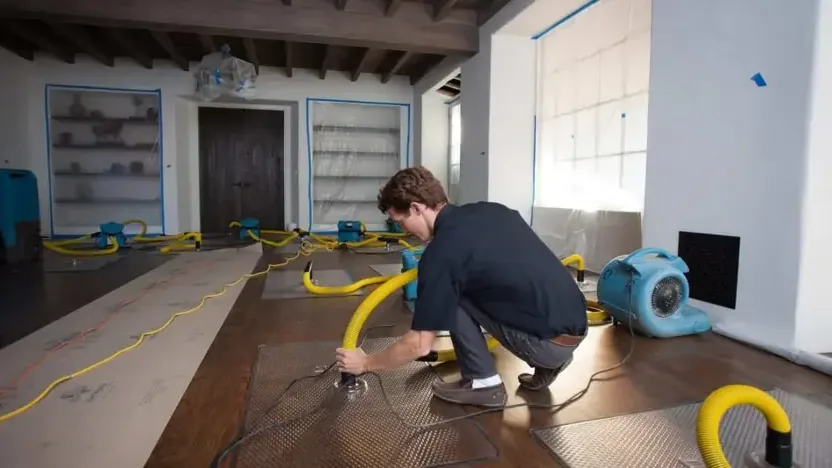
Water Extraction
Standing water is removed with equipment selected for the floor covering, available access and remaining water depth.
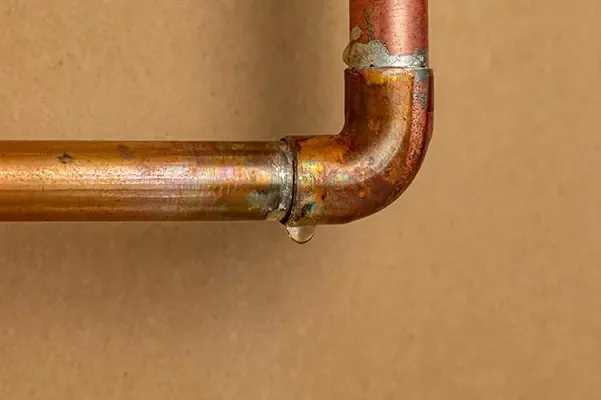
Burst Pipe Water Damage
A broken supply pipe can soak several rooms; restoration follows the release through wall openings and flooring transitions.
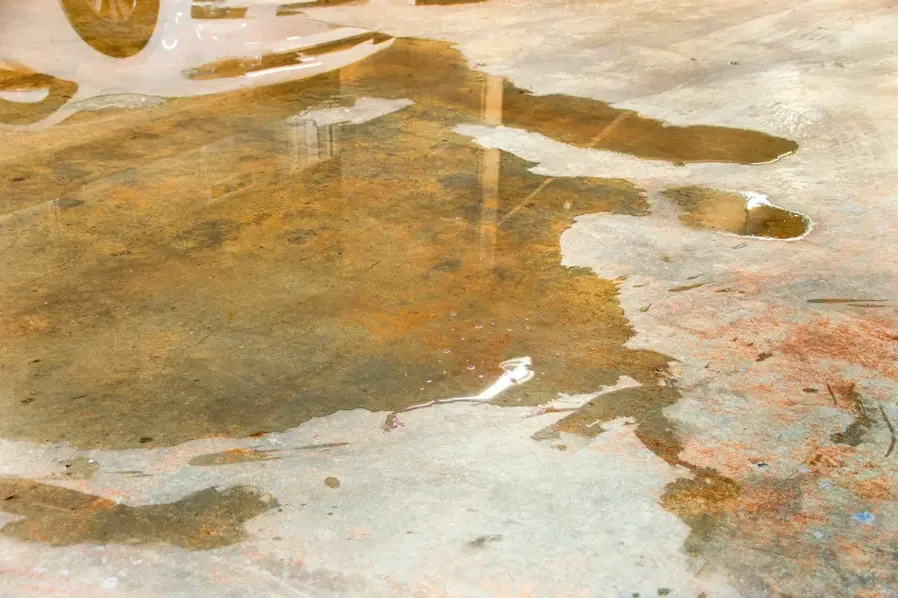
Slab Leak Water Damage
Moisture emerging through a floor calls for plumbing diagnosis and separate attention to saturated coverings above the slab.
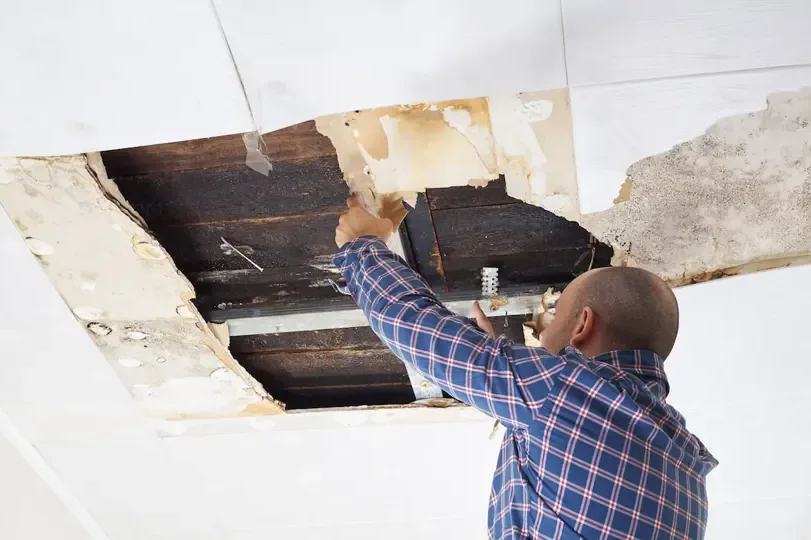
Ceiling Leak Water Damage
Overhead dripping needs a restricted area below and inspection of the ceiling cavity after the source is controlled.
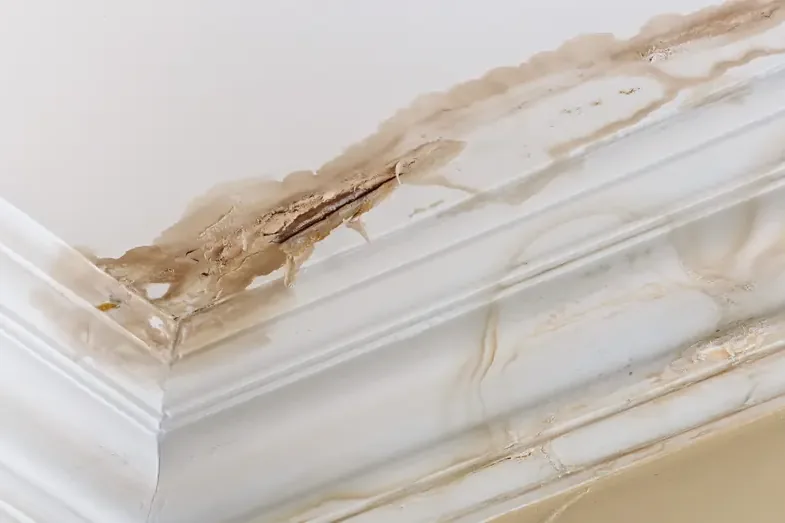
Roof Leak Water Damage
Roof entry can wet insulation before a stain appears, making attic access and interior moisture checks part of cleanup.
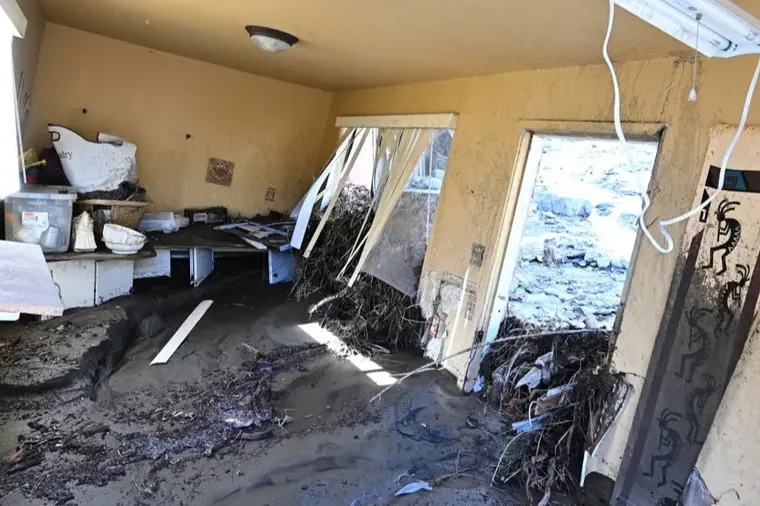
Storm Flood Cleanup
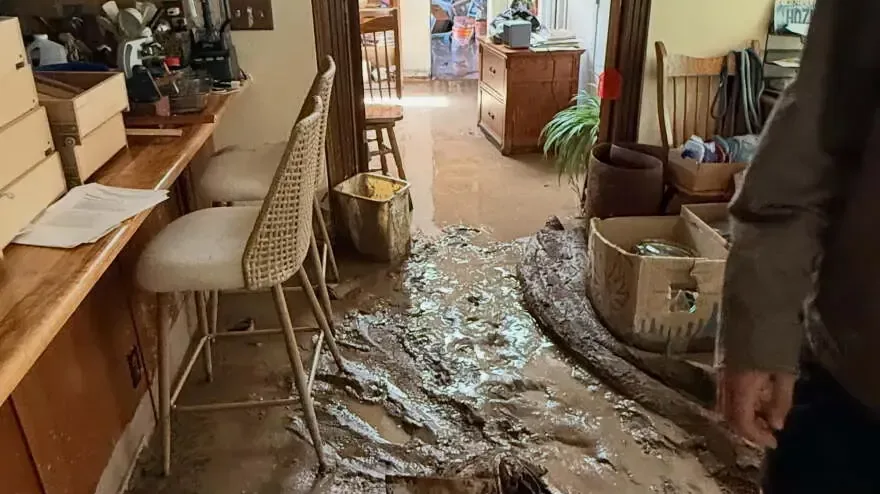
Outdoor water carries dirt into living spaces; removal decisions consider contamination, trapped sediment and porous finishes that stayed wet.
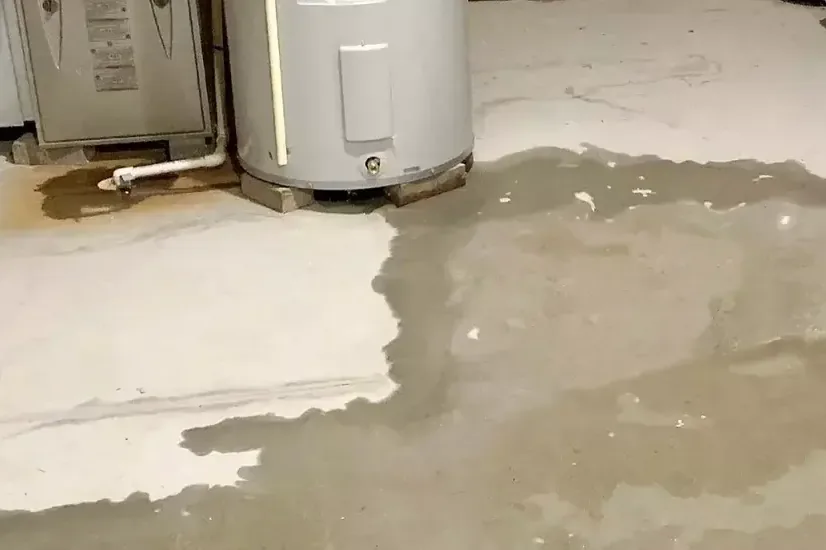
Water Heater Leak Cleanup
A leaking tank can saturate closet edges and nearby rooms, requiring cleanup beyond the visible puddle beside the heater.
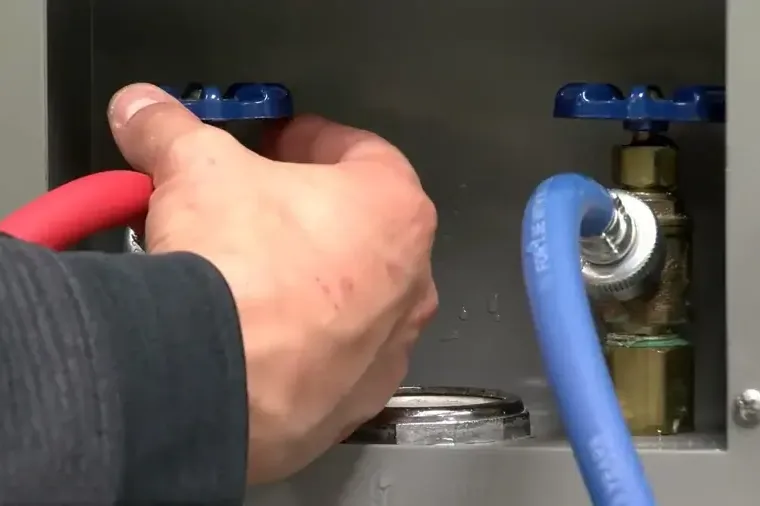
Appliance Leak Water Damage
Dishwasher and washer spills can reach beneath cabinets, so inspections follow concealed edges as well as open flooring.
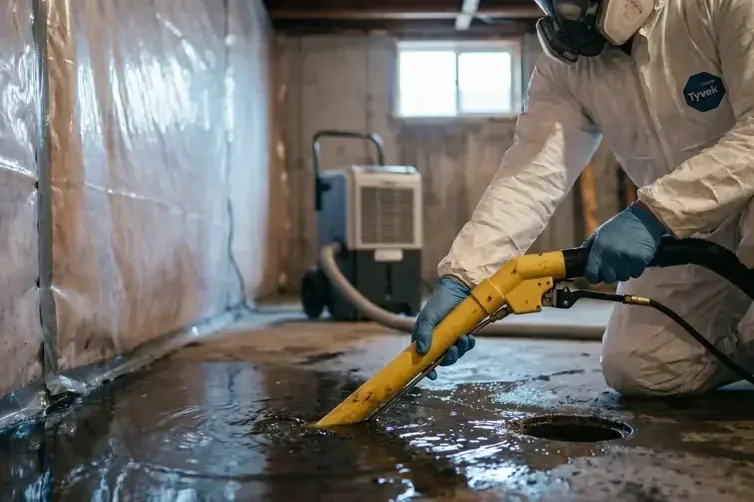
Sewage Backup Cleanup
Wastewater cleanup isolates the affected space, removes contaminated material and prepares remaining surfaces for controlled cleaning and drying.
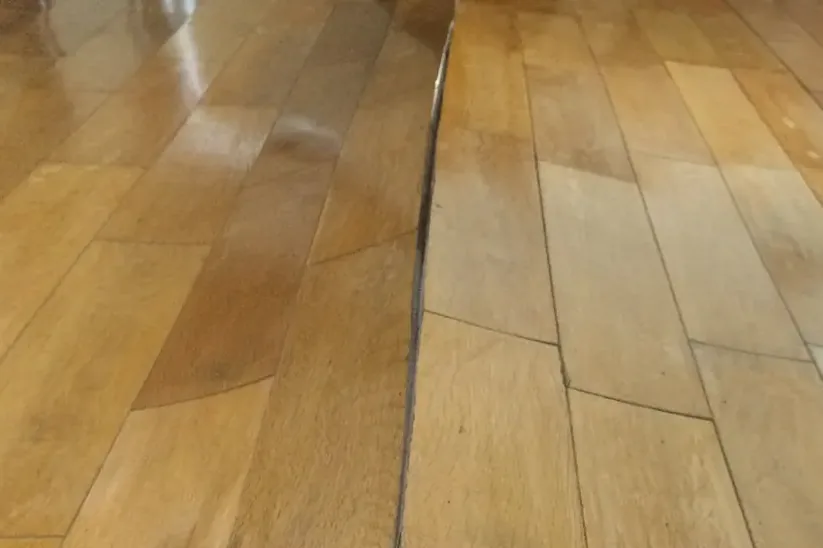
Hardwood Floor Water Damage
Raised board edges require measurements above and below the finish before decisions about drying, repair or replacement.

Structural Drying
Drying equipment is adjusted as framing and other retained materials release moisture, with recorded readings supporting the endpoint.
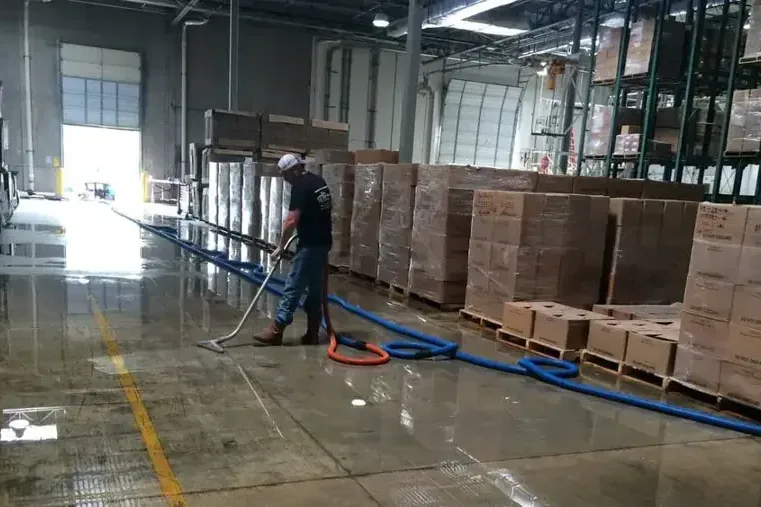
Commercial Water Damage
Business cleanup accounts for storage, equipment, staff access and the wet areas that must remain separate from occupied space.
How a water loss moves toward recovery
- 1
Define the boundaries
Initial inspection follows moisture beyond obvious puddles, comparing adjacent finishes and identifying places that need closer access before the scope is settled.
- 2
Remove accumulated water
Extraction reduces the liquid load while damaged porous materials are evaluated for retention, cleaning or removal according to their condition and exposure.
- 3
Manage evaporation
Air movement and dehumidification work together inside a controlled area, with equipment adjusted when readings show a slow section or a hidden reservoir.
- 4
Document the handoff
Completion notes identify retained materials, final measurements and unfinished repairs so the next trade can understand what remains before restoring the room.
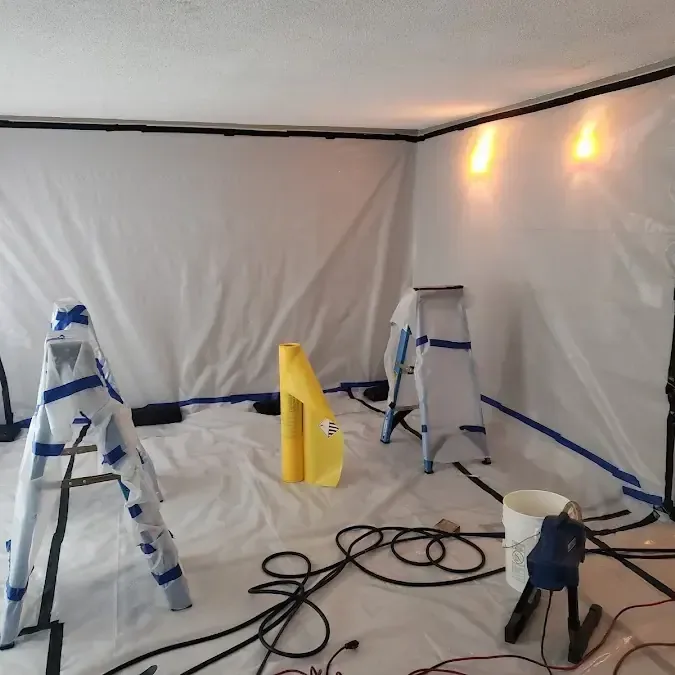
Visible water rarely tells the whole story
A room can look better while the wall base remains wet. The mitigation team checks edges, adjoining spaces and concealed layers, then explains which materials can stay and which need removal.
Source before finish
Repairing the cause and drying the damage are separate jobs; the plan identifies what must happen before surfaces are closed.
Access that makes sense
In a shared building, arranging entry to adjoining units helps trace moisture without treating each stain as an isolated problem.
Notes for each room
Room labels, photos and moisture records connect the proposed work to the actual damage instead of a broad description of flooding.
An explained endpoint
Final readings and the condition of retained materials establish whether the space is ready for repairs, painting or new floor coverings.
What affects water cleanup cost in Forest Park?
Planning ranges run from $1,000 to $8,000+ depending on the wet area, water condition and hidden layers. An inspection separates extraction, material removal and drying so the estimate describes the building's actual needs clearly.
Small wet footprint
- Accessible room edges
- Limited finish removal
- Simple equipment placement
Several connected rooms
- More extraction passes
- Multiple wet assemblies
- Documented drying adjustments
Extensive interior damage
- Complex access arrangements
- Broader material handling
- Longer equipment management
A plumbing repair, roof repair or replacement finish may require a separate estimate. Written scope details help distinguish the immediate cleanup from the reconstruction that follows after the building dries. Compare cost factors
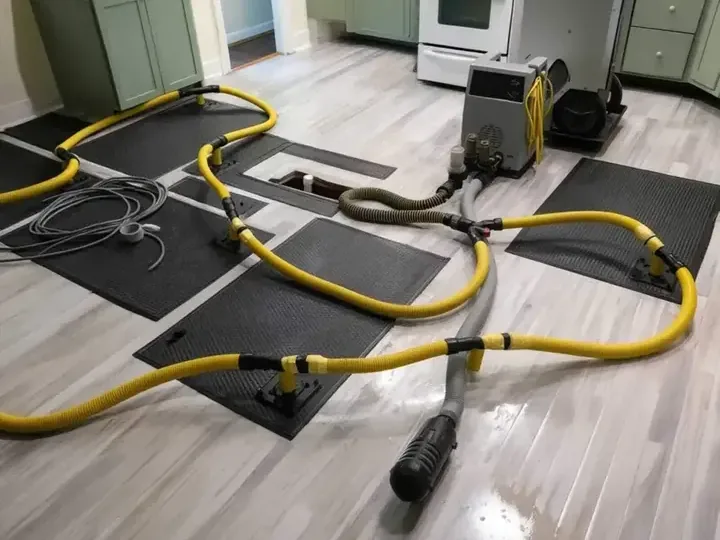
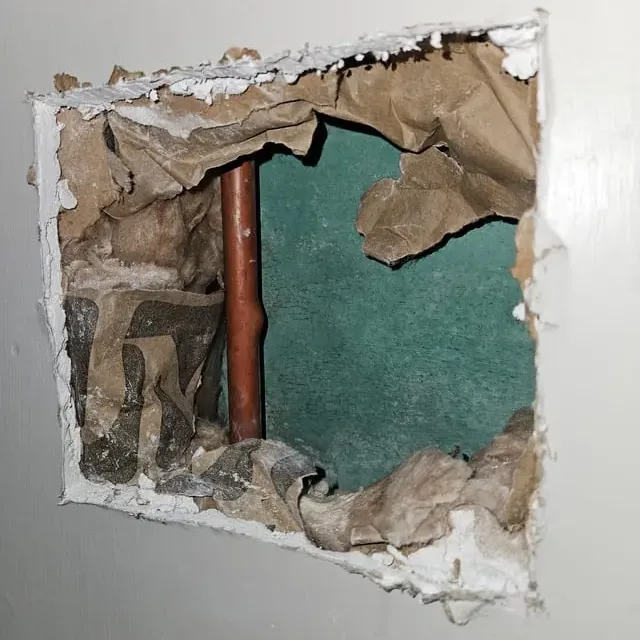
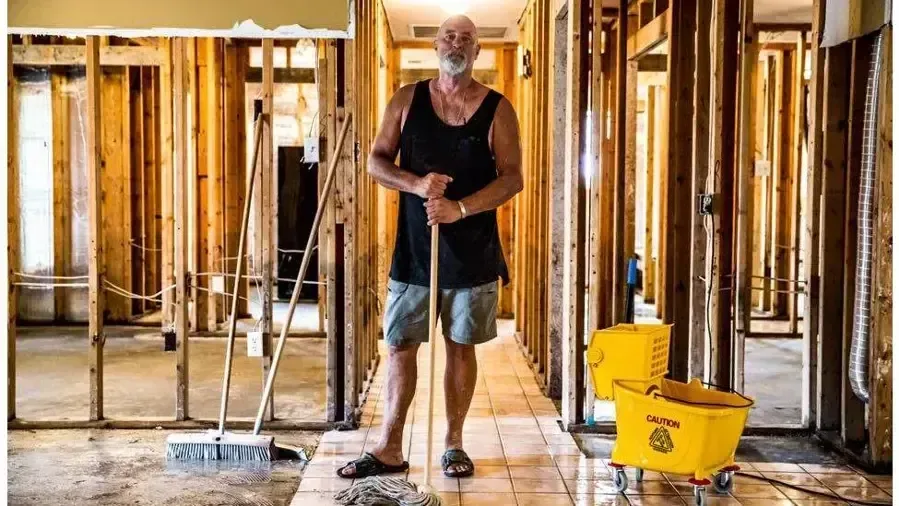
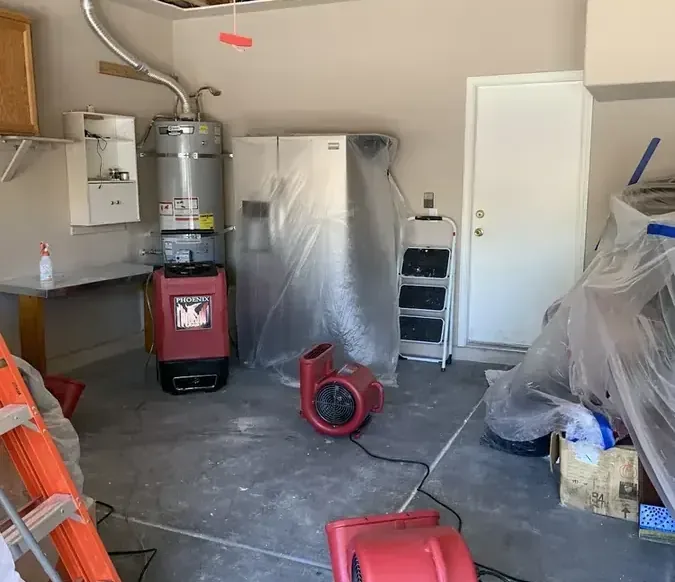
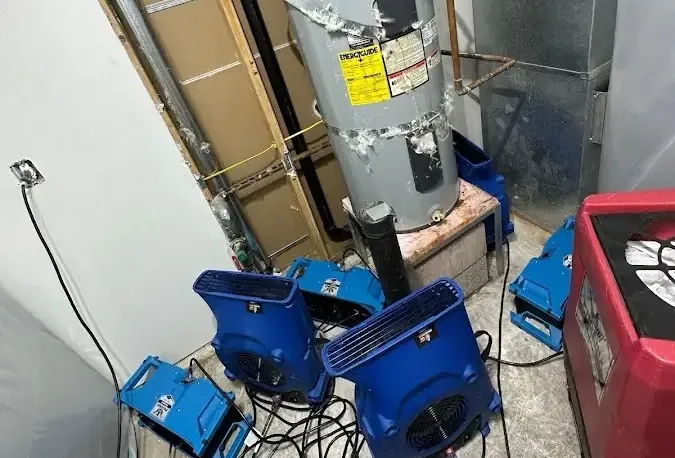
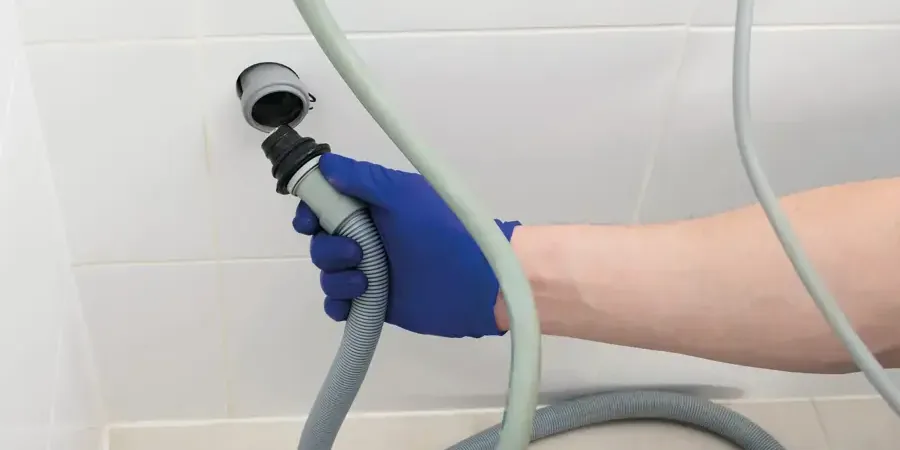
Removal, access and drying inside affected rooms
A sequence built around the wet materials
The restoration team revisits the condition of each affected assembly as work progresses. Equipment placement, removal decisions and completion notes should agree with what inspection and moisture measurements show inside the rooms.
Keep the loss details together
Clear records help an owner explain what happened and what cleanup involved. Coverage decisions belong to the carrier, while restoration documentation describes the water, affected materials and completed work.
- Photos of the source before repair begins
- Room names matched to each damaged surface
- Dates when moisture or dripping first appeared
- Receipts for emergency work and removed items
- Written estimates separating cleanup from later repairs
When payment is direct
An owner paying directly can request a staged estimate that shows urgent removal, drying equipment and optional repair work as separate parts of the proposed scope.
Material retention decisions deserve explanation before approval. A lower initial price can omit concealed wet areas, while a larger scope should identify exactly why additional work is needed.
The cleanup changes with what entered the room
Escaped supply water
Fresh pipe water still needs prompt removal and inspection of everything it contacted after leaving the pipe.
Follow pipe damageUsed appliance discharge
Wash water may carry soil or detergent, changing handling decisions for carpet, cabinet bases and nearby finishes.
Check appliance spreadSewage entering fixtures
A drain backup requires controlled access and contamination removal before the room can move into ordinary drying.
Understand wastewater cleanupWater damage help across Forest Park
Useful location references
Forest Parkway · Old Dixie Highway · Jonesboro Road · Main Street
City ZIP codes
Other nearby service areas
Describe the building as well
A location near Bill Lee Park or Starr Park helps orient the visit. Entry instructions, parking arrangements and the wet room location make the assessment easier.
Single family homes and multifamily properties can require different permissions. The person arranging cleanup should identify the building contact and any adjoining space that needs inspection.
(888) 532-4616Discuss property accessSee additional covered communitiesThe first decisions protect people and limit spread
- Separate the wet space. Children and pets should stay away from affected rooms, especially where water has reached electrical equipment or an unstable ceiling.
- Identify the source safely. An accessible shutoff can stop a supply leak, while sewage or outdoor entry needs a different containment plan.
- Notify the building contact. A tenant should tell the property manager which rooms are wet and whether moisture is appearing from another unit.
- Record visible damage. Photos from a dry position can show water marks, affected belongings and the sequence of rooms involved before cleanup.
- Preserve access. Clear dry routes for inspection without carrying soaked rugs or leaking boxes through clean portions of the building.
Water damage help in nearby communities
Water damage questions in detail
Read the water damage articles for focused explanations of sources, wet materials and recovery decisions.
Shared spaces and drainage deserve attention
Forest Park combines residential neighborhoods with major commercial activity. Its comprehensive plan calls for roadway stormwater improvements and maintaining existing housing, making both exterior entry and indoor leaks practical inspection topics.
1908: City incorporation: Forest Park incorporated in 1908 after originating as a railroad wood and water stop. Present cleanup decisions depend on each building's affected materials.
- Water beside major roads. Forest Parkway, Old Dixie Highway and Jonesboro Road are roadway improvement priorities. A flooded property's inspection follows the actual doorway or wall entry path.
- Wastewater under pressure. Clayton County Water Authority describes grease, roots and heavy rain as contributors to backups. Affected fixtures should stay unused until the obstruction is assessed.
- Access to the cleanout. CCWA advises keeping the lateral cleanout accessible. An owner can communicate its location while arranging the private drain inspection and interior cleanup separately.
- Housing with shared boundaries. The city includes single family and multifamily housing. Moisture at a shared ceiling or wall calls for coordination with the responsible building contact.
- Busy commercial premises. Gillem Logistics Center and the State Farmers Market are activity centers. Commercial restoration planning considers stock, occupied areas and safe movement around wet work zones.
Questions after water appears
What information is useful during the first call?
The caller can describe where water appeared, whether it is still entering and which surfaces feel wet. Details about electrical contact, a sagging ceiling or sewage help establish access precautions before the restoration team inspects the building.
Can a tenant arrange an initial inspection?
A tenant should notify the owner or property manager promptly and explain the visible damage. Permission for opening walls, entering another unit or approving removal may rest with the building representative, so that contact belongs in the cleanup discussion.
Does a dry carpet surface mean cleanup is finished?
Carpet fibers can feel dry while padding or the floor below retains moisture. The inspection considers those layers, the water condition and nearby wall bases. Completion depends on the materials underneath as well as the visible face.
What separates pipe repair from water restoration?
Plumbing work stops the leak in the supply system. Restoration addresses water that escaped into the building, including extraction, material evaluation and drying. Both scopes may be needed, and their timing should allow access without closing wet cavities.
Should wet belongings stay inside the affected room?
Small dry possessions may be moved along a safe route, but soaked furniture and contaminated items need a handling plan. Dragging wet contents through clean rooms can spread water or soil and complicate the eventual cleanup footprint.
How is a sewage backup handled differently?
Wastewater requires separation of the dirty area and decisions about contaminated porous materials. Ordinary fans or surface mopping are insufficient. Drain repair addresses the source, while controlled removal, cleaning and drying address what entered the building.
Can a ceiling stain come from another room?
Water can travel along framing or a floor assembly before showing below. Inspection therefore follows the route above and beside the stain. In a shared building, access to an upper unit may be necessary to locate the active source.
When can replacement flooring be installed?
Installation should wait until the supporting materials meet the requirements of the intended flooring system. Moisture measurements help determine readiness; covering a damp underlayer can trap water and interfere with adhesive or the stability of the new finish.
What should remain in the completion records?
Useful records show the affected rooms, materials removed, equipment used and moisture readings at the end of drying. They should also identify repair work that remains, allowing the owner and subsequent trades to plan the next stage.
Give the water damage a defined next step
A clear description of the wet rooms helps the mitigation team plan safe inspection, removal and drying at the property.
(888) 532-4616Arrange a room assessment