Water Extraction in Hapeville
Standing water hides floor joints, low thresholds and the edges of wet furnishings. Extraction in Hapeville starts by making the room accessible, then follows water into the surfaces that remain damp after suction.
(888) 532-4616Arrange pooled water removal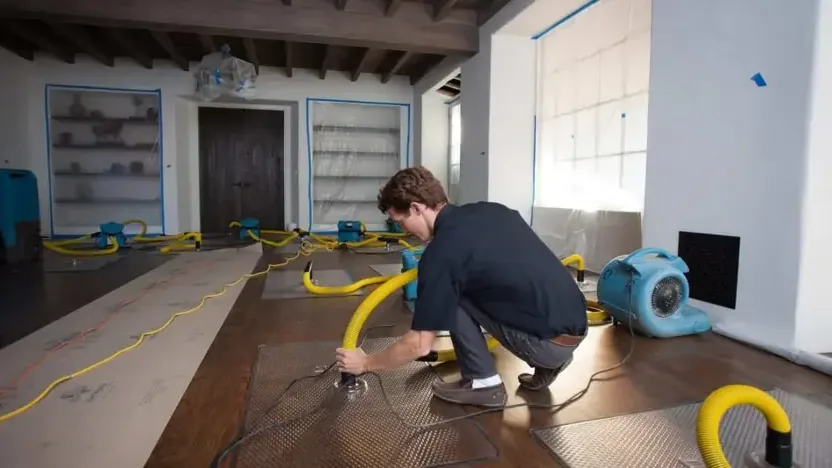
First steps for water extraction
- Describe the water source
The property contact explains whether the pool followed a pipe leak, equipment overflow or outside entry, including any continuing flow and inaccessible rooms.
- Preserve a dry approach
Occupants keep children and pets away from the wet footprint and avoid carrying soaked belongings into clean areas before the crew assesses them.
- Arrange needed shutoffs
A safely accessible plumbing valve can limit an active release; electrical hazards or uncertain equipment conditions require the appropriate specialist before entry.
- Photograph from stable ground
Images of doorways, flooring and furniture document the initial spread while a brief discovery account helps connect the visible pool with its likely source.
What does water extraction cost in Hapeville, GA?
Hapeville water extraction ranges from $500 to $3,500+ for planning. Accessible floor area, contents handling and removal difficulty shape the estimate; cleaning, concealed material opening and the drying phase should have clearly identified scope entries.
Small accessible area
- Open floor access
- Limited contents movement
- Nearby edge checks
Several affected rooms
- Connected liquid spread
- Additional hose routing
- Multiple surface types
Difficult removal scope
- Restricted equipment access
- Complex contents handling
- Extensive water collection
Water category, wet area, material class and the delay before drying change the total. The water damage cost calculator compares a planning range before an on-site assessment.
The water extraction process
- 1
Inspect the collection points
The extraction crew locates accessible pools and tracks their connection across thresholds, documenting water character and restrictions that affect safe handling of the room.
- 2
Set controlled working routes
Protective measures and hose placement keep the removal path organized while suitable contents are moved or isolated according to their exposure and condition.
- 3
Extract by surface condition
Equipment and attachments are selected for the floor covering, water depth and access, with repeat passes where liquid remains available for effective removal.
- 4
Record the remaining moisture
A followup material assessment identifies wet edges and assemblies so the owner can assess cleaning needs, drying placement and any proposed access openings separately.
A low patch beside a doorway can collect water released in a different room. The first extraction decision is therefore about the entire accessible footprint, including furniture legs, transitions and wall bottoms. Hapeville has both historic residential neighborhoods and newer apartments, so equipment routes need to fit the individual property rather than an assumed floor plan.
Open a route without spreading the loss
In Virginia Park, an occupied home may need a dry passage preserved between the entry and unaffected rooms. The crew considers hose placement, movable contents and protected surfaces before beginning removal. Where a floor is hidden by standing water, inspection also checks whether loose finishes or concealed objects could interfere with safe movement.
Central Avenue and Dogwood Drive are named in the city's ward boundaries. A caller describing a property in those areas should also identify its entry arrangement and affected level. Those practical details help organize access; the room inspection establishes which equipment and handling methods suit the water actually present.
Remove liquid before judging the layers
Extraction pulls accessible water from surfaces and suitable floor coverings. It cannot alone establish that an assembly is dry. Water beneath trim, inside a floor joint or absorbed into a cabinet base may remain after the visible pool disappears. The crew checks these edges and identifies where further access would improve inspection.
- Doorway transitions can separate apparently dry flooring from a still wet underlayer.
- Furniture contact points may conceal moisture beneath legs, pads or heavy bases.
- Wallboard near the floor needs checking when water has reached its edge.
- Closet corners deserve inspection even when the central room drains first.
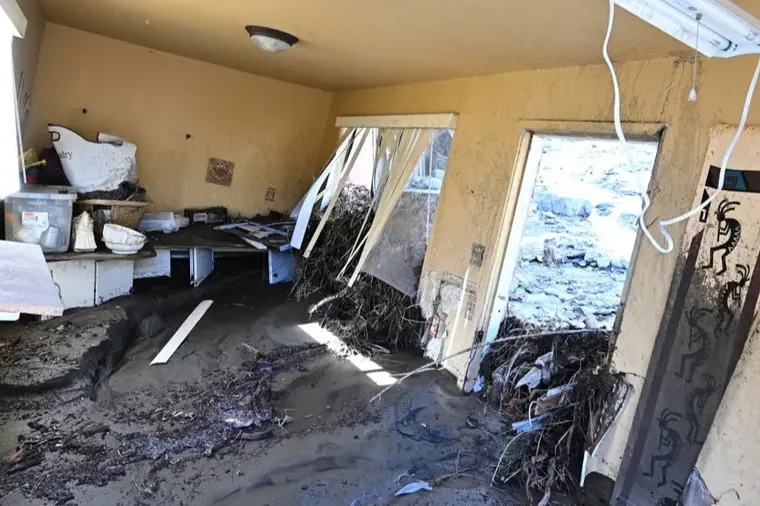
Occupants should avoid water around outlets, cords or plugged equipment. Electrical safety needs assessment before work proceeds in that area. If the source includes sewage or outside floodwater, household fans and casual foot traffic can spread contamination. Restricted access comes before decisions about moving possessions or operating drying equipment.
Make the remaining work specific
After removal, the team records what stayed wet and why. A serviceable material with useful airflow access presents a different problem from a swollen cabinet bottom or saturated enclosed cavity. Drying retained moisture uses that material assessment to determine equipment placement and the checks needed before repairs proceed.
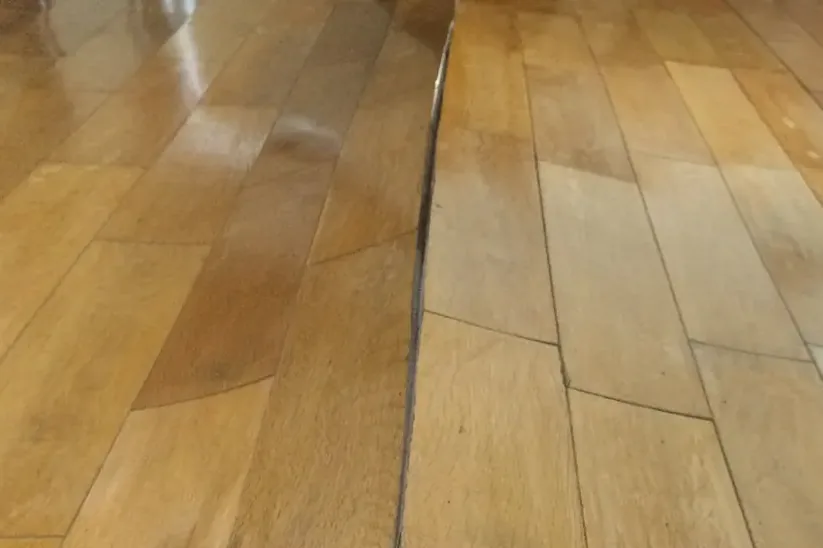
For a room containing wood flooring, board and underlayer evaluation can clarify whether the floor remains suitable for drying. The written scope should distinguish liquid extraction, contents handling, necessary cleaning and any later material removal. That separation gives the owner a clear explanation of what the first visit addresses and what still requires a decision.
How the water extraction work progresses
Inspect the collection points
The extraction crew locates accessible pools and tracks their connection across thresholds, documenting water character and restrictions that affect safe handling of the room.
Set controlled working routes
Protective measures and hose placement keep the removal path organized while suitable contents are moved or isolated according to their exposure and condition.
Extract by surface condition
Equipment and attachments are selected for the floor covering, water depth and access, with repeat passes where liquid remains available for effective removal.
Record the remaining moisture
A followup material assessment identifies wet edges and assemblies so the owner can assess cleaning needs, drying placement and any proposed access openings separately.
Water Extraction coverage in Hapeville
Extraction planning covers Hapeville properties in ZIP 30354, including houses, townhomes and apartments. The property contact can describe entry restrictions and wet room locations so the assessment starts with a workable approach to the actual affected space.
The same service nearby: water extraction in Morrow, Forest Park, Riverdale.
Water damage restoration in Hapeville · every town coveredRelated water damage services in Hapeville

Water Extraction questions in Hapeville
Can suction alone dry the floor assembly?
Suction addresses accessible liquid. Moisture held inside wood, backing or an underlayer may remain afterward, so readings and material inspection determine whether a separate drying setup or selective opening is needed.
Must furniture leave before extraction starts?
The crew evaluates furniture by its contact with water and the access needed beneath it. Some pieces can be protected or repositioned locally; others require separate handling to expose wet surfaces safely.
Is apartment access different from house access?
Apartment work may involve management permission, shared entrances and coordination with adjacent occupants. A useful initial description includes the affected level, available access and any water moving beyond the original room.
What happens when water reaches a closet?
The closet floor, contents and wall edges receive their own inspection. A shallow pool can wet concealed corners or absorb into stored materials even when the larger room appears to hold most water.
Can wet rugs remain on wood flooring?
A saturated rug can keep the surface underneath wet. Its condition, backing and water exposure determine how it should be removed or treated without transferring residue or damaging the floor beneath it.
How is the extraction scope documented?
The record can identify affected rooms, initial conditions, removal methods and areas still damp. That gives the owner a basis for understanding subsequent cleaning or drying work and comparing it with the initial estimate.
Get the pooled water assessed
A room assessment connects liquid removal with the wet edges and materials that still need attention after the surface clears.
(888) 532-4616Arrange a water removal assessment