Ceiling Leak Water Damage in Morrow, GA
The ceiling-leak team checks the water source above a Morrow room, isolates unsafe areas and dries affected cavities. Overhead stains, sagging drywall and wet light fittings need careful access before cleanup begins.
(888) 532-4616Water overhead? Keep clear and call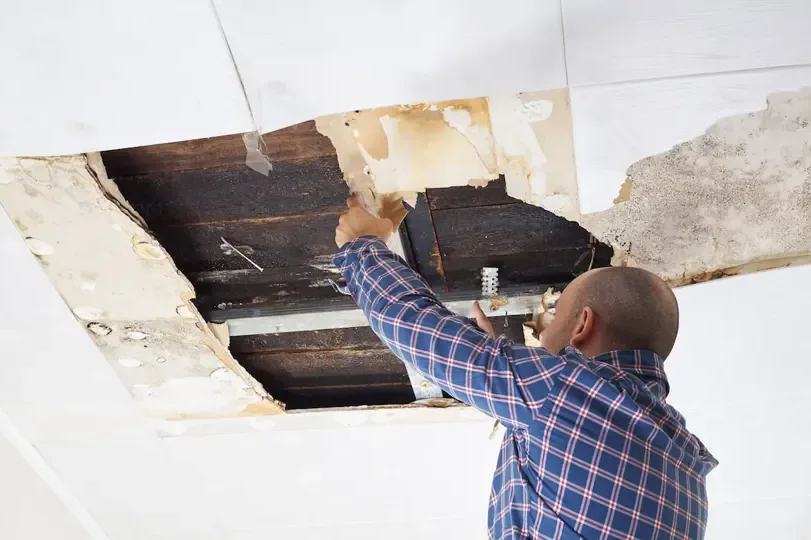
First steps for ceiling leak water damage
- Clear the area underneath
Occupants move away from sagging or dripping ceiling sections and keep the room closed until the overhead condition has been assessed.
- Avoid switches and fixtures
Nobody touches wet lights, fans or switches; electrical isolation must be arranged safely before restoration work near energized components.
- Identify activity above
The owner notes recent bathroom, laundry or plumbing use and arranges access to the upper space when authorized and safe.
- Photograph from dry ground
Images taken outside the fall area preserve the stain and bulge; 24/7 dispatch reviews these symptoms alongside the source status.
What does ceiling leak water damage cost in Morrow, GA?
Ceiling leak water damage mitigation often ranges from $800 to $4,500. Wet insulation, difficult overhead access and adjoining wall damage can increase the scope. Replacing ceiling finishes and repairing the plumbing or roof are separate considerations in the written estimate.
Small ceiling area
- Localized inspection
- Controlled access
- Focused drying
Wet ceiling cavity
- Insulation assessment
- Framing moisture checks
- Protected work area
Ceiling and walls
- Expanded removal boundary
- Multiple wet assemblies
- Longer drying setup
Water category, wet area, material class and the delay before drying change the total. The water damage cost calculator compares a planning range before an on-site assessment.
The ceiling leak water damage process
- 1
Secure the overhead area
The assessor evaluates sagging material and electrical concerns, defines a safe boundary and coordinates source access before anyone works beneath the wet ceiling.
- 2
Inspect the concealed assembly
Controlled openings reveal insulation, framing and water pathways, letting the crew document damage and explain which materials require removal or can remain.
- 3
Dry accessible retained materials
Airflow reaches exposed wet surfaces while dehumidifiers control room humidity; repeat measurements show whether framing and adjoining walls are responding to the setup.
- 4
Verify before the finish returns
The technician records the remaining moisture condition and confirms the source-control status, then identifies the separate ceiling repair work ready for planning.
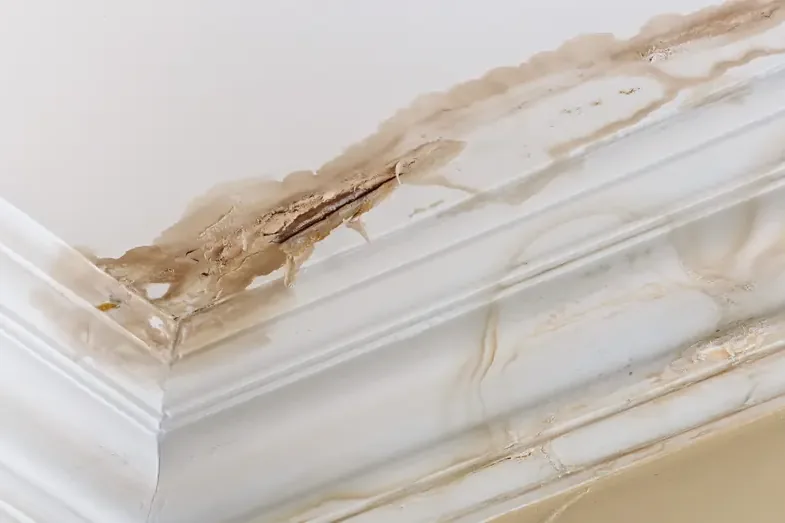
A dark ring on the ceiling can mark a slow leak, while a bulge can hold water behind weakened drywall. The response begins below the hazard, with the room kept clear. A technician determines how to reach the source and wet cavity safely before any material is opened. Puncturing the lowest spot can release water and debris into an occupied room.
Tracing the source above the stain
In a property near the Georgia Archives, the inspection may begin with the fixture or room directly overhead. Along Morrow Road, the assessor follows plumbing routes and ceiling penetrations rather than assuming the stain marks the failure. Around Southlake Parkway, a commercial manager may need to coordinate access above a suspended ceiling and protect the work area below.
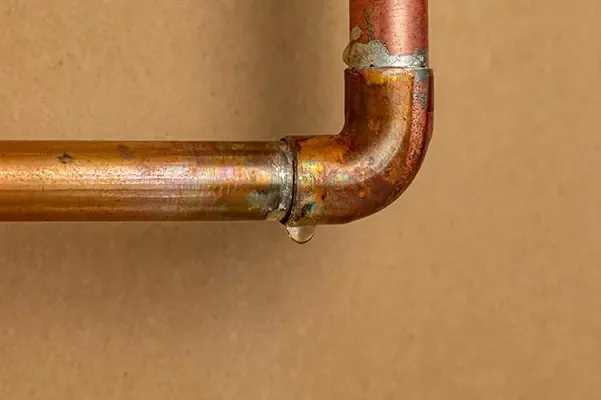
The investigation separates an interior plumbing release from roof entry or condensation. A bathroom overflow, leaking drain and pressurized supply failure require different source repairs. Roof leak water damage also requires checking the exterior entry point before the interior assembly can remain dry.
- Wet light fixtures and nearby wiring need electrical assessment before contact.
- Sagging board can detach, so occupants stay outside the fall area.
- Insulation above the ceiling may hold water after the visible drip stops.
- Photographs should include the room above when access is authorized and safe.
Controlled removal and cavity drying
The contractor explains where openings are needed to inspect or remove unsalvageable material. Drywall that has lost strength may not remain suitable for drying in place. Wet insulation can block access and evaporation. The team protects unaffected finishes, contains debris and keeps the work route separate from household activity.
Once the source is repaired, air movement and humidity control support drying of retained framing and adjacent surfaces. Measurements are taken at actual material locations, not inferred from a dry room-air reading. Changes in the moisture map show whether the cavity continues to improve or another hidden pocket needs attention.
An actively bulging ceiling is not a safe place for a bucket-and-ladder approach. A homeowner should avoid standing beneath it, touching wet fittings or operating switches in the affected area. Children and pets stay out of the room. The responding professional determines whether electrical isolation, ceiling support or controlled removal must happen before extraction and drying can proceed.
Preparing the ceiling for repair
A paint stain can remain after drying, and a freshly painted surface can conceal unresolved moisture. Completion depends on the source repair and material readings, not the appearance of the finish. The final scope distinguishes retained framing, removed board and insulation, and the separate work required to restore the ceiling.
- The first record identifies staining, distortion and affected fixtures.
- Removal photos document the condition of the cavity before it is cleaned and dried.
- Repeated readings establish the trend in framing and adjoining walls.
- The drying-time estimator helps with scheduling questions, while measured conditions determine when closing is appropriate.
How the ceiling leak water damage work progresses
Secure the overhead area
The assessor evaluates sagging material and electrical concerns, defines a safe boundary and coordinates source access before anyone works beneath the wet ceiling.
Inspect the concealed assembly
Controlled openings reveal insulation, framing and water pathways, letting the crew document damage and explain which materials require removal or can remain.
Dry accessible retained materials
Airflow reaches exposed wet surfaces while dehumidifiers control room humidity; repeat measurements show whether framing and adjoining walls are responding to the setup.
Verify before the finish returns
The technician records the remaining moisture condition and confirms the source-control status, then identifies the separate ceiling repair work ready for planning.
Ceiling Leak Water Damage coverage in Morrow
The restoration team covers ZIP codes 30260 and 30287, including properties along Jonesboro Road, Morrow Road, Southlake Parkway and Mt Zion Road. Dispatch reviews the affected rooms, safe access and the source of the water before the site assessment.
See the service areas and ZIP codesRelated water damage services

Ceiling Leak Water Damage questions in Morrow
Should a homeowner poke a ceiling bubble?
No. A bulge may release water and weakened material unexpectedly, and nearby wiring may be wet. The room should remain clear while a professional assesses the ceiling and arranges controlled access from a safe position.
Does a stopped drip mean the cavity is dry?
The cavity can retain wet insulation and damp framing after dripping ends. Moisture measurements and inspection establish that condition. Drying may need to continue until retained materials reach the documented goal, even when the stain no longer changes.
Can the source be somewhere else?
Water can travel along framing or service penetrations before appearing at the ceiling surface. The assessor traces likely pathways and coordinates with the appropriate repair professional. The visible stain alone cannot locate the failed pipe or roof opening.
Will all the ceiling board come down?
The removal boundary depends on stability, contamination, saturation and access. Sound dry areas can remain protected. The contractor should explain why each proposed opening is needed and document the wet assembly before the finish is removed.
What happens to wet insulation?
The team assesses the insulation type, contamination and ability to dry safely. Material that traps moisture or cannot be restored may need removal. Retained framing then receives direct inspection and readings before replacement insulation conceals it.
Can the ceiling be painted immediately?
Painting should follow source repair, drying verification and any necessary finish replacement. Covering the stain early can hide continuing moisture without correcting it. The repair contractor uses the drying record to plan the appropriate next work.
Keep the room clear while the ceiling is assessed
Morrow Water Damage Restoration provides 24/7 dispatch for ceiling water losses and the drying work that follows source repair.
(888) 532-4616Start the ceiling moisture assessment