Slab Leak Water Damage in Hapeville
A damp floor over concrete needs more than a towel and a guess at the cause. Hapeville slab leak cleanup combines a measured floor assessment with separate plumbing investigation before drying and repair decisions.
(888) 532-4616Assess the damp floor symptoms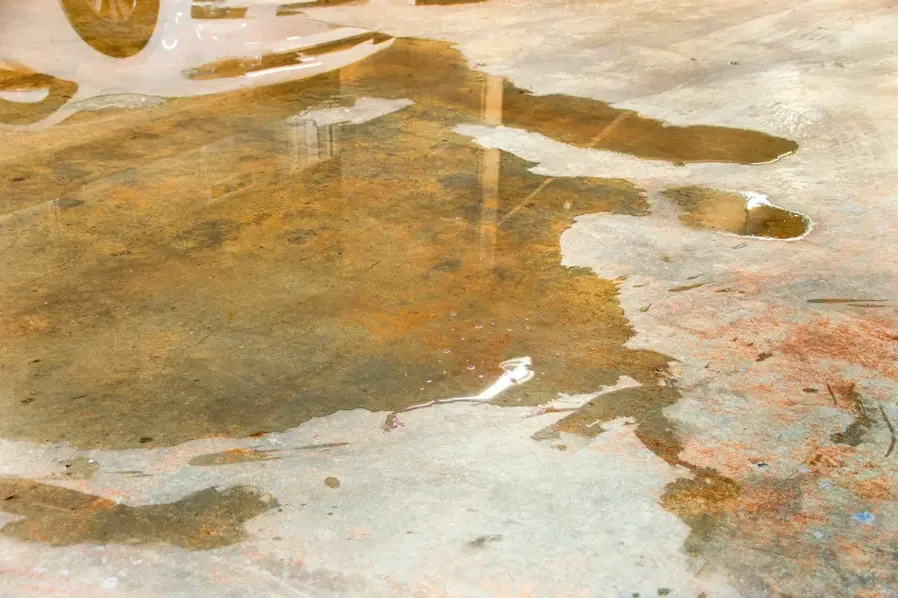
First steps for slab leak water damage
- Note recurring dampness
The owner records where moisture reappears, whether the visible area grows and which floor coverings show lifting or discoloration after ordinary surface wiping.
- Request a plumbing diagnosis
A qualified plumbing professional investigates the suspected release while the restoration assessment focuses on its effects within the floor and connected building materials.
- Protect unstable flooring
Occupants keep traffic away from raised edges and avoid stacking contents over damp areas, preserving access for measurement and any necessary selective removal.
- Keep repair records together
Photos, plumbing findings and floor observations remain in one loss record so decisions about opening, drying and reinstatement can refer to the same sequence.
What does slab leak water damage cost in Hapeville, GA?
Slab leak damage cleanup in Hapeville carries planning ranges of $1,500 to $7,500+. Wet floor layers, concealed spread and access difficulty influence mitigation costs. Leak detection, plumbing repairs and replacement floor preparation need explicit treatment in the estimate.
Localized floor wetting
- Small exposed footprint
- Limited finish lifting
- Nearby wall assessment
Several wet layers
- Layered material removal
- Substrate moisture checks
- Broader drying access
Widespread concealed loss
- Extended floor exposure
- Multiple adjoining assemblies
- Complex restoration coordination
Water category, wet area, material class and the delay before drying change the total. The water damage cost calculator compares a planning range before an on-site assessment.
The slab leak water damage process
- 1
Map damp floor boundaries
Measurements and visible symptoms establish the initial affected area, including transitions where moisture may sit beneath a covering or reach a neighboring wall base.
- 2
Coordinate selective access
The team discusses floor openings alongside plumbing findings, distinguishing access needed for repair from removal justified by damaged materials or obstructed drying surfaces.
- 3
Dry the remaining layers
Equipment addresses the exposed assembly and indoor humidity, with attention to retained moisture beneath fixed features and surfaces that respond differently from the open floor.
- 4
Document readiness for repair
Final observations identify which materials reached the drying objective and which still need replacement or substrate preparation before the chosen flooring system can be installed.
The first visible sign may be a lifted floor edge rather than a pool. Moisture beneath a covering can affect adhesive, backing and nearby trim while the concrete surface remains hidden. For a Hapeville property with this type of loss, the restoration team maps the damp assembly and coordinates with the professional locating the plumbing failure.
Locate the source before opening the floor
The local water service responsibility changes at the meter: the city maintains piping through it, and the owner handles piping toward the property. That boundary helps organize the repair conversation. It does not replace a plumber's investigation of the actual leak location or the assessment of water already absorbed into the floor assembly.
Virginia Park is a residential neighborhood, while the Hapeville Historic District is a recognized historic area. An affected building in either setting still needs its own construction inspection. The work should identify the existing floor layers and accessible plumbing before assuming that a particular foundation type or removal method applies.
Inspect the interface between materials
Water can collect where one material meets another. An inspector checks transitions, cabinet contact points and the bases of partitions for clues to the wet boundary. Central Avenue is another useful location reference within town; the actual moisture map, however, follows the affected floor and adjoining finishes inside the property.
- Adhesive condition matters when a covering has softened, shifted or released.
- Wall bottoms may absorb moisture from a persistently damp floor edge.
- Cabinet bases can restrict access to the surface directly beneath them.
- Different finish materials may need different methods of moisture assessment.
Cutting concrete or lifting a damaged floor without locating concealed services can create additional hazards. Occupants should leave exploratory openings to the appropriate professionals and keep loose or raised flooring out of normal walking routes. Any water near electrical equipment needs a safety assessment before the area becomes a work space.
Plan drying around the exposed assembly
A repaired pipe stops the supply of new water. The concrete, remaining finish layers and adjacent materials then need evaluation on their own terms. Drying the affected structure may involve controlled humidity, useful access and repeated readings chosen for the materials that remain in place after necessary removal.
Where wood covers the slab, wet flooring assessment addresses board condition as well as the supporting surface. An estimate should separate plumbing work, any access repair and interior mitigation. Before replacement flooring is installed, the owner needs a clear account of substrate condition and any preparation still required by the chosen finish system.
How the slab leak water damage work progresses
Map damp floor boundaries
Measurements and visible symptoms establish the initial affected area, including transitions where moisture may sit beneath a covering or reach a neighboring wall base.
Coordinate selective access
The team discusses floor openings alongside plumbing findings, distinguishing access needed for repair from removal justified by damaged materials or obstructed drying surfaces.
Dry the remaining layers
Equipment addresses the exposed assembly and indoor humidity, with attention to retained moisture beneath fixed features and surfaces that respond differently from the open floor.
Document readiness for repair
Final observations identify which materials reached the drying objective and which still need replacement or substrate preparation before the chosen flooring system can be installed.
Slab Leak Water Damage coverage in Hapeville
Hapeville floor moisture work is planned around the affected property's actual construction. For homes or occupied spaces in ZIP 30354, the initial discussion covers floor finishes, plumbing findings and access restrictions before selecting an inspection approach.
The same service nearby: slab leak water damage in Morrow, Forest Park, Riverdale.
Water damage restoration in Hapeville · every town coveredRelated water damage services in Hapeville



Slab Leak Water Damage questions in Hapeville
Does a damp floor establish a slab plumbing leak?
Dampness is a symptom requiring investigation. A plumbing diagnosis identifies the source, while moisture mapping shows the affected materials. The repair and cleanup decisions should use both findings before invasive access is chosen.
Must all flooring be removed for assessment?
Access depends on the assembly and the moisture pattern. Some areas can be assessed at existing edges, while damaged coverings or concealed wet layers may require selective removal with the reason clearly documented.
Can concrete stay damp after the leak stops?
Concrete can retain moisture beyond the time when surface water disappears. The drying plan checks the slab and adjoining materials using appropriate methods before the owner proceeds with replacement finishes or concealed repairs.
Why look at walls during a floor problem?
A wet slab edge can expose trim, wallboard or cabinet bottoms to moisture. Checking those contact points identifies related damage and helps prevent a floor-only scope from missing an adjacent assembly needing attention.
Are plumbing repairs included in cleanup pricing?
That depends on the written agreement. Leak location, pipe repair, concrete access restoration and moisture mitigation should each be identified so the property owner understands which professionals and charges belong to the project.
When can replacement floor materials be selected?
Selection can occur during planning, but installation depends on substrate readiness and the requirements of the chosen system. The drying record and repair contractor's preparation assessment should inform that decision before materials cover the floor.
Resolve moisture beneath the finish
The next useful step is a measured inspection connecting source repairs with the condition of concrete, flooring and nearby wall bottoms.
(888) 532-4616Discuss slab moisture cleanup