Water Heater Leak Cleanup in Hapeville
A tank leak can soak the enclosure before water reaches an open floor. Hapeville water heater cleanup checks beneath the equipment, along closet walls and across adjoining thresholds while a plumbing professional handles the source.
(888) 532-4616Discuss the wet heater enclosure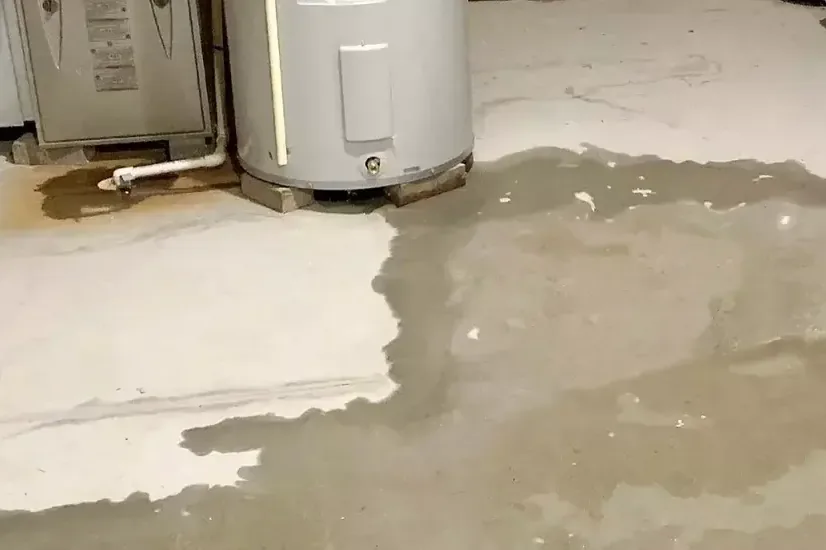
First steps for water heater leak cleanup
- Keep clear of wet equipment
Occupants avoid contact with the tank and unfamiliar controls while a plumbing or equipment professional establishes how the source can be isolated safely.
- Describe where water escaped
The property contact identifies the enclosure, adjoining doorway and first wet room, helping the inspector follow the path beyond the visible puddle.
- Coordinate access permission
Management or the owner arranges permission for equipment work and inspection behind stored contents, particularly where an apartment utility space serves an occupied home.
- Save the equipment findings
The source diagnosis and repair notes stay with photographs of the wet enclosure so the restoration scope can refer to the same incident and timing.
What does water heater leak cleanup cost in Hapeville, GA?
Water heater leak cleanup in Hapeville has planning ranges from $700 to $4,000+. Enclosure access, adjacent floor exposure and concealed spread affect mitigation costs. Heater replacement, plumbing alterations and finish reconstruction should each be addressed explicitly in the project estimate.
Closet-only wetting
- Small enclosure footprint
- Accessible wall bottoms
- Limited liquid removal
Adjoining room damage
- Wet doorway transitions
- Connected flooring layers
- Expanded moisture checks
Concealed spread
- Restricted equipment access
- Hidden support wetting
- Additional material handling
Water category, wet area, material class and the delay before drying change the total. The water damage cost calculator compares a planning range before an on-site assessment.
The water heater leak cleanup process
- 1
Inspect the equipment surroundings
The team assesses the enclosure after safe access is established, documenting wet wall bottoms, supporting surfaces and the route water took into connected rooms.
- 2
Align access with plumbing work
Equipment repair plans are coordinated with the material inspection so concealed surfaces can be checked when available, before a replacement tank blocks the same area.
- 3
Remove water and damaged materials
Accessible liquid is extracted and unsalvageable finishes are identified, with removal reasons explained separately from the plumbing decisions about the heater and its connections.
- 4
Check the enclosure before reinstatement
Drying progress is recorded at remaining surfaces and adjoining floor edges, giving the owner a clear basis for scheduling trim, wall and equipment area repairs.
A heater can obscure the wettest part of its own enclosure. Water may sit beneath the equipment, wick into wall bottoms or escape through a threshold before the owner notices a wider pool. The cleanup assessment starts at that enclosure and checks the connected surfaces, while equipment diagnosis establishes how to stop the continuing release safely.
Keep the tank repair and wet room scope distinct
Hapeville lists a Plumbing Permit category on its permit page. Questions about the proposed heater repair or replacement belong with the city and the professional performing that work. Interior mitigation has a different focus: which materials became wet, which remain usable and what access is needed before the equipment area can be restored.
Virginia Park includes residential properties, and new housing elsewhere in town includes apartments and townhomes. An equipment enclosure may therefore require owner or management coordination before access work begins. The inspector records the arrangement actually present, including door clearance, nearby storage and surfaces that cannot be reached while the heater remains in position.
Look past the first visible puddle
Dogwood Drive and Central Avenue can help identify a property during the initial discussion. The more useful cleanup details describe whether water stayed inside a closet, reached an adjoining room or disappeared beneath a finish. A moisture assessment checks these transitions even when the open floor has already been wiped dry.
- Closet door trim may absorb water at the bottom before staining appears.
- Stored boxes can conceal damp corners and restrict useful equipment placement.
- A raised equipment support can hide wet surfaces behind its outer face.
- Adjoining floor coverings may retain water beneath an apparently dry top layer.
Water near a heater can involve hot surfaces, energized components or fuel controls. Occupants should avoid handling unfamiliar controls and keep clear of wet equipment until the appropriate professional assesses it. Moving a tank or disconnecting its connections is not a household cleanup step and should not be attempted to reach hidden water.
Use equipment access to finish the moisture work
If a plumbing repair requires moving the heater, the newly exposed area offers an opportunity to inspect concealed surfaces before replacement equipment occupies the space. Standing water removal can address accessible liquid, while the material assessment identifies swollen finishes or wet lower walls needing a different treatment.
Where moisture extends through the enclosure, drying the remaining assembly needs suitable access and recorded checks. The final scope should explain whether cabinet faces, trim, flooring or wallboard need replacement. Equipment installation and finish repairs can then be coordinated around the condition of the supporting area rather than treating a new tank as the endpoint of the entire loss.
How the water heater leak cleanup work progresses
Inspect the equipment surroundings
The team assesses the enclosure after safe access is established, documenting wet wall bottoms, supporting surfaces and the route water took into connected rooms.
Align access with plumbing work
Equipment repair plans are coordinated with the material inspection so concealed surfaces can be checked when available, before a replacement tank blocks the same area.
Remove water and damaged materials
Accessible liquid is extracted and unsalvageable finishes are identified, with removal reasons explained separately from the plumbing decisions about the heater and its connections.
Check the enclosure before reinstatement
Drying progress is recorded at remaining surfaces and adjoining floor edges, giving the owner a clear basis for scheduling trim, wall and equipment area repairs.
Water Heater Leak Cleanup coverage in Hapeville
Hapeville heater leak assessments consider both the equipment enclosure and any connected rooms. At properties in ZIP 30354, owners or managers can describe tank access, storage restrictions and the plumbing repair status before the cleanup scope is developed.
The same service nearby: water heater leak cleanup in Morrow, Forest Park, Riverdale.
Water damage restoration in Hapeville · every town coveredRelated water damage services in Hapeville

Water Heater Leak Cleanup questions in Hapeville
Does a new water heater finish the cleanup?
Replacement addresses the equipment failure, but the surrounding enclosure and connected flooring may still hold moisture. Those materials need their own inspection and any required drying or repair before the entire loss can be considered resolved.
Should the tank be moved to reach pooled water?
Tank movement and disconnection belong with the professional handling equipment repairs. Once safe access is available, the restoration team can inspect beneath and behind it without asking occupants to disturb connections or wet controls.
Why check the room outside the closet?
Water can cross the threshold or travel beneath a continuous floor finish before becoming obvious. The adjoining room inspection helps locate moisture that remained hidden after the visible puddle inside the enclosure was removed.
Can stored contents affect the cleanup scope?
Stored items may absorb water or block the corners needing inspection. The team should assess their exposure and handling needs, then clear useful access without moving wet or damaged belongings indiscriminately into unaffected rooms.
Where should permit questions about replacement go?
The city lists plumbing as a permit category. The owner and plumbing contractor should discuss the proposed work with the appropriate city contact so equipment repair decisions and any applicable process are addressed for that project.
What should the drying record include?
Useful notes identify the enclosure surfaces, nearby flooring and wall bottoms that were checked, along with progress and remaining repair needs. That makes the handoff to equipment and finish contractors easier to understand and coordinate.
Restore the space around the equipment
A working replacement tank should sit within an area whose wet surfaces, hidden corners and connected flooring have also received appropriate attention and documented checks.
(888) 532-4616Discuss enclosure cleanup and drying