Commercial Water Damage in Morrow, GA
The Morrow commercial mitigation team assesses wet building materials alongside access, occupancy and business contents. Extraction and drying plans define safe work zones and document the affected areas before repair planning begins.
(888) 532-4616Business space taking water? Call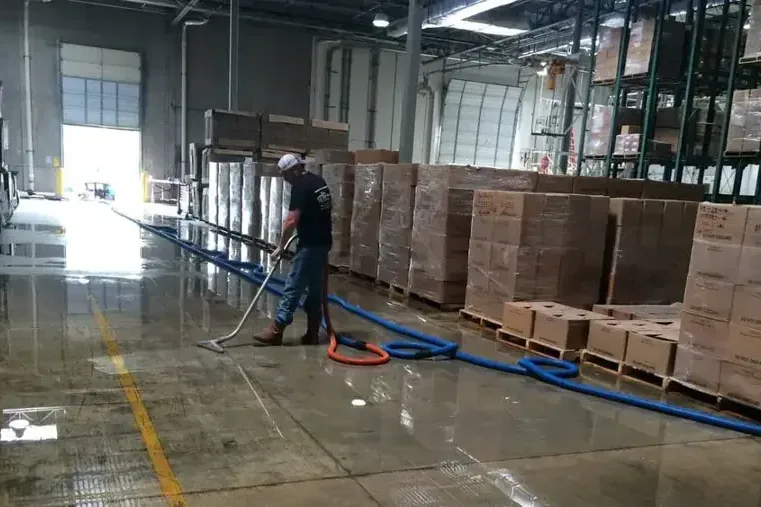
First steps for commercial water damage
- Secure the affected zone
Management keeps employees and visitors outside wet or unstable areas and preserves emergency access until the hazards have been assessed.
- Identify an authorized contact
The business names a person who can arrange keys, approve access and explain tenant or operating restrictions during the assessment.
- List priority contents
Staff identify vulnerable stock, records and equipment from a safe location, avoiding unplanned movement through contaminated water or electrical hazards.
- Describe the building conditions
Dispatch reviews affected rooms, water source and occupancy through 24/7 assistance so the assessor can plan safe routes and appropriate equipment.
What does commercial water damage cost in Morrow, GA?
Commercial water damage mitigation often starts around $2,500 and can exceed $20,000 as the affected area and complexity grow. Contents handling, contamination, access restrictions and dense assemblies change the scope. The contractor provides an itemized assessment rather than a universal business-loss price.
Limited business room
- Localized extraction
- Initial work zone
- Documented material checks
Multiple occupied spaces
- Phased equipment routes
- Broader moisture map
- Management coordination
Large or complex loss
- Several drying zones
- Extensive removal planning
- Detailed progress reporting
Water category, wet area, material class and the delay before drying change the total. The water damage cost calculator compares a planning range before an on-site assessment.
The commercial water damage process
- 1
Define access and authority
The assessor reviews occupancy, source status and building hazards with the authorized contact, recording who approves work and which routes remain available.
- 2
Recover water within controls
The crew extracts accessible water and manages required removals while maintaining the agreed boundary between restoration work and unaffected business activity.
- 3
Monitor separate drying zones
Equipment and readings follow the materials in each zone, with updates that explain progress, access changes and any conditions affecting the mitigation schedule.
- 4
Deliver the measured handoff
The completion record distinguishes retained dry assemblies, removed finishes and remaining specialist work, allowing management to coordinate reconstruction and operational decisions.
Water in a business can affect stock, records, access routes and the building at the same time. The first assessment identifies the source and the areas that cannot remain occupied safely. The contractor coordinates with the authorized contact rather than promising uninterrupted operations. A clear work boundary helps staff understand which spaces are restricted and which decisions remain with management.
Planning around the actual business space
Retail premises around Southlake Mall may need protected stock and a separate customer route. Along Southlake Parkway, an office or service business may have rooms with different access schedules. Near Clayton State University, building management may need to coordinate access with occupants or maintenance staff. The scope should record these constraints alongside the wet materials.
The assessor checks whether water crossed partitions, affected floor assemblies or reached stored contents. The business identifies priority items from a safe position. Equipment access, temporary relocation and disposal decisions need authorization. A room that can be entered by restoration workers is not automatically suitable for customers or employees.
- Name the person authorized to approve access and scope changes.
- Identify critical contents without allowing staff into an unsafe wet zone.
- Keep emergency exits and agreed equipment routes clear.
- Record affected tenant spaces separately when a loss crosses an occupancy boundary.
Extraction and drying in defined zones
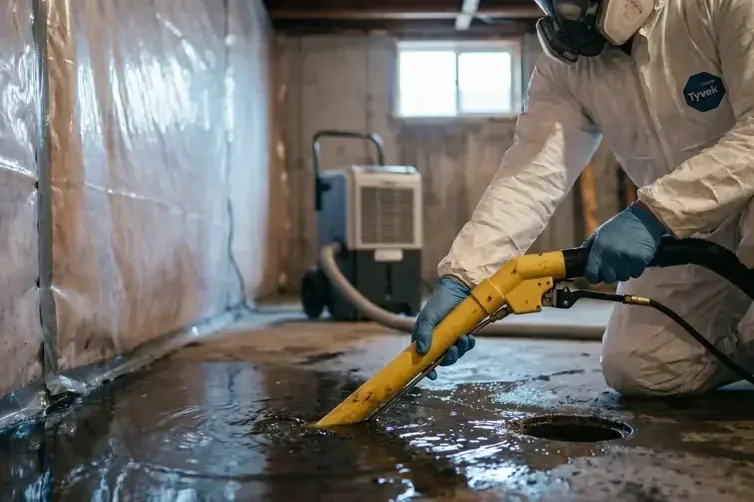
The crew removes accessible water and assesses contamination before establishing airflow. Where conditions permit, the contractor separates wet work from unaffected areas. A sewage or outdoor-water loss requires the appropriate containment and material-removal decisions before ordinary drying. Operating needs do not replace those controls.
Water extraction and dehumidification are selected for the accessible wet area and materials. The team logs conditions in each drying zone, especially where finishes or layouts differ. Staff should not move equipment to reduce inconvenience without discussing the effect on the drying plan and safe power arrangements.
Business personnel should avoid wet electrical equipment, unstable ceilings and contaminated rooms. Moving stock through the wet zone can spread contamination or expose workers to hazards. Management should keep occupants outside the affected boundary and arrange the appropriate utility or emergency response for immediate dangers. The restoration contractor then assesses safe access and explains the conditions required for mitigation work.
Documenting decisions for the repair handoff
A commercial scope should distinguish building mitigation, contents handling and later reconstruction. Photographs and reading locations make those decisions easier to review. The contractor records which materials remain and how their condition changes. Management can then plan the next stage using measured information instead of assuming a business reopening date from the first equipment delivery.
- Initial records identify each affected room and the observed water source.
- Contents inventories remain separate from structural removal records.
- Equipment logs explain work zones, adjustments and material progress.
- The structural drying record supports the final handoff while management determines operational readiness with the relevant professionals.
How the commercial water damage work progresses
Define access and authority
The assessor reviews occupancy, source status and building hazards with the authorized contact, recording who approves work and which routes remain available.
Recover water within controls
The crew extracts accessible water and manages required removals while maintaining the agreed boundary between restoration work and unaffected business activity.
Monitor separate drying zones
Equipment and readings follow the materials in each zone, with updates that explain progress, access changes and any conditions affecting the mitigation schedule.
Deliver the measured handoff
The completion record distinguishes retained dry assemblies, removed finishes and remaining specialist work, allowing management to coordinate reconstruction and operational decisions.
Commercial Water Damage coverage in Morrow
The restoration team covers ZIP codes 30260 and 30287, including properties along Jonesboro Road, Morrow Road, Southlake Parkway and Mt Zion Road. Dispatch reviews the affected rooms, safe access and the source of the water before the site assessment.
See the service areas and ZIP codesRelated water damage services


Commercial Water Damage questions in Morrow
Can the business remain open during mitigation?
That depends on contamination, electrical and structural safety, access and the ability to separate work zones. The contractor explains the observed conditions. Management coordinates occupancy decisions with the appropriate professionals rather than relying on a blanket promise.
Who approves work in a leased space?
The authorized owner, property manager or tenant contact establishes access and approval responsibilities under the relevant agreement. The contractor needs a clear point of contact before scope changes. Separate tenant and building damage should be documented distinctly.
Can equipment operate around business hours?
The drying plan may require continuous operation to maintain the intended environment. Access and noise concerns should be discussed early. Interruptions or equipment moves can change progress, so the contractor explains any tradeoffs in the proposed schedule.
How are records and stock handled?
Management identifies priorities while the assessor determines safe access and exposure. Contents assessment and handling are recorded separately from the building scope. Staff should avoid moving items through contaminated areas or near wet electrical equipment.
What should progress reports show?
Useful reports identify wet zones, material readings, equipment changes, removal decisions and remaining access issues. Those details explain the condition of the building more clearly than a general statement that drying continues. They also support the repair handoff.
Does drying completion mean the premises can reopen?
Drying verification addresses retained wet materials. Operational readiness can also depend on repairs, utilities, contents and other building requirements. Management uses the mitigation record alongside those separate considerations when planning renewed occupancy.
Give the recovery work a clear scope
The commercial team documents wet zones and drying progress, with 24/7 dispatch for water entering working premises.
(888) 532-4616Arrange the commercial assessment