Storm Flood Cleanup in Hapeville
Mud at a doorway signals a different problem from a clean supply leak. Hapeville flood cleanup assesses what outside water contacted, establishes restricted work areas and separates interior recovery from the drainage issue outside.
(888) 532-4616Discuss the flood entry area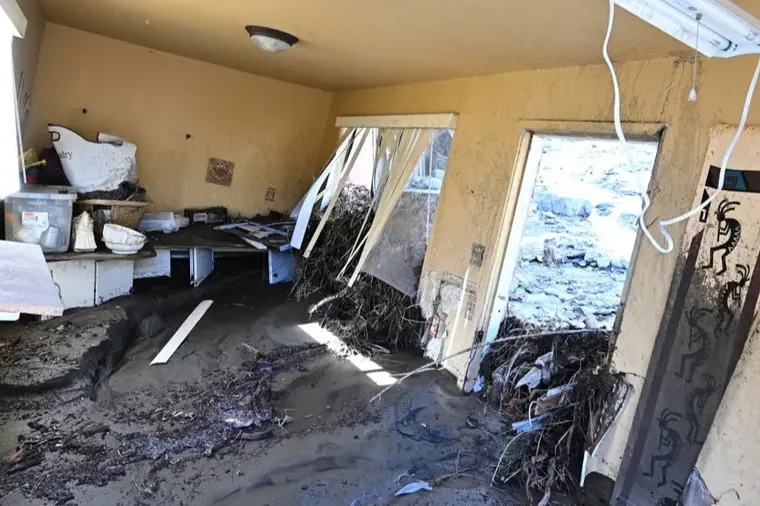
First steps for storm flood cleanup
- Stay outside unsafe water
Occupants avoid flooded rooms until electrical and structural conditions are assessed, keeping pets and children away from water, sediment and exposed damaged materials.
- Document the entrance safely
Images taken from dry stable ground can show the entry opening, deposited debris and affected contents without requiring an occupant to cross contaminated surfaces.
- Report exterior drainage concerns
The property contact uses the city's reporting process for outside drainage issues while arranging a separate assessment of water and materials inside the building.
- Separate clean belongings
Unexposed possessions remain away from wet items, and the cleanup team plans a controlled removal route before carrying damaged contents through other occupied areas.
What does storm flood cleanup cost in Hapeville, GA?
Storm flood cleanup in Hapeville has planning ranges from $2,500 to $12,000+. Contamination, deposited debris, porous material removal and room access drive the scope. Exterior drainage corrections, replacement finishes and other reconstruction should be clearly separated when they are outside interior mitigation pricing.
Limited ground-water entry
- Defined entry footprint
- Accessible debris removal
- Limited porous exposure
Several flooded rooms
- Connected contaminated surfaces
- Expanded contents handling
- Multiple drying areas
Extensive interior flooding
- Broad material removal
- Complex cleaning access
- Substantial equipment needs
Water category, wet area, material class and the delay before drying change the total. The water damage cost calculator compares a planning range before an on-site assessment.
The storm flood cleanup process
- 1
Establish the affected zone
Inspection records how outside water entered, which surfaces it contacted and any hazards limiting access, creating a practical boundary for the cleanup work area.
- 2
Remove water and debris
Controlled handling reduces liquid and sediment while exposed contents are assessed separately, keeping the removal route distinct from clean rooms and unaffected belongings.
- 3
Prepare serviceable materials
The crew explains removal decisions and cleans suitable remaining surfaces, opening obstructed areas where contaminated or wet materials would otherwise remain concealed from inspection.
- 4
Dry and record the structure
Moisture checks follow the cleaned assembly and support equipment adjustments, with the closing record identifying outstanding reconstruction and any unresolved entry concerns needing separate repair.
Once outside water crosses an entrance, cleanup needs to account for the surfaces and possessions it reached. A receding pool can leave sediment beneath furniture and along wall edges, while porous materials remain wet. The initial assessment separates a safe access route from the affected rooms and documents visible entry points before removal changes the scene.
Keep drainage reporting and interior work connected
Hapeville operates a Storm Water Utility and directs drainage concerns through Report A Concern. Reporting an outside drainage problem and arranging indoor cleanup serve different purposes. The property contact can document both, while the restoration team maps the water that actually entered and evaluates the materials along that path.
Central Avenue and Dogwood Drive are local ward references, and Virginia Park is a residential neighborhood. At an affected address within town, photographs of the entrance and adjoining rooms help describe the immediate loss. Interior scope follows deposited debris and material exposure rather than assumptions about an entire street or neighborhood.
Decide what can be cleaned before drying
Floodwater contact changes how belongings and building finishes are handled. A washable hard surface presents a different cleanup task from absorbent backing or saturated insulation. The crew identifies affected items, establishes a removal route and explains which materials need disposal or further assessment before equipment operates in the remaining space.
- Thresholds can trap sediment where a floor covering meets an exterior opening.
- Cabinet interiors need inspection when water reached their lower shelves or bases.
- Upholstered contents should remain separated from belongings outside the affected area.
- Wall cavities may retain dirty water after the central floor becomes visible.
Occupants should avoid floodwater, wet electrical equipment and rooms with uncertain structural conditions. Household fans should not be used to blow air across dirty water or deposited debris. The team needs to establish appropriate handling and cleaning before normal traffic or drying airflow moves through the affected spaces.
Build a recovery scope from the exposed surfaces
After water and debris removal, the remaining surfaces can be evaluated for cleaning and drying access. Structural moisture control then addresses retained water within suitable materials. The record should show what was removed, what was cleaned and which surfaces remain part of the drying setup.
If a drain backup also affected the property, sewage cleanup assessment helps define that additional exposure. Owners should keep exterior drainage correspondence separate from mitigation invoices while retaining both in the loss record. Reconstruction can then be planned around the condition of the cleaned structure and any repairs still needed to limit renewed entry.
How the storm flood cleanup work progresses
Establish the affected zone
Inspection records how outside water entered, which surfaces it contacted and any hazards limiting access, creating a practical boundary for the cleanup work area.
Remove water and debris
Controlled handling reduces liquid and sediment while exposed contents are assessed separately, keeping the removal route distinct from clean rooms and unaffected belongings.
Prepare serviceable materials
The crew explains removal decisions and cleans suitable remaining surfaces, opening obstructed areas where contaminated or wet materials would otherwise remain concealed from inspection.
Dry and record the structure
Moisture checks follow the cleaned assembly and support equipment adjustments, with the closing record identifying outstanding reconstruction and any unresolved entry concerns needing separate repair.
Storm Flood Cleanup coverage in Hapeville
Hapeville flood cleanup planning focuses on the property where outside water entered. For affected spaces in ZIP 30354, the initial account should identify entry openings, remaining water, deposited debris and any rooms that cannot be reached safely.
The same service nearby: storm flood cleanup in Morrow, Forest Park, Riverdale.
Water damage restoration in Hapeville · every town coveredRelated water damage services in Hapeville


Storm Flood Cleanup questions in Hapeville
Is receding floodwater enough to make a room usable?
A drained room can retain contamination, wet porous materials and electrical hazards. Appropriate assessment, removal and cleaning should precede normal use, with drying decisions based on the condition of the remaining structure and contents.
Who receives an outside stormwater concern locally?
The city directs residents to Report A Concern for stormwater issues. That report addresses drainage concerns, while an interior restoration assessment documents water entry, affected rooms and the cleanup tasks needed inside the building.
Can household fans speed the first cleanup stage?
Airflow across dirty water or sediment can distribute material into adjoining spaces. The initial task is to establish controlled handling and suitable cleaning, then arrange drying equipment around the surfaces that remain appropriate to retain.
Should all soaked belongings be moved to another room?
Moving exposed items without a handling plan can spread residue through clean areas. The team can assess each group of contents and establish a protected route before relocation, cleaning or disposal decisions are carried out.
Why inspect behind baseboards after water recedes?
Water and debris can remain at wall bottoms or enter a cavity through lower edges. Checking those interfaces helps identify contaminated or wet materials that are hidden once the open floor appears relatively clean.
Does flood cleanup correct exterior drainage automatically?
Interior mitigation and drainage correction are separate scopes. The owner should confirm which contractor handles each task and retain the inspection findings so the repaired interior is not exposed again through an unresolved entry problem.
Organize the flooded room recovery
Clear handling boundaries and material decisions prepare the property for cleaning, drying and the repairs needed after outside water has entered.
(888) 532-4616Assess flood cleanup scope