Burst Pipe Water Damage in Morrow, GA
A failed supply pipe can feed water into several rooms before the valve closes. The Morrow mitigation crew extracts the released water, checks concealed cavities and records the drying progress after plumbing repair.
(888) 532-4616Pipe spraying water? Call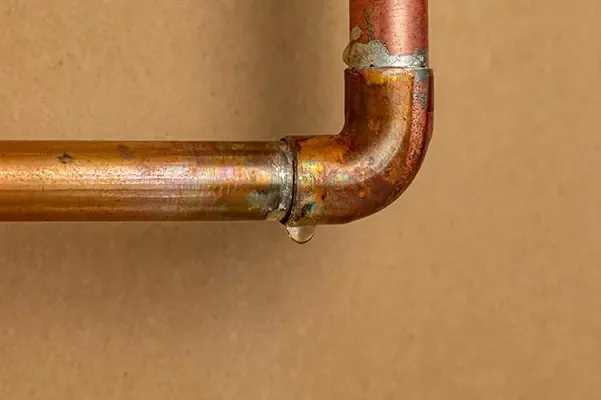
First steps for burst pipe water damage
- Close a reachable valve
The owner uses an accessible fixture or main shutoff only from a dry, safe position; a broken or inaccessible valve needs plumbing assistance.
- Avoid wet power
Household members leave wet outlets and electrical equipment alone, keeping clear of the room until a safe working boundary has been established.
- Tell the building contact
A tenant alerts the property manager when shared services or adjoining units may be involved, helping arrange access without delaying the source response.
- Describe the leak path
Dispatch needs the release point, floors affected and repair status; 24/7 assistance starts with a clear account of where the water traveled.
What does burst pipe water damage cost in Morrow, GA?
Burst pipe water damage cleanup often ranges from $1,000 to $6,000, depending on the released water and concealed saturation. Multiple floors, contaminated cavities or extensive removal increase the total. Pipe repair and rebuilding finishes are separate items unless the written scope includes them.
Contained release
- One-room extraction
- Limited wet trim
- Initial drying setup
Concealed wet cavities
- Selective wall access
- Insulation assessment
- Daily material readings
Multiple room loss
- Larger wet boundary
- Additional equipment
- Detailed removal scope
Water category, wet area, material class and the delay before drying change the total. The water damage cost calculator compares a planning range before an on-site assessment.
The burst pipe water damage process
- 1
Establish the water route
The technician reviews the failed pipe and shutoff status, then measures adjoining floors and partitions to define the loss beyond the repair opening.
- 2
Recover the released water
The crew extracts accessible water and protects dry spaces, explaining which saturated materials prevent effective cavity drying and need controlled removal.
- 3
Dry the retained structure
Directed airflow and LGR dehumidification reduce moisture in exposed assemblies, while daily readings identify stalled areas that need changes to the setup.
- 4
Document the handoff
The contractor records final moisture conditions and remaining repairs, giving the owner a clear boundary between completed mitigation and the reconstruction that follows.
The sound of running water inside a wall or a sudden spray beneath a fixture calls for source control first. A pipe repair stops new water, but the released volume can remain behind trim, inside insulation or beneath flooring. The assessment traces the route from the failed fitting to every affected room rather than treating the repair opening as the whole loss.
Following a supply release through the building
For properties along Mt Zion Road, a wet cabinet may lead the inspection into a neighboring room. Around Clayton State University, tenant and manager coordination can determine access to a shared plumbing space. At a business near Southlake Mall, the team also needs to protect inventory and define a safe route for hoses. These access questions belong in the first assessment.
Fresh supply water can change condition as it contacts dirty cavities and remains in the building. The assessor considers the source, contact surfaces and time involved before deciding what can be dried in place. A familiar plumbing location does not remove the need to examine the water's path.
- Photograph the failed fitting and visible damage before repair when safe access permits.
- Check the other side of affected partitions for damp trim or flooring.
- Record wet insulation and enclosed voids that airflow cannot reach without access.
- Separate the plumber's repair invoice from the mitigation scope and later finish repairs.
Opening only what the drying plan needs
Controlled openings let the crew assess saturated materials and reach hidden cavities. The contractor explains removal decisions before cutting, including material stability and any contamination. Retained framing receives readings at consistent locations so the drying trend can be compared from one visit to the next.
Water extraction reduces the initial load before dehumidifiers manage evaporation. Air movers serve accessible wet surfaces; they do not repair a leak or dry through every intact finish. A cavity that remains wet may need a different access method, not simply another day of air blowing across the room.
A homeowner should not hold a broken pipe beside wet electrical equipment or remove a ceiling panel beneath active water. The safer response is to withdraw, keep the area clear and close an accessible valve from a dry location. If the valve cannot be reached safely, the appropriate emergency or utility service must address the hazard before restoration work starts.
Checking adjoining rooms after the repair
A room can look better immediately after extraction while moisture remains under a wall plate or floor covering. Daily measurements establish whether those locations continue to improve. The repair schedule should follow the actual condition of retained materials, especially where a new finish would prevent further evaporation.
- The initial map identifies the release point and the wet boundary in each room.
- Equipment notes explain changes in airflow, humidity control and access.
- Dry comparison materials provide context for the final reading.
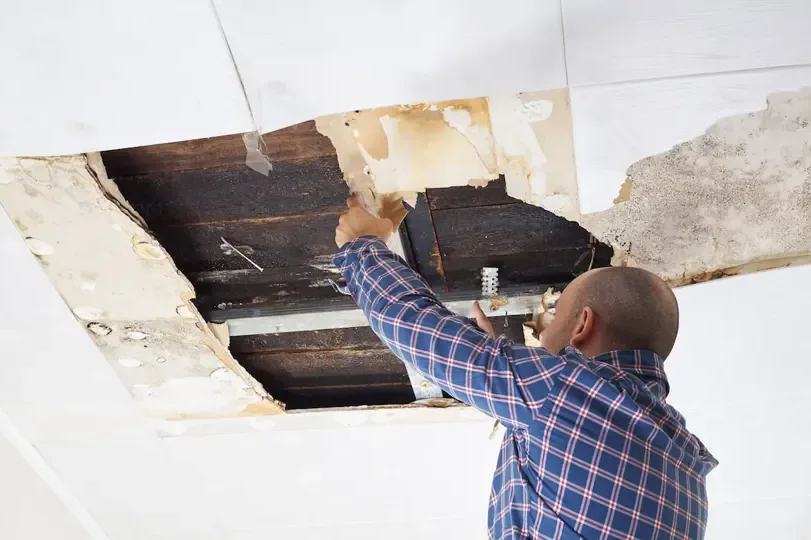
- A ceiling-leak assessment addresses overhead damage when the supply failure occurred above a finished room.
How the burst pipe water damage work progresses
Establish the water route
The technician reviews the failed pipe and shutoff status, then measures adjoining floors and partitions to define the loss beyond the repair opening.
Recover the released water
The crew extracts accessible water and protects dry spaces, explaining which saturated materials prevent effective cavity drying and need controlled removal.
Dry the retained structure
Directed airflow and LGR dehumidification reduce moisture in exposed assemblies, while daily readings identify stalled areas that need changes to the setup.
Document the handoff
The contractor records final moisture conditions and remaining repairs, giving the owner a clear boundary between completed mitigation and the reconstruction that follows.
Burst Pipe Water Damage coverage in Morrow
The restoration team covers ZIP codes 30260 and 30287, including properties along Jonesboro Road, Morrow Road, Southlake Parkway and Mt Zion Road. Dispatch reviews the affected rooms, safe access and the source of the water before the site assessment.
See the service areas and ZIP codesRelated water damage services


Burst Pipe Water Damage questions in Morrow
Should the main valve stay closed?
A plumbing professional determines when the repaired system can return to service. Restarting the supply before the failure is controlled can repeat the damage. The restoration team needs to know the repair status before judging whether moisture is still entering.
Is a small fitting failure still an emergency?
A small opening in pressurized plumbing can release substantial water while unnoticed. The urgency depends on ongoing flow, electrical hazards and affected materials. Source control and prompt measurement help limit the area that requires drying or removal.
Can the crew dry inside the wall?
The assessment determines whether the cavity can be accessed and whether its materials remain suitable for drying. Wet insulation or damaged board may obstruct airflow. The contractor explains the access plan and verifies the retained framing with measurements.
Why check the next room?
Water can travel beneath walls and floor coverings. The adjacent room may be wet before stains appear. Readings beyond the obvious puddle help prevent hidden damage from being missed when the first room is extracted.
Does clean supply water mean everything stays?
The original source is one factor. Contact with contaminated surfaces, time and material deterioration can change the removal decision. The technician assesses the condition at the property rather than promising that every finish can be saved.
What records help with a claim?
The pipe repair details, initial photographs, room measurements and daily drying logs help explain the event and response. The owner discusses coverage directly with the insurer, including any distinction between the failed plumbing and resulting water damage.
The pipe is repaired. Check the structure next.
The drying crew addresses the remaining water and documents the retained materials, with 24/7 dispatch for active losses.
(888) 532-4616Discuss the burst-pipe dry-out