Water Damage Restoration Morrow, GA
Water moves beyond the first visible puddle. The Morrow restoration team extracts standing water, checks hidden wet layers and dries retained materials to a documented goal, with 24/7 dispatch for active losses.
(888) 532-4616Water crossing the room? CallThe assessment starts with the source, affected rooms and safe access, then follows the water into adjoining materials.
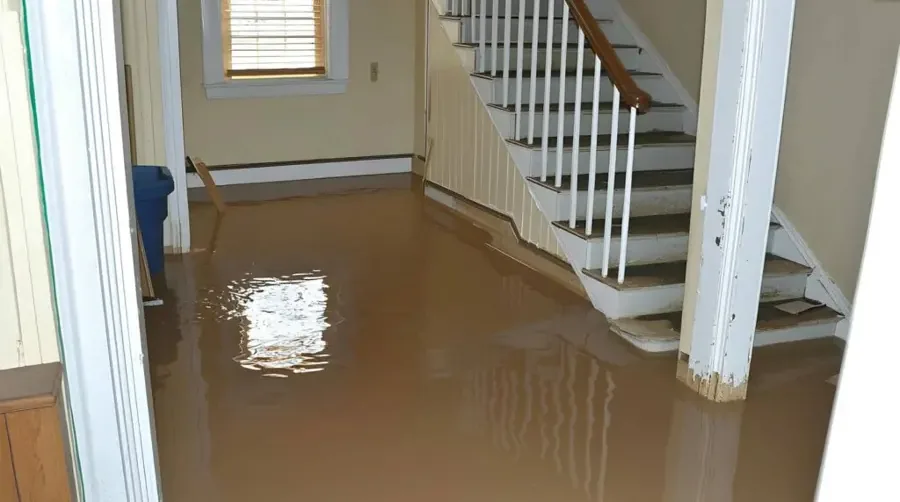
Water Damage Restoration Services in Morrow, GA
A leaking supply, dirty drain backup and wet ceiling need different work. Each service addresses its own hazards, material decisions and drying sequence.

Water Extraction
Pumps and extraction tools remove accessible water before the crew measures what remains in floor layers and wall bases.
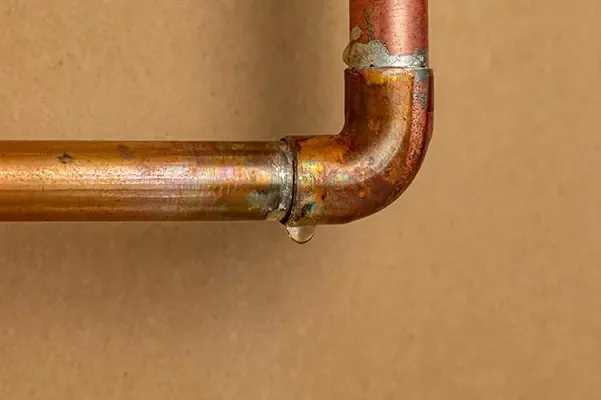
Burst Pipe Water Damage
A repaired pipe can leave wet cavities behind. The assessment follows the release through partitions and adjoining rooms.
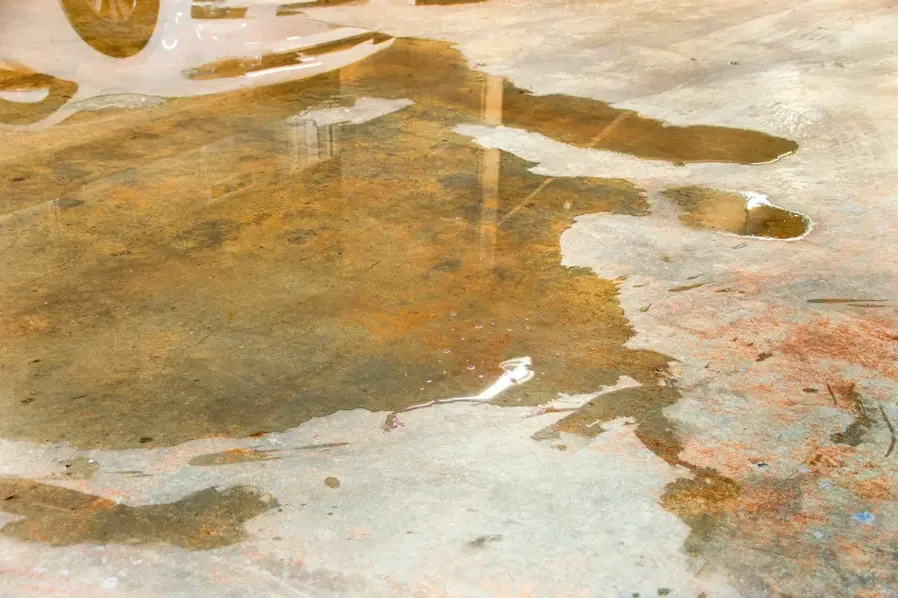
Slab Leak Water Damage
Damp floors and warm patches prompt source investigation, followed by drying of affected slab finishes, cabinets and wall edges.
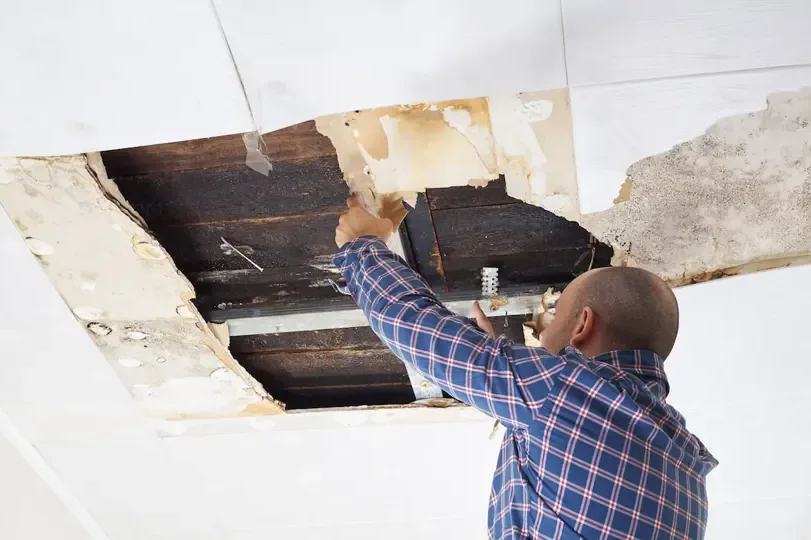
Ceiling Leak Water Damage
Overhead stains and sagging board need safe access, source tracing and checks above the visible ceiling surface.
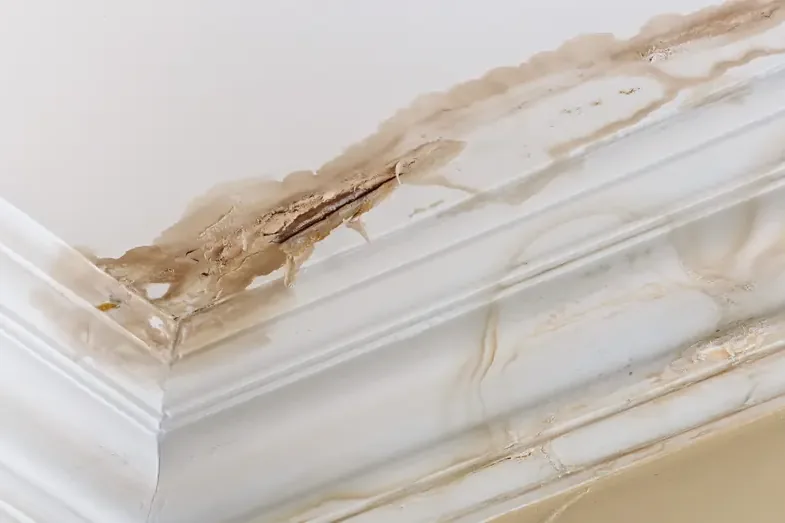
Roof Leak Water Damage
After roof-entry control, the team inspects wet insulation and the interior path through ceilings and upper walls.
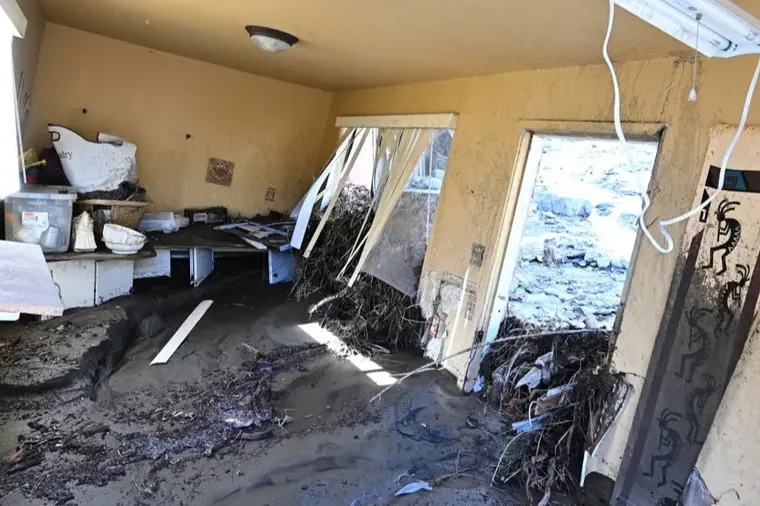
Storm Flood Cleanup
Outdoor water requires contamination controls, debris removal and cleaning before retained building materials enter the drying stage.
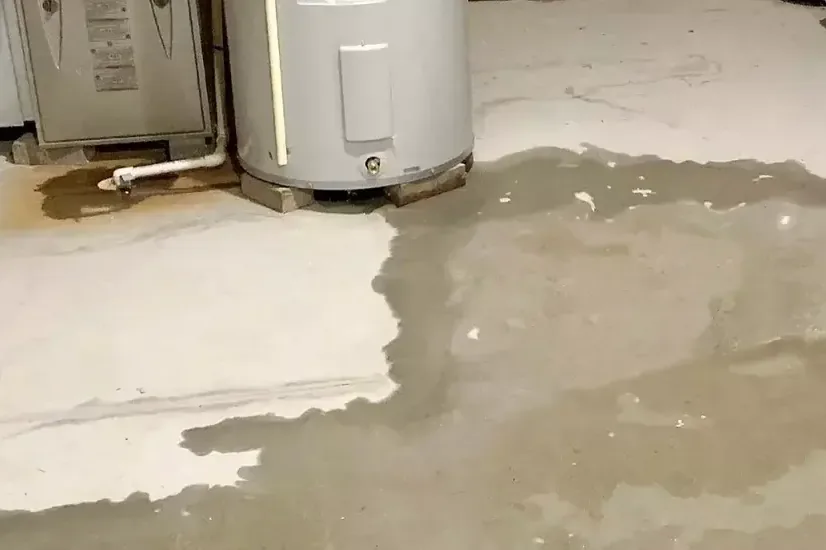
Water Heater Leak Cleanup
Tank releases can escape a closet into adjoining rooms. The scope includes equipment safety and hidden perimeter moisture.
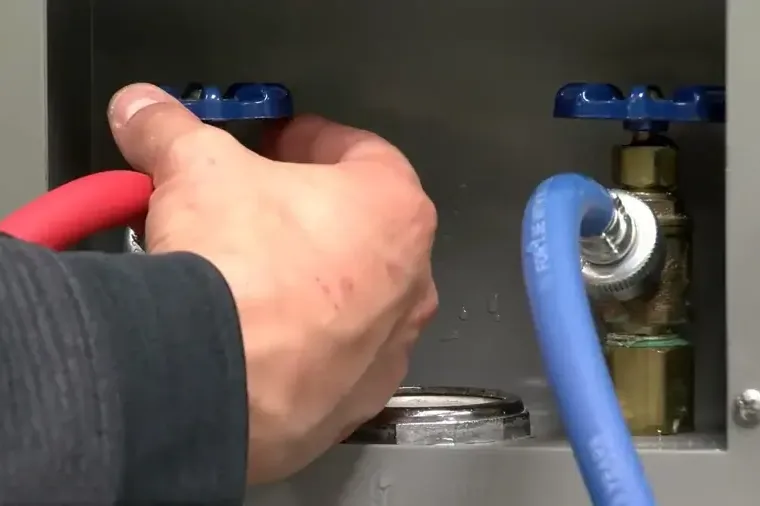
Appliance Leak Water Damage
Washer, dishwasher and refrigerator water can collect beneath cabinets or floor coverings, requiring access beyond the machine footprint.
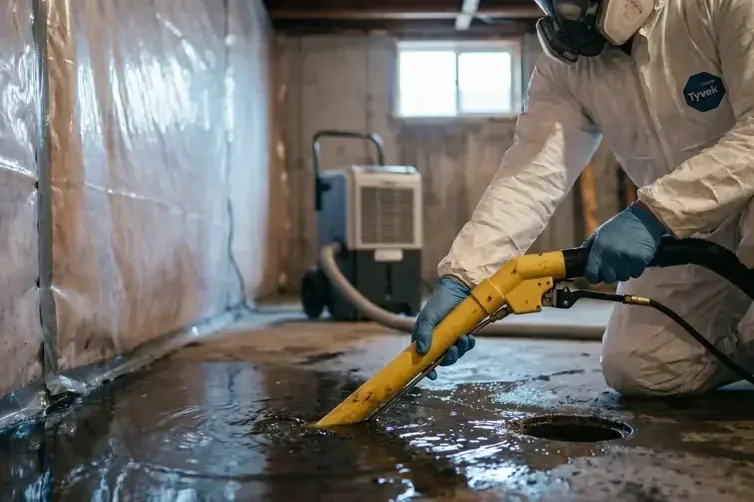
Sewage Backup Cleanup
Category 3 wastewater calls for protected removal, disposal of contaminated porous materials and cleaning of retained surfaces.

Hardwood Floor Water Damage
Board and subfloor measurements guide targeted drying, access decisions and the timing of any later floor repairs.

Structural Drying
Airflow and dehumidification work together while repeatable material readings show whether the retained assembly reaches its drying goal.
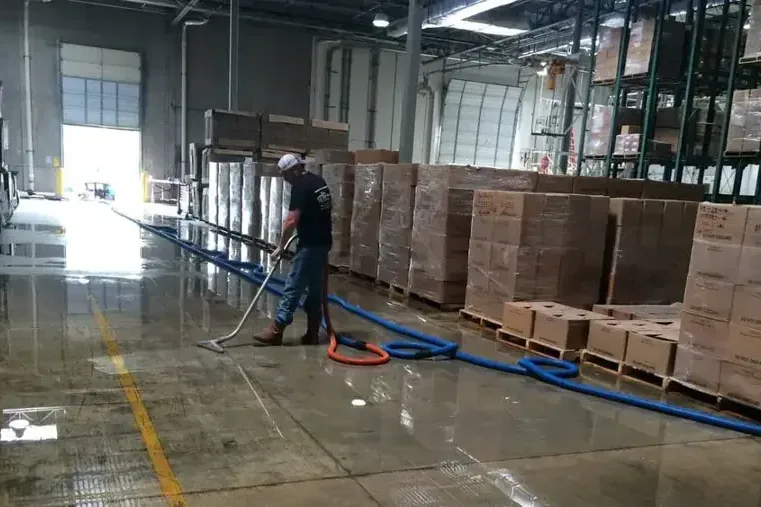
Commercial Water Damage
Business mitigation coordinates wet zones, contents and authorized access, with documentation for the building repair handoff.
How a water loss moves toward recovery
- 1
Assess the source
The technician identifies the origin and water category, checks access hazards and marks the affected assembly before equipment placement begins.
- 2
Remove the free water
The extraction crew recovers accessible water, then documents damaged materials and explains any openings needed to reach concealed wet layers.
- 3
Manage retained moisture
Air movers support evaporation while dehumidifiers control humidity, with readings showing which parts of the assembly continue to need attention.
- 4
Verify the endpoint
The team compares material readings against the drying goal and records the result before the owner schedules replacement finishes or other repairs.
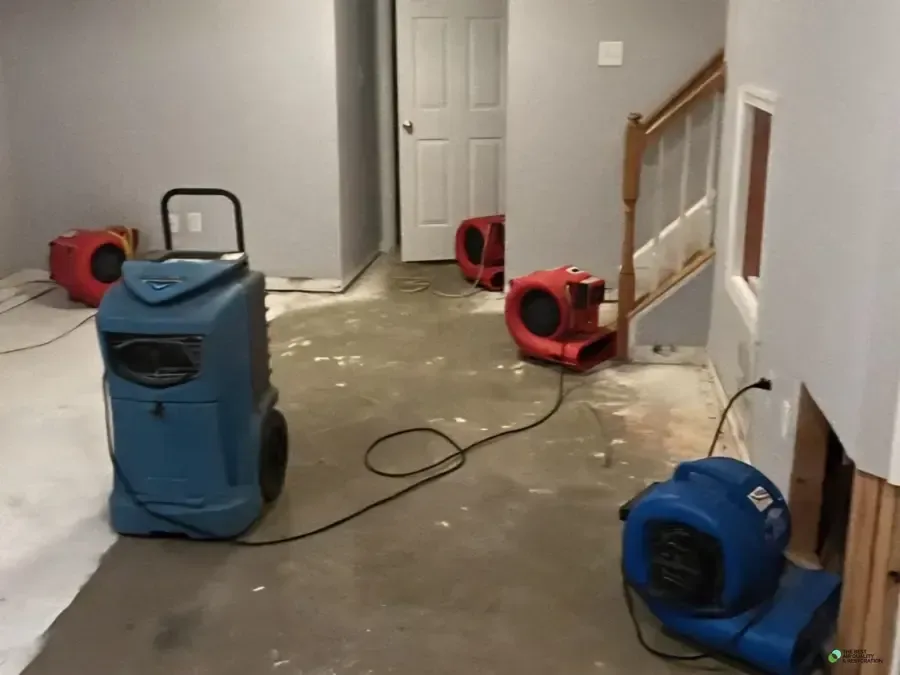
Follow the water through the whole assembly
A floor may look clear while moisture remains below a covering. The assessment checks the route into wall bases, cabinets and adjoining spaces, then explains what the drying equipment can reach.
Source-aware response
The team distinguishes an active plumbing release, roof entry and contaminated backup before deciding how extraction should begin.
Measured retained materials
Readings compare wet assemblies with appropriate references, so a comfortable room does not conceal a damp structural layer.
Clear removal decisions
The contractor explains damaged materials and evaporation barriers before opening finishes or disposing of saturated porous components.
A documented handoff
Photographs, equipment records and completion readings help the owner understand what mitigation finished and what repair work remains.
What does water damage restoration cost in Morrow, GA?
A limited water loss may cost about $1,000 to $3,000 to mitigate, while multiple rooms or contaminated materials can push the scope to $8,000 or more. The source, wet area, access and drying response determine the actual work.
Limited clean-water loss
- Localized extraction
- Accessible wet surfaces
- Initial drying checks
Several affected rooms
- Expanded moisture map
- Selective material access
- Multiple equipment positions
Complex contaminated loss
- Protected removal routes
- Cleaning and disposal
- Detailed drying verification
These are planning ranges for mitigation. Source repairs, contents work and reconstruction may be separate. The written assessment identifies the materials, equipment and work included before a repair schedule takes shape. Compare cost factors
What a water damage dry-out looks like in Morrow
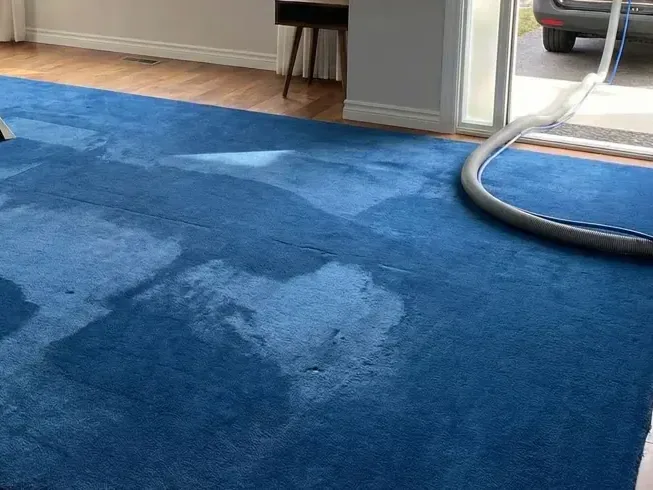
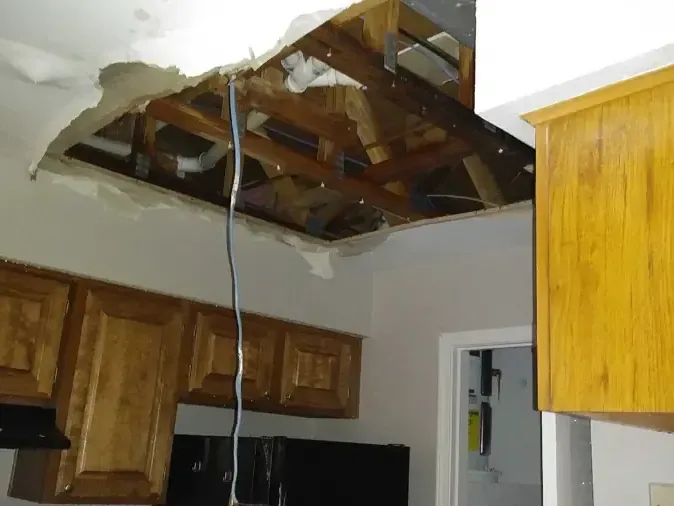
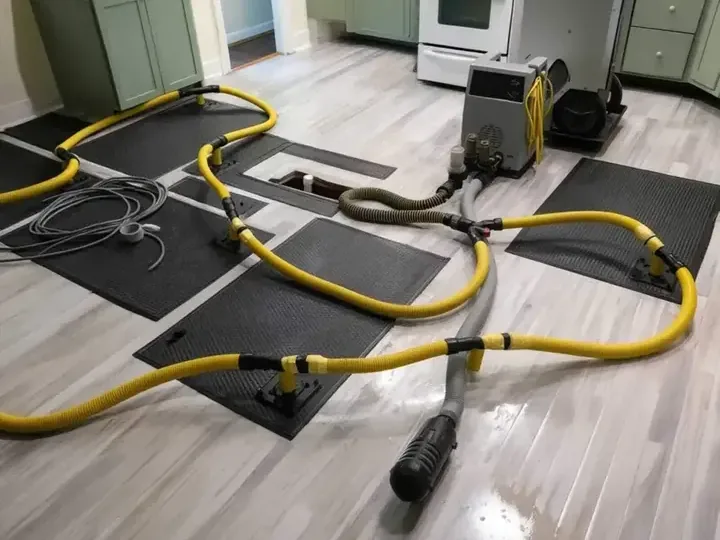
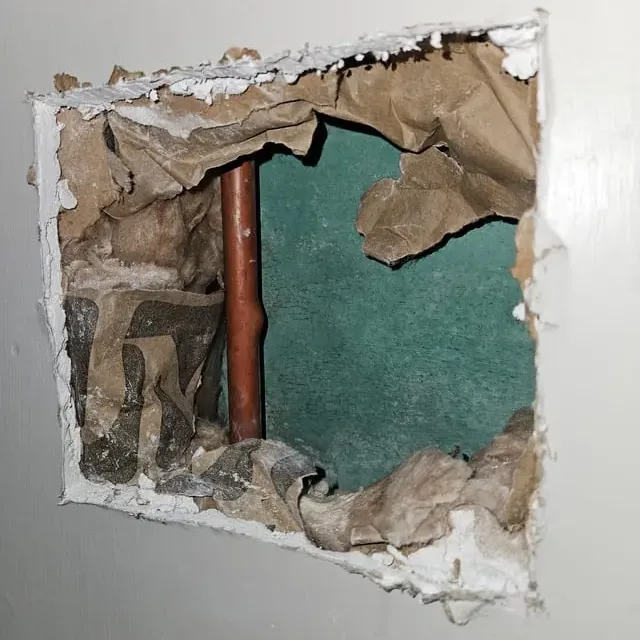
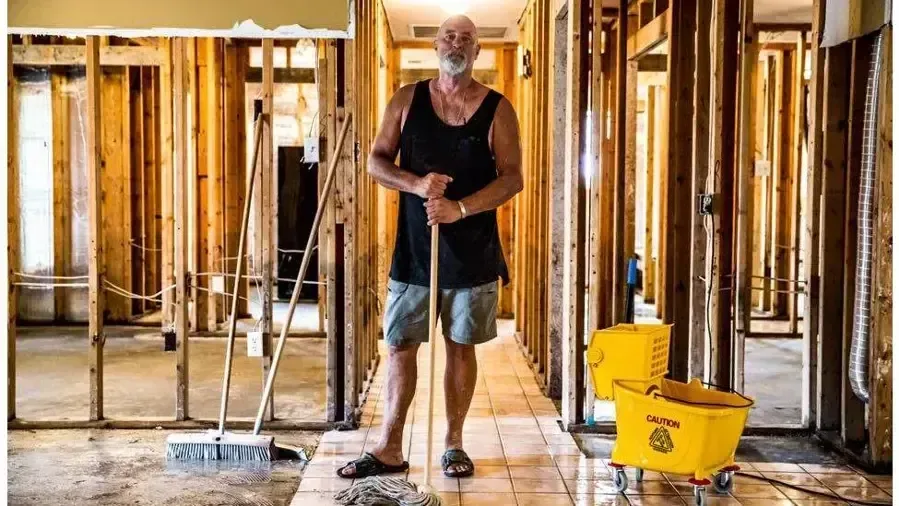
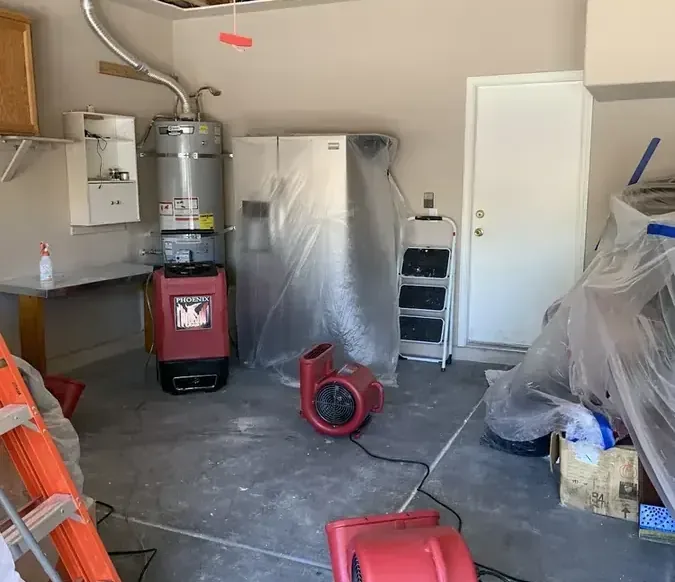
Water damage dried to the IICRC S500 standard
A useful drying plan follows water through the building and records the retained materials. Equipment settings change with the measured response, and the completion decision follows a documented goal rather than appearance.
Documentation for your insurance claim
The mitigation file explains the observed damage and completed work. It preserves the original condition and the measured progress so the owner can discuss the loss with the insurer.
- Timestamped photos before removal or disposal.
- The initial moisture map and affected material list.
- Water category and material-class assessment.
- Daily psychrometric logs and equipment changes.
- An itemized scope and final material readings.
Check the applicable policy
Sudden plumbing damage, outdoor floodwater and sewer backups can fall under different provisions. The property owner checks the applicable coverage and reporting requirements directly with the insurer.
The contractor documents the work and observed conditions. A drying record supports the file but does not determine coverage, deductible or the insurer decision.
All water damage categories covered in Morrow, GA
Category 1: clean source
Fresh supply water still needs prompt extraction and inspection of every material it reached.
Supply-pipe damageCategory 2: used water
Appliance discharge and other used water call for contamination assessment before drying and retention decisions.
Appliance water damageCategory 3: contaminated water
Sewage and outdoor floodwater require protected removal, cleaning and disposal of unsuitable porous materials.
Sewage cleanup detailsOne call reaches Morrow water damage pros, 24/7
Roads and local destinations
Jonesboro Road · Morrow Road · Southlake Parkway · Mt Zion Road · Clayton State University · Southlake Mall
ZIP codes served
Nearby service areas
Describe the rooms that took water
Dispatch reviews the source, ongoing flow and safe access before the assessment. The condition of the building determines equipment needs and the first work priorities.
A manager or owner can help arrange access to adjoining spaces when water crosses a wall, floor transition or tenant boundary.
(888) 532-4616Review affected roomsSee towns and coverage detailsWhat to do while the water is still moving
- Stay on dry ground. Keep clear of wet electrical equipment, unstable ceilings and contaminated rooms before attempting to recover any belongings.
- Stop a safe supply source. Use a reachable shutoff only from a dry position; roof entry and drain backups need different source controls.
- Protect the household. Keep children and pets outside the affected area, and avoid tracking dirty water through otherwise dry rooms.
- Record visible damage. Photograph the initial condition from a safe place before moving items, opening finishes or disposing of materials.
- Describe the wet rooms. Dispatch needs the source, access conditions and affected surfaces to prepare the assessment and appropriate equipment.
Water damage help in nearby communities
Water damage questions in detail
Read the water damage articles for focused explanations of sources, wet materials and recovery decisions.
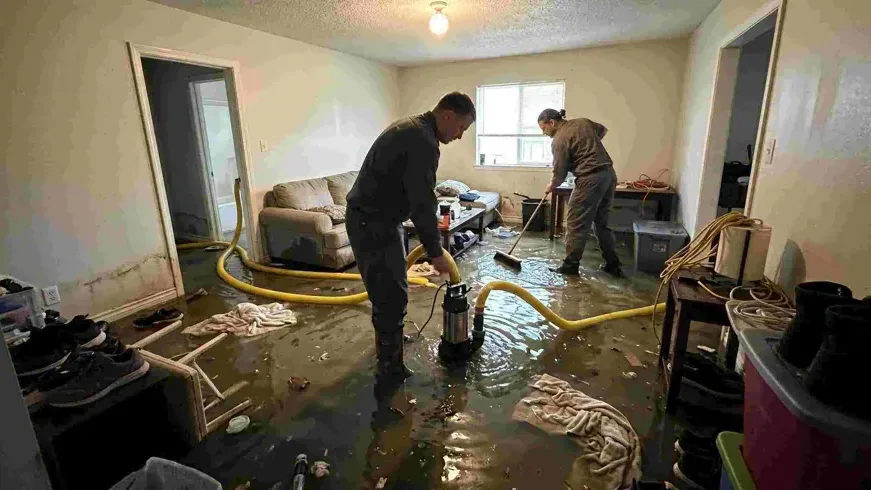
Local settings, property-specific water paths
Reynolds Nature Preserve includes wildlife ponds, and its land extends along Jesters Creek. Across nearby homes and business corridors, the assessment follows the actual source and entry path at each building.
Landscape and building access: The preserve, commercial corridors and institutional destinations create different settings for a loss. The water source and affected assembly determine the cleanup method.
- Jonesboro Road premises. An assessment starts with safe entry and the wet-room layout, including floor transitions that can carry water beyond the visible puddle.
- Southlake Mall area. Business losses need a building contact who can authorize access, identify vulnerable stock and keep occupants outside the affected work zone.
- Clayton State University area. Shared-building situations require coordination when a leak reaches another room or occupancy. Access matters before concealed cavities can be measured.
- Jesters Creek landscape. Outdoor entry calls for inspection of the property threshold or opening and contamination assessment before airflow and retained-material drying begin.
- Indoor supply and drain sources. A repaired pipe or appliance does not remove moisture already inside finishes. The team checks adjacent walls, cabinets and floor layers.
Morrow water damage questions
What should happen before anyone enters standing water?
Electrical hazards, unstable finishes and contamination need assessment first. Occupants should stay on dry ground and keep the area clear. Emergency or utility help may be needed for immediate hazards before the restoration crew can establish safe access.
Does a repaired leak mean the building is dry?
The repair controls the source, but retained moisture can remain in walls and flooring. Extraction and controlled drying address that water. Material readings establish whether the affected assembly is ready for replacement finishes rather than relying on the stopped drip.
How is a drying time decided?
The affected materials, access, humidity and initial saturation shape the schedule. Dense or concealed layers may take longer than exposed surfaces. The crew checks progress and adjusts the setup, using documented readings to decide when equipment can leave.
Why does sewage require a different cleanup?
Sewage is Category 3 and creates contamination as well as moisture. The crew uses protective controls, removes affected porous materials and cleans retained surfaces before drying. An ordinary fan-and-extraction approach cannot replace that sequence.
Can every wet material be saved?
Retention depends on contamination, condition and whether moisture can be reached effectively. Some finishes can dry in place; damaged or contaminated porous layers may need removal. The contractor explains those decisions and records the boundary before opening the assembly.
What determines the mitigation cost?
The water category, wet area, material type, access and equipment duration change the scope. Source repair and reconstruction may be separate. An itemized assessment makes those distinctions clear and shows which work the contractor has included.
What does the insurance documentation contain?
The file can include initial photographs, a moisture map, material decisions, equipment dates and final readings. The owner checks the policy with the insurer. Documentation explains the observed damage and work without promising a particular coverage outcome.
Can a business operate beside the work?
That depends on safety, contamination and whether a controlled boundary can separate the loss from occupied areas. Management coordinates access and operational decisions with the relevant professionals. The contractor explains the work-zone conditions instead of promising uninterrupted business.
What information helps at the first call?
The owner or manager can describe the source, affected rooms, ongoing flow and any electrical or ceiling concerns. Known access restrictions also help. Dispatch uses those details to prepare the assessment without requiring anyone to enter an unsafe area.
Find the wet layers before repairs cover them
The restoration team extracts water and verifies retained materials, giving the repair work a documented starting point.
(888) 532-4616Start the water-damage assessment