Appliance Leak Water Damage in Hapeville
The appliance may finish its cycle while water keeps moving beneath a cabinet. Hapeville appliance cleanup traces the spill beyond the equipment footprint, checking hidden flooring and adjacent finishes before repairs conceal the wet area.
(888) 532-4616Discuss water beneath the appliance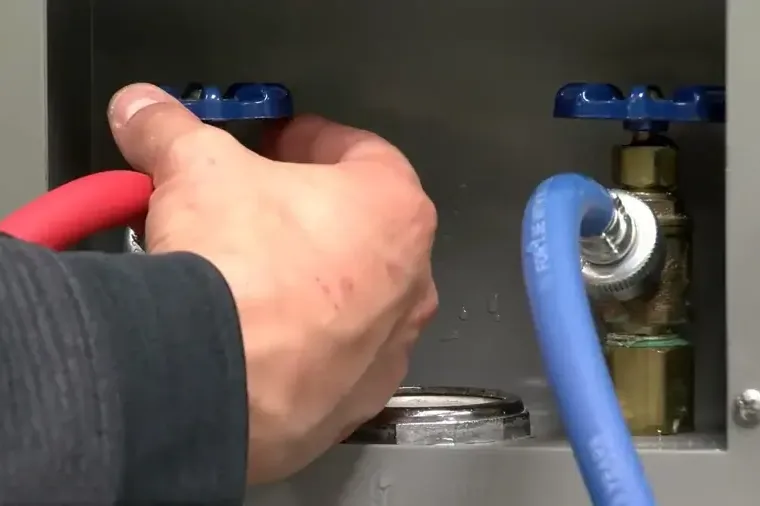
First steps for appliance leak water damage
- Stop the operating cycle
The occupant discontinues use of the leaking appliance and avoids wet electrical connections while arranging appropriate help to isolate the equipment or its water supply.
- Describe the timing
Notes about filling, draining or idle leakage help the service professional investigate the source while the mitigation team examines the surrounding floor and cabinetry.
- Arrange controlled equipment access
The owner or manager coordinates permission for appliance movement, ensuring connected hoses, wiring and nearby finishes are handled by the appropriate people during inspection.
- Keep the recess observable
Stored items outside the affected zone are organized to allow assessment, while soaked contents remain separate until their handling and cleaning needs have been evaluated.
What does appliance leak water damage cost in Hapeville, GA?
Appliance leak cleanup in Hapeville has planning ranges of $600 to $4,500+. Cabinet exposure, layered flooring and access behind equipment affect the work. Appliance servicing, replacement parts and reconstructed finishes should be identified separately when excluded from mitigation.
Limited accessible spill
- Open surface access
- Small wet footprint
- Limited edge inspection
Cabinet or layered floor
- Hidden recess assessment
- Affected cabinet bottoms
- Multiple floor layers
Extended concealed damage
- Connected cavity exposure
- Broader material decisions
- Restricted drying access
Water category, wet area, material class and the delay before drying change the total. The water damage cost calculator compares a planning range before an on-site assessment.
The appliance leak water damage process
- 1
Identify affected contact points
Inspection links the appliance recess with wet cabinetry, flooring and wall edges, recording the water's character and the operating circumstances reported when the leak appeared.
- 2
Coordinate access behind equipment
Safe movement or disconnection is arranged with the appropriate service professional so concealed surfaces become available without damaging connections or introducing another release during cleanup.
- 3
Treat residue and damaged layers
The team evaluates cleaning needs and explains any removal of swollen or unsuitable materials, preparing remaining surfaces for useful airflow and moisture measurements within the recess.
- 4
Confirm conditions before replacement
Drying checks and source repair status are examined before equipment returns, with remaining cabinet, flooring or wall repairs clearly identified for the owner's next work stage.
An unexpected wet sock in the kitchen can be the first sign of water escaping behind fixed equipment. By then, a spill may have reached a cabinet side, flooring seam or adjoining partition. The restoration assessment follows those contact points and records the appliance's operating condition without treating equipment repair as the complete solution to wet building materials.
Identify the release and the hidden footprint
Hapeville's housing includes newer single-family homes, apartments and townhomes. An appliance inspection must fit the installed arrangement, especially when moving equipment requires management approval or another trade. The initial account should distinguish water appearing during filling, draining or ordinary operation so the repair professional receives useful observations alongside the cleanup findings.
Virginia Park is one local neighborhood, while Central Avenue and Dogwood Drive appear in the city's ward boundaries. For a property in these areas, the practical cleanup conversation moves quickly from location to room layout. A dishwasher beneath a counter and a washer inside an enclosure present different access challenges that require individual inspection.
Check the edges that a mop cannot reach
Cabinet toe spaces and continuous floor coverings can conceal water after the open room has been wiped. The team checks material condition at accessible edges and explains when equipment movement or a small opening would reveal an otherwise hidden surface. Swelling, separated layers and trapped residue can affect the choice between cleaning, drying and replacement.
- Cabinet sides may wick moisture upward from contact with a wet floor.
- Appliance recesses can retain water behind a dry-looking front threshold.
- Floor covering seams allow liquid to reach an underlying pad or adhesive.
- Shared walls deserve inspection when wetting extends beyond the equipment alcove.
Occupants should avoid reaching behind energized equipment while standing on a wet floor. A stuck valve, damaged cord or uncertain connection needs the appropriate service professional. Running another cycle to reproduce the leak can add water to concealed areas, so diagnosis should proceed with controlled access rather than repeated household testing.
Finish the recess before returning equipment
When safe equipment movement exposes the recess, the crew can assess the floor and wall surfaces that were previously blocked. Floor moisture evaluation becomes relevant where wood is present, while other finish systems receive methods suited to their own materials and condition. The inspection also considers nearby stored contents.
After suitable cleaning or removal, drying inside the assembly addresses the surfaces that remain. Repair notes should show whether the equipment fault, supply connection or drain issue has been resolved. Returning an appliance over a still wet recess can make further inspection difficult, so the owner needs a clear handoff between source repair, moisture work and final placement.
How the appliance leak water damage work progresses
Identify affected contact points
Inspection links the appliance recess with wet cabinetry, flooring and wall edges, recording the water's character and the operating circumstances reported when the leak appeared.
Coordinate access behind equipment
Safe movement or disconnection is arranged with the appropriate service professional so concealed surfaces become available without damaging connections or introducing another release during cleanup.
Treat residue and damaged layers
The team evaluates cleaning needs and explains any removal of swollen or unsuitable materials, preparing remaining surfaces for useful airflow and moisture measurements within the recess.
Confirm conditions before replacement
Drying checks and source repair status are examined before equipment returns, with remaining cabinet, flooring or wall repairs clearly identified for the owner's next work stage.
Appliance Leak Water Damage coverage in Hapeville
Appliance leak assessments in Hapeville consider occupied homes, townhomes and apartments in ZIP 30354. The property contact can explain equipment access, cabinet layout and management requirements before the team evaluates the actual spread beyond the leaking appliance.
The same service nearby: appliance leak water damage in Morrow, Forest Park, Riverdale.
Water damage restoration in Hapeville · every town coveredRelated water damage services in Hapeville


Appliance Leak Water Damage questions in Hapeville
Can a small appliance spill hide larger damage?
Water can travel beneath a cabinet or continuous floor covering before reaching the open room. Inspection of those concealed edges establishes the scope more accurately than the visible puddle or the amount removed by a mop.
Should the appliance run again to locate the leak?
Another cycle can add water to an already wet recess. The equipment professional should investigate under controlled conditions, while the occupant reports when leakage appeared and avoids further operation until the source can be assessed.
Who moves an appliance during cleanup?
Movement must account for hoses, wiring and equipment condition. The appropriate service professional coordinates that work with the restoration team so the recess becomes accessible without creating a damaged connection or another release of water.
Why inspect cabinets beside the appliance?
Cabinet bottoms and side panels can absorb moisture from the floor or trap water in enclosed spaces. Their condition helps determine whether drying is practical or whether damaged sections need removal before adjacent materials can be treated.
Is appliance repair included in the cleanup estimate?
The agreement should specify that separately. Equipment diagnosis, parts and connection repairs differ from liquid removal, cleaning and drying, so the owner needs a clear list of the tasks handled by each professional involved.
Can equipment return when the floor feels dry?
A touch check does not assess every concealed layer. The drying team should assess the recess and nearby materials, then communicate remaining repair needs before the appliance once again restricts access to that part of the room.
Look beneath the finished surface
A repaired appliance belongs over a recess whose flooring, cabinet edges and wall contacts have been assessed for the moisture left by its leak.
(888) 532-4616Assess the wet equipment space