Roof Leak Water Damage in Morrow, GA
Rain entering above a Morrow room can soak insulation before a ceiling stain appears. The mitigation team checks the interior water path and dries suitable materials after a roofing professional controls the entry point.
(888) 532-4616Rain reached the ceiling? Call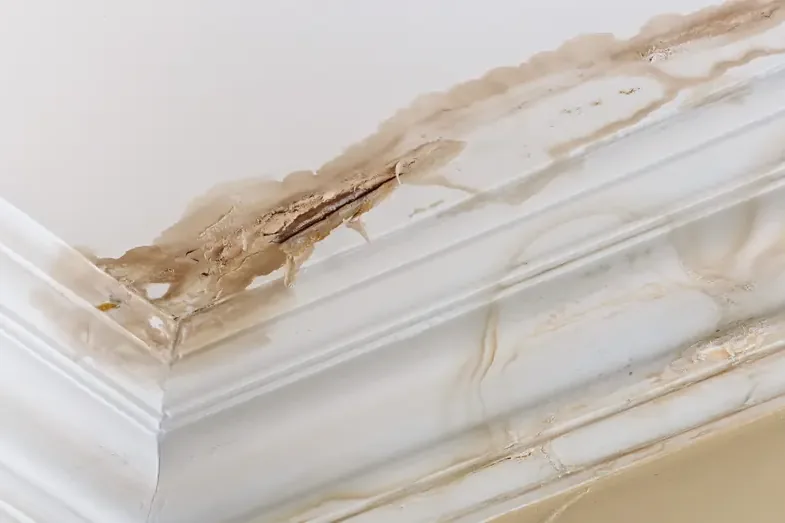
First steps for roof leak water damage
- Keep off the roof
The household avoids ladders and wet roof surfaces; a roofing professional evaluates the exterior entry and any temporary protection needed.
- Protect the room below
Occupants stay clear of sagging ceilings and wet lights, moving only safely reachable belongings away from the affected area.
- Record rain-related changes
Notes about when dripping starts and stops help the assessor trace the entry route and identify the assembly that requires a closer moisture inspection.
- Coordinate source and drying
Dispatch reviews the roof repair status and indoor damage through 24/7 assistance, helping define the assessment needs before equipment arrives.
What does roof leak water damage cost in Morrow, GA?
Interior roof-leak water damage cleanup commonly ranges from $1,000 to $5,500. The total changes with wet insulation, ceiling access and the number of affected rooms. Roof repair, temporary exterior protection and reconstruction should be identified separately from interior mitigation.
Limited ceiling wetting
- Interior moisture map
- Small access area
- Localized drying
Attic and ceiling loss
- Wet insulation handling
- Framing assessment
- Humidity control
Several affected rooms
- Extended water path
- Additional removal work
- Multiple reading locations
Water category, wet area, material class and the delay before drying change the total. The water damage cost calculator compares a planning range before an on-site assessment.
The roof leak water damage process
- 1
Confirm entry control
The assessor reviews the roofing repair status and safe attic access, then records where rainwater reached the ceiling and adjoining materials.
- 2
Expose retained wet surfaces
The crew removes unsuitable saturated material under a documented scope, protecting unaffected rooms and making framing accessible for inspection and controlled drying.
- 3
Track the different layers
Measurements follow wood, wallboard and remaining floor damage separately, while equipment settings change to address areas that retain moisture longer than the room air.
- 4
Prepare a clear repair handoff
Final readings and source-repair information identify the condition of the interior, allowing the owner to plan ceiling and finish work with a documented basis.
Roof-entry water can run along decking or framing before appearing indoors. The first stain is therefore a starting point for the investigation, not a precise mark of the exterior defect. The roofer addresses the entry; the restoration team records wet insulation, ceilings and adjoining finishes. Both parts matter because drying cannot remain effective while rain continues to enter.
Checking the attic-to-room water path
At a home along Mt Zion Road, the assessor asks which ceiling changed during rain and whether the attic can be reached safely. Near Reynolds Nature Preserve, visible ceiling damage still requires inspection of the particular roof and cavity. At premises along Jonesboro Road, the access plan may need to protect occupied rooms beneath the work area. The building layout determines the route.
Water may remain in insulation even after the weather clears. A thermal image can help identify an area for investigation, but material measurements and safe inspection establish the wet boundary. A stain near a roof penetration does not rule out another path farther upslope.
- Record when the drip appears and whether it changes with rainfall.
- Keep attic access closed if reaching it means entering an unsafe ceiling area.
- Arrange qualified roof-entry control without climbing onto a wet roof.
- Check adjoining wall tops and lower rooms where water may have traveled.
Removing trapped water beneath the roof
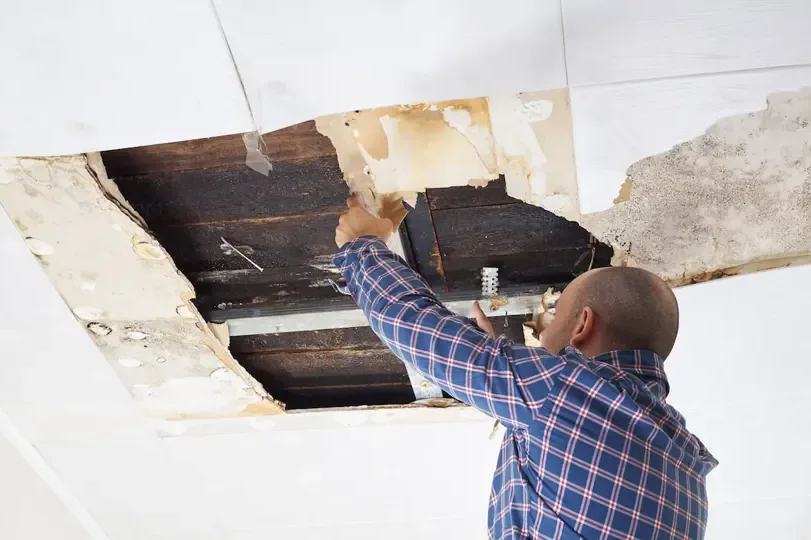
Once the entry is controlled, the crew assesses which wet materials can remain. Insulation that holds water or blocks access may need removal. Damaged ceiling board receives a stability assessment before opening. The contractor documents the removal boundary and protects unaffected rooms from debris.
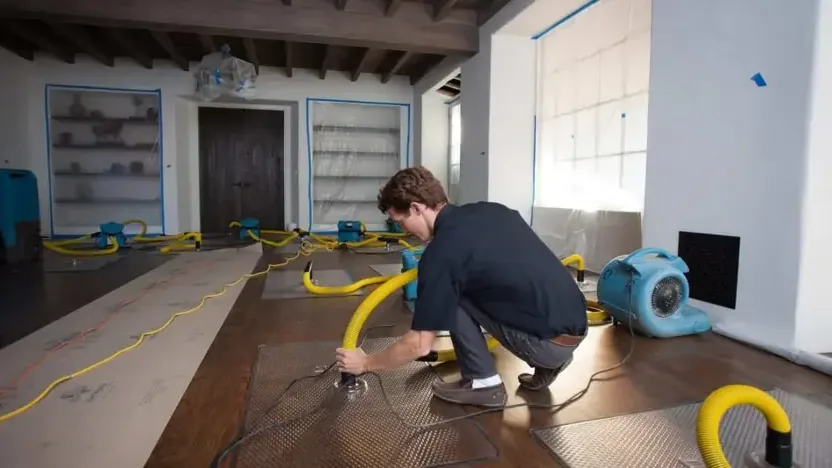
Directed airflow and dehumidification dry accessible retained surfaces. Dense wood and enclosed pockets may respond differently from an open ceiling edge. The structural drying plan tracks those separate locations so equipment adjustments follow measurements rather than the appearance of the room.
A wet roof, damaged attic walkway or sagging ceiling can make a do-it-yourself inspection hazardous. Homeowners should remain below in a safe dry area and keep away from wet electrical fixtures. A professional determines whether temporary exterior protection, electrical isolation or controlled interior removal is needed. Safety and entry control come before cosmetic repairs or efforts to hide the ceiling stain.
Separating roof repair from interior restoration
The written scope should distinguish the roofing repair from extraction, removal and drying indoors. A roof can be repaired while the ceiling cavity remains wet. Conversely, an interior may dry during fair weather and become wet again if the entry persists. The handoff needs both the repair status and the recorded condition of retained materials.
- Initial photos show ceiling staining and any safely visible wet attic material.
- Repair documentation records what stopped the entry without inventing a storm cause.
- Moisture logs show progress at decking, framing and adjoining finishes.
- The ceiling water-damage service addresses unstable board and overhead access as part of the interior work.
How the roof leak water damage work progresses
Confirm entry control
The assessor reviews the roofing repair status and safe attic access, then records where rainwater reached the ceiling and adjoining materials.
Expose retained wet surfaces
The crew removes unsuitable saturated material under a documented scope, protecting unaffected rooms and making framing accessible for inspection and controlled drying.
Track the different layers
Measurements follow wood, wallboard and remaining floor damage separately, while equipment settings change to address areas that retain moisture longer than the room air.
Prepare a clear repair handoff
Final readings and source-repair information identify the condition of the interior, allowing the owner to plan ceiling and finish work with a documented basis.
Roof Leak Water Damage coverage in Morrow
The restoration team covers ZIP codes 30260 and 30287, including properties along Jonesboro Road, Morrow Road, Southlake Parkway and Mt Zion Road. Dispatch reviews the affected rooms, safe access and the source of the water before the site assessment.
See the service areas and ZIP codesRelated water damage services

Roof Leak Water Damage questions in Morrow
Can interior drying begin before the roof is fixed?
Emergency water removal and protection may be possible, but continuing entry undermines drying. The contractor coordinates the immediate scope with the status of exterior protection. Permanent repairs and retained-material verification remain necessary before closing the affected assembly.
Why is the stain away from the roof leak?
Water can follow decking, rafters and penetrations before reaching the ceiling. The inspection traces that route instead of relying only on the visible stain. A roofer evaluates the exterior defect while the restoration team maps the interior damage.
Does attic insulation always need removal?
The decision depends on material type, saturation, contamination and access. Insulation that prevents inspection or retains water may require removal. The contractor explains the reason and documents the exposed assembly before replacement materials are installed.
Can a fan in the room dry the attic?
Room airflow may not reach moisture concealed above an intact ceiling or within insulation. The team assesses access and evaporation barriers. Dehumidification and directed airflow must reach suitable wet surfaces to produce a measurable drying trend.
Does a roof leak automatically mean storm coverage?
Coverage depends on the policy and the cause of entry. The owner should provide repair findings and damage documentation to the insurer. The restoration scope records observed conditions without promising how the insurer will classify the event.
When can ceiling repairs start?
Repairs follow source control and verification of the retained wet materials. The team documents completion readings and flags any remaining inaccessible areas. The concealed assembly needs a verified material condition before new finishes close the space.
Stop the entry and dry the interior layers
The mitigation crew documents the indoor damage and measured drying progress, with 24/7 dispatch for active water problems.
(888) 532-4616Discuss the attic-to-room damage