Storm Flood Cleanup in Morrow, GA
The Morrow flood-cleanup team assesses contaminated outdoor water, establishes safe work areas and removes water and debris. Retained structural materials receive cleaning and measured drying after access and continuing entry are controlled.
(888) 532-4616Outdoor water entered? Call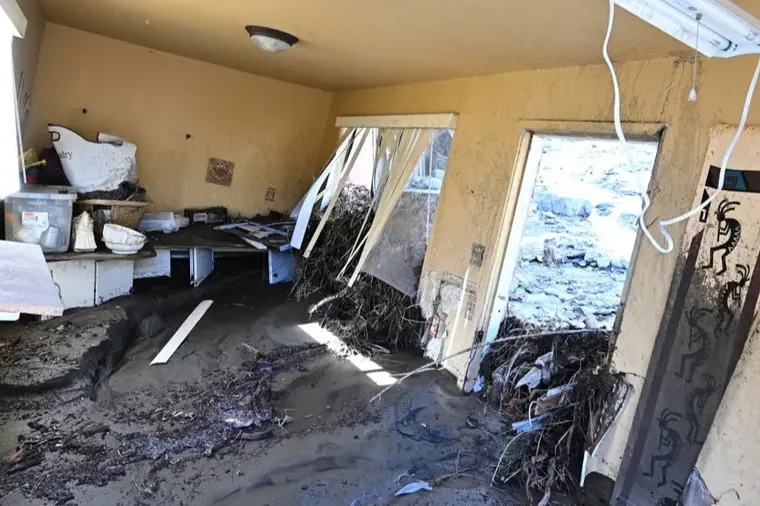
First steps for storm flood cleanup
- Wait for safe access
Residents follow emergency directions and stay away from moving water, wet electrical systems and unstable entry routes before any recovery work.
- Keep the wet zone separate
A household avoids tracking dirty water into unaffected rooms and keeps vulnerable occupants away from debris and contaminated contents.
- Capture the initial condition
Safe photographs of entry points, water marks and damaged belongings preserve details before cleanup changes the scene or disposal begins.
- Report the source clearly
Dispatch reviews outdoor entry, drain involvement and ongoing water through 24/7 assistance so the assessment can include the correct contamination precautions.
What does storm flood cleanup cost in Morrow, GA?
Storm flood cleanup often ranges from $2,500 to $12,000 or more. Contaminated material removal, debris handling and the size of the affected structure drive the total. The written scope distinguishes mitigation from rebuilding and from any repairs needed to prevent renewed entry.
Limited ground-water entry
- Localized water recovery
- Contaminated finish assessment
- Initial cleaning controls
Several flooded rooms
- Broader debris handling
- Porous material removal
- Retained structure drying
Extensive interior flooding
- Larger containment needs
- Complex disposal scope
- Extended measurement record
Water category, wet area, material class and the delay before drying change the total. The water damage cost calculator compares a planning range before an on-site assessment.
The storm flood cleanup process
- 1
Establish safe work limits
The assessor checks access restrictions, water entry and visible debris, then defines contaminated zones and equipment routes before workers disturb affected materials.
- 2
Remove water and deposits
The crew recovers standing water and soil, documenting damaged contents and porous finishes while keeping handling routes separate from unaffected living areas.
- 3
Clean the retained assembly
Suitable remaining surfaces receive physical cleaning and the specified treatment, with the product label controlling application before the drying stage proceeds.
- 4
Measure the dry-out
Technicians follow moisture in retained framing and floors, adjust equipment to the readings and record the condition required before reconstruction conceals the assembly.
Water that travels across the ground can bring soil, sewage and other contaminants through a doorway. Cleanup therefore starts with safe access and a contamination plan. Drying a dirty floor without removing deposited material can spread the problem into otherwise clean spaces. The team separates recovery, cleaning and drying into a documented sequence.
Following the actual outdoor entry route
Jesters Creek and the wildlife ponds at Reynolds Nature Preserve are part of the area's landscape. At a property along Southlake Parkway, the inspection still needs the actual threshold, opening or drain through which water entered. A landmark or corridor name cannot replace an inspection of the building. The crew records debris marks, water height and wet materials at the property.
Once access is safe, photographs show the condition before debris is disturbed. Contaminated water needs appropriate handling, and saturated porous finishes may require removal. The assessor establishes which retained surfaces can be cleaned and dried rather than applying a clean-water procedure to an outdoor loss.
- Keep children, pets and unprotected occupants outside the contaminated work area.
- Record the water-entry points and whether water is still moving into the building.
- Separate salvage decisions for contents from decisions about the structural assembly.
- Maintain a clean route for equipment and workers to avoid tracking soil through dry rooms.
Cleaning precedes the structural dry-out
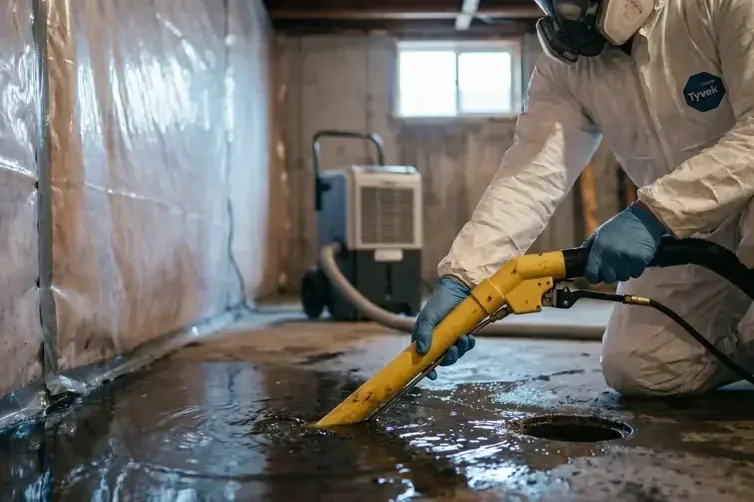
The crew removes standing water and loose debris, then addresses contaminated porous materials. Cleaning exposes retained surfaces for inspection. Appropriate protective equipment and containment support that work. A product application cannot replace physical removal of soil or make unsalvageable porous materials suitable to keep.
After cleaning, dehumidifiers and controlled airflow support evaporation from retained assemblies. The structural drying team records moisture at walls, floors and framing. The technician compares room conditions with readings from dense and concealed materials, confirming the progress of each retained assembly.
Moving or standing floodwater can conceal electrical hazards, sharp debris and unstable surfaces. A homeowner should not enter to rescue possessions or start a portable appliance. Emergency authorities determine when access is safe after a hazardous event. The restoration assessment then identifies contamination controls and structural concerns before workers introduce extraction equipment or begin removing wet finishes.
Planning recovery without a calendar promise
Debris volume, access and the number of saturated assemblies affect the schedule. The contractor explains the removal boundary and equipment needs after inspection. Replacement work follows cleaning and documented drying of retained materials, with separate attention to any damaged utility systems. The owner keeps event photos and disposal records together with the measured drying file.
- Photograph contents and finishes before disposal when doing so is safe.
- List openings that require repair to prevent another intrusion.
- Record the category of water and each material-removal decision.
- Use sewage cleanup information when a drain backup also contributes to the contamination.
How the storm flood cleanup work progresses
Establish safe work limits
The assessor checks access restrictions, water entry and visible debris, then defines contaminated zones and equipment routes before workers disturb affected materials.
Remove water and deposits
The crew recovers standing water and soil, documenting damaged contents and porous finishes while keeping handling routes separate from unaffected living areas.
Clean the retained assembly
Suitable remaining surfaces receive physical cleaning and the specified treatment, with the product label controlling application before the drying stage proceeds.
Measure the dry-out
Technicians follow moisture in retained framing and floors, adjust equipment to the readings and record the condition required before reconstruction conceals the assembly.
Storm Flood Cleanup coverage in Morrow
The restoration team covers ZIP codes 30260 and 30287, including properties along Jonesboro Road, Morrow Road, Southlake Parkway and Mt Zion Road. Dispatch reviews the affected rooms, safe access and the source of the water before the site assessment.
See the service areas and ZIP codesRelated water damage services


Storm Flood Cleanup questions in Morrow
Is outdoor floodwater treated like a pipe leak?
No. Water that has traveled over the ground can carry contaminants into the building. The crew assesses Category 3 precautions, removal and cleaning before drying. A clean supply-water procedure does not address the same exposure or deposited debris.
Can carpets be dried after floodwater enters?
Carpet and other porous materials exposed to contaminated floodwater generally require removal. The contractor evaluates the affected assembly and documents the disposal boundary. Surface drying does not remove contamination held in backing, padding or other absorbent layers.
Should fans be started immediately?
Airflow should follow assessment of contamination and cleaning needs. Running fans across dirty water or debris can spread material into dry areas. The crew selects the sequence and containment for the actual water source and affected surfaces.
Does living near a creek determine the cleanup?
The observed building entry route and damage determine the work. The assessor records water marks, materials and contamination at the property. Room-by-room observations define the scope at the specific property.
What insurance questions matter?
The owner should ask about the applicable flood policy and other water-damage provisions. Coverage depends on policy terms and cause. Photographs, material inventories, removal records and drying logs help document the event without promising a coverage outcome.
How does the crew decide when rebuilding can start?
Cleaning, source or entry control and drying of retained materials come first. The final record identifies moisture readings and any unresolved access or utility concerns. Rebuilding then follows the documented condition rather than a fixed number of days.
Recover the building in a controlled sequence
Morrow Water Damage Restoration offers 24/7 dispatch for water and debris removal, cleaning and measured drying after outdoor intrusion.
(888) 532-4616Discuss contaminated water removal