Water Heater Leak Cleanup in Morrow, GA
A leaking heater can send water beneath a closet wall before a puddle reaches the doorway. The Morrow cleanup crew extracts water and measures adjoining materials after the heater and supply are safely isolated.
(888) 532-4616Tank water spreading? Call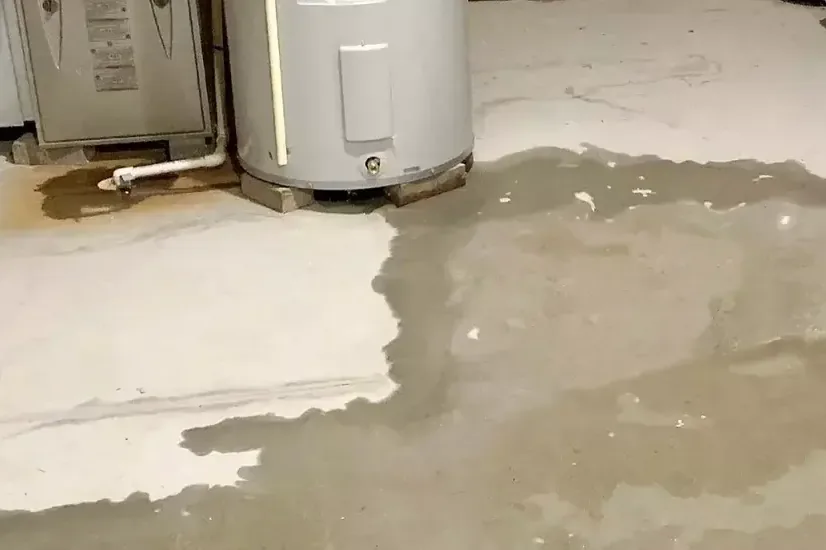
First steps for water heater leak cleanup
- Avoid the discharge
Household members stay away from hot pooled water and wet heater controls, preserving a dry approach for the appropriate repair professional.
- Arrange safe isolation
A plumber or qualified equipment professional addresses the water and energy source; nobody should guess at controls while standing in a wet closet.
- Check the adjoining room
The owner notes visible damp trim or flooring outside the enclosure without moving the heater or opening an unsafe wall.
- Describe the installation
Dispatch reviews closet or room access, ongoing flow and the repair status through 24/7 assistance before the drying assessment is arranged.
What does water heater leak cleanup cost in Morrow, GA?
Water heater leak cleanup commonly ranges from $700 to $4,000. A confined closet loss costs less than water extending under walls into several rooms. Heater replacement, plumbing work and rebuilding damaged finishes should be listed separately from extraction and drying.
Closet-only wetting
- Accessible water removal
- Wall-base inspection
- Focused drying equipment
Adjoining room damage
- Expanded moisture survey
- Floor transition checks
- Selective finish access
Concealed spread
- Multiple wet materials
- Mechanical access coordination
- Extended drying record
Water category, wet area, material class and the delay before drying change the total. The water damage cost calculator compares a planning range before an on-site assessment.
The water heater leak cleanup process
- 1
Review equipment safety
The assessor confirms the heater isolation and repair status, identifies hot-water or electrical concerns and establishes safe access to the wet enclosure.
- 2
Map the outward spread
Readings follow the floor and wall bases into adjacent rooms, identifying moisture that extends farther than the visible puddle beside the tank.
- 3
Dry within safe clearances
The crew selects accessible equipment positions and any necessary openings, then tracks moisture without obstructing mechanical service or safe movement through the property.
- 4
Coordinate the finish sequence
Completion records identify retained dry materials and remaining repairs, helping the owner schedule enclosure work around heater replacement without covering unresolved moisture.
A tank leak can continue as the water supply replenishes the heater. A pan may collect a small release, but overflow can reach the wall base and adjacent flooring. The first concern is safe isolation of water and energy by the appropriate person. After that, the cleanup assessment follows the water beyond the equipment footprint.
Looking outside the heater closet
In a home off Morrow Road, wet trim in the next room may reveal a release that started inside a closed closet. Along Jonesboro Road, the assessor checks the heater's access route and the adjoining floor assembly. Near Clayton State University, a rental property may require the manager to arrange mechanical access before removal or replacement. The actual installation determines the precautions.
The crew distinguishes visible water from moisture absorbed into drywall, sill plates and flooring. A heater replacement can leave those materials wet even when the new tank works correctly. The written scope should address both the source repair and the remaining building moisture.
- Keep away from hot discharge water and electrical components at the heater.
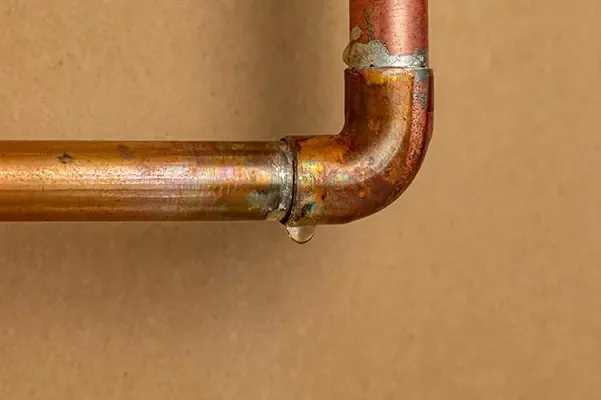
- Report whether water comes from the tank, a connection or an unknown point.
- Check safely visible wall bases outside the closet for spreading dampness.
- Preserve photographs of the original heater area before repair or replacement.
Drying a tight mechanical space
Closets can limit equipment placement and airflow. The assessor identifies which surfaces are accessible and whether trim or damaged board must be removed. Retained materials receive measured drying rather than a fan aimed at the closed door. Equipment placement also needs to preserve safe clearances around mechanical components.
Water extraction reduces the initial load in the closet and adjacent rooms. LGR dehumidification manages moisture released into the air. The technician checks the wall base and floor separately because they may dry at different rates. A clean-looking concrete surface can still border damp wood or insulation.
Heater water may be hot enough to injure, and electrical or fuel connections add hazards. A homeowner should not wade into the closet, relight equipment or operate controls from a wet position. If safe isolation is unclear, the household keeps the area clear while the appropriate plumbing, electrical or utility professional handles the equipment. Restoration access follows that safety decision.
Finishing the dry-out after replacement
Installing a new heater is not a moisture test for the room. Before the closet is closed or refinished, the contractor records the condition of retained walls and flooring. Where replacement equipment blocks access, the work sequence needs coordination so wet materials do not become inaccessible. That coordination can avoid reopening a newly finished enclosure.
- The initial map identifies water inside and outside the mechanical space.
- Removal notes distinguish damaged finishes from heater-service access.
- Follow-up readings show progress at concealed edges as well as open surfaces.
- The drying-time estimator explains planning factors, while site readings establish the actual endpoint.
How the water heater leak cleanup work progresses
Review equipment safety
The assessor confirms the heater isolation and repair status, identifies hot-water or electrical concerns and establishes safe access to the wet enclosure.
Map the outward spread
Readings follow the floor and wall bases into adjacent rooms, identifying moisture that extends farther than the visible puddle beside the tank.
Dry within safe clearances
The crew selects accessible equipment positions and any necessary openings, then tracks moisture without obstructing mechanical service or safe movement through the property.
Coordinate the finish sequence
Completion records identify retained dry materials and remaining repairs, helping the owner schedule enclosure work around heater replacement without covering unresolved moisture.
Water Heater Leak Cleanup coverage in Morrow
The restoration team covers ZIP codes 30260 and 30287, including properties along Jonesboro Road, Morrow Road, Southlake Parkway and Mt Zion Road. Dispatch reviews the affected rooms, safe access and the source of the water before the site assessment.
See the service areas and ZIP codesRelated water damage services


Water Heater Leak Cleanup questions in Morrow
Does replacing the tank remove the water damage?
Replacement controls the equipment problem, but wet flooring and wall materials can remain. The restoration assessment measures those layers and defines extraction, access and drying needs. The two scopes should be coordinated before the enclosure is refinished.
Can a homeowner shut off the heater?
Only a safely accessible control should be approached, and the correct procedure depends on the installation. Hot water, wet electrical parts or uncertainty about fuel controls call for the appropriate professional. Nobody should enter standing water to operate the equipment.
Why inspect the room beside the closet?
Water can move beneath partitions and floor coverings before it reaches the doorway. Damp trim or a raised floor edge in the next room may mark that spread. Measurements establish the boundary rather than the closet dimensions.
Can equipment fit in a small enclosure?
The contractor assesses clearances and evaporation access before selecting a setup. Some equipment can operate from an adjacent space, but enclosed wet materials still need a path to dry. Safe mechanical access remains part of the plan.
What if only the pan contains water?
The source still needs repair, and the assessor checks whether water escaped at the pan edge or drain route. A localized release may have a smaller mitigation scope. The actual surrounding material readings determine whether drying is needed.
When can the closet be closed again?
Closing follows source repair and verification of retained wet materials. The contractor records final readings and identifies any finishes requiring replacement. A new heater or a dry-looking floor is not by itself confirmation that concealed edges are ready.
Dry the enclosure as well as the room beyond it
The mitigation crew checks concealed spread and records drying progress after safe source control, with 24/7 dispatch available.
(888) 532-4616Arrange the heater-loss dry-out