Burst Pipe Water Damage in Hapeville
The sound of running water can continue behind a wall before a wet patch appears. Hapeville burst pipe cleanup starts with source control, then traces the pressure-fed release through connected finishes and concealed spaces.
(888) 532-4616Discuss the pipe release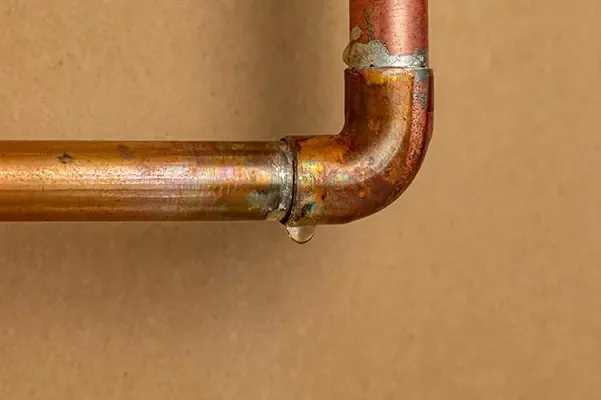
First steps for burst pipe water damage
- Find a safe shutoff
The occupant identifies a known accessible valve only when reaching it avoids standing water, damaged electrical equipment and unstable finishes around the suspected pipe break.
- Record the discovery sequence
A short account of running water, pressure changes and the first visible wet area helps the inspector connect the failure with damage appearing elsewhere.
- Arrange plumbing access
The property contact coordinates the plumber's access and explains any shared wall, locked room or occupied space that affects reaching the failed section safely.
- Leave damaged finishes undisturbed
Loose trim and swollen drywall remain in place until assessed, allowing the team to document the spread and choose purposeful openings for repair and drying.
What does burst pipe water damage cost in Hapeville, GA?
For Hapeville burst pipe damage, planning costs run from $1,000 to $6,000+. The estimate reflects how far released water traveled and which assemblies need access. Pipe replacement, wall reconstruction and final decoration should be identified separately from the mitigation work when excluded.
Contained release
- Narrow wet footprint
- Accessible source room
- Basic material checks
Concealed wet cavities
- Wall access needs
- Damp enclosed surfaces
- Expanded drying placement
Multiple room loss
- Connected room exposure
- Broader removal decisions
- Additional monitoring points
Water category, wet area, material class and the delay before drying change the total. The water damage cost calculator compares a planning range before an on-site assessment.
The burst pipe water damage process
- 1
Connect cause and spread
The inspector records the rupture location and checks nearby surfaces, creating a map that links the source room with secondary wet areas and floor transitions.
- 2
Open only with purpose
Proposed access is tied to pipe repair, damaged material removal or trapped moisture, with affected contents and neighboring finishes considered before the work proceeds.
- 3
Reduce the retained water
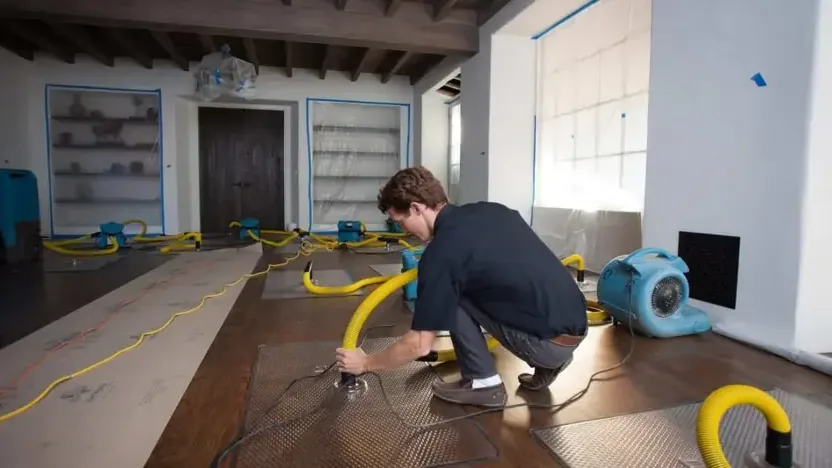
Extraction and suitable material handling prepare the space for equipment, while wet cavities receive airflow access appropriate to their construction and remaining serviceable surfaces.
- 4
Verify before closing walls
The drying team examines readings in the affected assembly and records outstanding repair needs so closure follows material condition rather than the plumbing repair date.
A burst hidden inside a wall can send water downward, sideways and beneath a doorway before anyone sees a puddle. Closing the right valve stops new water but leaves that route wet. The mitigation team reconstructs the spread from the failed area outward, checking surfaces that sit beyond the most obvious damage.
The meter defines a local repair boundary
In Hapeville, the city maintains water service from the main through the meter. Piping from the meter to the property belongs to the owner. Locating the failed section helps establish the appropriate repair contact while the restoration assessment concentrates on water that reached the building and its contents.
A Virginia Park home and a newer townhome can have quite different access arrangements. The crew checks the actual assembly around the break before proposing an opening. Decorative trim, cabinet backs and ceiling access may affect how wet materials can be reached without treating every surrounding surface as damaged.
Follow pressure-driven water beyond the break
Dogwood Drive and Central Avenue provide familiar property references in the city's ward descriptions. At an affected property, however, the useful working map is indoors: which room contains the pipe, which wall encloses it and where water crossed into adjoining finishes. Inspection records these relationships rather than limiting work to the plumber's repair opening.
- Baseboard edges can conceal water that traveled along the wall bottom.
- Closets sharing the affected partition need inspection behind stored possessions.
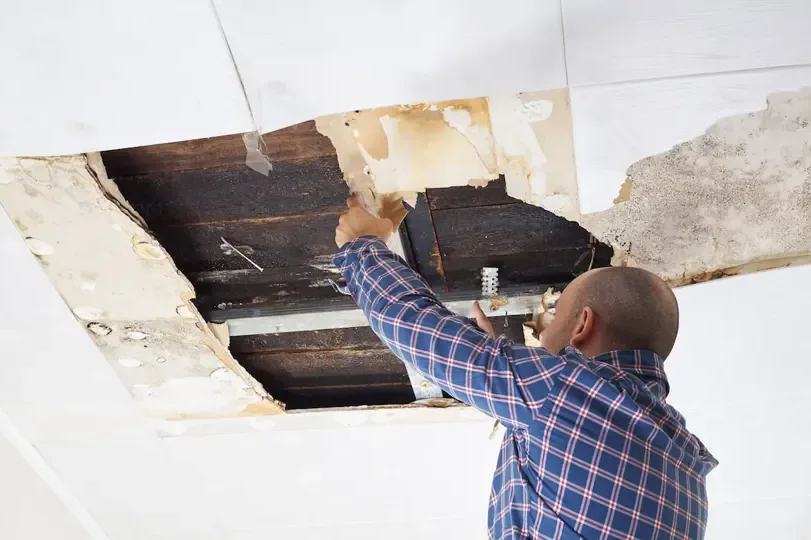
- Ceilings below the rupture require assessment for softness and trapped water.
- Floor joints can admit liquid beneath finishes that still look intact.
A wet electrical enclosure or drooping ceiling makes the area unsuitable for casual entry. Occupants should remain outside that space and describe the hazard to the appropriate specialist. Opening drywall or restoring power without an assessment can expose people to conditions hidden by an otherwise small visible stain.
Separate the repair from the moisture trail
The plumber's completed pipe repair answers whether the supply can operate again. The drying record answers a different question: whether the wet building materials are ready for enclosure or replacement finishes. Moisture control within the structure follows measured conditions in the exposed assembly rather than the disappearance of visible dripping.
When the release pools at floor level, accessible water removal reduces the liquid burden before the drying setup begins. The owner should receive a scope identifying repair coordination, material access, extraction and monitoring as distinct tasks. Newly discovered wet areas can then be explained against the original room map instead of being folded into an unclear description of general cleanup.
How the burst pipe water damage work progresses
Connect cause and spread
The inspector records the rupture location and checks nearby surfaces, creating a map that links the source room with secondary wet areas and floor transitions.
Open only with purpose
Proposed access is tied to pipe repair, damaged material removal or trapped moisture, with affected contents and neighboring finishes considered before the work proceeds.
Reduce the retained water
Extraction and suitable material handling prepare the space for equipment, while wet cavities receive airflow access appropriate to their construction and remaining serviceable surfaces.
Verify before closing walls
The drying team examines readings in the affected assembly and records outstanding repair needs so closure follows material condition rather than the plumbing repair date.
Burst Pipe Water Damage coverage in Hapeville
Hapeville pipe damage assessments include properties in ZIP 30354. Access details, the suspected rupture location and any rooms below the release help the team prepare for inspection of the actual wet path through the building.
The same service nearby: burst pipe water damage in Morrow, Forest Park, Riverdale.
Water damage restoration in Hapeville · every town coveredRelated water damage services in Hapeville

Burst Pipe Water Damage questions in Hapeville
Does shutting the valve finish the emergency work?
Stopping the supply prevents additional release, but existing water may continue moving through an assembly. The next assessment checks pooled liquid, wet insulation, ceiling exposure and access needed to dry concealed areas.
Who repairs water piping past the meter?
The city assigns owner responsibility to piping from the meter to the property. The failed section should be located before repair arrangements are finalized, with building cleanup scoped separately from that plumbing work.
Can the wall opening stay small?
An opening should match the repair and drying need. Measurements and material condition may support limited access, while damaged wallboard or a longer concealed moisture path can require a larger documented removal area.
Why inspect the room beside the rupture?
Water can move along floor seams and wall bottoms into a neighboring room. Inspecting that connection helps identify moisture that a repair focused solely on the broken pipe would otherwise leave behind.
Can finishes be replaced immediately after repair?
Replacement should follow assessment of the underlying materials. Closing a cavity while its framing or backing remains wet can hide the unfinished drying work and make further access more difficult later.
What helps distinguish old marks from new damage?
Discovery photographs, the reported leak sequence and current moisture measurements provide useful context. The inspector records observed conditions and explains which surfaces need attention instead of assuming every nearby mark belongs to the rupture.
Address the water left behind
A stopped pipe still leaves decisions about wet finishes, cavity access and drying; a clear scope puts those decisions in order.
(888) 532-4616Assess pipe release cleanup