Sewage Backup Cleanup in Morrow, GA
Sewage backup is Category 3 from the start. The Morrow cleanup crew contains affected rooms, removes contaminated water and unsuitable porous materials, then cleans retained surfaces and verifies the structural dry-out.
(888) 532-4616Drain water inside? Stay clear and call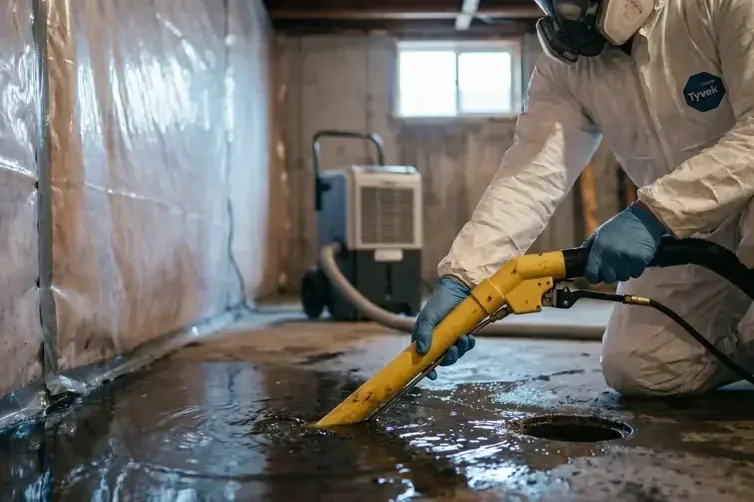
First steps for sewage backup cleanup
- Close the contaminated room
The household keeps people and pets outside the wet zone and avoids moving soiled items through clean rooms without a handling plan.
- Stop using affected fixtures
Additional flushing or draining can add wastewater until the obstruction is corrected; a plumbing professional investigates the source and necessary repair.
- Avoid spreading aerosols
Occupants leave household fans off around contaminated water and avoid vacuuming with equipment not intended for sewage recovery and safe disposal.
- Report the backup source
Through 24/7 dispatch, the owner describes fixtures involved, contaminated rooms and access hazards so the assessment can plan the correct protective controls.
What does sewage backup cleanup cost in Morrow, GA?
Sewage backup cleanup commonly ranges from $1,500 to $8,000 or more. Containment, contaminated porous-material removal and disposal make this different from clean-water extraction. Drain repair and reconstruction are separate scope items unless the contract specifically includes them.
Contained bathroom backup
- Protected water recovery
- Surface cleaning
- Limited disposal scope
Multiple contaminated surfaces
- Porous material removal
- Containment setup
- Retained assembly drying
Extensive sewage migration
- Larger disposal volume
- Complex access controls
- Expanded cleaning record
Water category, wet area, material class and the delay before drying change the total. The water damage cost calculator compares a planning range before an on-site assessment.
The sewage backup cleanup process
- 1
Assess contact and containment
The technician identifies wastewater pathways, exposed porous materials and clean access routes, setting the protection plan before contaminated recovery or demolition begins.
- 2
Remove contaminated loads
The crew extracts sewage and removes affected porous finishes under controlled conditions, documenting the boundary and handling debris without tracking it through unaffected rooms.
- 3
Clean and treat retained surfaces
Physical cleaning precedes any appropriate EPA-registered antimicrobial, with label requirements and dwell time followed before the retained assembly enters the drying stage.
- 4
Verify the remaining structure
Moisture readings track suitable retained materials after cleaning, and the completion record separates finished mitigation from drain repairs and subsequent reconstruction work.
Wastewater entering through a toilet, floor drain or other fixture needs a controlled response. The room remains off limits to unprotected occupants. A plumbing professional addresses the obstruction or failure, while the restoration crew manages contaminated water and building materials. Clearing the drain does not complete the cleanup of surfaces that wastewater contacted.
Defining the contaminated area
At a property along Jonesboro Road, the first questions include which fixtures backed up and where water traveled. A business near Southlake Mall needs an access plan that separates occupants from the affected room. Around the National Archives at Atlanta area, vulnerable paper contents may need isolation from the wet zone. The scope follows actual contact and migration through the building.
The assessor identifies porous finishes exposed to sewage, including wet layers above the visible waterline. Capillary movement can carry contamination into absorbent materials. The removal boundary therefore comes from inspection of the assembly rather than a cut made exactly at the top of a stain.
- Workers use suitable gloves, protective clothing, eye protection and other PPE appropriate to the exposure.
- Containment and controlled routes keep contaminated equipment and debris away from clean spaces.
- Sewage-contacted porous materials require removal rather than ordinary drying in place.
- Contents receive separate assessment for safe handling, cleaning or disposal.
Physical cleaning before antimicrobial treatment
Recovery equipment removes contaminated water, and the crew removes debris and affected porous materials. Physical cleaning addresses retained surfaces before an EPA-registered antimicrobial is applied where appropriate. The product label controls dilution, surface suitability and required dwell time. A spray applied over dirt is not a substitute for cleaning.
Once the cleanup stage is complete, structural drying addresses moisture in suitable retained materials. Equipment placement follows the containment plan and the exposed assembly. The technician records material readings and environmental conditions instead of using odor or appearance as the completion test.
Occupants should avoid direct contact with sewage and keep children, pets and vulnerable people away from the affected room. Household fans should not blow across contaminated water. Toilets and drains involved in the backup should remain unused until the plumbing cause is addressed. A cleanup professional determines protective controls before removing water, opening finishes or transporting contaminated material through the building.
Keeping the repair and cleanup records separate
The plumber documents the drainage correction. The cleanup scope documents contact areas, removals, cleaning and drying. This separation helps the owner understand what each contractor completed and what remains for reconstruction. The record should identify retained materials and the condition verified before any replacement finish conceals them.
- Initial photographs show the affected fixture and the spread into adjoining surfaces.
- Disposal records identify porous materials removed from the contaminated zone.
- Cleaning notes specify the retained surfaces and treatment instructions followed.
- The cost calculator distinguishes contamination and wet-area factors when comparing planning ranges.
How the sewage backup cleanup work progresses
Assess contact and containment
The technician identifies wastewater pathways, exposed porous materials and clean access routes, setting the protection plan before contaminated recovery or demolition begins.
Remove contaminated loads
The crew extracts sewage and removes affected porous finishes under controlled conditions, documenting the boundary and handling debris without tracking it through unaffected rooms.
Clean and treat retained surfaces
Physical cleaning precedes any appropriate EPA-registered antimicrobial, with label requirements and dwell time followed before the retained assembly enters the drying stage.
Verify the remaining structure
Moisture readings track suitable retained materials after cleaning, and the completion record separates finished mitigation from drain repairs and subsequent reconstruction work.
Sewage Backup Cleanup coverage in Morrow
The restoration team covers ZIP codes 30260 and 30287, including properties along Jonesboro Road, Morrow Road, Southlake Parkway and Mt Zion Road. Dispatch reviews the affected rooms, safe access and the source of the water before the site assessment.
See the service areas and ZIP codesRelated water damage services

Sewage Backup Cleanup questions in Morrow
Can a sewage-soaked carpet be saved by drying?
Porous materials exposed to sewage require removal rather than ordinary drying in place. Contamination can remain in the backing and padding even after the surface feels dry. The crew documents the affected layers and the disposal boundary.
Does an unclogged toilet finish the problem?
Drain correction stops additional wastewater, but contacted surfaces still need assessment and cleanup. The plumbing and mitigation tasks are separate. The restoration crew checks contamination beyond the fixture, including floor layers and adjoining wall materials.
Why remove material above the visible waterline?
Absorbent materials can draw contaminated moisture above the standing-water level. The assessor checks the assembly and defines removal accordingly. Cutting exactly at the visible stain can leave affected material behind the replacement finish.
Is antimicrobial spray enough?
No. Physical removal of debris and cleaning of retained surfaces come first. An appropriate EPA-registered product is then used according to its label, including dwell time. Treatment cannot restore contaminated porous material that requires disposal.
Can occupants stay in unaffected rooms?
That depends on the contamination boundary, safe access and the ability to isolate the work. The contractor explains the conditions at the property. Vulnerable occupants should remain away from exposed wastewater and from any uncontrolled handling area.
What coverage should an owner ask about?
The owner should check sewer-backup provisions and any applicable endorsement with the insurer. Coverage varies by policy and cause. Photos, plumbing findings, disposal records and drying logs support the claim file without determining the coverage decision.
Keep contaminated water inside a controlled work area
The cleanup crew handles removal, cleaning and measured drying, with 24/7 dispatch for sewage entering occupied buildings.
(888) 532-4616Discuss the sewage cleanup scope