Water Damage Restoration in Lovejoy
A puddle can hide a much larger wet area beneath flooring or behind trim. Restoration starts by stopping the release, checking its path and choosing a drying approach for the affected materials.
(888) 532-4616Discuss the wet roomsThe initial conversation covers the water source, affected rooms and any electrical or ceiling hazards limiting safe entry.
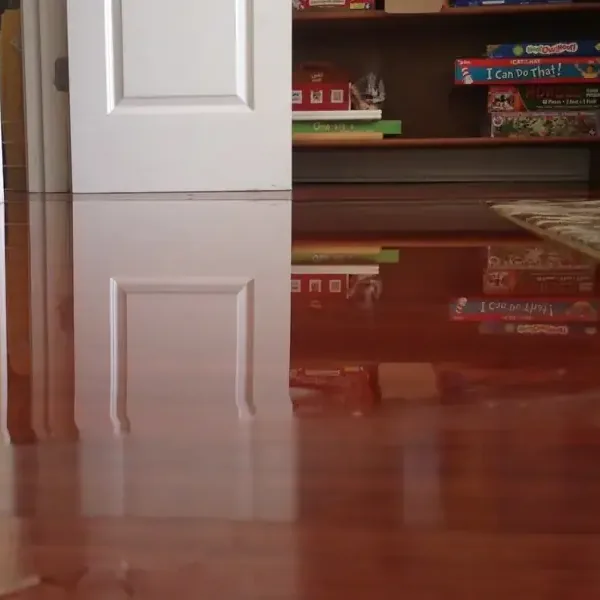
Choose the problem affecting the property
A failed tank, flooded doorway and wet ceiling require different access decisions. Each service explains the cleanup work that follows source control.

Water Extraction
Standing water removal reaches floor edges and transitions before equipment begins drying moisture already absorbed into the building.
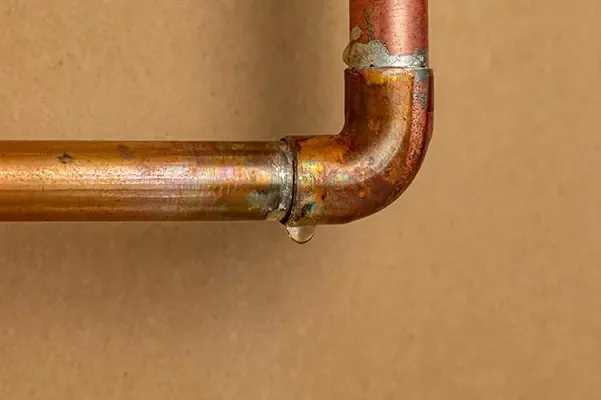
Burst Pipe Water Damage
After a broken pipe is isolated, inspection follows spray and runoff through wall cavities, trim and adjoining rooms.
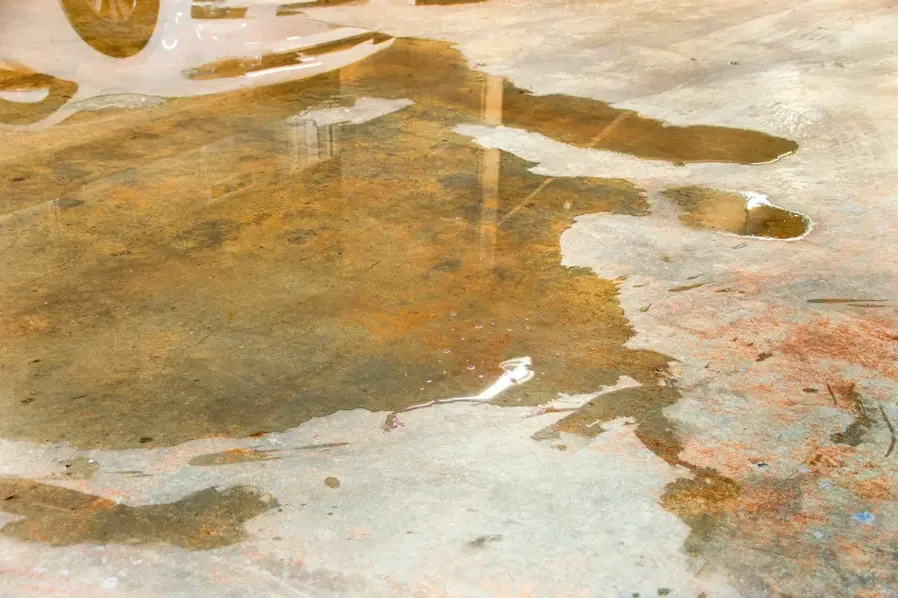
Slab Leak Water Damage
A concealed leak beneath concrete requires source diagnosis plus an assessment of floor coverings and moisture trapped underneath.
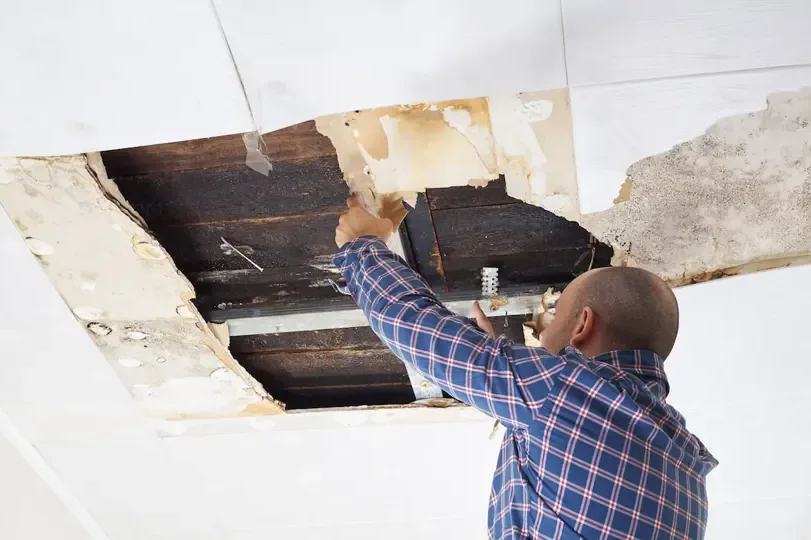
Ceiling Leak Water Damage
Sagging drywall, damp insulation and hidden water above a room need controlled access before ceiling repairs can begin.
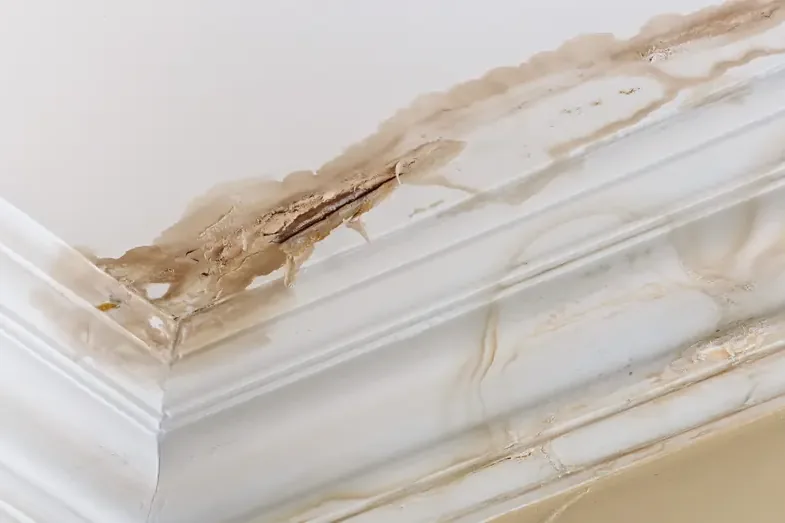
Roof Leak Water Damage
Rain entering overhead can travel along framing, making interior moisture mapping as important as repairing the exterior opening.
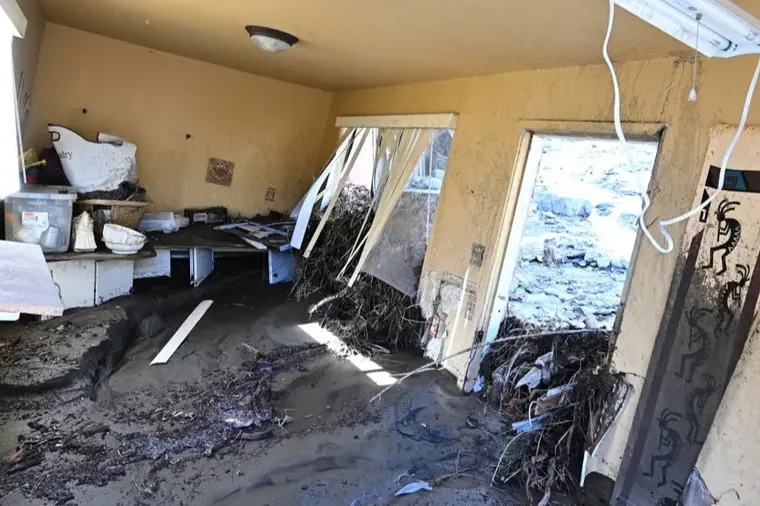
Storm Flood Cleanup
Outside water brings soil and debris indoors; removal, cleaning and material decisions come before a room returns to use.
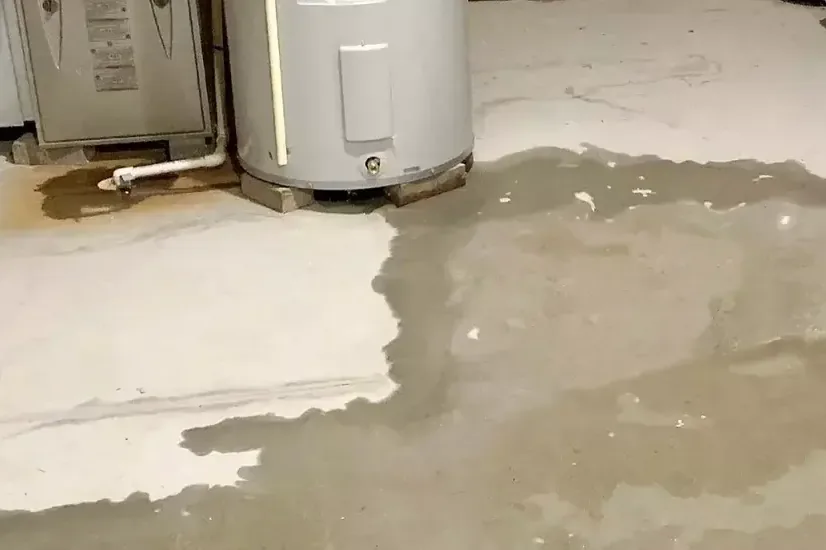
Water Heater Leak Cleanup
Water escaping a heater can pass beneath the closet threshold and soak materials outside the visible pool.
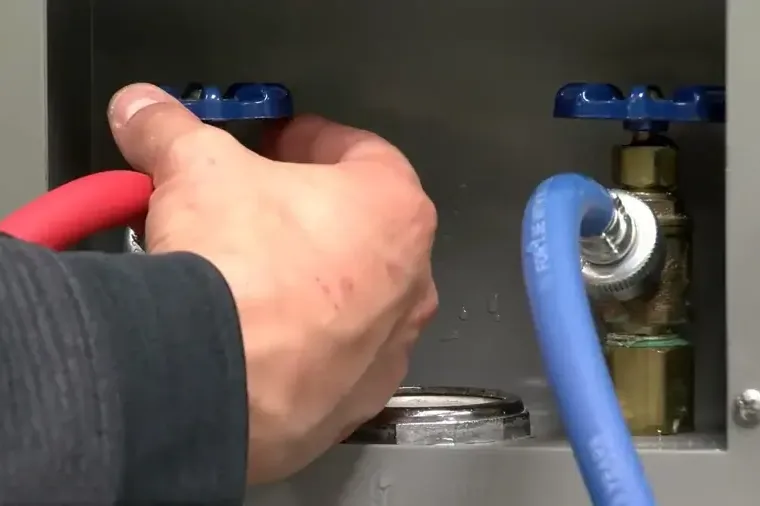
Appliance Leak Water Damage
A leaking hose or overflowing appliance can wet cabinet bases, floor seams and hidden spaces behind installed equipment.
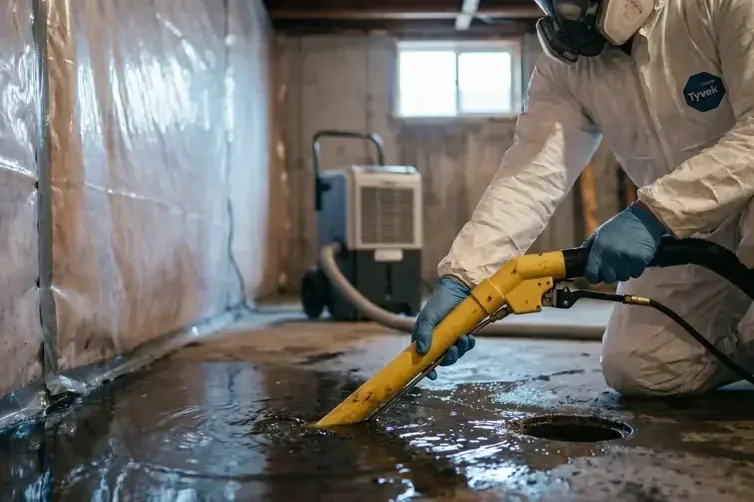
Sewage Backup Cleanup
Contaminated water requires restricted access, protected removal and separate decisions about washable surfaces and absorbent materials.

Hardwood Floor Water Damage
Raised board edges call for moisture measurements through the floor assembly before sanding, refinishing or replacement decisions.

Structural Drying
Controlled airflow and humidity management remove absorbed moisture while repeat measurements show whether framing and other materials are progressing.
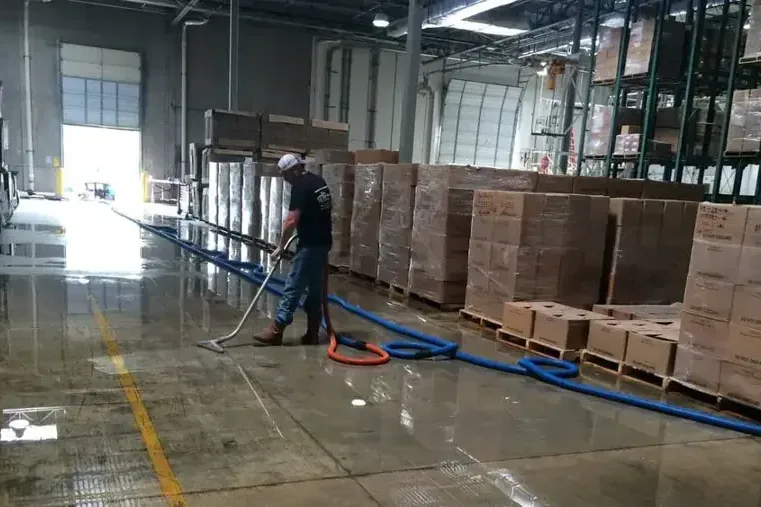
Commercial Water Damage
Business cleanup coordinates affected stock, occupied spaces and equipment access with the manager responsible for daily operations.
How a water loss moves toward recovery
- 1
Define the wet boundary
Inspection includes nearby dry comparison areas and likely travel paths, so the cleanup footprint reflects measured damage rather than visible stains alone.
- 2
Choose access carefully
Trim removal or a controlled opening can expose moisture without treating every surface as damaged; unsafe or unsalvageable materials receive separate attention.
- 3
Balance drying conditions
Air movement works together with moisture removal from the air, while equipment placement respects doorways, electrical capacity and the building's usable spaces.
- 4
Confirm repair readiness
The final assessment checks material readings, notes remaining defects and separates completed mitigation from painting, flooring installation or other reconstruction work.
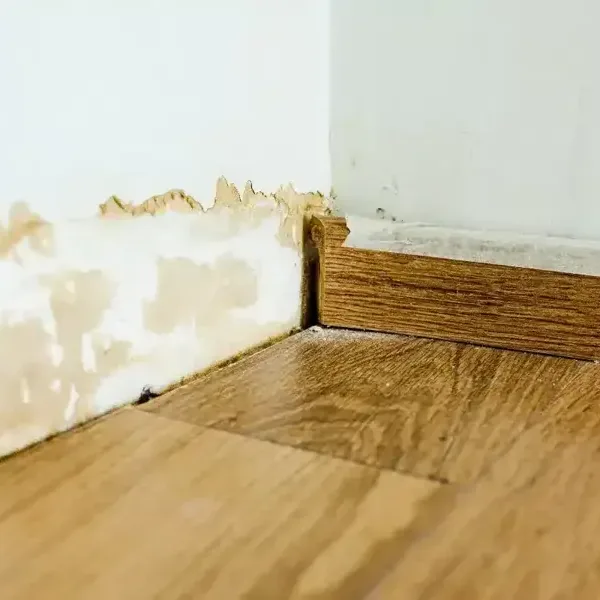
Measure the building before deciding its repairs
A dry looking surface can cover a wet backing layer. The mitigation team checks accessible materials, records changing readings and explains which areas need removal, drying or a later repair assessment.
Trace the spread
Doorways, cabinet ends and wall bases help reveal how water moved beyond the original puddle and where testing should continue.
Separate the trades
Repairing a pipe or roof stops entry; removing absorbed moisture is a separate task with its own access and completion needs.
Document material choices
Notes should connect removal decisions to contamination, physical damage or access restrictions so the owner can understand the proposed work.
Check the endpoint
Final readings belong beside the initial measurements, with any unresolved source or reconstruction issue clearly identified before drying equipment leaves.
What can water damage cleanup cost in Lovejoy?
A useful allowance begins with the affected materials and source, rather than the puddle size alone. These planning ranges separate a contained wet area from broader drying or contaminated cleanup; an inspection establishes the actual work and price.
Contained room damage
- Accessible water removal
- Limited material opening
- Focused equipment placement
Several affected areas
- Connected room inspection
- More drying equipment
- Multiple material checks
Complex wet assemblies
- Concealed moisture access
- Broader removal needs
- Detailed drying records
Source repairs, replacement finishes and damaged contents may need separate estimates. A written scope should identify included cleanup tasks, access assumptions and any conditions that could change the total. Compare cost factors
Equipment, access and moisture removal in real rooms
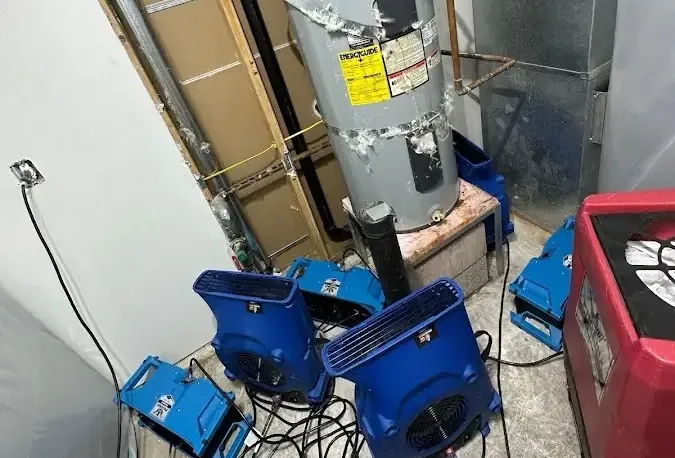
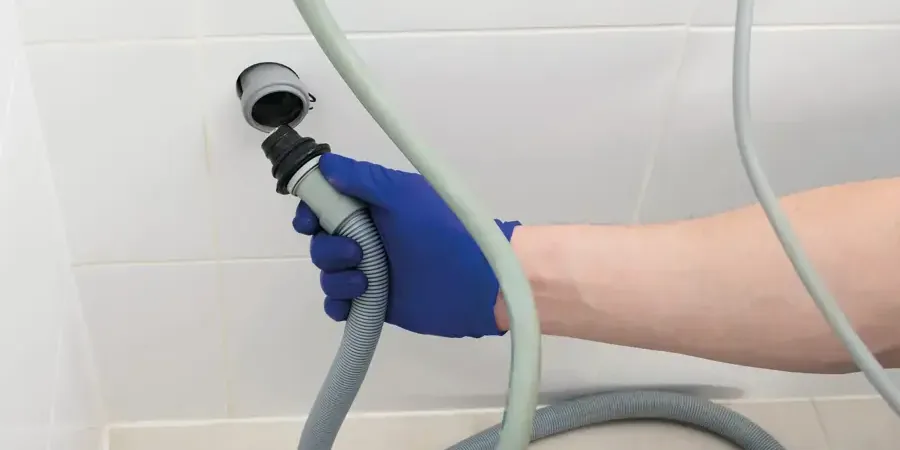
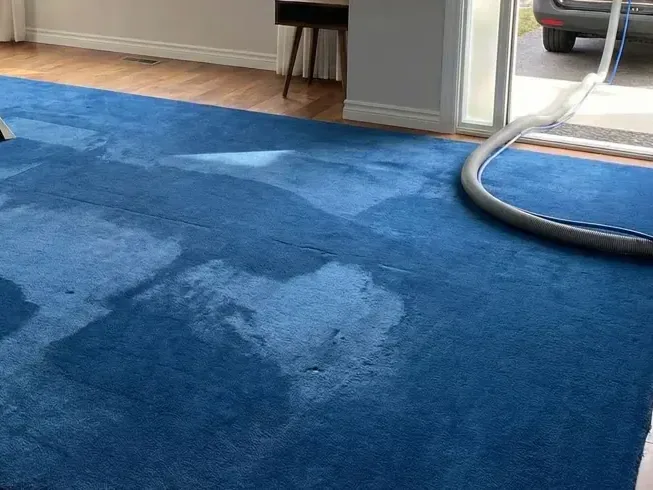
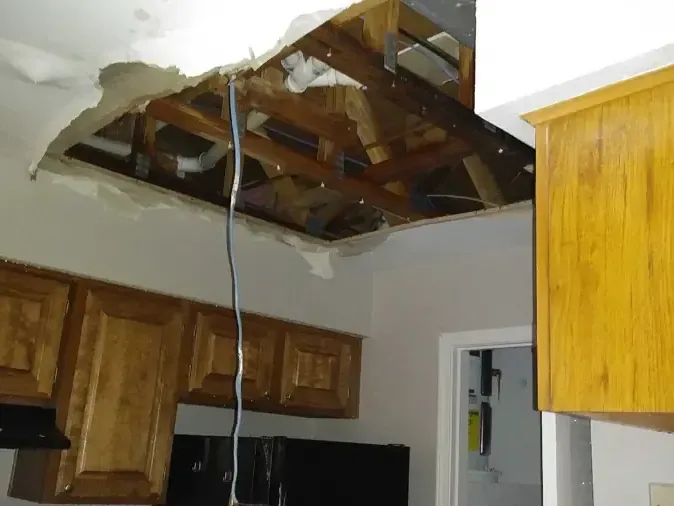
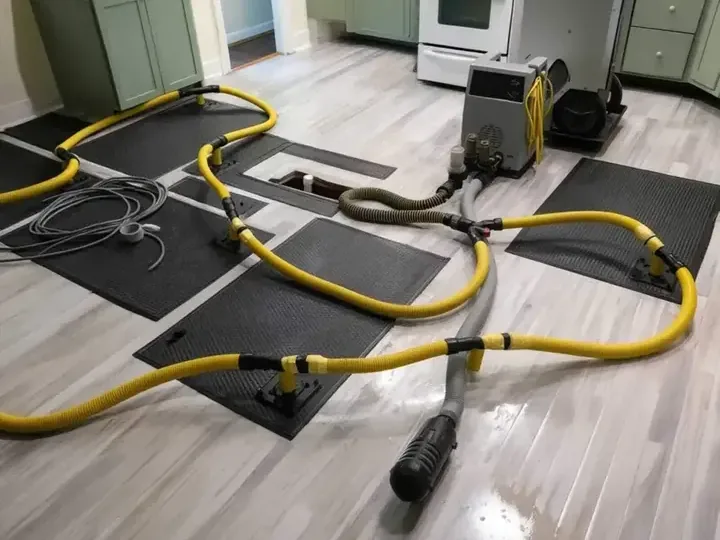
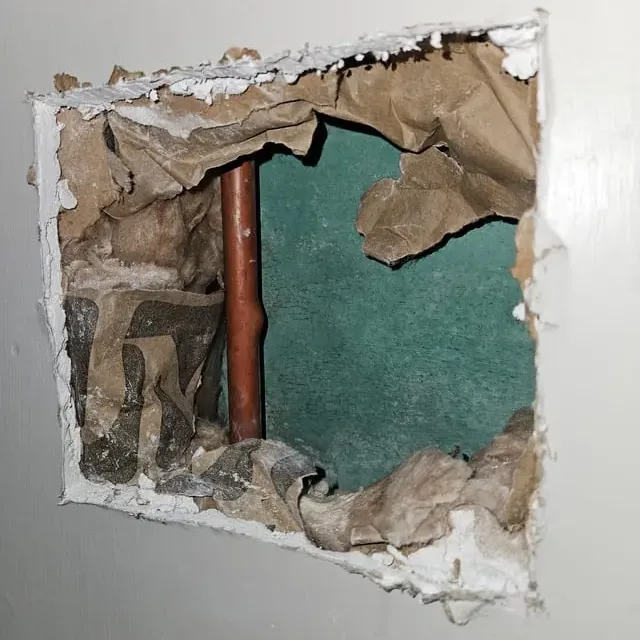
A drying plan that follows the water
The work sequence changes with contamination and construction, but the purpose stays consistent: remove recoverable water, expose trapped moisture where needed and verify that the affected assembly is ready for its next step.
Document the loss as it develops
Photos, source repair notes and a room list help explain what happened. Coverage depends on the policy and loss circumstances, so the insurer must address payment questions directly.
- Photograph water before the scene changes
- Keep receipts for urgent protective work
- List damaged belongings by affected room
- Save plumbing or roof repair findings
- Request copies of drying measurement records
When paying directly
An owner paying without a claim can still request an itemized scope, equipment expectations and a distinction between cleanup costs and the later rebuilding budget.
Comparing estimates is easier when each describes the same wet materials and removal tasks. A lower total may cover a different amount of work.
What entered the room changes the cleanup
Pressurized plumbing release
A broken supply can continue adding water until isolated, even after visible puddles have been removed.
Explore pipe cleanupEquipment overflow
Machine leaks require attention to connections, cabinet recesses and flooring beneath the appliance before normal operation resumes.
Inspect appliance damageContaminated drain water
A backup changes handling precautions and often limits the materials suitable for cleaning and continued use.
Understand sewage removalArrange cleanup for a property in Lovejoy
Roads around the city
Tara Boulevard · Talmadge Road · Hastings Bridge Road · Steele Road
Postal area
Other service areas
Give the property details first
An address, access contact and description of the damaged rooms help establish the job location and any entry restrictions before equipment is planned.
The town service overview connects individual cleanup options. The broader service area can help with a property outside the city.
(888) 532-4616Explain the property accessSee the wider service areaMake the wet area safer to assess
- Keep a dry boundary. People and pets should stay outside wet rooms until electrical conditions, ceiling stability and the water source are assessed.
- Stop a reachable supply. A known shutoff may limit an active plumbing release when it can be reached without crossing water or handling wet equipment.
- Leave swollen ceilings alone. A ceiling holding water can fall unexpectedly. Furniture can wait when moving it would place someone beneath the damaged area.
- Photograph from stable ground. Wide room views and close details of visible damage help preserve the sequence without disturbing materials or entering unsafe spaces.
- Describe what changed. Useful details include the first wet location, the last normal appliance use and whether water continues arriving after the supply stops.
Water damage help in nearby communities
Water damage questions in detail
Read the water damage articles for focused explanations of sources, wet materials and recovery decisions.
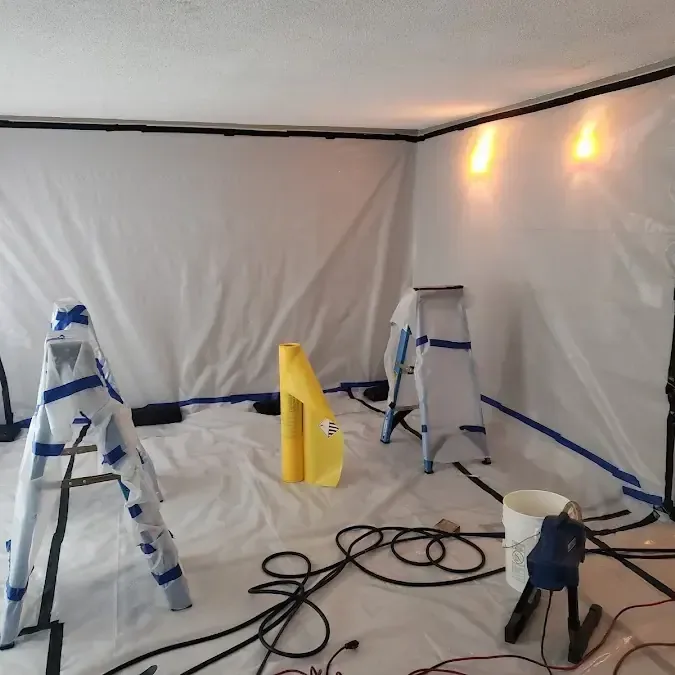
Drainage, supply and heavy rain
Lovejoy sits in southern Clayton County. Utility service, roadside drainage and private neighborhood maintenance have different responsibilities, so the visible location of a water problem matters when reporting it.
September 25-27, 2024: During Hurricane Helene, the Flint River gauge near Lovejoy reached a record major flood crest, while Clayton County experienced flash flooding.
- Roadside drainage responsibility. Clayton County Water Authority maintains stormwater infrastructure within road rights of way and directly connected to them. Blocked roadside drainage needs a clear location report.
- Neighborhood pond maintenance. The water authority typically assigns neighborhood drainage and retention pond upkeep to the homeowners association or developer. The responsible contact depends on the location.
- Water and sewer service. Clayton County Water Authority supplies both services here. An indoor leak still needs its own source assessment and building cleanup after the release stops.
- Community locations and access. Lovejoy City Hall sits on Talmadge Road, while Lovejoy Community Center is on Hastings Bridge Road. Property access details remain important during cleanup planning.
- Outdoor water and interior damage. Lovejoy City Garden occupies city land on Steele Road. For any building, runoff at an entrance requires attention to indoor contamination and wet material layers.
Questions after finding water
Does a small puddle mean a small job?
Not necessarily. Water may spread beneath a floor or wick into drywall while the visible pool stays small. The assessment should compare the surface damage with moisture readings at seams, wall bases and adjoining rooms before setting the cleanup boundary.
Who supplies water to properties in the city?
Clayton County Water Authority provides water service. A suspected supply problem can be reported to the authority, while a broken indoor connection needs plumbing assessment. Restoration addresses the water left in the building after the release has been controlled.
Is extraction the end of the cleanup?
Extraction removes accessible liquid. Flooring, insulation and framing may still hold absorbed moisture afterward. The remaining materials need a drying assessment, and the equipment plan should respond to those readings rather than the absence of puddles on the floor.
Can a ceiling stain wait until repainting?
The entry source and ceiling condition need attention first. A stain may sit below wet insulation or softened drywall. Any sagging area should remain clear of people until assessed, and painting belongs after source repair and appropriate drying.
Should appliances keep running after a leak?
A leaking machine should stay out of use until its fault is addressed. Restarting a cycle can add water behind cabinets or below flooring. Equipment that has been wet also needs an electrical safety assessment before it returns to service.
What changes when sewage reaches a room?
Access restrictions and contamination control become central to the work. The team evaluates which materials can be cleaned and which require removal. People should avoid tracking water into unaffected rooms, and drain use may need to stop pending source repair.
Can damaged belongings be discarded immediately?
Unsafe items require careful handling, but documentation should happen when conditions permit. Photos, descriptions and an inventory preserve useful information before disposal. The insurer can explain its documentation requirements, while the cleanup team addresses contamination and safe movement of affected contents.
How is the drying period decided?
The type and thickness of wet materials, their accessibility and changing readings determine the drying course. A room that feels comfortable can still contain moisture beneath finishes. Progress checks establish whether equipment placement or material access needs adjustment.
Which records should remain after mitigation?
The owner should retain the work scope, damage photographs, removal notes and drying records, along with separate source repair invoices. Those documents help the next contractor understand what was opened and what remains before installing finishes or closing cavities.
Start with the room that changed first
Describe the source, water path and current hazards so the cleanup discussion begins with the property's immediate needs.
(888) 532-4616Discuss the first wet area