Water Damage Restoration in Stockbridge
Water hiding beneath a floor can matter as much as the puddle beside it. Stockbridge restoration starts by finding the release, tracing its spread and deciding which building materials need attention.
(888) 532-4616Discuss the wet roomsThe first conversation should cover the source, affected rooms and any blocked access before a cleanup scope is established.
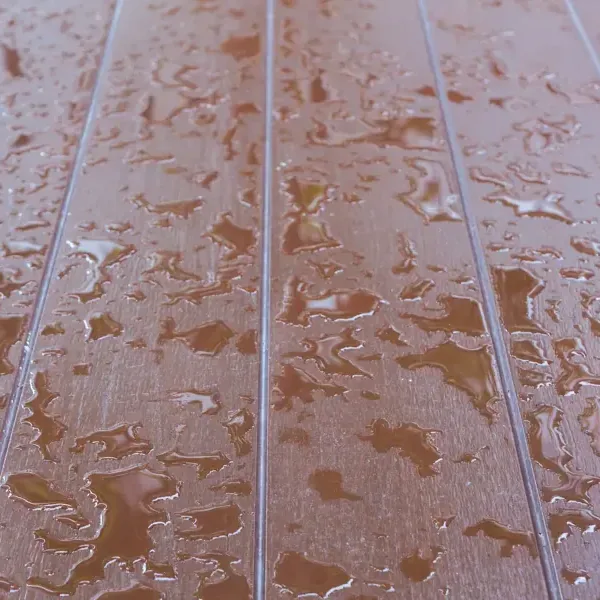
Choose the problem that matches the property
A dripping ceiling, overflowing fixture and soaked wood floor each present a different starting point. The damage determines the next restoration step.
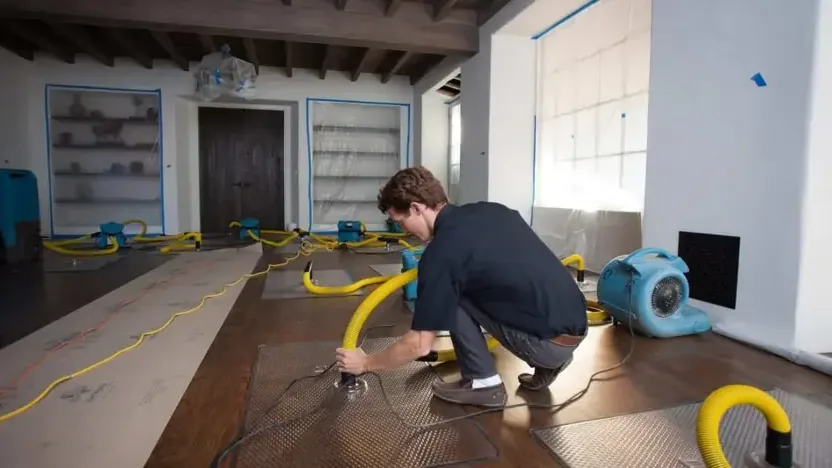
Water Extraction
Standing water gets removed from accessible surfaces while the crew checks thresholds and adjoining rooms for overlooked pockets.
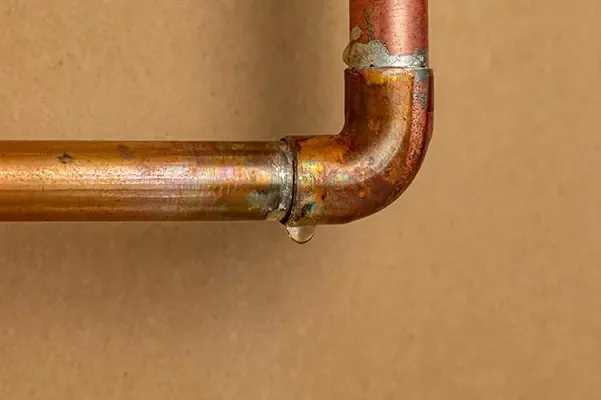
Burst Pipe Water Damage
A broken supply pipe can send water into several spaces before anyone discovers the wet wall or soaked carpet.
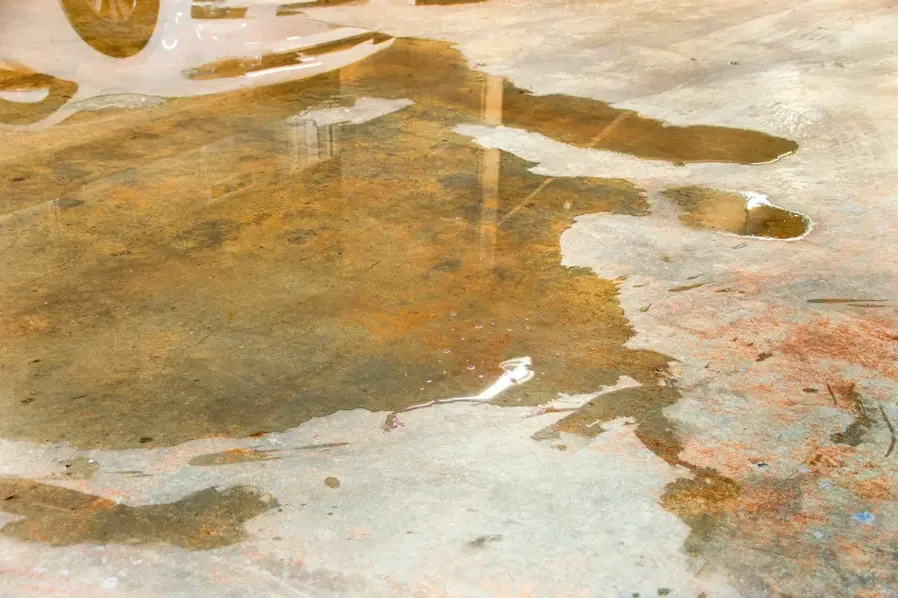
Slab Leak Water Damage
Persistent floor dampness needs a source investigation, followed by attention to the concrete and materials installed above it.
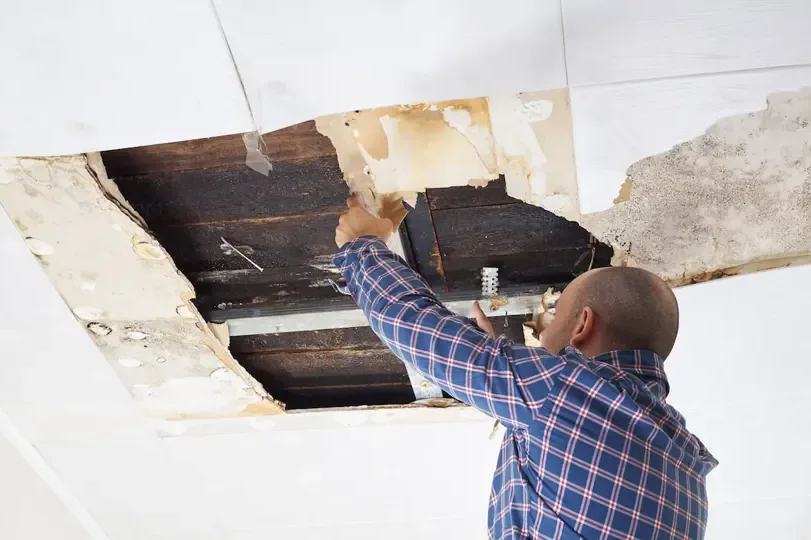
Ceiling Leak Water Damage
Overhead stains call for a check of the cavity, insulation and downward path through walls into the room below.
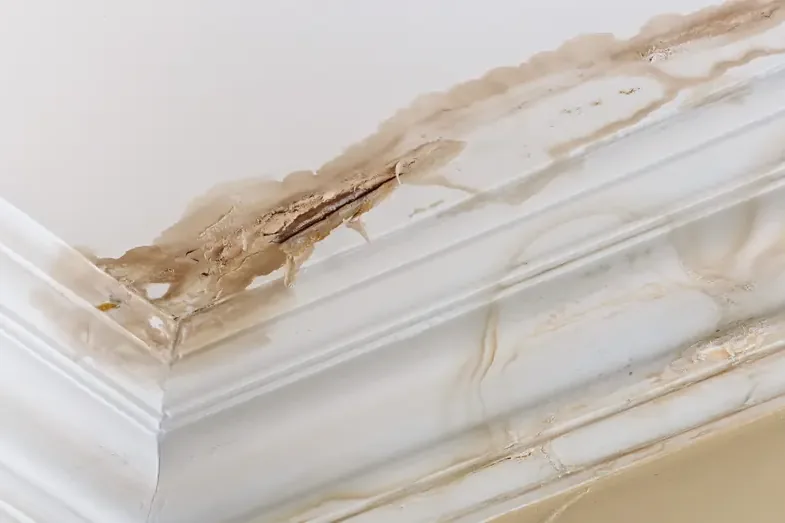
Roof Leak Water Damage
Rain entering overhead can travel along framing before appearing indoors, so the visible ceiling mark is only a starting point.
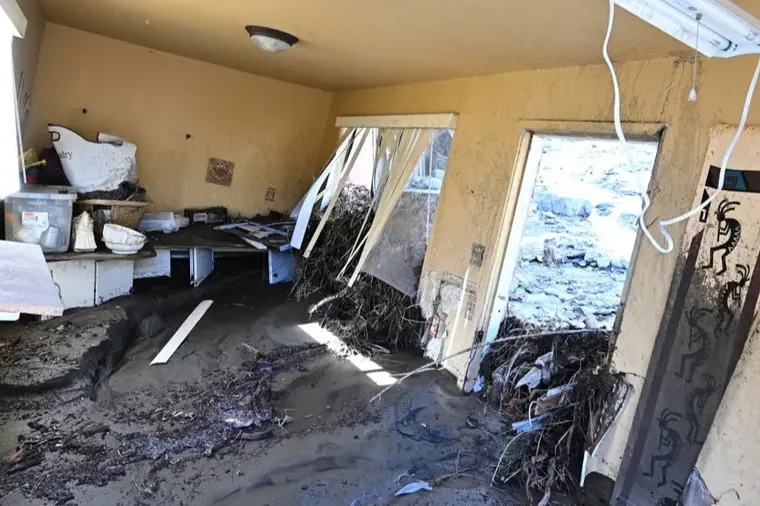
Storm Flood Cleanup
Water entering from outdoors brings a different cleanup scope, including sediment removal and decisions about saturated porous finishes.
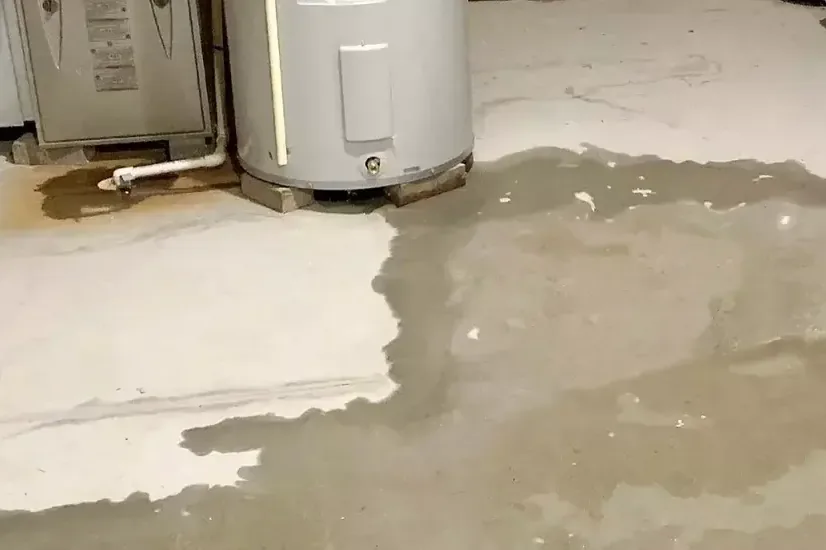
Water Heater Leak Cleanup
A leaking tank can wet the closet base, adjoining wall bottoms and flooring beyond the equipment's immediate footprint.
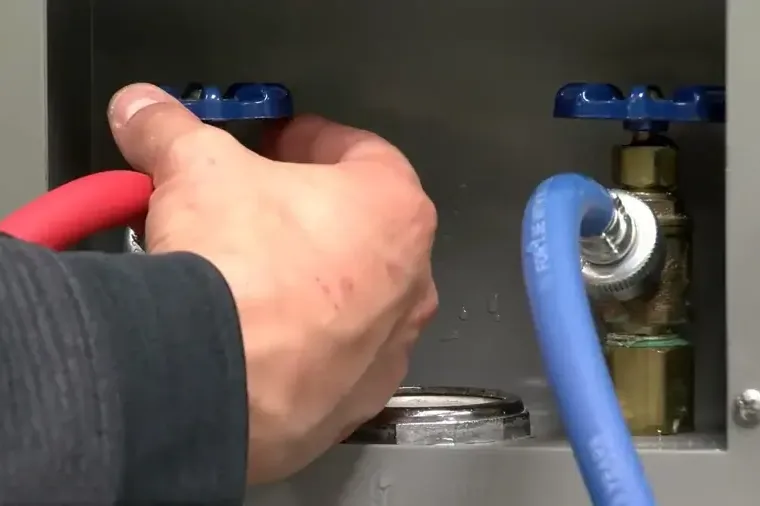
Appliance Leak Water Damage
Kitchen and laundry leaks need inspection beneath equipment, behind cabinet toes and along connections between different floor finishes.
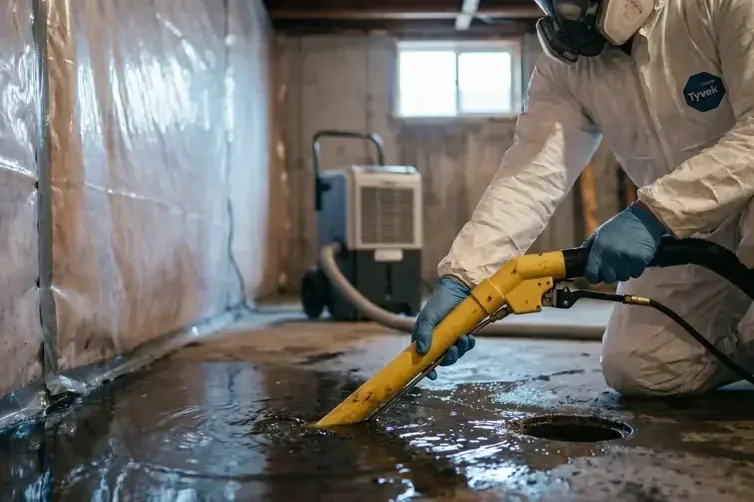
Sewage Backup Cleanup
Wastewater cleanup separates affected rooms from daily activity and addresses contaminated surfaces after the drain problem receives attention.
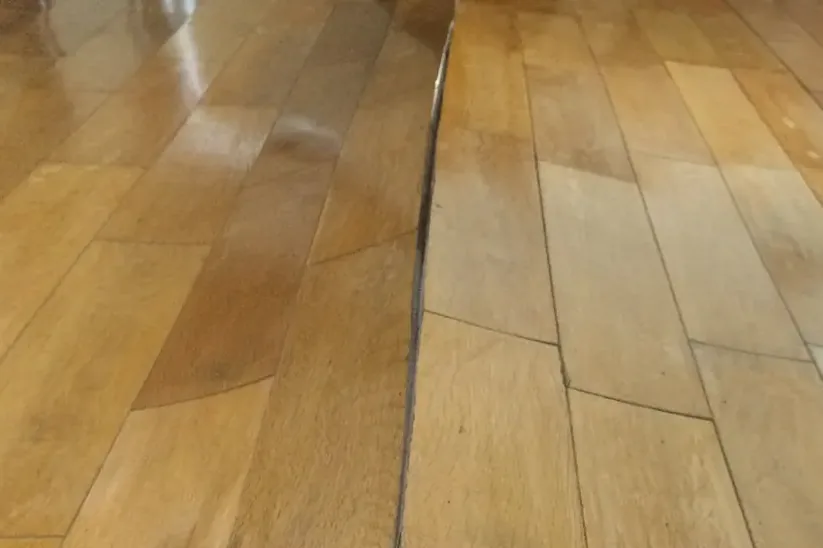
Hardwood Floor Water Damage
Changes in board shape need moisture measurements through the floor assembly before decisions about drying, repair or replacement.

Structural Drying
Air movement and dehumidification work together with repeated measurements to reach moisture trapped inside accessible walls and floors.
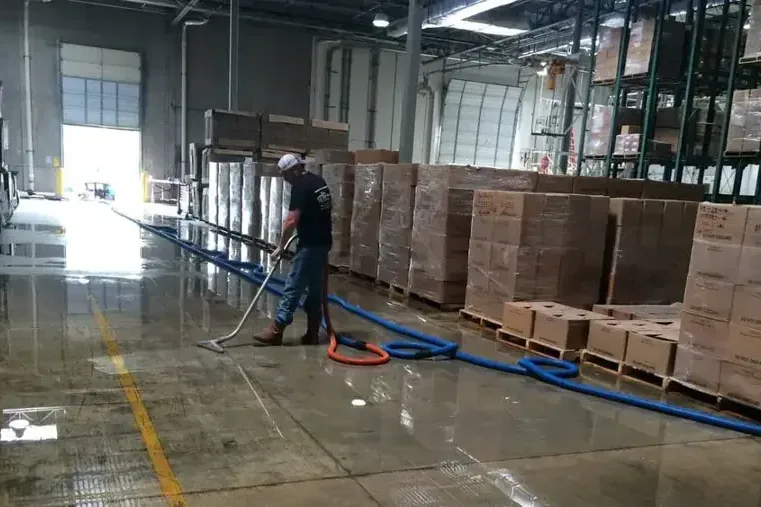
Commercial Water Damage
Business cleanup coordinates room access, wet inventory and equipment placement around the actual use of the affected premises.
How a water loss moves toward recovery
- 1
Define the release
The assessment records where water appeared, whether it is still entering and which rooms share walls, floors or openings with that area.
- 2
Remove accessible water
Extraction targets the liquid that equipment can recover directly, including pockets along thresholds and beneath safely movable contents in the affected spaces.
- 3
Expose necessary surfaces
Selected access allows inspection and drying of retained materials when a closed finish prevents useful airflow or hides deterioration behind the surface.
- 4
Check the endpoint
Recorded material readings and room conditions support the decision to remove equipment and identify any remaining work before finishes close the assembly.
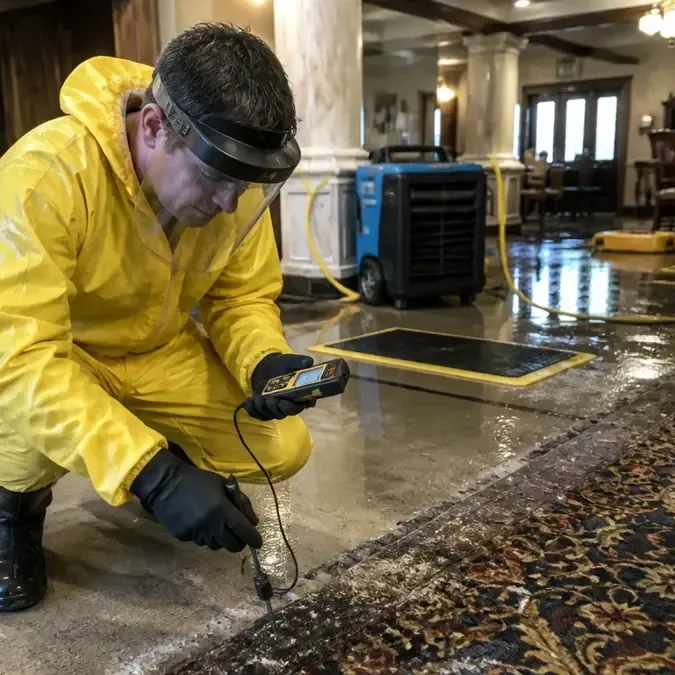
A visible puddle rarely describes the whole job
An orderly assessment distinguishes removable water from moisture held inside materials. That distinction helps the property owner understand why a room may need continued drying after its exposed surfaces look clear.
Specific wet boundaries
The inspection follows changes at floor joints, wall bases and room transitions rather than stopping at the largest visible stain.
Material decisions
A swollen cabinet panel and a damp structural member need different evaluations before either becomes part of the repair scope.
Useful progress records
Measurements taken at identified locations help explain what is improving and where equipment or access still needs adjustment.
Clear work handoff
The closing record should separate completed mitigation from plumbing correction, finish replacement and other tasks that require a separate trade.
What changes a Stockbridge water damage estimate?
The estimate depends on wet material volume, source condition, removal access and the amount of concealed drying required. A contained surface release involves different work from water beneath cabinets or inside several rooms. Inspection establishes the actual scope.
Contained room damage
- Accessible wet surfaces
- Limited material removal
- Focused moisture checks
Connected spaces affected
- Several room transitions
- Additional drying access
- Broader equipment placement
Extensive concealed spread
- Layered wet assemblies
- Complex removal work
- Expanded monitoring needs
These planning ranges describe mitigation scope. Source repair, replacement finishes and claim payment are separate questions. A written estimate should identify included work and explain what remains outside that price. Compare cost factors
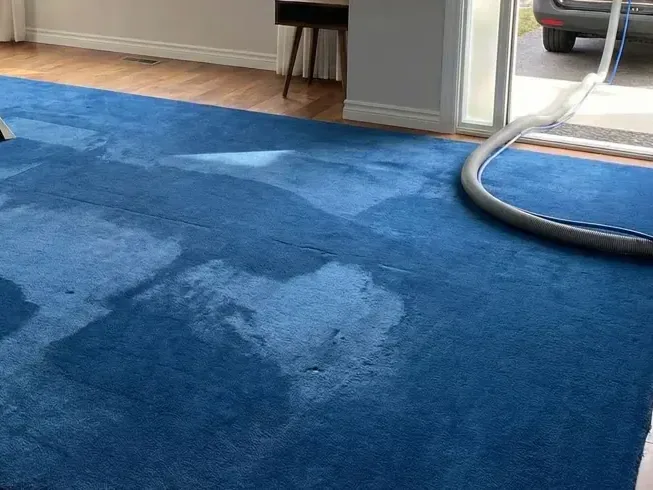
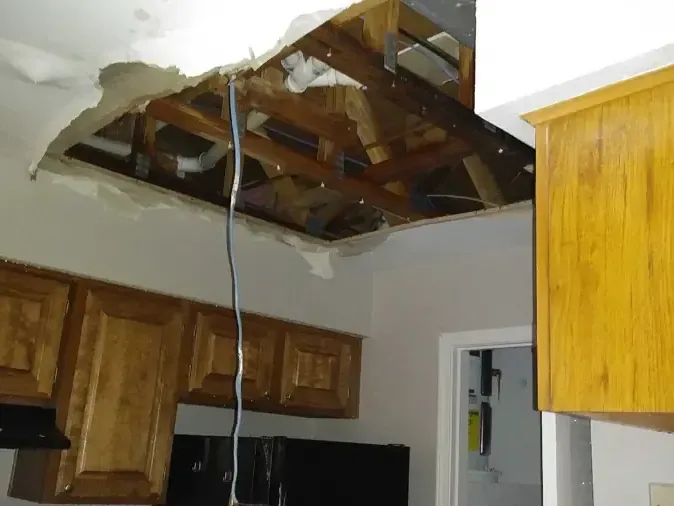
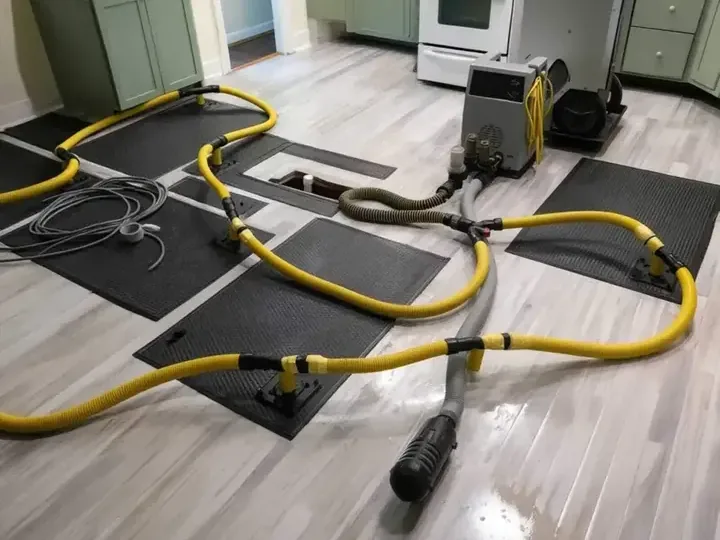
Water removal and drying inside affected rooms
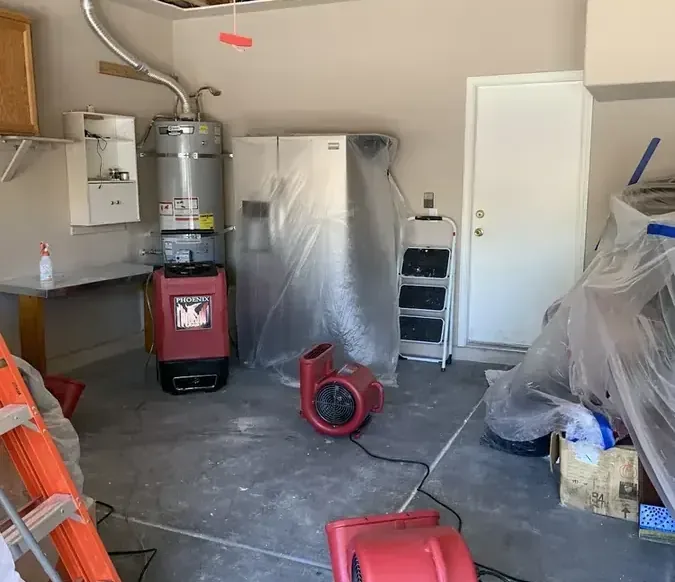
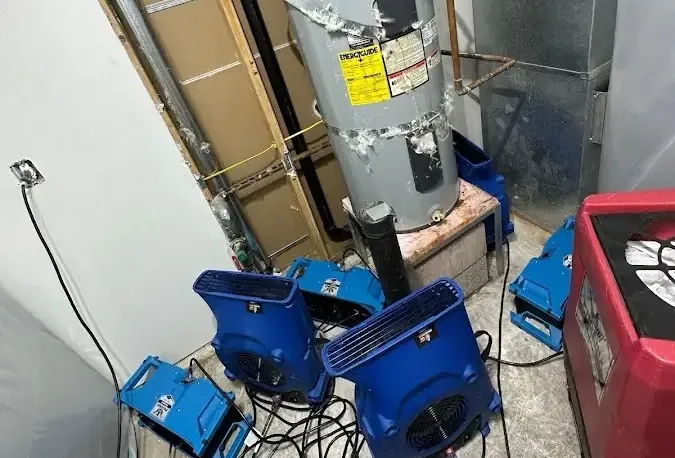
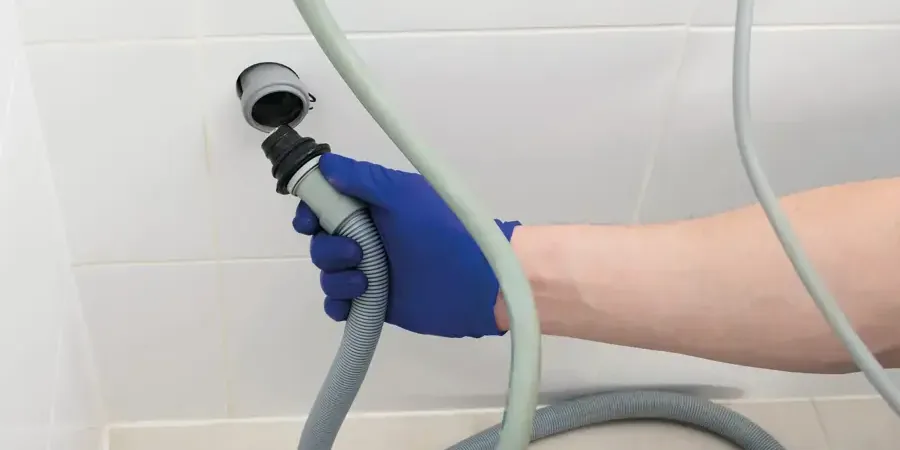
Follow water from release to retained moisture
Restoration progresses through connected decisions. Removing standing water makes inspection easier, while repeat measurements show whether the remaining assembly is responding to the selected drying arrangement or needs a revised approach.
Records that explain the damage
Useful claim documentation connects the source, discovery and affected materials. The policy and insurer determine coverage, while the mitigation record describes observed conditions and the work performed at the property.
- Discovery date and sequence of visible changes
- Photos showing source and connected wet rooms
- Itemized descriptions of damaged movable property
- Receipts for mitigation and separate source repair
- Moisture records and the final work scope
When the owner pays directly
A self funded cleanup still benefits from a written scope. Removal, equipment use and monitoring should be described clearly enough to compare the proposed work with conditions.
The owner can request separate explanations for urgent mitigation and later finish repairs. That separation helps establish priorities without confusing drying work with a full room renovation.
Separate the release before choosing the cleanup
Supply water escapes
A failed pressurized pipe needs isolation and inspection of the route taken through nearby materials.
Trace pipe spreadEquipment releases water
A washer or dishwasher can trap moisture underneath a finished surface despite a small visible spill.
Check appliance surroundingsWastewater moves indoors
A drain backup changes handling, room access and disposal decisions for everything contacted by the release.
Understand contaminated cleanupStockbridge locations and access details
Roads and nearby landmarks
U.S. Route 23 · Interstate 75 · Interstate 675 · Clark Community Park
Listed postal area
Other area towns
Describe the building entrance
U.S. Route 23 runs through the city center. A property near that corridor should be identified by its actual entrance and affected rooms.
Some unincorporated Rockdale County properties use a Stockbridge mailing address. Complete location details help establish the correct property before discussing equipment access and work arrangements.
(888) 532-4616Explain the property accessView area restoration optionsMake the damaged area easier to assess
- Keep access safe. Occupants should remain outside rooms with sagging ceilings, submerged electrical equipment or wastewater until the hazards have been assessed.
- Identify ongoing flow. A safely accessible water shutoff can limit a supply release. Electrical or hot equipment needs the appropriate specialist's attention.
- Record the starting condition. Photos from a dry position should show the apparent source and affected surfaces before movable belongings change location.
- Separate wet belongings. Dry possessions can be moved away from the affected area when the route is safe and contamination is absent.
- Explain connected spaces. The initial description should include rooms beside and below the leak, especially where flooring continues through an open doorway.
Water damage help in nearby communities
Water damage questions in detail
Read the water damage articles for focused explanations of sources, wet materials and recovery decisions.
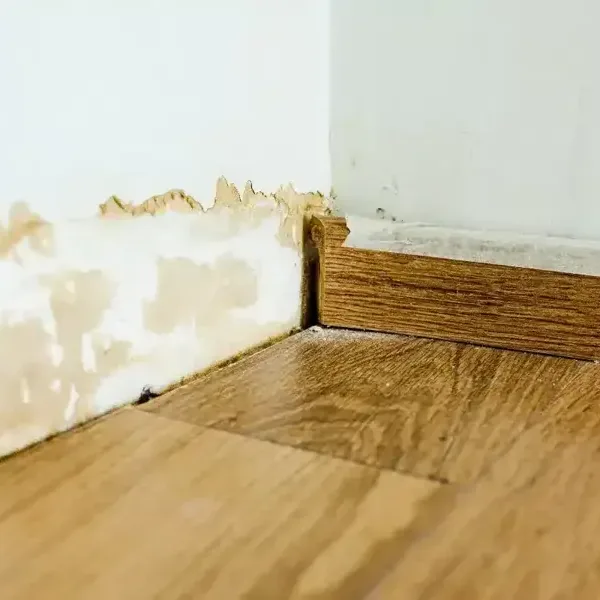
From entry points to wet materials
Stockbridge lies in northwestern Henry County. Clark Community Park, Gardner Park and Memorial Park provide useful location references, while each building needs an inspection of its own water entry and materials.
September 2009: Rain began across northern Georgia and the Atlanta area on September 15, 2009, preceding the regional flooding later that month.
- Roadside access. Interstate 75 passes through southwestern Stockbridge. A damaged property's parking, entrance and interior access determine how extraction equipment can reach the affected rooms.
- Postal identification. Mailing descriptions can cross municipal boundaries. A full property location is especially useful when the initial description includes only a postal city and ZIP.
- Changes beneath a finish. Wet flooring can conceal additional water underneath. Thresholds and cabinet bases deserve attention when a spill disappears from view but dampness remains.
- Water from above. A ceiling mark can sit below a longer water path. Inspection should follow the cavity and wall connection before a patch hides the damage.
- Rain at an opening. Storm entry requires a look at the actual doorway, wall or roof opening involved. Cleanup decisions follow the indoor conditions and affected materials.
Questions after water appears
What belongs in the first damage description?
The property owner should describe where water first appeared, whether it continues entering and which adjoining spaces feel wet. Mentioning a swollen door, sagging ceiling or contaminated floor helps the team understand the immediate inspection priorities.
Does an apparently dry floor end the job?
A dry looking surface can cover moisture in underlayment, wall bottoms or cabinet panels. Material readings and accessible inspection points help decide whether the assembly needs further work. Appearance alone is a poor basis for replacing finishes.
Can a leaking appliance affect another room?
Water can pass beneath a partition or along a continuous floor before emerging elsewhere. The inspection may include the adjoining hallway or room even when the appliance sits behind a closed door and the original spill seems contained.
How does extraction differ from continued drying?
Extraction collects liquid water that can be physically removed. Drying addresses moisture retained within materials using controlled air movement and dehumidification. A project may need both stages, with measurements identifying the remaining wet surfaces after pumping or vacuum extraction.
Is the listed ZIP enough to locate a property?
Stockbridge has the listed ZIP 30281, but a mailing city alone can leave location details unclear. The assessment needs the actual property location, entrance arrangement and contact information for the person able to authorize access to wet rooms.
What should happen before a ceiling is repainted?
The source needs correction and the overhead assembly needs evaluation. Repainting a stain while insulation or framing remains wet can hide unresolved damage. Ceiling leak assessment addresses the materials above the visible room surface.
Does a sewage release need different handling?
Wastewater changes the approach to cleaning, disposal and access. Occupants should keep away from affected surfaces and avoid carrying contamination into other rooms. The drain defect and the interior cleanup require coordinated attention before routine use resumes.
What information supports an insurance conversation?
Photos, a discovery timeline, repair invoices and a detailed mitigation scope help describe what happened. The insurer applies the policy to the claim. Equipment records and material observations explain the cleanup decisions without substituting for the coverage determination.
When is a wood floor ready for repair?
Board condition and moisture through the assembly should be assessed before sanding or replacement. Wood floor damage evaluation considers the underlayer as well as the visible boards, so the finish decision follows the actual drying progress.
Start with the rooms that changed
A clear description of the release helps set the inspection priorities for wet flooring, walls and connected spaces.
(888) 532-4616Discuss a room assessment