Slab Leak Water Damage in Lovejoy
An unexplained wet floor needs a source investigation before its coverings are replaced. When a leak involves plumbing beneath concrete, cleanup must account for moisture within the floor assembly after repair.
(888) 532-4616Discuss unexplained floor moisture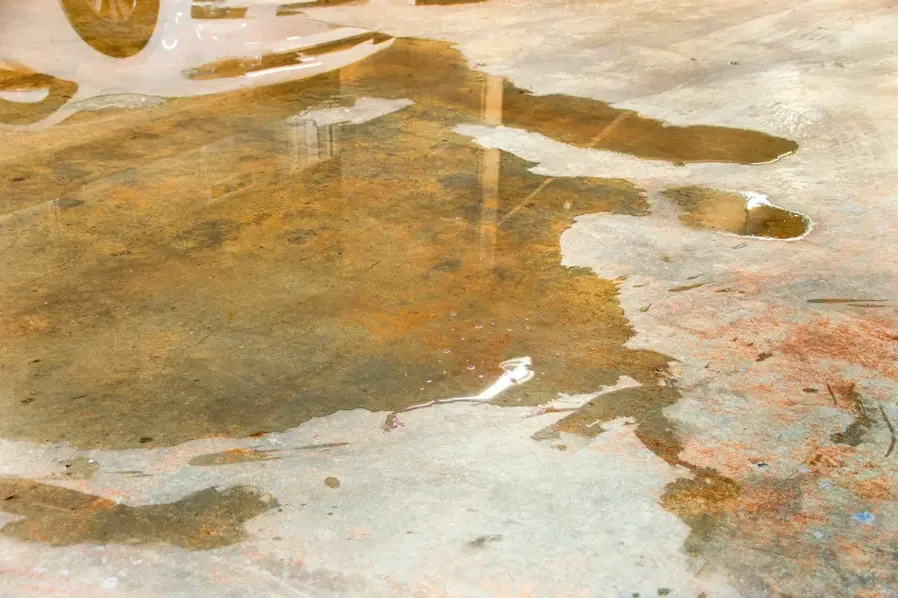
First steps for slab leak water damage
- Track recurring dampness
Record which area becomes wet again and whether the pattern changes after water use. Photos can preserve the progression without disturbing the floor.
- Arrange source investigation
A plumbing assessment should establish whether a concealed supply problem is involved and identify appropriate repair access before the damaged covering is replaced.
- Keep floor edges visible
Accessible baseboards and transitions help the mitigation team compare the wet center with surrounding materials and identify where moisture has migrated beneath finishes.
- Save installation information
Available flooring details and previous repair records can help with later substrate requirements. Keep those documents alongside source findings and the initial damage photographs.
What does slab leak water damage cost in Lovejoy, GA?
Slab leak water damage cleanup in Lovejoy varies with floor layers, concealed spread and the access needed after source repair. The bands below concern mitigation; leak location, plumbing excavation and replacement flooring may require separate scopes and pricing.
Localized floor wetting
- Small affected footprint
- Accessible floor edges
- Limited covering removal
Several wet layers
- Trapped underlayer moisture
- More substrate testing
- Expanded drying access
Widespread concealed loss
- Connected floor assemblies
- Broader material removal
- Complex drying sequence
Water category, wet area, material class and the delay before drying change the total. The water damage cost calculator compares a planning range before an on-site assessment.
The slab leak water damage process
- 1
Compare moisture patterns
The assessment records the affected finish and perimeter materials, distinguishing the visible damp area from the wider footprint indicated by testing and inspection.
- 2
Coordinate the repair opening
Plumbing access and water damage access are reviewed together so a repaired source does not leave saturated layers sealed beneath an otherwise finished floor.
- 3
Treat accessible wet layers
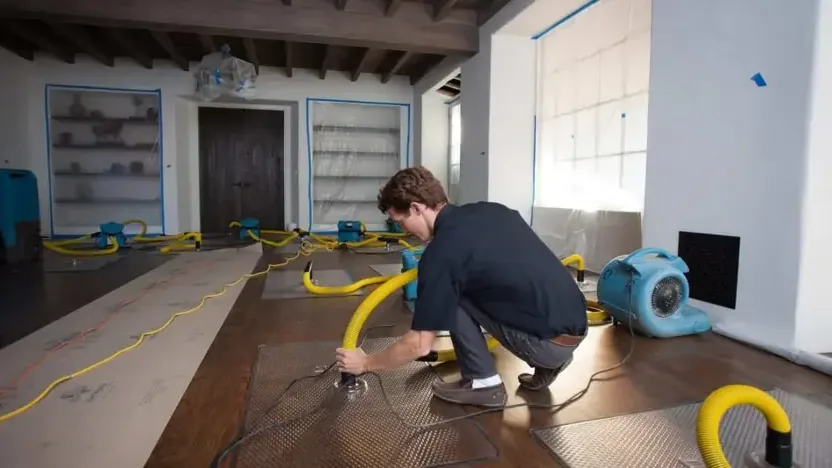
Standing liquid is removed and damaged coverings are evaluated, with controlled drying directed toward the materials remaining in place after the removal decisions.
- 4
Assess the next installation
Final documentation describes substrate condition and outstanding requirements, helping the flooring contractor decide what additional preparation is needed before a replacement finish is installed.
A floor that becomes damp again after wiping deserves more than another surface cleanup. In Lovejoy, a suspected slab leak starts with identifying the actual water source and the affected construction. Cleanup decisions then follow the layers present in that property, from the visible finish to moisture held against concrete or beneath an underlayment.
Establish what is feeding the wet area
Clayton County Water Authority supplies local water service, while diagnosis of an interior concealed leak requires attention to the property's plumbing. A wet floor can have several causes. Source testing should establish whether a supply pipe, appliance, drain or exterior entry is responsible before destructive access or floor replacement is planned.
For a building near Steele Road, the intake description should identify the room and whether dampness returns after the floor is wiped. Around Tara Boulevard or Hastings Bridge Road, the same useful distinction is between a recurring source and moisture left behind by a stopped release. Road location helps arrange access; the material findings determine the work.
Inspect across the floor assembly
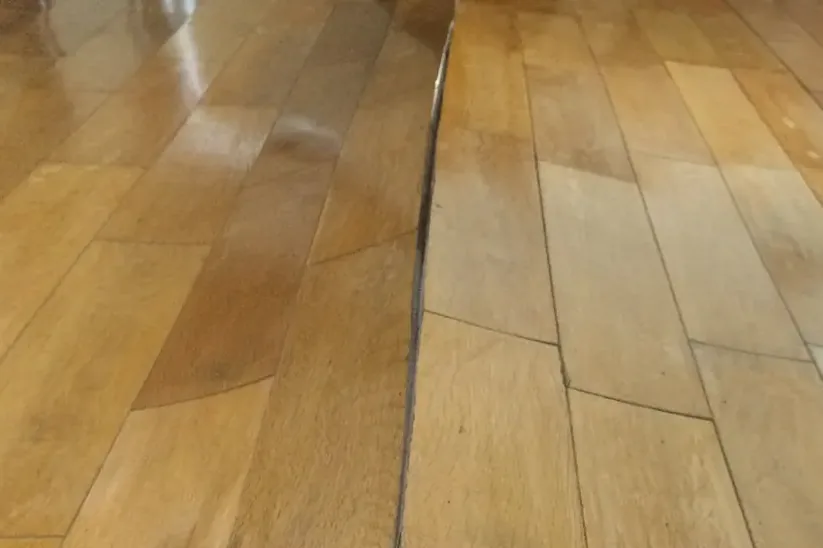
Concrete can remain damp after liquid disappears from its surface. A covering may trap that moisture or conceal its spread toward a wall. The assessment compares affected locations with suitable dry areas and records the type of finish, visible distortion and any existing repair openings. Different flooring products require different conditions before installation resumes.
- Map damp perimeter trim rather than stopping at the center of the room.
- Inspect seams where separate coverings meet over the same supporting surface.
- Identify cabinets or stored contents that prevent inspection of the wet boundary.
- Keep source repair debris distinct from materials damaged by the water release.
Drilling, breaking concrete or opening a floor is not an appropriate way for an occupant to investigate unexplained dampness. Concealed services and electrical hazards require professional planning. Safe photographs and a record of when the moisture returns provide useful information without disturbing the assembly.
Plan replacement around the substrate
The repair opening and the moisture footprint may differ substantially. Once the source is controlled, targeted extraction handles accessible liquid and structural drying addresses retained moisture. Removing a covering may be necessary when it blocks access, has deteriorated or cannot be recovered under the conditions found.
Replacement flooring should follow an assessment of the supporting surface and the product's installation requirements. The owner needs a record of what was tested, where readings were taken and what remains before reconstruction. Closing the repair opening is one task; preparing the wider wet floor for a durable finish is another.
How the slab leak water damage work progresses
Compare moisture patterns
The assessment records the affected finish and perimeter materials, distinguishing the visible damp area from the wider footprint indicated by testing and inspection.
Coordinate the repair opening
Plumbing access and water damage access are reviewed together so a repaired source does not leave saturated layers sealed beneath an otherwise finished floor.
Treat accessible wet layers
Standing liquid is removed and damaged coverings are evaluated, with controlled drying directed toward the materials remaining in place after the removal decisions.
Assess the next installation
Final documentation describes substrate condition and outstanding requirements, helping the flooring contractor decide what additional preparation is needed before a replacement finish is installed.
Slab Leak Water Damage coverage in Lovejoy
A suspected concealed leak in 30250 can be discussed with the room location, finish type and recurrence pattern. Access from Steele Road or Tara Boulevard is planned around the actual property entrance and any wet floor restrictions.
The same service nearby: slab leak water damage in Morrow, Stockbridge, Riverdale.
Water damage restoration in Lovejoy · every town coveredRelated water damage services in Lovejoy

Slab Leak Water Damage questions in Lovejoy
Does every damp concrete floor mean a broken pipe?
No. The source investigation must distinguish plumbing from other water entry and residual moisture. Cleanup should address the cause actually found, rather than using the appearance of a wet floor to choose an invasive repair method.
Why can flooring remain wet after the repair?
Water already held below a covering needs a path out. Repairing the pipe stops replenishment, but moisture can remain within concrete, adhesive or underlayment. Those layers need their own assessment before the floor receives another finish.
Must the entire floor covering be removed?
The boundary depends on moisture spread, contamination, physical damage and drying access. Inspection should explain which areas can remain and why other sections require removal. A room's doorway is not automatically the limit of a concealed wet assembly.
Can a fan dry moisture beneath an intact covering?
Surface airflow may have little effect on moisture trapped below a restrictive finish. The team evaluates access and material behavior before selecting drying methods. Equipment placement needs to address the wet layer rather than only the air above it.
When can replacement boards or tile be installed?
The supporting assembly must meet the relevant installation conditions, including any required substrate testing. A surface that looks dry may still be unsuitable. The drying record and installer assessment should establish readiness before the replacement material is delivered.
What should an owner describe before inspection?
Useful details include when dampness began, whether it returns after wiping, nearby plumbing use and the type of floor covering. Any recent source repair should be mentioned so the inspection can distinguish continuing entry from retained moisture.
Plan the floor recovery after source repair
Describe the wet pattern, covering type and repair status to discuss access, moisture removal and the requirements that precede replacement flooring.
(888) 532-4616Discuss the concealed wet layers