Water Heater Leak Cleanup in Lovejoy
Water beside a heater can travel beneath the threshold before the leak is noticed. Cleanup needs to examine the equipment area and adjoining materials after the heater and its supply are safely addressed.
(888) 532-4616Discuss the wet heater area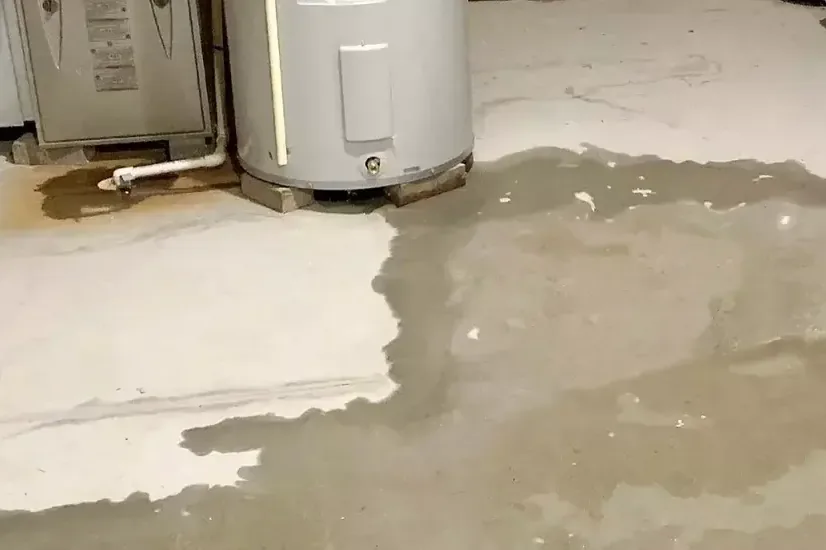
First steps for water heater leak cleanup
- Keep away from wet controls
Hot water and unsafe energy connections can limit entry. Avoid wet switches or valves until access and equipment isolation have been assessed.
- Describe the visible escape path
Note whether water remains beside the tank, passes beneath a door or appears in the next room. That pattern helps direct the material inspection.
- Arrange equipment source work
A repair professional identifies the failed component and installation needs. Share the replacement schedule when discussing access for drying.
- Clear only safe stored items
Dry belongings outside the wet zone can be moved to improve access. Soaked contents beside the heater need planned handling after equipment safety is established.
What does water heater leak cleanup cost in Lovejoy, GA?
Water heater leak cleanup in Lovejoy depends on whether water stayed in the equipment area or entered concealed and adjoining materials. These mitigation allowances exclude the heater itself unless stated; equipment repair and installation should have clearly separated estimate items.
Closet-only wetting
- Accessible closet floor
- Limited wall exposure
- Focused water removal
Adjoining room damage
- Threshold moisture spread
- Connected floor drying
- Additional trim access
Concealed spread
- Wet platform layers
- Hidden cavity access
- Expanded material assessment
Water category, wet area, material class and the delay before drying change the total. The water damage cost calculator compares a planning range before an on-site assessment.
The water heater leak cleanup process
- 1
Assess isolation and access
The cleanup scope begins with the heater's safety status and source findings, including whether removal is needed to reach damaged material beneath or behind the equipment.
- 2
Extract around the installation
Accessible water is collected while the crew checks closet edges, the threshold and adjoining floors for evidence that the release has crossed the visible equipment area.
- 3
Treat hidden wet supports
Platforms, wall bases and other obstructed layers are evaluated for damage and drying access, with any necessary opening coordinated around the equipment replacement requirements.
- 4
Confirm the installation handoff
Material readings and remaining repair needs are documented before the area is enclosed again, helping the owner coordinate the heater installation with reconstruction of the surrounding finishes.
A water heater leak in Lovejoy can look contained because the tank blocks the view of the floor behind it. Water may already have crossed a wall base or entered an adjoining room. The cleanup assessment starts with equipment safety and then follows the release around the installation, including surfaces that cannot be seen from the closet doorway.
Address the heater without overlooking the room
A repair professional needs to determine whether the tank, a connection or another component is responsible. The equipment's energy source and potentially hot water affect safe isolation. Mitigation then addresses what escaped into the building. Replacing the heater can improve access, but its removal and installation need coordination with treatment of the wet floor or support beneath it.
Lovejoy publishes a Plumbing Permit Application through its city permit page. Questions about a proposed repair and any applicable permit should go to the city. Lovejoy City Hall is on Talmadge Road; the property assessment itself needs the actual heater location and available access, whether the building is reached from Hastings Bridge Road or Steele Road.
Check beyond the drain pan
A pan can collect some water while overflow reaches surrounding finishes. A closet threshold can also direct water under flooring rather than into an obvious open pool. Inspection should compare the visible heater area with wall bases and connected rooms. Stored items may conceal dampness, and a platform can contain wet layers behind its outer surface.
- Inspect the rear and side edges once safe equipment access is established.
- Check the adjoining floor even when its visible surface seems unchanged.
- Document wet stored belongings before they are moved away from the installation.
- Keep the replacement equipment schedule aligned with drying access beneath it.
A wet heater area can involve hot water and electrical or fuel equipment. Occupants should not handle wet controls, disconnect components or move the tank. The appropriate trade must establish safe equipment conditions before cleanup proceeds around the installation and its concealed connections.
Recover the installation area before closing it
Water removal clears the accessible pool, while remaining dampness in walls or support materials requires its own assessment. An equipment replacement should not conceal a wet platform or trap moisture under a new installation. The drying plan needs access to the materials that actually received the release.
If water has traveled into adjacent spaces, structural drying follows that wider footprint. Final notes should distinguish the heater repair from mitigation, record affected materials and identify any finish work left afterward. This helps the owner coordinate the installation and the room repair as connected tasks with different completion requirements.
How the water heater leak cleanup work progresses
Assess isolation and access
The cleanup scope begins with the heater's safety status and source findings, including whether removal is needed to reach damaged material beneath or behind the equipment.
Extract around the installation
Accessible water is collected while the crew checks closet edges, the threshold and adjoining floors for evidence that the release has crossed the visible equipment area.
Treat hidden wet supports
Platforms, wall bases and other obstructed layers are evaluated for damage and drying access, with any necessary opening coordinated around the equipment replacement requirements.
Confirm the installation handoff
Material readings and remaining repair needs are documented before the area is enclosed again, helping the owner coordinate the heater installation with reconstruction of the surrounding finishes.
Water Heater Leak Cleanup coverage in Lovejoy
Heater cleanup for properties around Hastings Bridge Road and Steele Road begins with the installation location, current leak status and access restrictions. Within 30250, those details help identify whether the work concerns one closet or connected rooms.
The same service nearby: water heater leak cleanup in Morrow, Stockbridge, Riverdale.
Water damage restoration in Lovejoy · every town coveredRelated water damage services in Lovejoy


Water Heater Leak Cleanup questions in Lovejoy
Does replacing the heater remove the water damage?
Replacing failed equipment addresses the source, but water may remain in surrounding walls, flooring or its support platform. Those materials need inspection and drying decisions. Replacement timing should preserve access to the wet assembly rather than cover it prematurely.
Can the puddle be larger than the tank leak suggests?
A release can continue through connected supply plumbing, depending on the failure and isolation status. The visible puddle also changes as water enters concealed layers. The assessment should establish source control and inspect adjoining materials rather than estimate from tank size.
Should the drain pan be emptied by the owner?
Hot water and nearby equipment connections can make access unsafe. The area needs a safety assessment before water is handled. Removing liquid from a pan also leaves unanswered questions about overflow, the source and damp materials around or beneath the installation.
Does the city require a permit for this repair?
The city publishes a Plumbing Permit Application, and the proposed work should be discussed with its permit office. The applicable requirement depends on the repair. Cleanup planning can proceed with source information while the responsible trade resolves the installation requirements.
Why check the room on the other side of the wall?
Water can pass under a wall base or through connected flooring without creating a visible stream in the doorway. Comparing adjoining surfaces helps establish the real footprint and avoids ending the drying plan at the boundaries of the heater closet.
What information helps coordinate the replacement?
The repair finding, anticipated equipment removal and installation sequence, and access to the floor beneath the heater are useful details. Mitigation records should then show which materials were wet and what must be completed before the installation area is closed.
Coordinate the new equipment with a dry installation area
The restoration team can discuss closet access, wet supports and adjoining rooms so source work and building recovery fit into a practical sequence.
(888) 532-4616Discuss closet drying access