Roof Leak Water Damage in Lovejoy
Rain can enter at one opening and show up in another room. Interior cleanup traces that route through overhead materials while the roofing repair addresses the point allowing water into the building.
(888) 532-4616Discuss rain entering overhead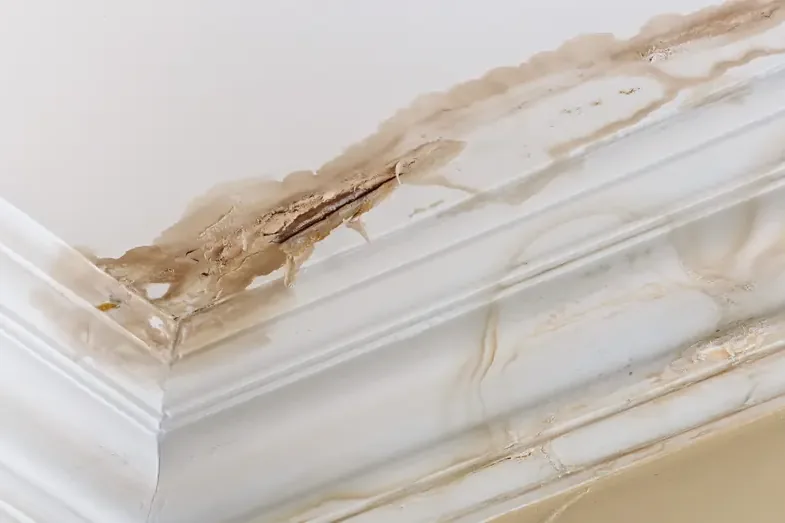
First steps for roof leak water damage
- Observe from a protected position
Note the room and ceiling edge showing water without approaching unstable materials. A safe photo can capture the pattern before the stain changes.
- Arrange exterior source attention
The roof opening needs assessment by the appropriate repair trade. Keep information about temporary protection and permanent repair available for the interior cleanup discussion.
- Document weather and dripping
Record whether the leak starts during rain or continues afterward. The sequence can help distinguish active entry from water still draining through overhead materials.
- Leave attic hazards to assessment
Wet decking, exposed wiring and unsupported ceiling surfaces limit access. Stored belongings should remain in place when retrieving them would require entering an unsafe overhead area.
What does roof leak water damage cost in Lovejoy, GA?
Roof leak cleanup in Lovejoy is influenced by attic access, wet insulation and how far water traveled below the opening. These mitigation ranges help frame the discussion; roofing repair and replacement interior finishes need their own clearly identified estimate items.
Limited ceiling wetting
- Small interior stain
- Accessible affected materials
- Focused drying needs
Attic and ceiling loss
- Wet insulation handling
- Overhead framing checks
- Controlled ceiling opening
Several affected rooms
- Extended rainwater path
- Multiple interior surfaces
- Broader equipment placement
Water category, wet area, material class and the delay before drying change the total. The water damage cost calculator compares a planning range before an on-site assessment.
The roof leak water damage process
- 1
Match interior symptoms to entry
The assessment checks the rainfall history and roofing findings, then traces wet materials from accessible overhead space toward the room where damage became visible.
- 2
Protect the working area
Contents and dry surfaces are considered before ceiling access or debris handling begins, keeping removal paths practical and the affected room separated from normal use.
- 3
Recover the wet assembly
Unsuitable insulation and damaged finishes are evaluated for removal, while retained framing and connected surfaces receive a drying plan based on their measured condition.
- 4
Assess before interior rebuilding
The source repair status and material readings are checked together. Remaining tasks are documented so new insulation, drywall and paint do not conceal unresolved moisture.
The first drop from a ceiling often arrives after rain has already soaked an unseen route through the building. Roof leak water damage in Lovejoy therefore requires attention to both the outside opening and the interior path. A roof repair controls future entry, while the wet insulation, framing and finishes below still need assessment.
Record the rainfall connection
A useful history describes when the stain changed, which room showed water first and whether the drip continued after rain stopped. Stored water can keep moving through materials after the weather clears. The affected room should be compared with accessible overhead areas, allowing the repair and restoration teams to connect the visible symptom with the entry path.
The National Weather Service documented Hurricane Helene in Georgia during September 25-27, 2024. For Clayton County, radar estimates averaged 10 to 12 inches of rain. That dated event illustrates why water entry deserves prompt attention when heavy rain occurs. Current damage still requires inspection of the actual roof opening and interior materials at the property.
Trace the path through connected materials
Tara Boulevard, Talmadge Road and Steele Road provide local location references when arranging an assessment. Once inside, the important route is from the overhead entry toward ceiling joints, wall corners and floor collection points. Wet insulation can hold water against framing, and a stain at the room edge may indicate moisture extending down the wall.
- Compare ceiling corners with wall readings directly beneath the visible mark.
- Check accessible attic materials without stepping onto unsupported ceiling surfaces.
- Identify stored contents that became wet beneath the entry route.
- Preserve roof repair findings alongside the interior damage photographs.
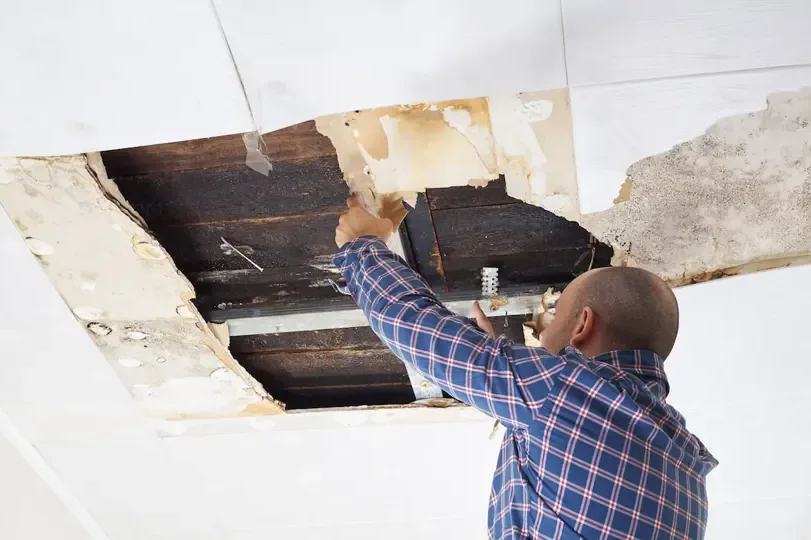
Climbing onto a wet roof or entering an unstable attic creates additional hazards. Occupants should remain away from sagging ceilings and wet electrical fittings. Exterior protection and overhead access need the appropriate trades, equipment and a safe work plan before the interior can be opened.
Keep the next rain from undoing the work
Interior drying and source repair need coordination. Where the roof still admits water, another rainfall can soak materials already being treated. The work record should identify source status and any temporary protection separately from permanent repair. Ceiling damage cleanup addresses weakened overhead finishes and the space below them.
After water entry is controlled, structural moisture removal uses access, airflow and humidity management appropriate to the remaining materials. Insulation and finishes should not conceal wet framing during reconstruction. A final assessment of the affected path gives the owner a clearer repair scope than replacing the stained patch alone and waiting to see whether it returns.
How the roof leak water damage work progresses
Match interior symptoms to entry
The assessment checks the rainfall history and roofing findings, then traces wet materials from accessible overhead space toward the room where damage became visible.
Protect the working area
Contents and dry surfaces are considered before ceiling access or debris handling begins, keeping removal paths practical and the affected room separated from normal use.
Recover the wet assembly
Unsuitable insulation and damaged finishes are evaluated for removal, while retained framing and connected surfaces receive a drying plan based on their measured condition.
Assess before interior rebuilding
The source repair status and material readings are checked together. Remaining tasks are documented so new insulation, drywall and paint do not conceal unresolved moisture.
Roof Leak Water Damage coverage in Lovejoy
Properties near Tara Boulevard, Talmadge Road and Steele Road can be assessed with a description of the interior leak and available attic access. In 30250, the location and source repair status help organize the cleanup conversation.
The same service nearby: roof leak water damage in Morrow, Stockbridge, Riverdale.
Water damage restoration in Lovejoy · every town coveredRelated water damage services in Lovejoy

Roof Leak Water Damage questions in Lovejoy
Why does water keep dripping after rain ends?
Water retained in insulation or along framing can continue moving toward the ceiling after exterior entry has slowed. The continued drip needs investigation of the overhead assembly and source status rather than an assumption that the clear weather ended the problem.
Is a repaired roof enough to restore the room?
The roof repair addresses entry. Materials already wet inside may still need removal, drying or later replacement. Inspection should follow the full interior route so a successful exterior repair is paired with a suitable plan for the ceiling and walls.
Can the stained patch identify the roof opening?
It can help narrow inspection but may sit away from the original entry. Water travels along surfaces and collects at joints or low points. The roofing findings and interior moisture pattern should be considered together before a repair boundary is chosen.
Should attic insulation be moved by the occupant?
Access may involve wet electrical components, weak surfaces and concealed openings. The insulation should be evaluated through a safe work plan. Its condition and ability to dry determine whether it can remain or requires removal before the framing is treated.
What records are useful for a rain related claim?
Safe photographs, a timeline of rainfall and dripping, roofing findings and mitigation records help describe the event. The insurer decides coverage under the policy. Source repair invoices should remain separate from documentation of drying and replacement interior finishes.
When can the room be repainted?
The source must be addressed and the affected materials assessed for dryness and integrity first. Painting too early can conceal ongoing moisture or leave a weakened surface in place. The repair contractor should receive the final drying information before finish work begins.
Connect the roof repair with interior recovery
Ceilings, walls and attic materials need their own assessment after exterior protection is arranged. Discuss the remaining wet areas before finishes are replaced.
(888) 532-4616Discuss interior rain damage