Burst Pipe Water Damage in Lovejoy
A broken pipe can wet the wall behind it before water reaches the floor. Cleanup follows the pressure release through cavities and adjoining rooms after the supply is brought under control.
(888) 532-4616Explain the pipe release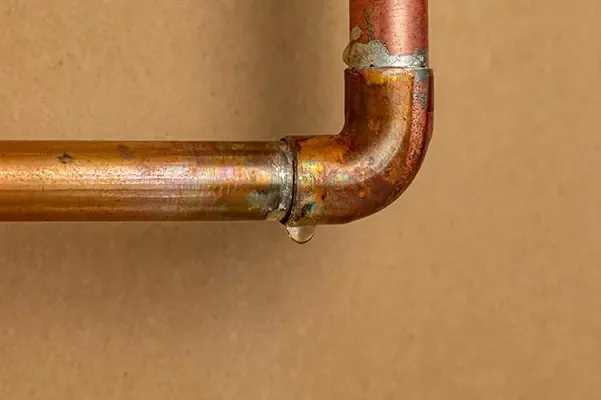
First steps for burst pipe water damage
- Identify a safe shutoff
A reachable valve may stop the release when the surrounding area is dry. Electrical exposure or unstable materials require a different access decision first.
- Record the first affected room
Note whether water appeared in a wall, ceiling or floor area before spreading. That sequence helps the inspection follow the original release direction.
- Arrange the pipe repair
The damaged component needs plumbing attention and an appropriate return to service. Keep repair findings available for the mitigation team assessing surrounding wet materials.
- Keep opened areas accessible
Furniture, stored items and temporary coverings should not conceal wet openings. Safe access allows measurements and drying adjustments without repeatedly moving damaged contents through the property.
What does burst pipe water damage cost in Lovejoy, GA?
Burst pipe cleanup in Lovejoy is planned around the release footprint, concealed wet materials and access required after repair. These ranges describe mitigation allowances; pipe replacement, finish reconstruction and contents costs should be identified separately when the written estimate is prepared.
Contained release
- Single wet zone
- Reachable pipe opening
- Limited finish removal
Concealed wet cavities
- Wet insulation access
- Wall moisture mapping
- Additional drying placement
Multiple room loss
- Connected damage paths
- Broader floor extraction
- Several cavity checks
Water category, wet area, material class and the delay before drying change the total. The water damage cost calculator compares a planning range before an on-site assessment.
The burst pipe water damage process
- 1
Connect failure and footprint
The mitigation team uses source information and material readings to establish where pressurized spray and later runoff traveled through the building.
- 2
Remove retained liquid
Extraction focuses on collection areas and floor transitions, while contents handling protects unaffected space and preserves access to the opened plumbing location.
- 3
Expose saturated assemblies
Materials that prevent drying or have lost integrity are evaluated for removal. The scope explains each opening and the wet layers behind it.
- 4
Verify the drying change
Repeat readings track the same affected locations over time, supporting adjustments in airflow and a documented handoff before cavities receive replacement finishes.
The sound of escaping water may stop as soon as a valve closes, while the wall continues draining onto the floor. That remaining water needs its own cleanup plan. For a burst pipe in Lovejoy, the first inspection links the failed fitting or pipe section to every material the release reached, including surfaces beyond the plumbing repair opening.
Separate utility service from the indoor failure
Clayton County Water Authority provides water service locally. A service interruption and a broken pipe inside a building involve different questions, so the report should explain whether water is escaping indoors, whether a shutoff worked and which rooms became wet. The plumbing repair establishes a controlled source; mitigation deals with the release already absorbed into the property.
Properties reached from Hastings Bridge Road, Tara Boulevard or Talmadge Road need a precise access description rather than a general road reference. The useful job details are the break location, the available dry entrance and the path between them. These details allow equipment and contents movement to be planned around the affected rooms.
Follow pressure spray beyond the opening
A small repair hole may reveal the pipe but leave saturated insulation concealed beside it. Spray can reach upward or sideways before gravity carries water down. Inspection should include both the cavity around the failure and lower materials collecting runoff. The removal boundary follows material condition and drying access, not simply the dimensions of the plumber's opening.
- Look for wet trim below an apparently contained plumbing repair.
- Compare wall readings on both sides of a shared partition.
- Document ceiling damage when a release occurred above occupied space.
- Check flooring beneath rugs and furniture placed along the runoff path.
A shutoff should be approached only along a dry, stable route. Water near electrical fittings or a sagging ceiling changes the access plan. The damaged room should remain clear until the relevant hazards are assessed; reaching the valve never justifies crossing an unsafe area.
Coordinate repair access with drying access
The plumber may need an opening to replace the failed component. The drying team may need different access to wet backing, insulation or framing. Coordinating those tasks avoids closing an assembly while it still holds moisture. Water extraction removes the floor accumulation, while structural drying addresses materials that remain wet after the liquid is collected.
Photographs of the break, notes about isolation and dated moisture readings establish the sequence. Before wall repair begins, the owner should know whether the source is repaired, which materials were removed and which drying targets were met. A successful plumbing test alone does not complete the building's recovery.
How the burst pipe water damage work progresses
Connect failure and footprint
The mitigation team uses source information and material readings to establish where pressurized spray and later runoff traveled through the building.
Remove retained liquid
Extraction focuses on collection areas and floor transitions, while contents handling protects unaffected space and preserves access to the opened plumbing location.
Expose saturated assemblies
Materials that prevent drying or have lost integrity are evaluated for removal. The scope explains each opening and the wet layers behind it.
Verify the drying change
Repeat readings track the same affected locations over time, supporting adjustments in airflow and a documented handoff before cavities receive replacement finishes.
Burst Pipe Water Damage coverage in Lovejoy
From Talmadge Road to Hastings Bridge Road, the assessment depends on the building entrance, break location and wet room layout. Properties in 30250 can be discussed with those details to establish a practical mitigation scope.
The same service nearby: burst pipe water damage in Morrow, Stockbridge, Riverdale.
Water damage restoration in Lovejoy · every town coveredRelated water damage services in Lovejoy

Burst Pipe Water Damage questions in Lovejoy
Is the cleanup finished when the plumber leaves?
A repaired pipe stops new water but does not remove moisture already held by insulation, flooring or drywall. The surrounding assembly needs inspection and drying decisions before repair openings are closed or damaged surfaces receive new finishes.
Can a hidden break wet the opposite room?
Yes. Shared walls and continuous flooring can carry water beyond the room containing the failure. Measurements on adjoining surfaces help establish the boundary, especially where no stain has yet appeared but the assembly remains connected to the release.
Should every wall opening be enlarged?
Access depends on the wet materials and whether they can be dried effectively. A small opening may be sufficient in one location and inadequate in another. The team should explain what additional access would accomplish before removal begins.
What information helps during the first conversation?
The break location, active flow status, shutoff result and affected rooms are useful starting details. Any wet electrical equipment, ceiling movement or blocked entrance should also be mentioned so the access plan reflects the current hazards.
Can the water supply resume during mitigation?
The repaired plumbing must be assessed by the appropriate trade before service resumes. Cleanup planning can then account for any remaining restrictions. Restoring supply should not mean reconnecting wet appliances or closing cavities that still require drying access.
Which documents distinguish repair from restoration?
A plumbing invoice describes the source work. Mitigation records should identify affected materials, extraction, removals and moisture progress. Keeping both records preserves the difference between stopping the leak and recovering the building from water already released.
Follow the water beyond the repaired pipe
A focused inspection can identify the wet cavities and floor layers that still need attention after the plumbing fault is corrected.
(888) 532-4616Discuss cavity cleanup needs