Water Extraction in Lovejoy
Standing water changes the usable space of a home immediately. Extraction begins with safe access and a controlled source, then follows the liquid into floor edges, transitions and adjoining wet materials.
(888) 532-4616Discuss the standing water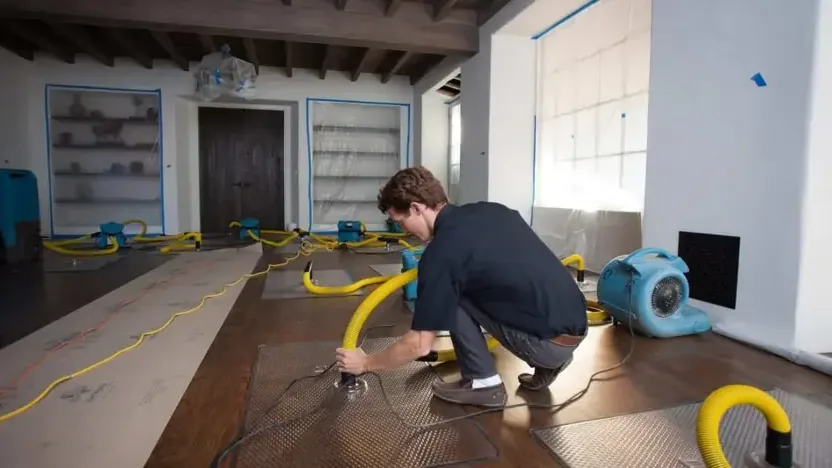
First steps for water extraction
- Keep occupants on dry ground
Restrict entry where water reaches electrical equipment or obscures the floor. A dry route gives the crew a safer starting point for assessment.
- Describe the release history
Note where water first appeared and whether it keeps arriving. Recent appliance use or plumbing work can help narrow the source investigation.
- Protect movable contents carefully
Small dry items can be moved from a safe position. Heavy furniture and soaked belongings need handling that avoids spreading water or damage.
- Preserve the room record
Photograph affected surfaces before removal when access is safe. Keep images of the original pool and the materials exposed during the cleanup.
What does water extraction cost in Lovejoy, GA?
Water extraction in Lovejoy commonly falls within these planning bands according to access, affected rooms and removal difficulty. The inspection should distinguish liquid removal from drying equipment, contaminated material handling and any later replacement work.
Small accessible area
- Open floor access
- Limited pooled water
- Simple hose route
Several affected rooms
- More floor transitions
- Multiple wet surfaces
- Broader contents movement
Difficult removal scope
- Restricted equipment access
- Layered water traps
- Additional removal passes
Water category, wet area, material class and the delay before drying change the total. The water damage cost calculator compares a planning range before an on-site assessment.
The water extraction process
- 1
Locate collection points
The extraction crew inspects low spots, thresholds and connected rooms, identifying where liquid remains and which surfaces need a different removal method.
- 2
Establish equipment routes
Hoses and collection equipment are positioned around a dry entry path, with attention to occupants, furniture and the usable electrical supply.
- 3
Remove water methodically
Work proceeds across accessible areas and difficult edges, while changes in water appearance or material condition prompt a reassessment of handling precautions.
- 4
Map residual moisture
Measurements after extraction identify wet assemblies requiring further treatment. The owner receives a distinction between cleared surfaces and materials still needing drying.
A floor can appear cleared while water remains beneath a threshold or behind the baseboard. In Lovejoy, extraction planning starts with the rooms that actually became wet and the route water followed between them. The visible pool is the starting point for inspection, not the boundary of the job. Moving water out efficiently also reduces the amount left for drying equipment to evaporate.
Identify the water before moving it
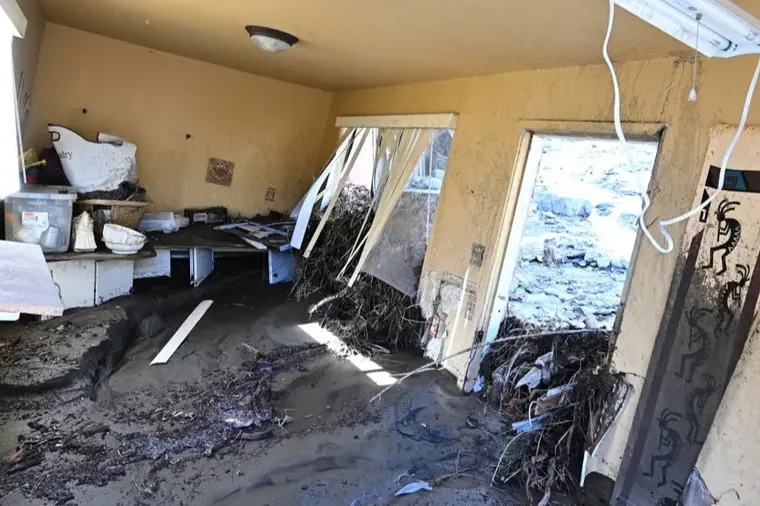
A supply leak and water entering through an exterior doorway require different handling. The crew needs the source history, any contact with dirty materials and the condition of the occupied rooms. Unknown water should not be treated as clean merely because it looks clear. Contaminated contents may require isolation before a hose crosses an unaffected hallway.
For a property off Tara Boulevard, useful access information includes the entrance that remains dry and the room containing the release. Talmadge Road and Steele Road are other local corridors where a precise property location helps organize equipment access. The same inspection principle applies throughout the city: map the affected surfaces rather than estimating from the street or house appearance.
Work through the floor in layers
Hard surfaces allow direct removal of pooled liquid, but seams and coverings complicate the picture. Carpet can hold water in its backing and cushion. Wood may pass water into an underlayer. Cabinet bases can prevent a removal tool from reaching the original spill. The technician checks these transitions and explains any opening required to reach trapped moisture.
- Inspect doorway joints where liquid can cross into a neighboring room.
- Check beneath movable rugs before deciding the floor is clear.
- Keep extraction hoses away from unsecured electrical cords and trip paths.
- Record damaged coverings before their removal changes the appearance of the room.
Water around outlets, plugged equipment or a damaged ceiling requires a safety assessment before entry. A household vacuum is not suitable for collecting water. Occupants should remain on dry ground and leave the movement of heavy wet furniture to a planned contents handling step.
Leave the room ready for the next task
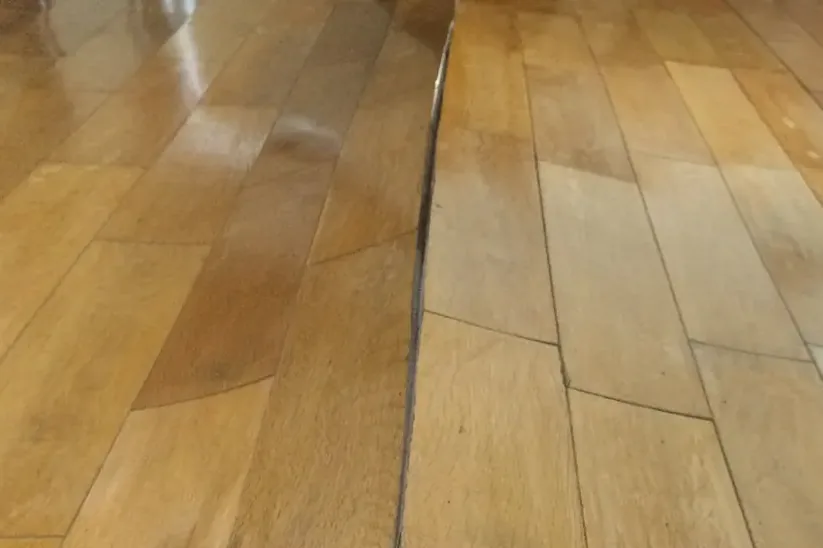
Once accessible liquid is removed, readings help separate residual surface dampness from saturated materials. Structural drying addresses that absorbed moisture with controlled conditions and repeat checks. If wood boards have changed shape, floor moisture assessment can clarify the condition of the assembly before any finish work is considered.
The completion record should identify the rooms extracted, coverings lifted or removed, and locations still holding moisture. This creates a useful handoff to drying and repairs. A cleared walkway improves access, but the material readings determine the remaining work.
How the water extraction work progresses
Locate collection points
The extraction crew inspects low spots, thresholds and connected rooms, identifying where liquid remains and which surfaces need a different removal method.
Establish equipment routes
Hoses and collection equipment are positioned around a dry entry path, with attention to occupants, furniture and the usable electrical supply.
Remove water methodically
Work proceeds across accessible areas and difficult edges, while changes in water appearance or material condition prompt a reassessment of handling precautions.
Map residual moisture
Measurements after extraction identify wet assemblies requiring further treatment. The owner receives a distinction between cleared surfaces and materials still needing drying.
Water Extraction coverage in Lovejoy
Cleanup planning covers properties around Tara Boulevard and Steele Road in ZIP 30250. An access contact, affected room list and description of standing water help establish the equipment needs before a removal scope is finalized.
The same service nearby: water extraction in Morrow, Stockbridge, Riverdale.
Water damage restoration in Lovejoy · every town coveredRelated water damage services in Lovejoy

Water Extraction questions in Lovejoy
Can towels replace professional extraction?
Towels can absorb a small surface spill, but they cannot reach water beneath coverings or inside wall edges. A larger release needs assessment of hidden travel paths and removal methods suited to the wet materials.
Does clear water require any precautions?
Yes. The water source and contacted materials determine the handling precautions. The crew considers that history before selecting removal methods, access restrictions and contents separation, even when liquid appears clear across the exposed floor.
Will carpet always need to come out?
The decision depends on contamination, backing condition and whether the assembly can be reached and dried. Carpet, cushion and the surface underneath require separate assessment; a dry feeling pile does not settle the condition of the layers below.
Why check another room after removing the pool?
Water can pass through doorway joints and beneath continuous flooring. Testing adjoining areas helps locate the true boundary and prevents the drying plan from ending at the first visible room when connected materials remain wet.
Does extraction include fixing the leak?
The failed pipe, appliance or exterior opening needs a separate source repair assessment. Extraction handles water already released into the building. Both tasks must be coordinated so removal work is not repeatedly undone by additional incoming water.
What happens once no puddles remain?
The crew records remaining material moisture and establishes the next drying steps. Accessible liquid removal is an early milestone. Final material condition, rather than a visibly clear floor, determines when repair work can safely proceed.
Give wet rooms a clear next step
The response team can discuss removal needs, hidden moisture checks and how the property will move from extraction into drying.
(888) 532-4616Arrange a removal assessment