Ceiling Leak Water Damage in Lovejoy
A spreading ceiling mark can conceal wet insulation or softened drywall overhead. The room needs a safety assessment, a source investigation and a plan for the materials above the visible stain.
(888) 532-4616Discuss the overhead water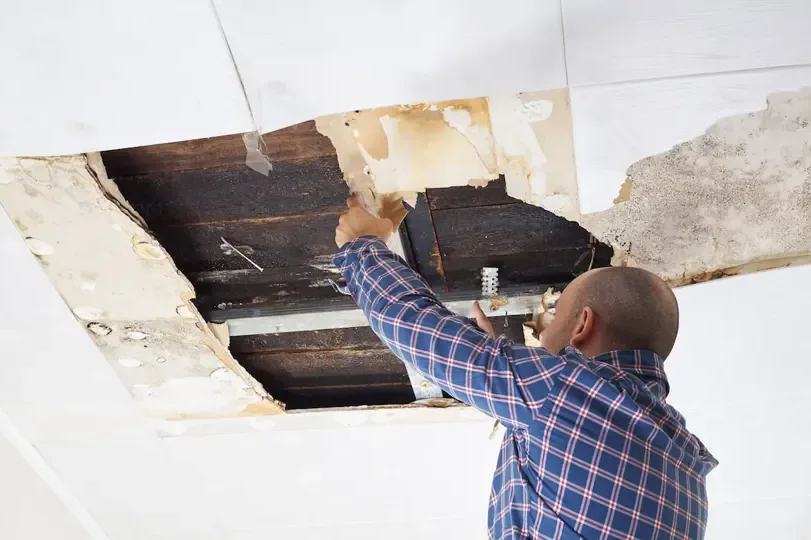
First steps for ceiling leak water damage
- Avoid the overhead wet zone
People should remain outside the area beneath bulges, loose joints or dripping fittings. A safe observation point allows the damage to be described.
- Note when dripping changes
Record whether rain, bathing or other water use preceded the leak. This sequence helps direct source investigation without opening the ceiling prematurely.
- Protect the dry room boundary
Movable items outside the hazard area can be relocated safely. Keep the affected room accessible for assessment and controlled handling of wet debris.
- Retain the source findings
Repair notes help explain what fed the ceiling and whether the entry has stopped. Keep them with photographs and the later cavity moisture readings.
What does ceiling leak water damage cost in Lovejoy, GA?
Ceiling leak cleanup in Lovejoy depends on the overhead area, insulation condition and water spreading into walls or floors. These allowances cover different mitigation footprints; source repairs, electrical work and replacement ceiling finishes should be described separately in the estimate.
Small ceiling area
- Localized wet drywall
- Simple overhead access
- Limited debris handling
Wet ceiling cavity
- Insulation removal assessment
- Exposed framing drying
- Additional moisture checks
Ceiling and walls
- Downward water travel
- Connected cavity work
- Broader material drying
Water category, wet area, material class and the delay before drying change the total. The water damage cost calculator compares a planning range before an on-site assessment.
The ceiling leak water damage process
- 1
Assess stability and entry
The restoration team examines the room from a safe position, considering overhead movement, electrical fittings and the route needed for equipment and debris removal.
- 2
Connect symptoms with source
Visible staining is compared with repair findings and accessible cavity conditions, allowing inspection to follow water beyond the surface mark into connected building materials.
- 3
Provide controlled cavity access
Openings are planned around wet layers and safe removal. Remaining framing receives an appropriate drying approach while unaffected contents and surfaces are protected.
- 4
Prepare a documented handoff
The drying assessment records material conditions before closure. Outstanding plumbing, roofing or electrical issues remain identified separately from completed ceiling mitigation and future decorative repair.
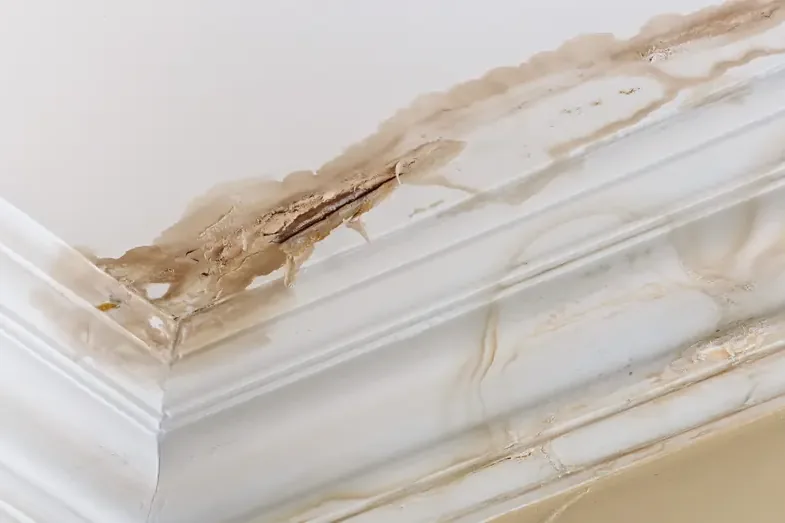
A ceiling leak in Lovejoy may first appear as a faint ring, a loose seam or an unexpected drip. Those symptoms call for an examination of the assembly above, not merely a cosmetic patch. The source could be plumbing or roof entry, and water may travel along framing before reaching the spot visible from below.
Protect the space beneath the stain
The affected room should be assessed before furniture is moved through it. Wet drywall can lose strength, and a bulging section can hold water out of sight. Ceiling fittings add electrical concerns. A dry doorway offers a better observation point than standing directly below a changing stain to photograph or catch the drips.
Lovejoy recorded 3,600 housing units in the 2020 census. Each damaged home still needs its own ceiling assessment. A property near Talmadge Road may offer different overhead access from one reached by Steele Road or Hastings Bridge Road. The inspection needs the actual room layout and access opening rather than assumptions about local construction.
Use the timing to investigate the source
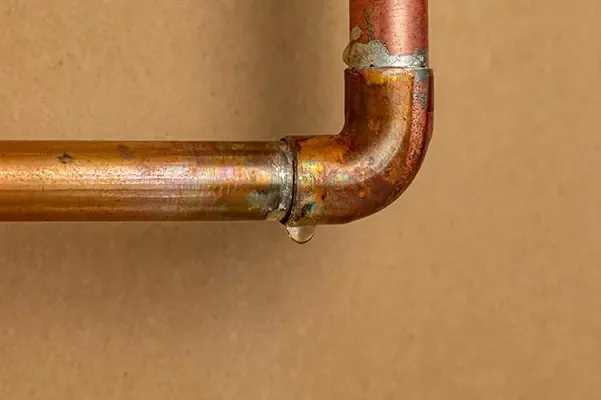
A mark that changes during rain points the investigation toward exterior entry, while a drip associated with fixture use calls for plumbing evaluation. Timing is useful information for the appropriate repair trade. The cleanup team then tracks the water through the cavity, checking whether insulation, joists or nearby walls have also become wet.
- Record the stain's outline from a safe position before it expands.
- Identify rooms or accessible equipment directly above the affected ceiling.
- Note dripping that continues after the suspected water use stops.
- Keep occupants away from softened seams, falling debris and wet fixtures.
Puncturing a swollen ceiling can release water and unstable material onto the person below. Occupants should not probe, cut or pull the wet surface. Controlled access requires an assessment of overhead hazards, nearby electrical components and how debris will be contained during removal.
Open only with a drying purpose
An opening should reveal the materials that need inspection, removal or airflow. Saturated insulation can restrict drying of the framing behind it. The team explains what will be removed and how the remaining cavity will be checked. If rain is responsible, roof leak cleanup connects exterior source work with interior recovery.
After the source is repaired, drying the exposed structure continues until readings support the next repair stage. New drywall and paint should follow that material assessment. The final record identifies opened sections, affected insulation and measurements, giving the repair contractor a clear account of the ceiling's condition instead of only a photograph of its former stain.
How the ceiling leak water damage work progresses
Assess stability and entry
The restoration team examines the room from a safe position, considering overhead movement, electrical fittings and the route needed for equipment and debris removal.
Connect symptoms with source
Visible staining is compared with repair findings and accessible cavity conditions, allowing inspection to follow water beyond the surface mark into connected building materials.
Provide controlled cavity access
Openings are planned around wet layers and safe removal. Remaining framing receives an appropriate drying approach while unaffected contents and surfaces are protected.
Prepare a documented handoff
The drying assessment records material conditions before closure. Outstanding plumbing, roofing or electrical issues remain identified separately from completed ceiling mitigation and future decorative repair.
Ceiling Leak Water Damage coverage in Lovejoy
Ceiling damage assessments in 30250 consider access around the property and the room beneath the leak. For locations along Talmadge Road or Steele Road, the useful details include overhead access and whether the ceiling is visibly changing.
The same service nearby: ceiling leak water damage in Morrow, Stockbridge, Riverdale.
Water damage restoration in Lovejoy · every town coveredRelated water damage services in Lovejoy

Ceiling Leak Water Damage questions in Lovejoy
Can a ceiling leak start far from its stain?
Yes. Water can follow framing or other surfaces before collecting at a seam or low point. The source investigation should consider the assembly above and the timing of the leak, rather than opening only at the darkest mark.
Is a bulging area safe to drain with a tool?
An occupant should avoid puncturing or pulling a swollen ceiling. Water weight, weakened material and nearby electrical fittings can make that action hazardous. Controlled removal requires an assessment of the room and a protected work area beneath it.
Why remove insulation during cleanup?
Wet insulation can retain water and limit access to framing. Its condition, contamination and drying feasibility determine the removal decision. The team should explain the affected area and what inspection or drying becomes possible after that material is taken out.
Will paint cover the problem after the drip stops?
Paint changes appearance but cannot correct the source or dry the cavity. The repair sequence needs source control, material assessment and appropriate drying first. A ceiling that has lost strength may also require replacement rather than a surface treatment.
Should the floor below be inspected too?
Drips and released ceiling water can soak rugs, flooring and wall bases. The room assessment should follow that downward path, especially when furniture hides collection points. Overhead damage and floor damage may require different removal and drying methods.
How can the owner prepare for the inspection?
Useful information includes the first visible change, recent rain or fixture use and any repair already attempted above the room. Photos taken safely can show progression. The affected area should remain clear of people and unnecessary stored belongings.
Make overhead moisture part of the repair plan
The restoration team can discuss safe access, wet cavity materials and the drying checks needed before replacement drywall closes the ceiling.
(888) 532-4616Discuss the wet ceiling cavity