Storm Flood Cleanup in Lovejoy
Floodwater can leave more than a wet floor behind. Soil, debris and water trapped beneath finishes require a cleanup sequence that establishes safe access, removes contamination and prepares suitable materials for drying.
(888) 532-4616Discuss water entering from outside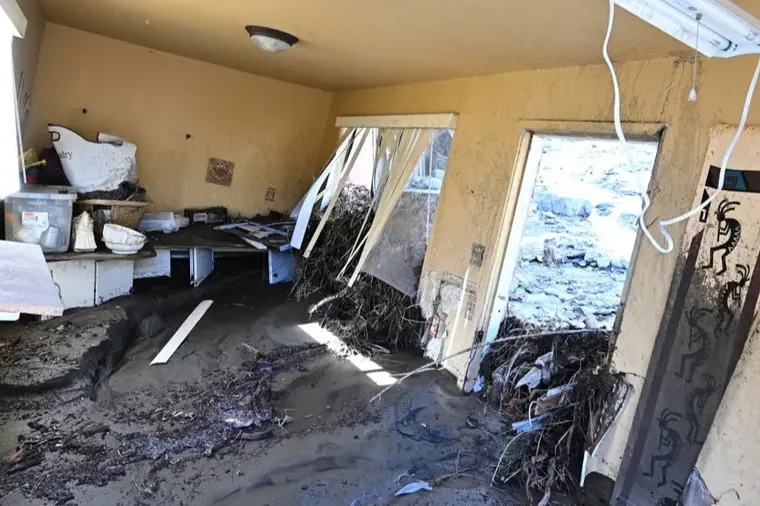
First steps for storm flood cleanup
- Wait for a safe entry decision
Standing or moving water, damaged electrical equipment and unstable surfaces can block access. Interior documentation should begin only from a position that avoids these hazards.
- Identify where water arrived
Describe the doorway, wall edge or other opening involved. A clear entry account helps distinguish continuing outside flow from water left inside after conditions recede.
- Preserve contents information
Photos and a room inventory can record affected belongings before disposal. Contaminated items should not be carried through dry living spaces without a handling plan.
- Separate drainage and cleanup reports
The exterior drainage contact needs the defect location. Interior mitigation requires its own assessment of contamination and wet building materials.
What does storm flood cleanup cost in Lovejoy, GA?
Storm flood cleanup in Lovejoy ranges with contamination, sediment, room count and materials that must be opened or removed. The planning bands below describe interior mitigation. Exterior drainage correction, source protection and rebuilding should remain identifiable as separate tasks in any estimate.
Limited ground-water entry
- Localized outside water
- Accessible sediment cleanup
- Limited wet finishes
Several flooded rooms
- Connected contaminated spaces
- More contents handling
- Expanded removal footprint
Extensive interior flooding
- Broad material exposure
- Complex cleaning sequence
- Multiple drying zones
Water category, wet area, material class and the delay before drying change the total. The water damage cost calculator compares a planning range before an on-site assessment.
The storm flood cleanup process
- 1
Establish access and boundaries
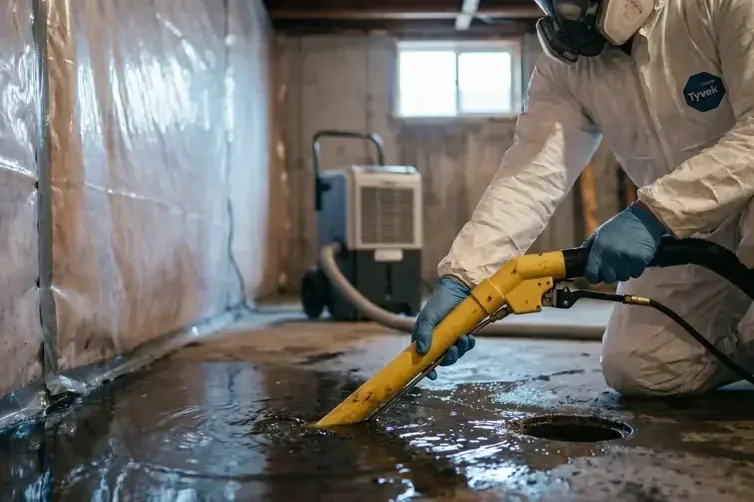
The response team checks entry conditions and the spread of water through the building, setting a work area that protects unaffected rooms from tracked contamination.
- 2
Collect water and sediment
Removal methods address the liquid and deposited debris together, while the condition of contents and absorbent finishes informs what can be retained for further treatment.
- 3
Clean accessible retained surfaces
Materials selected to remain receive appropriate cleaning before drying equipment is organized. Concealed layers are exposed where inspection and treatment cannot otherwise reach the damage.
- 4
Track recovery across the footprint
Moisture readings follow retained materials through drying, and the final record identifies remaining repair needs alongside any exterior drainage or entry issue still requiring attention.
Storm flood cleanup in Lovejoy begins at the point where outdoor water entered the property. The route across soil, pavement or drainage areas affects what comes indoors with it. Once entry and electrical hazards are assessed, the cleanup must address sediment and wet contents as well as the liquid that remains on the floor.
A dated flood event and today's property
September 25-27, 2024: Hurricane Helene brought widespread heavy rainfall to Georgia. The National Weather Service reported that the Flint River gauge near Lovejoy reached a record crest in major flood. Its Clayton County narrative described flash flooding, with radar estimated rainfall averaging 10 to 12 inches across the county.
For a current cleanup, the owner should document the water's entry point, interior height and affected rooms when safe. A location near Tara Boulevard or Steele Road helps identify the property, while the indoor water marks and material readings determine the restoration boundary. Storm history and the condition of an individual building are separate parts of the assessment.
Report drainage issues to the right contact
Clayton County Water Authority maintains stormwater infrastructure in road rights of way and directly connected to them. Neighborhood drainage and retention pond maintenance typically belong to the homeowners association or developer. A report should identify whether the problem is at roadside infrastructure, a neighborhood pond or the building entrance so the responsible party can evaluate it.
- Photograph entry marks without approaching moving water or unstable ground.
- Keep muddy contents separate from items in unaffected living areas.
- Preserve an inventory before damaged belongings are removed for disposal.
- Inspect wall bases and floor layers after accessible liquid is collected.
Floodwater can conceal sharp debris and electrical hazards. Occupants should not cross moving water or operate wet equipment to begin cleanup. Safe entry, utility conditions and the building's stability must be addressed before anyone starts removing flooring or handling soaked contents.
Remove what drying cannot resolve
Sediment and contamination require cleaning decisions before air movement is established. Some absorbent materials cannot remain after exposure; others can be evaluated for recovery once accessible surfaces are cleaned. Contaminated water cleanup explains why handling precautions differ from an ordinary clean supply spill.
The remaining assembly then needs controlled structural drying. Readings should include materials at the water boundary and behind removed finishes. Reconstruction begins with an account of what was exposed, cleaned and dried, plus any unresolved entry or drainage issue that could allow another storm to repeat the damage.
How the storm flood cleanup work progresses
Establish access and boundaries
The response team checks entry conditions and the spread of water through the building, setting a work area that protects unaffected rooms from tracked contamination.
Collect water and sediment
Removal methods address the liquid and deposited debris together, while the condition of contents and absorbent finishes informs what can be retained for further treatment.
Clean accessible retained surfaces
Materials selected to remain receive appropriate cleaning before drying equipment is organized. Concealed layers are exposed where inspection and treatment cannot otherwise reach the damage.
Track recovery across the footprint
Moisture readings follow retained materials through drying, and the final record identifies remaining repair needs alongside any exterior drainage or entry issue still requiring attention.
Storm Flood Cleanup coverage in Lovejoy
Flood cleanup in 30250 is organized around safe property access and the route of outside water. Tara Boulevard and Steele Road locations need the same practical details: entry point, affected rooms, current water conditions and an access contact.
The same service nearby: storm flood cleanup in Morrow, Stockbridge, Riverdale.
Water damage restoration in Lovejoy · every town coveredRelated water damage services in Lovejoy


Storm Flood Cleanup questions in Lovejoy
Is rainwater indoors always considered clean?
Once water crosses outdoor surfaces, it can carry soil, waste and other contaminants into a room. The cleanup assessment considers that route and the contacted materials. Clear appearance alone is insufficient for choosing ordinary spill handling or keeping absorbent finishes.
Who handles a neighborhood retention pond problem?
Clayton County Water Authority states that neighborhood drainage and retention pond upkeep typically fall to the homeowners association or developer. The responsible contact should evaluate the exterior issue, while the building's wet rooms require a separate interior cleanup assessment.
Can furniture remain in a flooded room?
Contents need assessment for contamination, physical damage and whether they obstruct removal or drying. Some pieces may be moved under a controlled handling plan. Moving soaked items directly into dry rooms can spread water and debris beyond the original footprint.
Does removing mud complete the cleaning?
Visible sediment is only one part of the condition. Floor seams, wall cavities and absorbent materials can retain contamination or moisture after the surface looks clear. The work scope should identify retained surfaces, removals and the followup drying requirements.
Should fans run as soon as water recedes?
Air movement should follow a safety and contamination assessment. Equipment in an uncleaned area can distribute unwanted material, and electrical conditions may be unsafe. Removal and appropriate cleaning establish the conditions for a controlled drying plan.
How is an exterior fix coordinated with recovery?
The entry or drainage problem needs attention from the responsible party while restoration evaluates interior damage. Documentation should keep those tasks distinct. Drying progress is easier to maintain when incoming water is controlled and the next rainfall is considered in the access plan.
Prepare the interior for a complete recovery
The mitigation team can discuss removal and cleaning needs before drying starts, with attention to the rooms water reached and the source status.
(888) 532-4616Discuss postflood room conditions