Storm Flood Cleanup in Forest Park
Water crossing a doorway brings a different cleanup problem than a supply leak. Forest Park flood restoration evaluates the entry path, sediment and affected porous materials before deciding how the interior can be recovered.
(888) 532-4616Discuss the outdoor water entry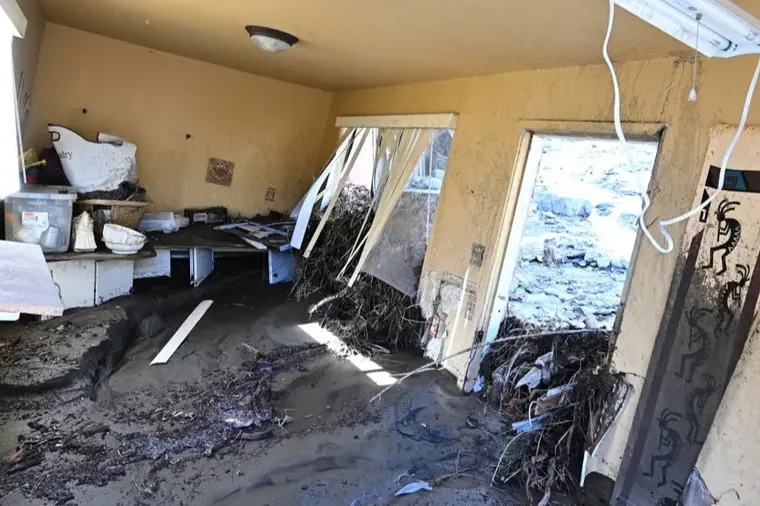
First steps for storm flood cleanup
- Wait for safe entry
Access should follow assessment of electrical conditions, standing water and building stability, with children and pets kept outside the affected interior work area.
- Record the water path
Photographs from dry ground can preserve entry points, visible water marks and sediment patterns before removal and cleaning alter the appearance of the rooms.
- Separate contaminated belongings
Items touched by outdoor water need an agreed handling area so dirty contents are not carried through unaffected living spaces during an improvised cleanup.
- Describe remaining entry problems
The caller should explain whether water continues crossing a threshold or collecting against the building, helping coordinate interior work with exterior source control.
What does storm flood cleanup cost in Forest Park, GA?
Storm flood cleanup in Forest Park has a planning range of $2,500 to $12,000+. Sediment, contaminated porous finishes and inaccessible wet cavities can expand the scope. An inspection should identify removal, cleaning and drying work separately from exterior drainage or reconstruction needs.
Limited ground-water entry
- Small flooded section
- Accessible sediment removal
- Localized finish evaluation
Several flooded rooms
- Connected dirty surfaces
- Broader contents handling
- Multiple drying areas
Extensive interior flooding
- Widespread material exposure
- Concealed sediment access
- Complex cleanup sequencing
Water category, wet area, material class and the delay before drying change the total. The water damage cost calculator compares a planning range before an on-site assessment.
The storm flood cleanup process
- 1
Establish the affected zone
The inspection identifies entry routes, deposited soil and unsafe surfaces, then sets boundaries for occupant movement and material handling before extraction changes the water footprint.
- 2
Remove water and debris
Liquid removal is coordinated with controlled handling of contaminated contents and finishes, exposing surfaces that need direct cleaning rather than leaving deposits beneath a covering.
- 3
Clean retained building surfaces
Accessible materials are treated according to their condition and exposure, with attention to joints and cavities where sediment can remain after the open floor looks clear.
- 4
Dry and document the remainder
Moisture monitoring follows the retained assembly, while completion records distinguish restoration results from exterior corrections and finish replacement still required to return the rooms to use.
The route outdoor water takes into a building helps define the cleanup. A doorway threshold, a low wall opening and a backed up drain can produce different patterns of deposited soil and wet materials. The inspection records the entry point, the highest visible water mark and the rooms connected by the flow before removal changes that picture.
Understand the property's actual entry route
Forest Park's comprehensive plan calls for stormwater management improvements along major roadways. Forest Parkway, Old Dixie Highway and Jonesboro Road are named roadway improvement priorities. For a building affected by outdoor water, the useful next step is to examine the particular entrance, adjacent ground and interior path that carried water into its rooms.
The owner can describe whether water crossed a threshold, emerged at a wall base or rose through a fixture. Safe photographs of debris patterns and wet edges preserve details after the water recedes. These observations help separate exterior entry control from the interior removal and cleaning work needed to make the building ready for drying.
Handle sediment before ordinary room drying
Outdoor water can leave soil in joints, beneath floor coverings and against wall bases. The restoration team evaluates porous finishes and contents for removal while planning how retained surfaces will be cleaned. Extraction work addresses accumulated liquid, but sediment and contamination remain separate parts of the loss after the visible puddle disappears.
- Keep dirty footwear and wet debris from moving into unaffected rooms.
- Identify floor coverings that hide sediment or prevent cleaning of underlying surfaces.
- Record contents that were submerged before disposal or specialist evaluation is arranged.
- Check cavities where water marks suggest moisture reached beyond the open floor.
Occupants should not enter moving water or a flooded room with uncertain electrical safety. Sewage, sharp debris and weakened flooring can add hazards after the rain ends. Ordinary household fans can move contamination before cleaning is complete. Access and removal need a controlled plan that separates the affected area from rooms that remain usable.
Move from dirty water to a repairable space
Cleanup decisions depend on exposure and material condition. A surface that can be cleaned and dried may remain, while an absorbent layer that cannot be effectively restored may require removal. The estimate should explain these choices and identify any areas that need opening to reach deposited soil or retained moisture.
Once cleaning is complete, structural drying addresses the retained assembly. Completion records should include the original entry description, materials removed and moisture conditions at the handoff. Exterior drainage or building repairs can then be considered alongside the restoration work, with each responsibility clearly identified before damaged finishes are replaced.
How the storm flood cleanup work progresses
Establish the affected zone
The inspection identifies entry routes, deposited soil and unsafe surfaces, then sets boundaries for occupant movement and material handling before extraction changes the water footprint.
Remove water and debris
Liquid removal is coordinated with controlled handling of contaminated contents and finishes, exposing surfaces that need direct cleaning rather than leaving deposits beneath a covering.
Clean retained building surfaces
Accessible materials are treated according to their condition and exposure, with attention to joints and cavities where sediment can remain after the open floor looks clear.
Dry and document the remainder
Moisture monitoring follows the retained assembly, while completion records distinguish restoration results from exterior corrections and finish replacement still required to return the rooms to use.
Storm Flood Cleanup coverage in Forest Park
For properties along Forest Parkway, Old Dixie Highway and Jonesboro Road, the cleanup request should describe the specific water entry and safe access conditions. Room layout, remaining standing water and contaminated contents help define the initial inspection.
The same service nearby: storm flood cleanup in Morrow, Hapeville, Riverdale.
Water damage restoration in Forest Park · every town coveredRelated water damage services in Forest Park



Storm Flood Cleanup questions in Forest Park
Is clear looking floodwater safe to walk through?
Outdoor water can carry contaminants and conceal electrical hazards beneath its surface. Occupants should remain outside the affected area until access hazards and contamination controls have been assessed for the particular building and water entry.
Why photograph the water marks before cleanup?
Marks and debris patterns help record the original extent of the loss after the liquid is removed. Images taken safely can support the room assessment and explain why certain hidden layers or contents need attention.
Can mopping remove the whole flood problem?
Mopping addresses exposed liquid but leaves sediment beneath coverings and moisture in absorbent assemblies. A flood assessment follows the entry route and checks those concealed surfaces before deciding what cleaning, removal and drying are necessary.
Do all affected possessions need disposal?
Each item needs evaluation for its material, exposure and ability to be cleaned. The handling plan should identify items suitable for restoration and those that cannot be effectively recovered, with records made before removal where practical.
When should drying equipment be introduced?
The sequence should address contaminated water, debris and surface cleaning before ordinary air movement across the affected area. Retained wet materials then receive controlled drying appropriate to their construction and the remaining moisture within them.
Does the cleanup include exterior drainage repairs?
Interior restoration and exterior correction are separate scopes that may need coordination. The estimate should identify what removes and dries the indoor damage and what additional work is needed to address continuing entry around the building.
Recover rooms after outdoor water enters
The restoration assessment follows sediment and moisture through the building, with clear decisions about retained materials and work needed before repairs.
(888) 532-4616Arrange the flood damage inspection