Water Extraction in Forest Park
A puddle spreading beneath furniture can reach more than the open floor. Extraction in Forest Park starts by locating the wet boundaries and choosing removal equipment for the surfaces that hold water.
(888) 532-4616Discuss the standing water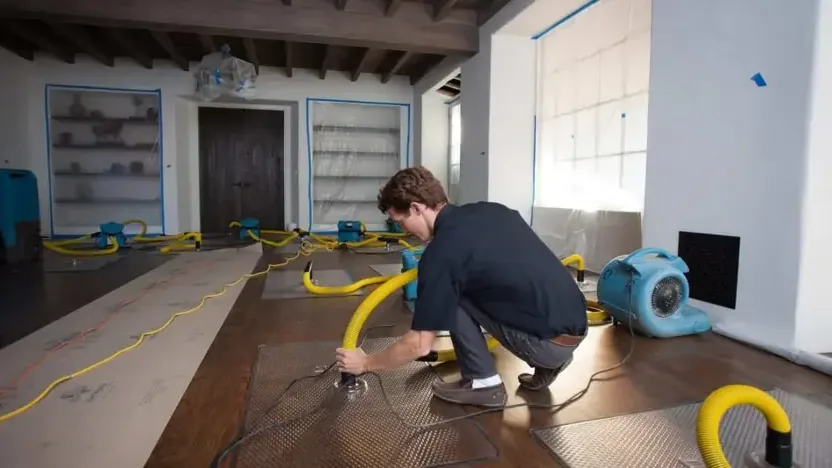
First steps for water extraction
- Keep dry access open
A clear route from the entrance to the wet room allows inspection without dragging hoses or soaked belongings across unaffected furnishings.
- Report the moving boundary
The caller should identify rooms where water is still spreading and explain whether the original supply or outside entry has stopped.
- Separate delicate contents
Dry documents and portable electronics can be moved from a safe position, while soaked furniture needs handling that protects surrounding clean areas.
- Leave hidden layers accessible
Rugs, closets and flooring transitions deserve inspection before the visible puddle is treated as the full extent of the water release.
What does water extraction cost in Forest Park, GA?
Forest Park extraction planning ranges from $500 to $3,500+. Floor covering, water depth and access below the visible surface influence the scope. Drying or replacing saturated layers may require additional work beyond liquid removal.
Small accessible area
- Open floor access
- Localized water pickup
- Basic boundary checks
Several affected rooms
- Connected wet spaces
- Repeated extraction passes
- More contents handling
Difficult removal scope
- Restricted floor access
- Trapped liquid pockets
- Complex equipment routing
Water category, wet area, material class and the delay before drying change the total. The water damage cost calculator compares a planning range before an on-site assessment.
The water extraction process
- 1
Locate retained liquid
The technician follows visible water and checks nearby absorbent surfaces, identifying where the floor construction may conceal additional liquid beneath the finish.
- 2
Select the extraction method
Equipment is matched to the floor condition and contamination assessment so removal can proceed without treating every wet surface as the same assembly.
- 3
Work through the affected rooms
The crew removes accessible water in a controlled sequence and reassesses areas where puddles return or absorbent materials continue releasing liquid during extraction.
- 4
Plan the drying handoff
Remaining moisture readings establish the areas that need airflow, dehumidification or material access, and the owner receives an explanation of the next work stage.
Water across a living room is easy to see; water held beneath a rug is easier to miss. For a home around Starr Park, the first inspection follows the puddle into doorways, closets and adjoining floor coverings. Furniture placement and changes in floor height can hide pockets that need direct extraction before drying equipment is positioned.
Choose removal equipment for the surface
A hard floor and a padded carpet release water differently. The extraction crew considers the available depth, the finish and the material beneath it before selecting equipment. Repeated controlled passes may remove water held in an absorbent assembly. A damaged or contaminated layer may instead need removal so that liquid underneath becomes accessible.
Forest Parkway and Main Street are useful location references when arranging access. The property description should also identify stairs, locked rooms and the nearest dry entry. Those details help the crew reach wet areas without carrying hoses across belongings or obstructing the household's remaining safe route through the building.
- Check the room perimeter where water collects against trim and cabinet bases.
- Inspect beneath movable rugs when lifting them will not spread contaminated water.
- Compare wet flooring with an unaffected area of the same material.
- Record adjoining rooms that need investigation even when their surfaces look dry.
Extraction is the beginning of moisture control
Removing the puddle reduces the water load, but absorbent materials can continue releasing moisture afterward. Wall bases, floor joints and padding require separate evaluation. The findings establish whether measured structural drying can proceed with materials in place or whether selective access is necessary to reach a saturated layer.
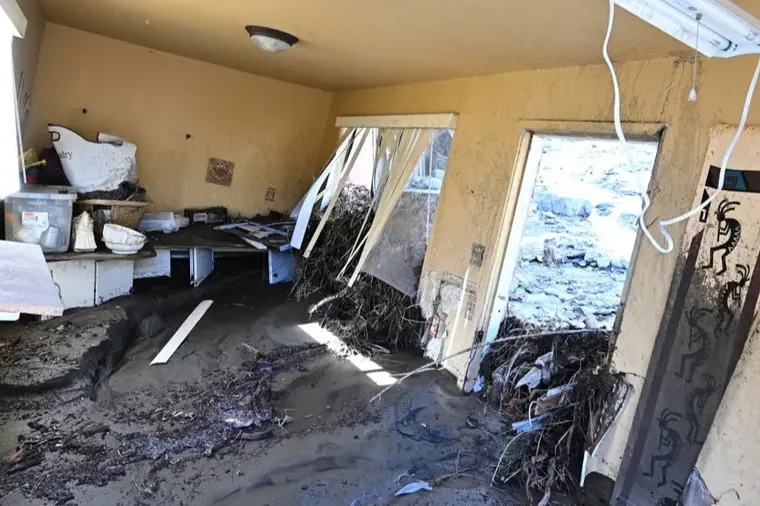
Standing water around plugged in equipment, outlets or a damaged electrical panel is an access hazard. Occupants should remain on dry ground and arrange appropriate electrical isolation. Household vacuum cleaners should not be used to collect water. If sewage is present, the affected room needs contamination controls before ordinary extraction or air movement begins.
Keep the wet footprint visible in the records
Photos and room labels preserve the extent of the loss after liquid disappears. A useful extraction record distinguishes water removed from the open floor, materials lifted for access and areas still holding moisture. That distinction helps the owner understand why equipment may remain after the room looks substantially improved.
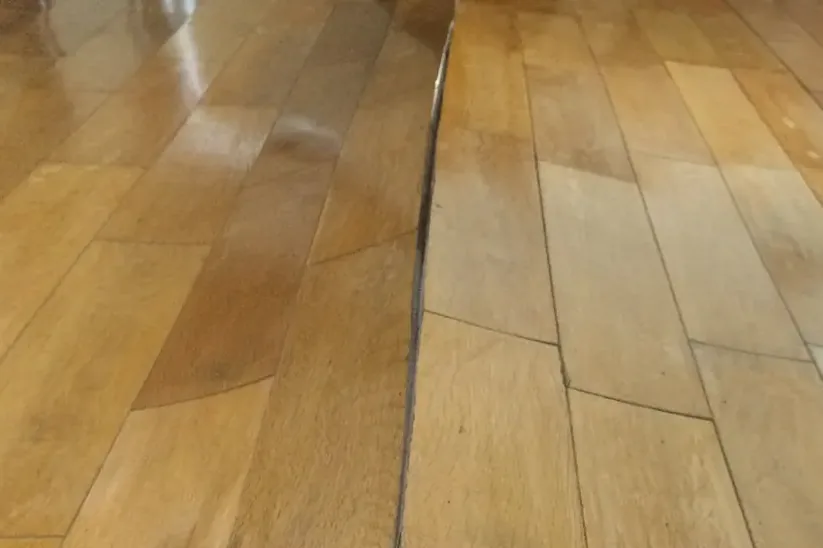
The Forest Park restoration overview covers related cleanup needs. A floor inspection can identify a separate damaged assembly, such as swollen boards or a wet wall cavity, that requires additional attention. Completion of extraction should leave a clear handoff: what was removed, what remains damp and which surfaces are ready for the next operation.
How the water extraction work progresses
Locate retained liquid
The technician follows visible water and checks nearby absorbent surfaces, identifying where the floor construction may conceal additional liquid beneath the finish.
Select the extraction method
Equipment is matched to the floor condition and contamination assessment so removal can proceed without treating every wet surface as the same assembly.
Work through the affected rooms
The crew removes accessible water in a controlled sequence and reassesses areas where puddles return or absorbent materials continue releasing liquid during extraction.
Plan the drying handoff
Remaining moisture readings establish the areas that need airflow, dehumidification or material access, and the owner receives an explanation of the next work stage.
Water Extraction coverage in Forest Park
Homes around Starr Park and premises along Main Street can describe both their location and interior access when requesting extraction. Locked spaces, wet stairs and floor transitions are useful details for planning the initial assessment.
The same service nearby: water extraction in Morrow, Hapeville, Riverdale.
Water damage restoration in Forest Park · every town coveredRelated water damage services in Forest Park

Water Extraction questions in Forest Park
Is pumping necessary for every wet floor?
Removal equipment depends on water depth and the surface involved. A shallow film across flooring may need extraction passes rather than a pump, while deeper accumulated water can require a different removal arrangement.
Can extraction save carpet padding?
Retention depends on the water condition, exposure and padding condition. Some assemblies can be addressed in place; others need lifting or removal to reach the liquid underneath and evaluate whether cleaning and drying are practical.
Why does a puddle return after removal?
An active leak or saturated adjoining material can continue feeding the area. The crew checks the source and nearby layers so repeated accumulation is investigated instead of being treated as an ordinary drying delay.
Should furniture be moved before inspection?
Small dry items can be relocated safely, but heavy or soaked furniture needs a plan. Moving it carelessly can damage wet flooring, spread dirty water or conceal the original boundaries of the loss.
Does extraction also dry the walls?
It removes liquid that equipment can reach. Moisture absorbed into wallboard or framing needs assessment and a drying plan, sometimes with selective openings so the affected cavity can release moisture effectively.
What helps explain the extraction estimate?
The estimate should identify the affected rooms, surface types, access difficulties and expected handling of saturated materials. Those details make the proposed removal work understandable before subsequent drying or repairs are considered.
Get the accumulated water assessed
Removing visible water starts the recovery, while a documented inspection identifies soaked layers that still need attention beneath the surface.
(888) 532-4616Request a water removal assessment