Sewage Backup Cleanup in Forest Park
Wastewater rising through a fixture requires restricted access and a source assessment. Forest Park sewage cleanup separates the affected room, evaluates contaminated finishes and coordinates interior recovery with the drain inspection that addresses the backup.
(888) 532-4616Discuss wastewater in the affected room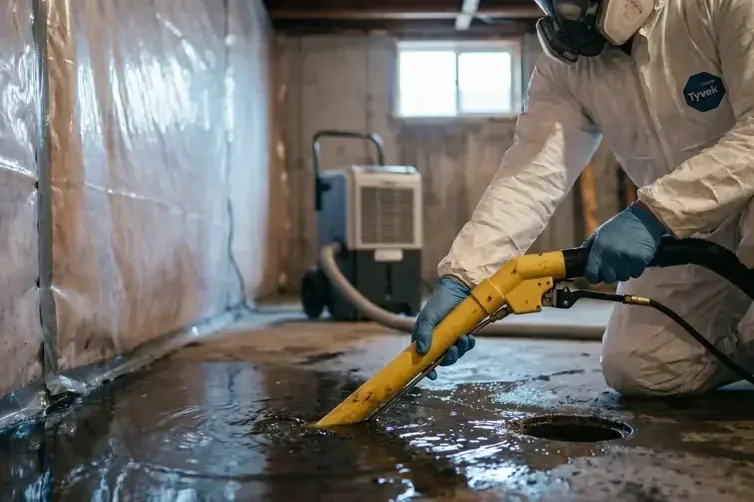
First steps for sewage backup cleanup
- Stop using affected fixtures
Further fixture use can add wastewater to a restricted drain, so the source assessment should establish when normal use can safely resume at the property.
- Keep clean rooms separate
Occupants should avoid walking through the backup or moving contaminated rugs into dry rooms, preserving a clear boundary around the affected interior surfaces.
- Locate the cleanout safely
An owner can communicate the accessible cleanout location to the drain contact without entering wastewater or opening plumbing equipment that requires appropriate professional handling.
- Document touched materials
Safe photographs and an item list help record which finishes and belongings contacted sewage before controlled removal and cleaning change the appearance of the room.
What does sewage backup cleanup cost in Forest Park, GA?
Forest Park sewage cleanup planning ranges from $1,500 to $8,000+. Contaminated surface area, porous material removal and concealed migration influence the scope. Drain repairs should be identified separately from wastewater removal, cleaning and drying of the affected interior.
Contained bathroom backup
- Small contaminated footprint
- Accessible hard surfaces
- Controlled fixture area
Multiple contaminated surfaces
- Porous finish removal
- Broader surface cleaning
- Protected material handling
Extensive sewage migration
- Concealed contamination access
- Connected room exposure
- Expanded recovery sequencing
Water category, wet area, material class and the delay before drying change the total. The water damage cost calculator compares a planning range before an on-site assessment.
The sewage backup cleanup process
- 1
Define exposure and access
The assessment identifies the backup path, affected fixtures and contact surfaces, then establishes room restrictions and handling routes before wastewater or damaged contents are moved.
- 2
Remove the contaminated load
Controlled extraction and material handling address liquid and unsalvageable porous finishes, with records explaining the exposure and condition behind each proposed removal decision in the work area.
- 3
Clean the remaining surfaces
The crew treats accessible retained materials according to their condition, paying attention to joints and lower edges where contamination can remain after visible wastewater is gone.
- 4
Evaluate drying and room readiness
Moisture checks follow the cleaned assembly, while the final discussion identifies remaining drain work, finish replacement and conditions that must be resolved before normal room use resumes.
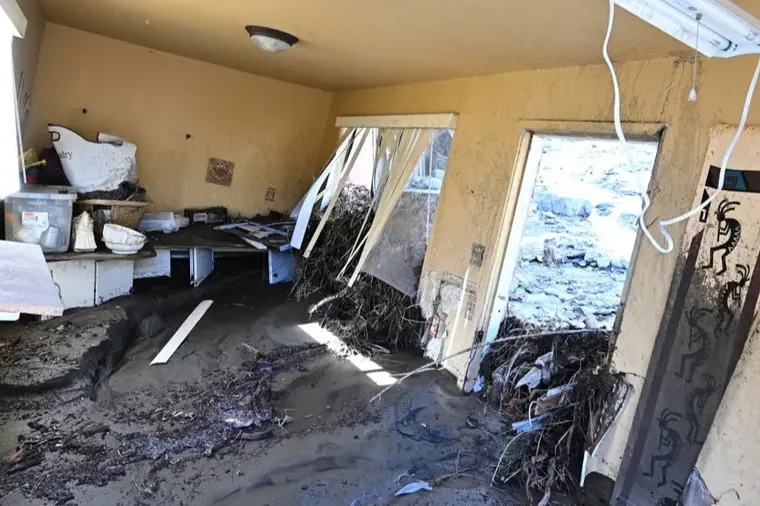
A toilet or floor drain backing up can expose more than the fixture itself. Wastewater can move beneath cabinets, soak nearby trim and contaminate porous floor coverings. The immediate cleanup footprint should include the path people or contents may have carried it, with a boundary that keeps unaffected rooms separate during assessment and removal.
Address the drain while controlling the room
Clayton County Water Authority explains that grease and debris blockages can reverse wastewater into fixtures. Roots can obstruct or damage sewer pipes, and heavy rain can overload a sewer system. The drain assessment identifies the cause at the property while the restoration team evaluates the surfaces touched by the backup.
CCWA advises keeping the lateral cleanout accessible and describes the private lateral as the owner's responsibility. Its field staff inspect from the cleanout toward the sewer main rather than working on private property. That distinction helps an owner arrange the appropriate drain inspection without confusing utility work with cleanup inside the building.
Keep contamination from crossing the doorway
A property near Main Street, Bill Lee Park or Old Dixie Highway can report the affected fixture and whether wastewater is still rising. Occupants should avoid using fixtures that contribute to the backup until the drain condition is assessed. Dry rooms need a protected route that does not pass through the contaminated area.
- Identify rugs, padding and absorbent contents contacted by the wastewater.
- Check cabinet bases and wall edges beyond the obvious puddle boundary.
- Plan contained removal so dirty material does not cross clean occupied space.
- Record the affected surfaces before disposal changes the visible loss footprint.
Sewage exposure requires controlled handling. Children and pets should stay outside the affected space, and household fans should remain off in the contaminated area. Occupants should not mix cleaning chemicals or attempt to push wastewater into another room. Electrical contact and unstable materials add hazards that require assessment before cleanup personnel enter.
Clean the retained assembly before drying
Porous materials are evaluated for removal based on exposure and the ability to restore them effectively. Remaining accessible surfaces need cleaning appropriate to the contamination. The scope should explain what will be removed, what can stay and how the work area will remain separate while the dirty phase proceeds.
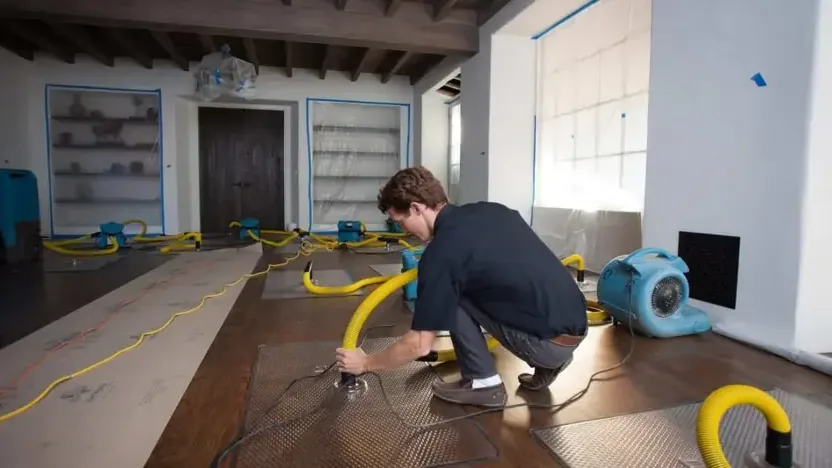
Structural drying follows contamination removal and cleaning of retained surfaces. The town restoration overview describes other water damage needs that may accompany the loss. Completion records should keep the drain repair findings distinct from the interior restoration results, making remaining plumbing work and finish replacement clear before the affected room returns to ordinary use.
How the sewage backup cleanup work progresses
Define exposure and access
The assessment identifies the backup path, affected fixtures and contact surfaces, then establishes room restrictions and handling routes before wastewater or damaged contents are moved.
Remove the contaminated load
Controlled extraction and material handling address liquid and unsalvageable porous finishes, with records explaining the exposure and condition behind each proposed removal decision in the work area.
Clean the remaining surfaces
The crew treats accessible retained materials according to their condition, paying attention to joints and lower edges where contamination can remain after visible wastewater is gone.
Evaluate drying and room readiness
Moisture checks follow the cleaned assembly, while the final discussion identifies remaining drain work, finish replacement and conditions that must be resolved before normal room use resumes.
Sewage Backup Cleanup coverage in Forest Park
For properties near Main Street, Bill Lee Park and Old Dixie Highway, the first report should identify the backing up fixture and contaminated rooms. Cleanout access and the responsible owner contact help coordinate drain assessment with interior restoration.
The same service nearby: sewage backup cleanup in Morrow, Hapeville, Riverdale.
Water damage restoration in Forest Park · every town coveredRelated water damage services in Forest Park

Sewage Backup Cleanup questions in Forest Park
Is a cleared drain the end of the cleanup?
Clearing the obstruction restores drainage but leaves the interior exposure to address. Wastewater on floors, walls or contents still requires assessment, controlled removal and cleaning before retained wet materials can be dried and repaired.
What does CCWA say about private sewer laterals?
Clayton County Water Authority describes the private sewer lateral as the property owner's responsibility. Keeping its cleanout accessible helps the appropriate inspection, while interior contamination cleanup remains a separate task from work on the drain itself.
Can a household fan help after a backup?
Air movement across an uncleaned sewage area can spread contamination. The work sequence should first address wastewater, affected porous materials and retained surface cleaning, with drying equipment introduced under an appropriate plan for the cleaned assembly.
Why might carpet need removal?
Sewage can penetrate fibers, backing and padding, making effective restoration difficult. Material decisions depend on exposure and construction, and the scope should explain why a contaminated layer cannot be retained rather than treating visible appearance as sufficient.
Should every fixture remain unused?
The affected plumbing needs assessment to determine the extent of the blockage and safe use. Reporting which fixtures backed up and whether others trigger rising water helps the drain contact identify the system behavior at the property.
What information helps coordinate the first visit?
The caller can identify the fixture, ongoing water movement, affected rooms and accessible cleanout. Details about electrical contact or contaminated contents help the restoration team plan entry and separation of the dirty space from unaffected areas.
Separate wastewater removal from drain repair
A clear scope addresses both the source problem and contamination left inside, with removal and cleaning completed before ordinary drying proceeds.
(888) 532-4616Arrange a sewage damage assessment