Roof Leak Water Damage in Forest Park
Rain that reaches a ceiling may have crossed several hidden surfaces first. Forest Park roof leak cleanup follows that interior route, coordinating roof entry control with inspection of the attic, insulation and affected finishes.
(888) 532-4616Describe the rain entry damage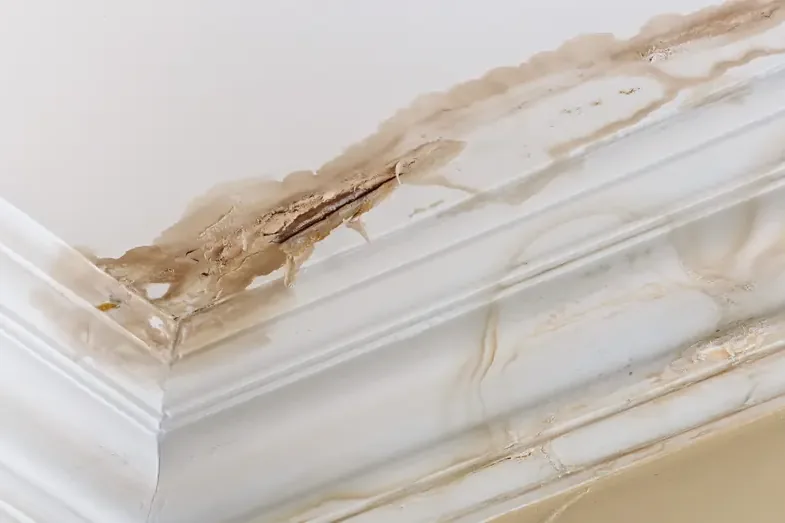
First steps for roof leak water damage
- Observe from safe rooms
The owner can note which ceiling edges darken during rain and photograph changes without climbing onto the roof or entering an unsafe attic.
- Arrange roof entry control
The roofing contact should assess the exterior source while the restoration team identifies interior water damage and any conditions restricting access beneath it.
- Protect the space below
Movable dry belongings can be relocated outside the affected zone when safe, leaving unstable ceiling areas unused until controlled access is planned.
- Share repair information
Details of roofing work and the timing of renewed drips help the drying team understand whether the interior assembly is still receiving additional water.
What does roof leak water damage cost in Forest Park, GA?
Roof leak cleanup planning in Forest Park ranges from $1,000 to $5,500+. Wet insulation, attic access and the number of affected rooms change the restoration scope. Roof repairs and replacement interior finishes should be shown separately where they are needed.
Limited ceiling wetting
- Small visible area
- Simple interior access
- Localized moisture inspection
Attic and ceiling loss
- Wet insulation handling
- Roof space assessment
- Overhead drying access
Several affected rooms
- Multiple ceiling sections
- Wall top inspection
- Broader contents protection
Water category, wet area, material class and the delay before drying change the total. The water damage cost calculator compares a planning range before an on-site assessment.
The roof leak water damage process
- 1
Connect entry and interior symptoms
The assessment compares the roof repair information with visible room damage, identifying accessible sections of the moisture route and places requiring further inspection before work.
- 2
Evaluate overhead layers
Insulation, ceiling finishes and exposed framing are checked for saturation and damage so the plan explains which materials can remain and which need controlled removal.
- 3
Set a protected drying area
After source control, equipment addresses the retained wet assembly while the work zone protects occupied areas and allows access to overhead materials that need repeat readings.
- 4
Explain readiness to the owner
The completion discussion separates moisture results from cosmetic repair needs and records any exterior work still pending before the ceiling, walls or trim are restored.
A roof leak often announces itself at the edge of a ceiling rather than directly beneath the opening. Water can run along roof framing, collect in insulation and reach the room through a joint. The cleanup plan needs to follow this sequence so a visible stain receives the right interior work after the exterior source is addressed.
Describe when and where moisture appears
An owner near Starr Park can record whether a stain darkens during rainfall or continues dripping after the rain stops. A property along Jonesboro Road may need access through a hatch or an occupied upper room. Bill Lee Park provides another location reference, while the inspection itself depends on the actual roof space and ceiling layout.
Photographs from safe indoor positions can show the stain's changing edges. The timing of moisture, any previous roof repair and the room affected are useful details for the roofing and restoration trades. Each can then distinguish work at the entry point from work on the finishes and structural surfaces that became wet inside.
Examine insulation and wall tops
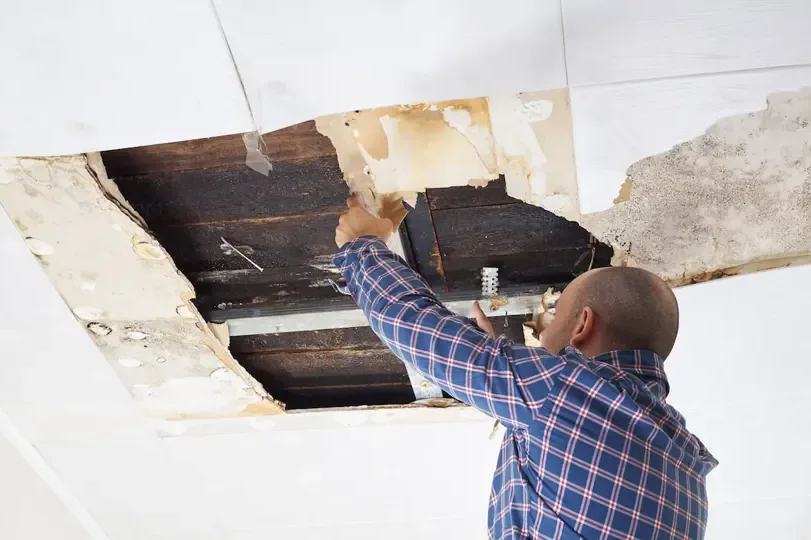
Wet insulation can retain water above a ceiling even after the dripping slows. The restoration team checks accessible roof space materials and the tops of walls where water may descend. A narrow stain at crown molding can lead to a larger area requiring evaluation. Removal decisions should explain whether a material is damaged, contaminated or obstructing effective drying.
- Check accessible framing along the route between roof entry and ceiling damage.
- Evaluate insulation that is compressed, saturated or holding water against another surface.
- Look at wall corners below the stain for signs of continued downward spread.
- Protect belongings below the work area before controlled ceiling access begins.
Occupants should stay off wet roofs and avoid entering an attic with unstable footing or wet electrical equipment. Ceiling framing and insulation can hide openings that are unsafe to cross. Roofing access and temporary weather protection need appropriate professional handling. A sagging interior ceiling also requires a restricted area below until it has been assessed.
Coordinate the interior recovery
Source control protects the drying effort from repeated wetting. Once entry is addressed, ceiling leak restoration may include selective removal and inspection of retained overhead materials. An active roof problem should remain visible in the work notes so the interior repair schedule accounts for the outstanding exterior work.
The drying assessment tracks the condition of framing and other retained layers. A completion discussion should explain what has dried, what finish materials were removed and what the roofing trade still needs to complete. This sequence keeps new paint or wallboard from concealing a damp assembly or an unresolved path for the next rainfall.
How the roof leak water damage work progresses
Connect entry and interior symptoms
The assessment compares the roof repair information with visible room damage, identifying accessible sections of the moisture route and places requiring further inspection before work.
Evaluate overhead layers
Insulation, ceiling finishes and exposed framing are checked for saturation and damage so the plan explains which materials can remain and which need controlled removal.
Set a protected drying area
After source control, equipment addresses the retained wet assembly while the work zone protects occupied areas and allows access to overhead materials that need repeat readings.
Explain readiness to the owner
The completion discussion separates moisture results from cosmetic repair needs and records any exterior work still pending before the ceiling, walls or trim are restored.
Roof Leak Water Damage coverage in Forest Park
Properties near Starr Park, Jonesboro Road and Bill Lee Park can provide roof access and upper room details when requesting interior cleanup. Information about active rainfall entry and completed roofing work helps coordinate the restoration assessment safely.
The same service nearby: roof leak water damage in Morrow, Hapeville, Riverdale.
Water damage restoration in Forest Park · every town coveredRelated water damage services in Forest Park

Roof Leak Water Damage questions in Forest Park
Does a ceiling mark reveal the roof opening?
The mark shows where moisture became visible indoors. Water can travel along framing or insulation first, so roof diagnosis and interior inspection may identify a source away from the damaged ceiling's most obvious stain.
Can cleanup begin before permanent roof repair?
Interior protection and assessment may proceed when access is safe, but ongoing entry needs control. The restoration and roofing work should be coordinated so drying equipment is not repeatedly treating materials that continue receiving rainwater.
Why inspect the attic when the room looks dry?
An improved room surface can conceal wet insulation or framing above. Accessible roof space checks help establish whether moisture remains in the assembly and whether additional material handling is required before ceiling repair is completed.
Should the owner remove wet insulation?
Removal needs assessment of footing, wiring and the materials below. An occupant should avoid entering an unsafe attic or disturbing insulation over a weak ceiling; the work plan can establish controlled access and handling instead.
What if the stain grows after the rain ends?
Water stored in insulation or framing cavities can continue moving downward. The inspection considers both a continuing source and retained moisture, using the observed timing to help trace the interior route of the water.
What separates roof repair from interior restoration?
Roof work addresses the exterior entry point. Restoration evaluates water already inside, removes damaged material where necessary and dries retained surfaces. The written scope should show how those jobs connect before the room receives its final finish.
Follow roof water through the interior
A stain can hide moisture in insulation and wall tops. Arrange an assessment that connects the exterior repair with the wet materials inside.
(888) 532-4616Request an interior roof leak assessment