Water Heater Leak Cleanup in Forest Park
A puddle beside a heater can feed a closet wall or the room beyond it. Forest Park tank leak cleanup checks those edges after safe source isolation and evaluates the materials underneath the appliance.
(888) 532-4616Discuss the leaking heater area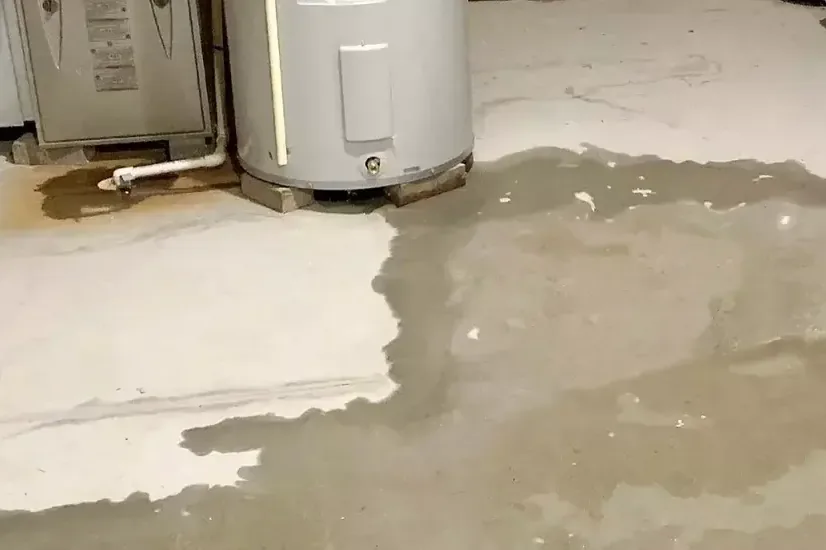
First steps for water heater leak cleanup
- Keep clear of wet controls
Anyone finding water beside the heater should avoid its wet controls or connections and arrange appropriate appliance isolation before approaching the pooled water.
- Contact the responsible owner
A tenant should report the tank location and affected rooms to the manager so source repair, access permissions and restoration assessment can be coordinated.
- Describe the closet layout
The caller can identify tight doors, stored belongings and moisture visible beyond the enclosure, helping the crew plan access to the surrounding wet surfaces.
- Coordinate replacement timing
If the appliance must move, the building surfaces beneath and behind it should be evaluated before a new heater conceals the same damp area.
What does water heater leak cleanup cost in Forest Park, GA?
Water heater leak cleanup in Forest Park has a planning range of $700 to $4,000+. Closet access, affected adjacent rooms and hidden moisture influence the scope. The appliance repair or replacement is a separate consideration from restoring wet building materials.
Closet-only wetting
- Small enclosure footprint
- Accessible pooled water
- Localized edge inspection
Adjoining room damage
- Wet threshold materials
- Nearby carpet assessment
- Expanded wall checks
Concealed spread
- Hidden platform moisture
- Appliance access coordination
- Deeper assembly drying
Water category, wet area, material class and the delay before drying change the total. The water damage cost calculator compares a planning range before an on-site assessment.
The water heater leak cleanup process
- 1
Establish safe appliance access
The assessment confirms the source control arrangements and identifies the heater's position, nearby connections and restrictions that need resolution before water removal around the appliance.
- 2
Inspect the surrounding footprint
The crew checks closet boundaries and connected floor coverings, tracing dampness past thresholds and into materials that may have absorbed water away from the tank.
- 3
Use openings for moisture removal
Appliance movement or selective finish access is coordinated with repair work so trapped water and saturated layers can be addressed while the affected surfaces remain reachable.
- 4
Explain readiness for replacement finishes
Recorded moisture results explain the condition of retained materials, while the completion notes distinguish drying work from heater installation and any remaining closet or floor repairs.
The heater's location shapes the cleanup. A closet can hide wet wall bases behind the tank, while a more open installation may let water spread across the surrounding floor. The restoration assessment should establish where water collected, what blocked its escape and whether dampness has reached an adjoining room before a replacement appliance conceals those surfaces.
Make the heater area safe to inspect
Forest Park's single family and multifamily housing means the person reporting the leak may need an owner or building manager to arrange access. For a property near Bill Lee Park, the initial conversation can identify the heater room and the responsible contact. Electrical or fuel connections and hot water require appropriate handling before work around the appliance begins.
Old Dixie Highway and Main Street offer location references, but the interior setup determines removal logistics. A tight closet doorway, stored boxes or a raised platform can change how the crew reaches pooled water. The assessment should also identify whether moving the appliance is necessary to examine the wall or floor behind it.
Check where the puddle disappears
Water can move beneath a threshold and soak a neighboring carpet without leaving a large puddle beside the tank. Closet trim, floor joints and concealed platform edges deserve inspection. Extraction reduces the accessible liquid, while further evaluation determines whether a wet underlayer or cavity needs opening before drying can work effectively.
- Inspect the back and sides of the heater enclosure once safe access exists.
- Check the adjoining room at the threshold and along the nearest wall base.
- Evaluate stored cardboard or absorbent contents that stood in the escaped water.
- Keep exposed wet surfaces available during appliance removal and replacement work.
Occupants should not touch wet appliance controls or attempt to disconnect a heater while standing in water. Hot water and electrical or fuel connections create separate hazards. Appropriate service personnel should handle isolation and appliance movement. A restoration crew can then address the surrounding water damage once the area is safe and the source has been controlled.
Use the replacement window to address damage
If the tank must be moved, the exposed footprint offers access to surfaces that were previously hidden. The drying team can evaluate the base, wall edges and nearby underlayment before the new appliance blocks them. Coordination helps the owner understand which work belongs to heater replacement and which concerns the damaged building.
Structural drying follows retained materials until their condition supports the next repair. A tidy closet does not by itself establish that the platform or wall interior is ready. The final discussion should identify any finish replacement, remaining source work and moisture checks needed before the heater area returns to ordinary use.
How the water heater leak cleanup work progresses
Establish safe appliance access
The assessment confirms the source control arrangements and identifies the heater's position, nearby connections and restrictions that need resolution before water removal around the appliance.
Inspect the surrounding footprint
The crew checks closet boundaries and connected floor coverings, tracing dampness past thresholds and into materials that may have absorbed water away from the tank.
Use openings for moisture removal
Appliance movement or selective finish access is coordinated with repair work so trapped water and saturated layers can be addressed while the affected surfaces remain reachable.
Explain readiness for replacement finishes
Recorded moisture results explain the condition of retained materials, while the completion notes distinguish drying work from heater installation and any remaining closet or floor repairs.
Water Heater Leak Cleanup coverage in Forest Park
Homes near Bill Lee Park, Old Dixie Highway and Main Street can describe their heater enclosure and adjoining rooms when arranging cleanup. The owner or manager should coordinate safe appliance access and any planned replacement with the inspection.
The same service nearby: water heater leak cleanup in Morrow, Hapeville, Riverdale.
Water damage restoration in Forest Park · every town coveredRelated water damage services in Forest Park

Water Heater Leak Cleanup questions in Forest Park
Can a small heater puddle hide larger damage?
Water can leave the visible footprint through floor joints or the closet threshold. The inspection checks nearby trim, coverings and concealed edges to determine whether the puddle is contained or connected to a broader wet assembly.
Does replacing the heater also fix the floor?
A new appliance addresses the failed equipment, but the supporting floor and nearby walls may still hold moisture. Those materials require their own inspection and drying or repair decisions before they are covered again.
Who should disconnect a leaking heater?
Appropriate appliance or plumbing service personnel should handle isolation and disconnection. Occupants should avoid wet controls and connections, especially where water affects electrical equipment or where hot water makes approaching the tank unsafe.
Why check the room outside the closet?
A threshold can allow water to enter carpet padding or another floor layer before the spill is obvious there. Measuring the adjoining space helps establish the wet boundary and avoid leaving concealed moisture untreated.
Can the tank stay in place during cleanup?
That depends on access to the affected surfaces and the appliance repair plan. If the tank blocks wet materials that need examination or removal, movement should be coordinated safely with the responsible service trade.
What should an owner ask about the estimate?
The scope should distinguish water removal, affected material access and drying from appliance replacement. It should also explain whether neighboring rooms, a platform or concealed closet edges need work beyond the open floor beside the tank.
Check the surfaces a replacement tank would hide
Coordinated cleanup gives wet closet edges and supporting materials attention before appliance installation and finish repairs make those areas harder to reach.
(888) 532-4616Arrange a heater area moisture assessment