Burst Pipe Water Damage in Forest Park
A broken pipe can feed water into a wall before the floor becomes wet. Forest Park cleanup begins with the shutoff status, the building contact and a room inspection that follows the release.
(888) 532-4616Explain the pipe release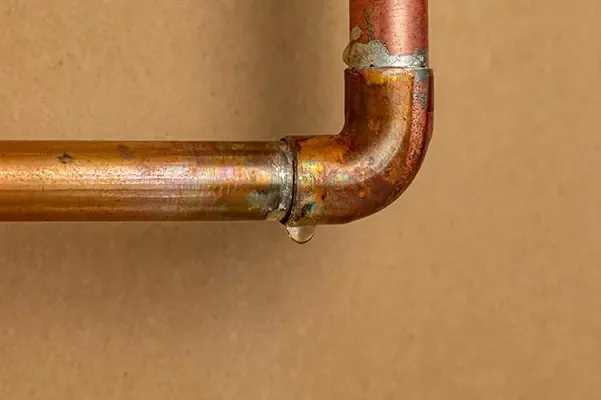
First steps for burst pipe water damage
- Identify the shutoff status
An occupant should state whether the supply remains active and whether a dry, accessible valve is available without entering an electrical hazard.
- Reach the property representative
In a shared building, the manager can arrange neighboring unit access and clarify who may approve inspection openings or the removal of damaged finishes.
- Describe the spread
Room names, the apparent pipe location and any dripping below help establish which adjoining spaces need inspection once the supply has been isolated.
- Keep repair evidence together
Photos taken safely and the plumber's description of the failure help connect the source repair with cleanup work in the affected building assemblies.
What does burst pipe water damage cost in Forest Park, GA?
A Forest Park burst pipe loss may fall between $1,000 and $6,000+ for cleanup planning. The estimate changes with hidden wet cavities, connected rooms and the amount of finish removal. Plumbing repair and reconstruction should be identified separately from restoration work.
Contained release
- Limited wet footprint
- Easy cavity access
- Localized extraction needs
Concealed wet cavities
- Wet wall interiors
- Selective finish opening
- Expanded moisture monitoring
Multiple room loss
- Connected room damage
- Broader material removal
- Coordinated drying zones
Water category, wet area, material class and the delay before drying change the total. The water damage cost calculator compares a planning range before an on-site assessment.
The burst pipe water damage process
- 1
Confirm the release history
The assessment records where the pipe failed, how water was stopped and which rooms showed moisture before or after the plumbing repair occurred.
- 2
Inspect the migration route
Measurements and visual checks follow water through trim edges, cavities and flooring transitions, including accessible rooms adjoining the apparent source of the release.
- 3
Open only necessary areas
The proposed scope explains which damaged or obstructing materials need removal, preserving useful access for plumbing work and drying of the remaining structural surfaces.
- 4
Check conditions before closure
Followup readings show whether the repaired cavity and surrounding assemblies are ready for rebuilding, with unresolved moisture areas identified clearly for the owner.
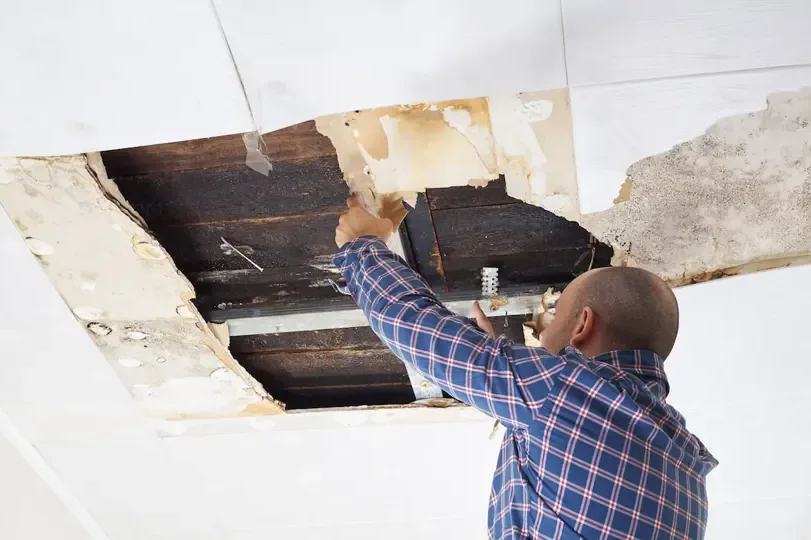
The room containing a broken pipe may be only part of the loss. Pressurized water can enter a wall cavity, escape behind trim and collect beneath a neighboring floor. The inspection needs a starting point at the failure and an outward path through affected assemblies, with notes showing which spaces remain inaccessible.
Establish who can isolate the supply
Forest Park includes single family and multifamily housing. In a detached home, an owner may know the accessible shutoff; in a shared building, the manager may need to arrange isolation and entry to adjoining units. The cleanup conversation should establish whether flow has stopped and who can authorize access before opening wet finishes.
For an address described by Old Dixie Highway, Bill Lee Park or Jonesboro Road, the interior details are equally useful. A leak in a utility closet, a shared wall or an upper room changes the inspection route. The restoration team needs to know about locked doors, occupants in neighboring spaces and water visible below the failure.
Separate the pipe repair from wet materials
A repaired fitting stops further supply water but does not remove moisture absorbed during the release. Pipe access openings can help reveal saturated insulation or wallboard. Before those openings are closed, the drying team checks the cavity and the adjoining floor. Water extraction may be necessary where liquid has accumulated outside the wall.
- Trace the release along wall bases and through adjacent door openings.
- Record finishes that have softened, separated or swollen since the leak appeared.
- Check below elevated pipe failures when water can descend through the building.
- Keep the repaired area visible until remaining moisture has been evaluated.
A valve should be approached only from a safe, dry position. Water contacting electrical equipment or collecting beneath a sagging ceiling requires restricted access. Occupants should not dismantle a wet wall to search for the pipe. The appropriate repair trade and mitigation team can coordinate an opening after the hazards and utilities are assessed.
Restore a usable room in stages
The first stage limits the release and removes accessible liquid. The next stage evaluates retained framing and finishes, placing equipment where evaporation can occur. A shared wall may require inspection from more than one side. Equipment should respond to readings from the affected materials rather than remaining in place for an arbitrary interval.
At the end of structural drying, the completion record should distinguish dry retained materials from surfaces awaiting replacement. Keeping the pipe repair invoice with room photos and drying notes creates a coherent account of the event, from the source failure through the condition left for reconstruction.
How the burst pipe water damage work progresses
Confirm the release history
The assessment records where the pipe failed, how water was stopped and which rooms showed moisture before or after the plumbing repair occurred.
Inspect the migration route
Measurements and visual checks follow water through trim edges, cavities and flooring transitions, including accessible rooms adjoining the apparent source of the release.
Open only necessary areas
The proposed scope explains which damaged or obstructing materials need removal, preserving useful access for plumbing work and drying of the remaining structural surfaces.
Check conditions before closure
Followup readings show whether the repaired cavity and surrounding assemblies are ready for rebuilding, with unresolved moisture areas identified clearly for the owner.
Burst Pipe Water Damage coverage in Forest Park
A property near Bill Lee Park or along Jonesboro Road may need coordination with an owner, tenant or manager. The inspection request should identify shared walls, locked utility spaces and any affected room beneath the pipe failure.
The same service nearby: burst pipe water damage in Morrow, Hapeville, Riverdale.
Water damage restoration in Forest Park · every town coveredRelated water damage services in Forest Park


Burst Pipe Water Damage questions in Forest Park
Is cleanup still needed after the plumber leaves?
The repaired pipe and the wet building are separate concerns. Absorbed water may remain behind trim or beneath flooring, so an inspection can establish whether extraction or controlled drying is still required.
Who should be contacted in an apartment?
The occupant should promptly notify the property manager or owner and identify the wet rooms. Access to shared plumbing or another unit may require that representative's involvement before the full loss can be assessed.
Can pipe water spread behind an intact wall?
Water can travel through cavities and emerge at joints or openings away from the break. The visible stain therefore needs comparison with adjacent materials rather than serving as the sole boundary of cleanup.
Should every wall around the break be removed?
Removal decisions depend on material condition, contamination and access for drying. The restoration scope should identify the specific reason for each opening instead of assuming all nearby wallboard needs replacement after a release.
Why are adjoining rooms measured?
Water can pass through a doorway or under a partition before its effects become visible. Checking adjoining spaces helps identify concealed wet layers and prevents a room boundary from prematurely ending the inspection.
What confirms readiness for new drywall?
Retained materials should be evaluated against suitable drying goals after the plumbing is repaired. Recorded readings and an inspection of the cavity support closure, while damp insulation or unresolved moisture requires further attention first.
Follow the water beyond the broken pipe
A repair can stop the release while moisture remains inside nearby finishes. Arrange an assessment of the affected rooms and cavities.
(888) 532-4616Arrange the pipe loss inspection