Commercial Water Damage in Forest Park
A wet business floor can interrupt storage, staff movement and customer access at once. Forest Park commercial restoration begins by separating affected areas and identifying the building contact who can coordinate cleanup decisions and entry.
(888) 532-4616Discuss the affected business space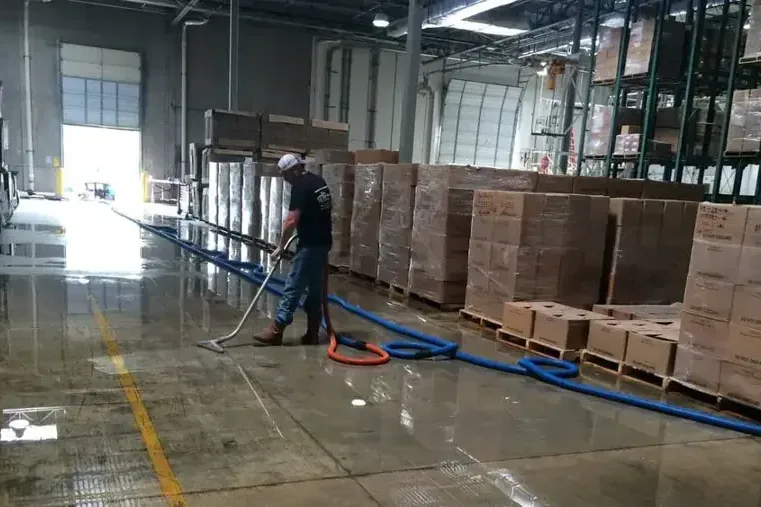
First steps for commercial water damage
- Name the authorized contact
The property representative should clarify who can approve cleanup, coordinate tenant access and provide entry to utility rooms or restricted spaces.
- Separate staff and wet work
Clear boundaries should keep employees and customers away from affected surfaces while preserving only the routes that have been assessed as safe for continued use.
- Record stock exposure
The business can document damaged inventory from a safe location and distinguish movable goods from fixed building materials before handling or disposal decisions are made.
- Explain operating constraints
Access hours, locked sections and equipment that requires specialist handling belong in the initial discussion so restoration work can be planned around the property's practical requirements.
What does commercial water damage cost in Forest Park, GA?
Commercial water damage planning in Forest Park ranges from $2,500 to $20,000+. The affected building area, inventory access, water condition and occupied space restrictions influence the scope. Equipment evaluation, damaged stock and reconstruction may require separate decisions beyond interior cleanup and drying.
Limited business room
- Small work footprint
- Simple contents access
- Localized building drying
Multiple occupied spaces
- Separated work zones
- Coordinated tenant entry
- Broader material handling
Large or complex loss
- Extensive affected assemblies
- Restricted equipment routes
- Complex recovery planning
Water category, wet area, material class and the delay before drying change the total. The water damage cost calculator compares a planning range before an on-site assessment.
The commercial water damage process
- 1
Assess the premises and contacts
Inspection records the source, affected operating areas and authorized representatives, connecting building damage with the permissions and business constraints needed to organize restoration.
- 2
Prioritize removal and contents handling
Water removal is sequenced with protection or evaluation of exposed goods, keeping inventory decisions distinct from work on flooring, partitions and fixed building materials.
- 3
Dry within defined work areas
Equipment placement and monitoring follow the retained wet assemblies while respecting safe access routes and separation between cleanup spaces and portions of the premises that remain occupied.
- 4
Report area readiness and remaining work
The final discussion explains drying results by zone and identifies outstanding repairs so the business contact can coordinate the next stage.
A business loss involves more than the visible floor area. Wet stock, equipment connections and access restrictions can affect the order of work even when the water release is contained. The initial assessment should identify who controls the building, which activities remain safe and where cleanup personnel can move without crossing occupied or sensitive areas.
Match the scope to the business layout
Gillem Logistics Center and the State Farmers Market are major activity and employment centers in Forest Park. Warehouse and distribution development has grown around the redevelopment of Fort Gillem. These commercial settings make storage layout, goods handling and building access practical topics when a business requests a water damage assessment.
A warehouse manager may need to describe loaded storage positions and clear equipment routes. A trading premises contact may need to separate affected stock from an occupied sales area. The restoration plan should use the particular property's layout and water exposure to establish priorities, including any specialist evaluation needed for damaged equipment or goods.
Set boundaries that staff can understand
Wet electrical equipment, overhead damage and contaminated surfaces require restrictions appropriate to the hazard. A simple room or zone description helps staff avoid the work area. Hoses and drying machines also need space, so the access plan should account for doorways and the paths people use while cleanup proceeds nearby.
- Identify the person authorized to approve removal or access to locked rooms.
- Record wet inventory separately from damage to the building and fixed finishes.
- Keep unaffected goods away from the route used for wet debris removal.
- Arrange access to shared utilities or adjoining tenant spaces when inspection requires it.
A business should not continue operating through an area with uncertain electrical safety, sewage exposure or unstable overhead material. Staff should avoid moving powered equipment through water. Reopening decisions need the responsible property's safety assessment and any relevant specialist input, with cleanup boundaries maintained until the affected space is suitable for its intended use.
Document recovery by area and responsibility
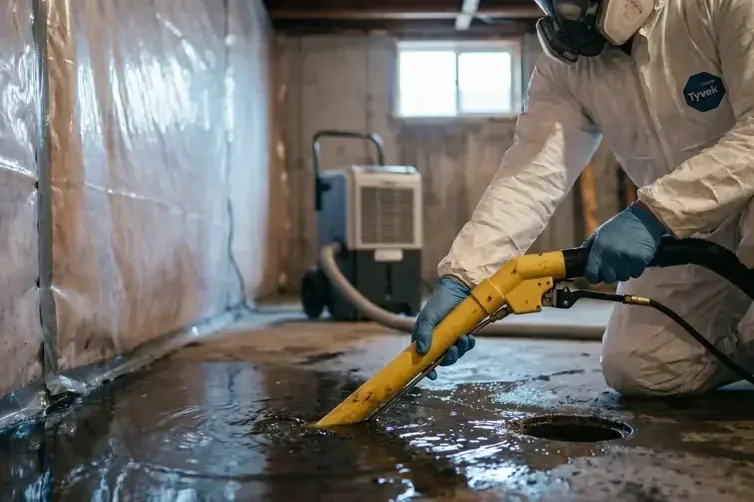
Commercial extraction needs can differ across open floors and finished offices within the same premises. The estimate should identify the affected zones and explain material handling in each. Source repair, stock evaluation and building restoration may involve different contacts, making clear notes useful throughout the project.
Structural drying then tracks retained walls, floors and other assemblies. Completion records should connect each area to its remaining moisture condition and outstanding repairs. A business contact can use that information to plan the next stage, coordinate with the owner and avoid returning goods to a section where finishes or supporting layers still need work.
How the commercial water damage work progresses
Assess the premises and contacts
Inspection records the source, affected operating areas and authorized representatives, connecting building damage with the permissions and business constraints needed to organize restoration.
Prioritize removal and contents handling
Water removal is sequenced with protection or evaluation of exposed goods, keeping inventory decisions distinct from work on flooring, partitions and fixed building materials.
Dry within defined work areas
Equipment placement and monitoring follow the retained wet assemblies while respecting safe access routes and separation between cleanup spaces and portions of the premises that remain occupied.
Report area readiness and remaining work
The final discussion explains drying results by zone and identifies outstanding repairs so the business contact can coordinate the next stage.
Commercial Water Damage coverage in Forest Park
Commercial assessment requests can identify premises near Gillem Logistics Center, the State Farmers Market or Fort Gillem along with the actual building layout. Authorized access, occupied areas and storage arrangements are essential details for planning the initial visit.
The same service nearby: commercial water damage in Morrow, Hapeville, Riverdale.
Water damage restoration in Forest Park · every town coveredRelated water damage services in Forest Park


Commercial Water Damage questions in Forest Park
Can a business stay open during cleanup?
That depends on the hazards, layout and ability to separate affected areas. Continued use should follow the responsible property's assessment, with safe routes maintained and staff kept away from wet equipment, contaminated surfaces or unstable building materials.
Who authorizes work in a leased premises?
The tenant and property owner should clarify approval responsibilities early. Access to shared utilities, neighboring units or fixed building finishes may require owner involvement, while inventory and business equipment decisions can involve the operating company.
Should damaged stock be treated like building debris?
Inventory needs its own record and handling decision based on the goods and exposure. Keeping those decisions separate from structural cleanup helps document the loss and avoids disposing of stock before the appropriate business contact assesses it.
Why divide the estimate into affected areas?
A warehouse floor, finished office and storage room can need different work. An area based scope explains extraction, removal and drying decisions clearly and helps coordinate access without treating the entire premises as one uniform assembly.
Can restoration personnel assess powered equipment damage?
Specialist equipment evaluation may be needed before restart or movement. The restoration scope addresses surrounding water damage, while the responsible equipment service contact determines what the machinery itself requires after exposure to water.
What supports returning goods to a cleaned area?
The business needs information about retained material moisture, completed cleaning and outstanding repairs. Reoccupation or storage decisions should also account for the intended use and any equipment or safety assessment that remains outside the restoration scope.
Define the work area and recovery sequence
An area based assessment connects water removal and drying with stock handling, occupied routes and the repairs still needed at the premises.
(888) 532-4616Arrange a commercial damage assessment