Water Heater Leak Cleanup in Stockbridge
A puddle beside the tank can hide a larger wet footprint underneath walls or flooring. Stockbridge heater leak cleanup checks the equipment space and the connected rooms after the source has been safely controlled.
(888) 532-4616Discuss water around the heater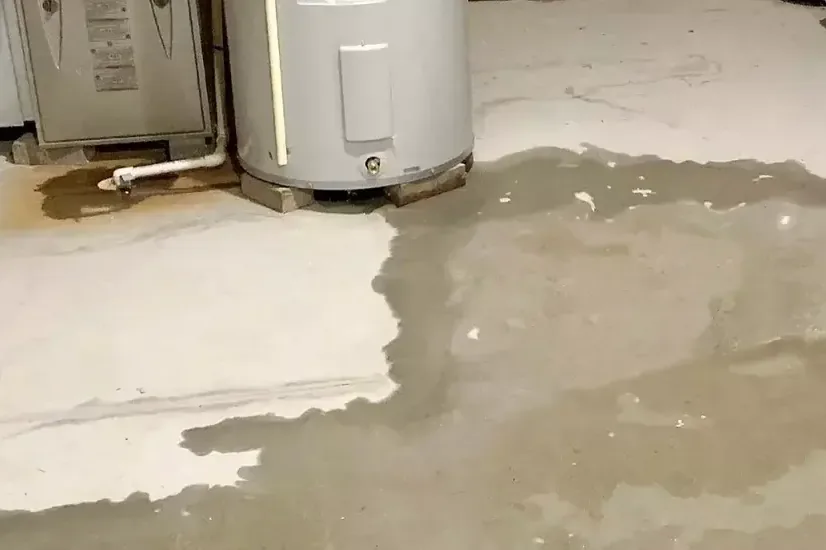
First steps for water heater leak cleanup
- Establish heater service status
The owner reports whether the equipment has been isolated and whether a specialist has evaluated the tank, fittings and energy connections around the leak.
- Inspect outside the enclosure
The assessment includes adjoining wall faces and floor edges so the wet boundary follows water movement rather than the dimensions of the heater closet.
- Coordinate exposed footprint access
If the tank is removed for replacement, the restoration team can assess the newly accessible supporting surface and document conditions before equipment covers it again.
- Explain the enclosure handoff
The scope separates equipment work from extraction, retained material drying and any later repair of trim, drywall or flooring around the heater location.
What does water heater leak cleanup cost in Stockbridge, GA?
Water heater leak cleanup in Stockbridge depends on the wet footprint and whether moisture escaped into adjoining construction. These ranges cover mitigation around the release. Tank diagnosis, heater replacement and rebuilding the enclosure should be identified separately in the project pricing.
Closet-only wetting
- Contained equipment footprint
- Accessible surrounding surfaces
- Limited extraction work
Adjoining room damage
- Shared wall wetting
- Connected floor inspection
- Additional drying access
Concealed spread
- Hidden damp assemblies
- Selected finish removal
- Broader moisture monitoring
Water category, wet area, material class and the delay before drying change the total. The water damage cost calculator compares a planning range before an on-site assessment.
The water heater leak cleanup process
- 1
Describe discovery and equipment
The initial conversation establishes where water appeared relative to the heater and whether ongoing flow or unsafe equipment conditions still limit access to the area.
- 2
Evaluate the enclosure materials
Inspection considers the base, wall bottoms and nearby finishes individually, identifying which surfaces are accessible and which remain concealed by the tank or stored contents.
- 3
Dry beyond the visible puddle
Equipment placement follows the measured wet footprint, including connected materials outside the closet when moisture has traveled beneath the enclosure walls or doorway trim.
- 4
Document remaining repair tasks
The closing information identifies completed mitigation and distinguishes replacement equipment, enclosure rebuilding and finish installation so each task can be organized around the drying results.
A tank enclosure can make a leak look contained even when water has passed underneath its walls. The visible puddle may collect at the front while moisture spreads beneath trim or into flooring on the other side of a partition. Cleanup needs to consider those connected surfaces as well as the space occupied by the heater itself.
Make the equipment space safe to inspect
Water heaters combine a water supply with energy connections and potentially hot surfaces. The appropriate specialist handles equipment isolation, diagnosis and replacement. Once safe access is established, the restoration team can evaluate the escaped water, the material under the tank and any enclosure surfaces that remained in contact with the release.
Stockbridge includes parks such as Memorial Park, Gardner Park and Clark Community Park. Those landmarks can assist with a property description, while the useful indoor details are the heater location and the room on each side of its enclosure. A closet beside a finished room presents different access questions from equipment standing in an open garage.
Inspect the footprint around and beyond the tank
The base beneath the equipment, lower drywall and doorway threshold can all retain moisture. If replacement requires moving the tank, that opening may also improve access to previously concealed wet materials. Coordinating the work helps prevent new equipment from covering a damp supporting surface before the restoration assessment is complete.
- Check the wall shared with the nearest occupied room.
- Look at trim and flooring beyond the enclosure doorway.
- Assess stored items that were resting on the wet surface.
- Document the tank footprint when safe equipment removal exposes it.
Occupants should avoid touching wet heater controls or attempting to move the tank. Hot water and energy connections require suitable professional attention. A wet area near electrical equipment should remain undisturbed until the hazard is assessed, even if only a small puddle is visible beside the enclosure.
Finish the enclosure before concealing wet materials
Water extraction addresses accessible liquid, including pockets around the equipment footprint. Continued drying may need access behind baseboards or to the wall facing an adjoining room. The scope should identify those surfaces so the owner understands why cleanup can extend beyond the closet where the leak was discovered.
After source control, structural drying follows retained materials until their condition supports the next repair decision. The heater replacement and mitigation schedules should account for each other's access needs. A clear handoff records what was visible beneath the removed tank, what materials were addressed and which enclosure finishes still need replacement after the drying work concludes.
How the water heater leak cleanup work progresses
Describe discovery and equipment
The initial conversation establishes where water appeared relative to the heater and whether ongoing flow or unsafe equipment conditions still limit access to the area.
Evaluate the enclosure materials
Inspection considers the base, wall bottoms and nearby finishes individually, identifying which surfaces are accessible and which remain concealed by the tank or stored contents.
Dry beyond the visible puddle
Equipment placement follows the measured wet footprint, including connected materials outside the closet when moisture has traveled beneath the enclosure walls or doorway trim.
Document remaining repair tasks
The closing information identifies completed mitigation and distinguishes replacement equipment, enclosure rebuilding and finish installation so each task can be organized around the drying results.
Water Heater Leak Cleanup coverage in Stockbridge
Water heater cleanup in Stockbridge starts with the actual equipment location at properties near Clark Community Park or Memorial Park. Information about the closet entrance, adjoining rooms and planned tank service helps coordinate access for damage assessment.
The same service nearby: water heater leak cleanup in Morrow, Lovejoy, Forest Park.
Water damage restoration in Stockbridge · every town coveredRelated water damage services in Stockbridge



Water Heater Leak Cleanup questions in Stockbridge
Does replacing the heater remove the water damage?
A new tank stops neither retained moisture nor damage already present in surrounding materials. The exposed footprint, nearby wall bases and connected flooring need evaluation. Equipment replacement and building mitigation should be coordinated but described as separate work.
Can the leak reach the room beside a closet?
Water can pass beneath a partition or trim before it becomes visible outside the enclosure. The assessment checks adjoining surfaces rather than assuming the closet walls contain the release. Shared floor layers can also carry moisture into nearby rooms.
Should the tank be moved before the inspection?
Tank movement involves water and energy connections and belongs with the appropriate specialist. The restoration team can coordinate an inspection of the exposed footprint when removal is planned. Occupants should avoid moving equipment through the wet area themselves.
What if the puddle is underneath stored belongings?
Stored items can hide both standing water and damaged finishes. Safe relocation may be needed for inspection, with photographs preserving the original conditions. The condition of each item and the water source influence its handling and subsequent cleanup decision.
Why check the wall behind the heater?
The rear wall can remain wet where airflow and visibility are limited. Moisture may also reach the opposite face of that wall. Access decisions should address the retained materials behind the equipment before replacement hides them again.
What records help coordinate replacement and drying?
Useful records identify the tank removal timing, exposed material condition and any drying access still required. The owner and equipment installer can then understand what needs to remain reachable and which surrounding finishes will be repaired after mitigation concludes.
Assess the space before new equipment covers it
Coordinated inspection helps identify retained moisture beneath the tank and explain which nearby finishes need attention after the source is repaired.
(888) 532-4616Discuss the equipment area cleanup