Storm Flood Cleanup in Stockbridge
When outdoor water crosses a threshold, the cleanup includes what arrived with it. Stockbridge flood assessment considers sediment, affected contents and porous finishes as well as the standing water visible across the room.
(888) 532-4616Discuss water entering from outdoors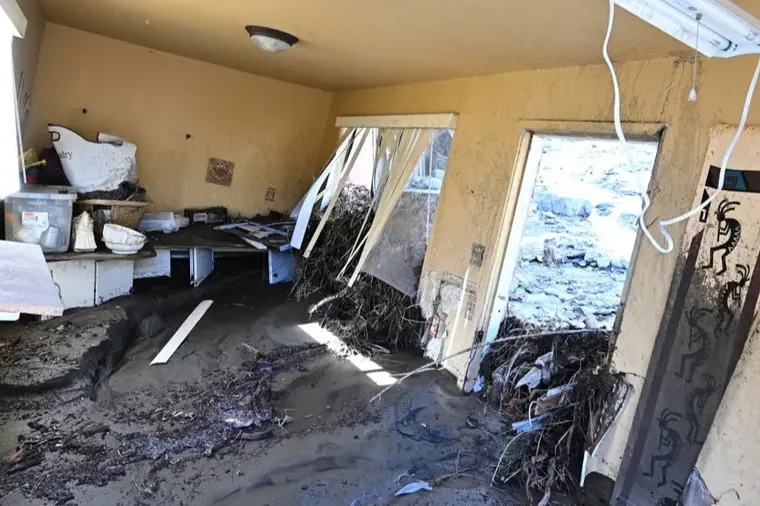
First steps for storm flood cleanup
- Establish a safe approach
The property contact describes current access conditions, affected entrances and electrical concerns before anyone moves through the flooded rooms or handles wet belongings.
- Record the interior boundary
Photos and observations capture water marks, sediment and affected storage so the original spread remains understandable after extraction and cleanup change the scene.
- Evaluate contacted materials
The team separates removable debris from building materials and contents that need their own cleaning, retention or disposal decision based on the release.
- Plan retained structure drying
After the cleanup scope is established, accessible structural materials are measured and assigned a drying arrangement with identified locations for repeat observations.
What does storm flood cleanup cost in Stockbridge, GA?
Storm flood cleanup in Stockbridge varies with the outdoor water condition, sediment burden and amount of porous material affected. These ranges describe interior mitigation. Entry repair, contents replacement and rebuilding can add separate work that should be identified before the owner compares proposals.
Limited ground-water entry
- Localized outdoor entry
- Small sediment footprint
- Accessible affected finishes
Several flooded rooms
- Connected interior spread
- More material decisions
- Broader cleaning needs
Extensive interior flooding
- Large affected assembly
- Complex debris handling
- Expanded structural drying
Water category, wet area, material class and the delay before drying change the total. The water damage cost calculator compares a planning range before an on-site assessment.
The storm flood cleanup process
- 1
Describe source and movement
The assessment records where outdoor water crossed the building boundary and how it spread, giving the cleanup a route to follow through connected rooms.
- 2
Recover liquid and debris
Extraction and sediment removal are coordinated with material handling so the remaining surfaces can be evaluated without treating a cleared floor as completed restoration.
- 3
Assess the cleaned assembly
Once affected finishes are removed or addressed, the team checks exposed structure and identifies retained materials needing controlled drying before the rebuilding phase.
- 4
Document the work categories
The owner receives an explanation of removal, cleaning and drying tasks, with source repairs and future finish replacement distinguished from the completed mitigation scope.
Outdoor water can leave a room with more than wet flooring. Sediment can settle along trim, move under furniture and enter floor joints. Before ordinary room use resumes, the cleanup scope needs to account for the condition of the water, the surfaces contacted and the materials that can remain after appropriate removal and cleaning decisions.
Connect the storm account to the actual entry
September 2009: Regional flooding affected northern Georgia and the Atlanta metropolitan area after rain began on September 15, 2009. A present Stockbridge assessment begins with the affected building's own entry route, water level and interior conditions. The description should identify whether water crossed a doorway, entered another opening or appeared in several connected spaces.
U.S. Route 23, Interstate 75 and Interstate 675 provide useful orientation around the city. During a storm loss, access planning also needs current information from the property contact about usable entrances and the affected interior. The crew's route through the building should avoid carrying wet debris into rooms outside the cleanup area.
Separate salvage decisions from water removal
Bulk liquid removal exposes surfaces for closer inspection, but it does not resolve the condition of saturated porous materials. Carpet, backing, cabinet panels and wall finishes need individual evaluation. Movable belongings also require documentation before handling or disposal changes the room, particularly when sediment covers surfaces that were previously concealed.
- Record the visible water boundary before cleaning removes its marks.
- Inspect low storage and furniture bases touched by the release.
- Check transitions where debris accumulated between different floor finishes.
- Keep the cleanup route separate from unaffected household activity.
Occupants should stay outside flooded spaces with uncertain electrical conditions or unstable materials. Outdoor floodwater can carry contamination, so skin contact and casual handling of wet contents should be avoided. Safe access and suitable cleanup methods need assessment before fans or household appliances are placed in the room.
Dry what remains after the cleanup
The retained structure becomes the focus after removal and cleaning. Structural drying work uses measurements to evaluate the wet framing and other accessible materials. Equipment should follow those remaining surfaces, including concealed connections exposed during the cleanup, rather than the footprint of the original puddle alone.
The Stockbridge restoration overview connects flood damage with other affected assemblies. A complete record distinguishes contents decisions, material removal, cleaning and drying so the owner can understand what the mitigation price includes. Rebuilding can then be organized around the actual condition of the retained structure and any unresolved building entry problem.
How the storm flood cleanup work progresses
Describe source and movement
The assessment records where outdoor water crossed the building boundary and how it spread, giving the cleanup a route to follow through connected rooms.
Recover liquid and debris
Extraction and sediment removal are coordinated with material handling so the remaining surfaces can be evaluated without treating a cleared floor as completed restoration.
Assess the cleaned assembly
Once affected finishes are removed or addressed, the team checks exposed structure and identifies retained materials needing controlled drying before the rebuilding phase.
Document the work categories
The owner receives an explanation of removal, cleaning and drying tasks, with source repairs and future finish replacement distinguished from the completed mitigation scope.
Storm Flood Cleanup coverage in Stockbridge
Stockbridge storm assessments include properties described along U.S. Route 23 and near Memorial Park. Current entry conditions, the actual flooded rooms and safe equipment access are needed to organize work after outdoor water reaches the building interior.
The same service nearby: storm flood cleanup in Morrow, Lovejoy, Forest Park.
Water damage restoration in Stockbridge · every town coveredRelated water damage services in Stockbridge


Storm Flood Cleanup questions in Stockbridge
Is outdoor floodwater handled like a supply spill?
Outdoor entry can bring sediment and contamination that change cleanup decisions. The assessment considers the source and contacted materials before selecting removal and drying methods. Even clear looking water needs evaluation of its source and contact with indoor materials.
Should fans run before the flooded room is assessed?
Equipment placement needs consideration of electrical safety and contamination. Household fans can move air across surfaces that still require controlled cleanup. Safe access and the appropriate removal sequence should be established before routine drying equipment is used.
Why document contents before they leave the room?
Photos and descriptions preserve the condition and location of belongings before handling changes the scene. That record helps the owner discuss disposal, cleaning and replacement questions while keeping the contents decisions separate from structural mitigation work.
Can sediment remain after standing water disappears?
Fine debris can settle beneath trim, inside floor joints and around furniture bases. Extraction removes liquid but may leave those deposits behind. Cleaning and material assessment should follow the entry path and the places where debris accumulated.
Does the regional flood history set this property's scope?
The scope comes from the current building inspection, including the entry opening, contacted materials and measured wet areas. The September 2009 regional event is historical context; the present rooms and source conditions determine the work required.
What happens after damaged finishes are removed?
The retained structure is inspected, cleaned as needed and evaluated for drying. Material readings help establish progress before replacement finishes cover the assembly. Any continuing route for outdoor water also needs correction through the appropriate building repair work.
Organize removal cleaning and measured drying
The mitigation scope can separate water recovery from material decisions and explain what remains before rebuilding the affected spaces.
(888) 532-4616Assess storm water damage