Slab Leak Water Damage in Stockbridge
A damp floor that keeps returning needs more than surface wiping. Stockbridge slab leak mitigation starts with locating the supply problem and assessing how moisture has affected the concrete and the floor above it.
(888) 532-4616Discuss persistent floor dampness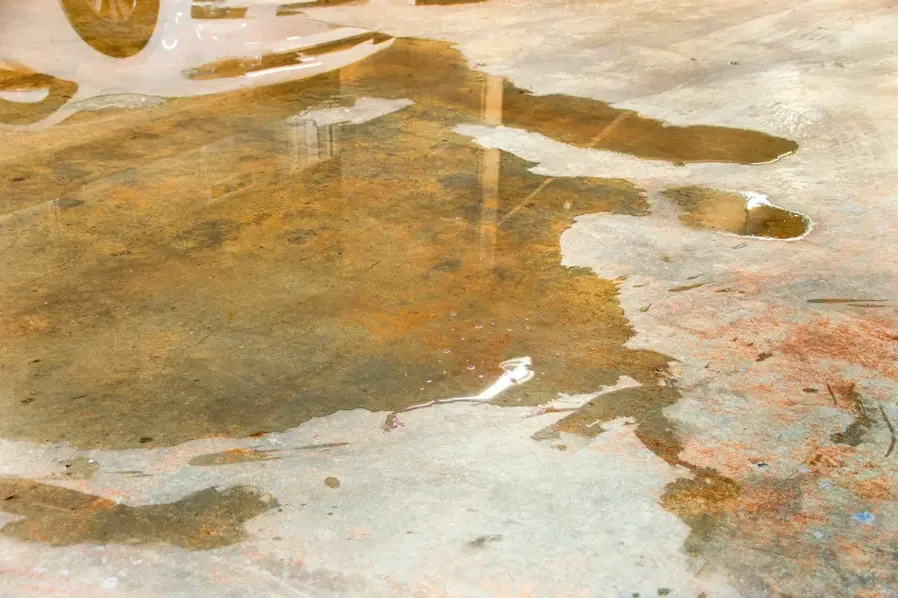
First steps for slab leak water damage
- Record recurring symptoms
The owner describes where dampness returns, which floor edges have changed and whether a plumbing specialist has already evaluated the supply system.
- Confirm the affected assembly
Inspection identifies the installed finish and accessible supporting layers, with special attention to wall bases and transitions beside the visibly wet floor.
- Coordinate repair access
The restoration scope accounts for the plumbing investigation opening so that wet materials around the repair receive attention before the area is closed.
- Set replacement conditions
The drying record identifies retained surfaces and remaining moisture concerns for the installer responsible for selecting and fitting the new floor finish.
What does slab leak water damage cost in Stockbridge, GA?
Slab leak mitigation in Stockbridge depends on affected floor layers and access to concealed dampness. These ranges cover the interior damage scope. Plumbing location, slab access for pipe repair and installation of replacement flooring should be discussed separately.
Localized floor wetting
- Small affected surface
- Limited covering access
- Focused material checks
Several wet layers
- Multiple covering materials
- Supporting surface drying
- Adjoining baseboard assessment
Widespread concealed loss
- Broader hidden dampness
- More removal access
- Complex assembly monitoring
Water category, wet area, material class and the delay before drying change the total. The water damage cost calculator compares a planning range before an on-site assessment.
The slab leak water damage process
- 1
Compare the wet pattern
Observations across the room establish whether moisture is isolated or spread through connected flooring, providing a starting map for the restoration assessment.
- 2
Separate investigation and mitigation
The plumbing findings establish source work, while the drying team records the condition of coverings and materials reached by the release beneath them.
- 3
Adjust access to retained layers
Selective removal gives the team a way to inspect and dry the remaining assembly when an intact surface traps moisture underneath the room.
- 4
Provide a flooring handoff
Measurements and material observations accompany the mitigation record so the flooring professional can evaluate installation conditions for the specific replacement product being considered.
Persistent dampness beside a floor joint can turn an apparently minor spill into a source investigation. When the supply piping beneath a slab is involved, stopping the leak and restoring the room are connected but separate tasks. The damage assessment needs to identify wet covering materials and the supporting concrete before a replacement floor hides the assembly again.
Investigate the source before removing broad areas
Leak location belongs with the appropriate plumbing specialist. Restoration observations help document where the finished floor has changed, where dampness returns and whether wall bottoms share the same pattern. Those observations support coordination without treating every raised board or damp patch as an automatic diagnosis of an underfloor pipe failure.
Stockbridge lies in northwestern Henry County. Gardner Park, Reeves Creek Trail and Old Stagecoach Road offer location references for a property assessment. The inspection inside that property begins with the actual floor construction, including whatever coverings and supporting layers are present beneath the affected room.
Follow moisture through the floor layers
A hard surface can conceal moisture underneath it, and different layers may respond at different rates. Carpet backing, wood, adhesive and concrete do not become ready for rebuilding just because the exposed surface feels drier. The team evaluates the accessible assembly and identifies where further access is needed to assess its condition.
- Loose edges can reveal dampness beneath an otherwise intact covering.
- Baseboards may hide moisture at the floor and wall junction.
- Closet floors can share the same supporting surface as the room.
- Removed finishes should be documented before disposal changes the view.
Cutting or drilling a slab without locating concealed services can create additional hazards. Occupants should leave invasive investigation to the appropriate specialists and keep clear of exposed repair openings. Wet electrical equipment or unstable floor finishes also need assessment before the room becomes a normal walking route.
Make replacement depend on the assembly
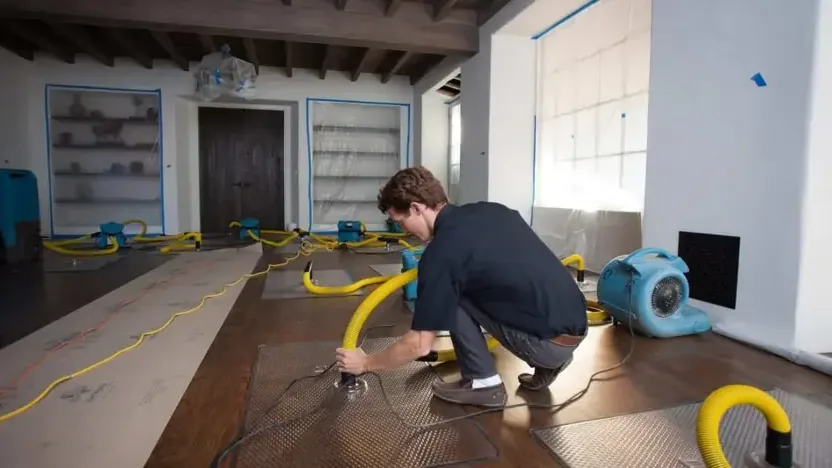
After source correction, structural drying addresses the materials remaining in place. Concrete moisture and indoor humidity need separate consideration. Before adhesive or a new covering goes down, the supporting surface needs moisture testing suited to the proposed installation. The intended flooring installation determines the relevant acceptance requirements.
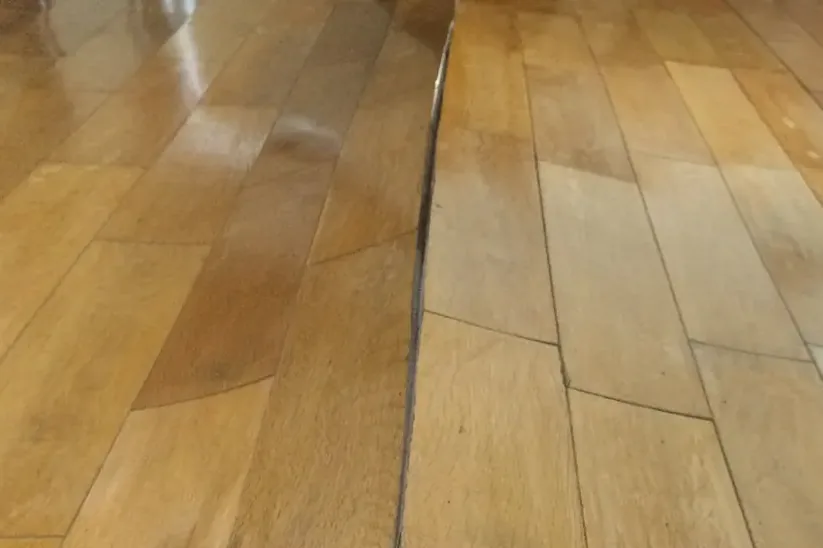
If wooden boards are part of the affected assembly, hardwood floor evaluation adds attention to board shape and the underlayer. The closing record should distinguish drying observations from the installer's flooring approval. That separation helps avoid replacing a surface before the supporting material is suitable for the chosen finish and provides a useful record of what was actually inspected.
How the slab leak water damage work progresses
Compare the wet pattern
Observations across the room establish whether moisture is isolated or spread through connected flooring, providing a starting map for the restoration assessment.
Separate investigation and mitigation
The plumbing findings establish source work, while the drying team records the condition of coverings and materials reached by the release beneath them.
Adjust access to retained layers
Selective removal gives the team a way to inspect and dry the remaining assembly when an intact surface traps moisture underneath the room.
Provide a flooring handoff
Measurements and material observations accompany the mitigation record so the flooring professional can evaluate installation conditions for the specific replacement product being considered.
Slab Leak Water Damage coverage in Stockbridge
For Stockbridge properties identified near Reeves Creek Trail, Memorial Park or the city center, an assessment needs the actual room layout. Information about the affected finish and existing plumbing access helps organize an underfloor water damage inspection.
The same service nearby: slab leak water damage in Morrow, Lovejoy, Forest Park.
Water damage restoration in Stockbridge · every town coveredRelated water damage services in Stockbridge

Slab Leak Water Damage questions in Stockbridge
Does a damp patch prove a slab pipe has failed?
Several sources can wet a floor. Plumbing investigation establishes whether an underfloor supply leak is involved, while the restoration assessment documents the wet assembly. Surface appearance alone should not determine where invasive pipe access begins inside the property.
Can a floor look better while concrete remains damp?
The exposed surface and the supporting concrete can behave differently. A finish may look dry while moisture remains beneath it. Installation decisions need suitable testing for the intended floor system rather than relying only on the appearance of the room.
Is every nearby room checked in the same way?
The assessment follows connected construction and the observed moisture pattern. A closet or hall sharing the affected surface may need attention. Rooms separated from the wet assembly can require a different level of inspection based on the findings.
Will the drying crew repair the buried pipe?
The plumbing repair and interior mitigation are distinct parts of the project. The written scope should identify which trade performs source investigation and repair, and which work addresses wet concrete, coverings, wall bases and remaining materials.
Why might floor coverings need removal?
A covering may be damaged or may prevent inspection and drying of the layer underneath. The decision depends on the installed material and the observed condition. The proposal should explain the affected area and the purpose of the access.
What should the flooring installer receive afterward?
The installer benefits from a record of the source correction, material removal and drying observations. The selected floor product has its own installation requirements, which the installer should evaluate before adhesive, underlayment or new boards cover the supporting surface.
Resolve retained moisture before replacing the finish
The drying team can explain inspection access and the information needed for a clear handoff to the flooring installer.
(888) 532-4616Discuss underfloor damage conditions