Sewage Backup Cleanup in Stockbridge
Wastewater on a bathroom floor changes how the entire affected space should be handled. Stockbridge sewage cleanup begins with restricted access, an assessment of contacted materials and coordination around the underlying drainage problem.
(888) 532-4616Discuss wastewater inside the property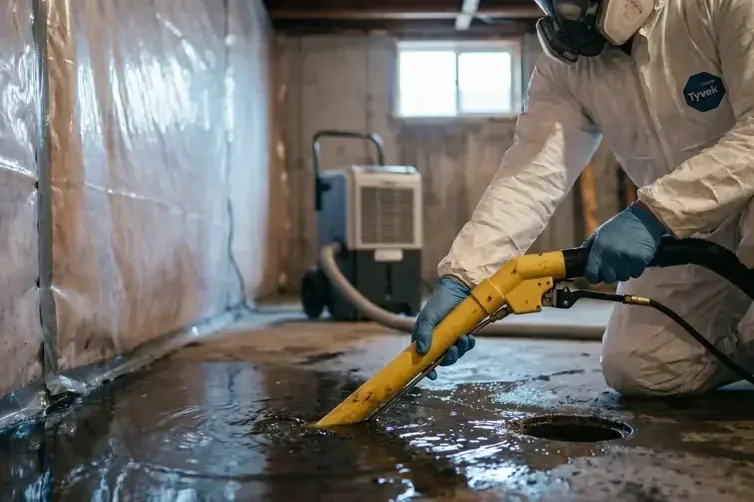
First steps for sewage backup cleanup
- Describe the backing fixture
The contact identifies where wastewater emerged, whether it is still returning and which rooms became connected to the spill through doorways or continuous flooring.
- Establish the work boundary
The cleanup route and affected rooms are separated from routine occupancy, with attention to belongings or foot traffic that could carry contamination elsewhere.
- Document retention and disposal
Contacted materials are assessed individually, and photographs preserve the condition of damaged finishes and contents before removal changes the visible interior arrangement.
- Coordinate cleanup with drainage repair
The mitigation sequence accounts for the source correction and explains the cleaning and retained structure drying still required after the drain begins functioning again.
What does sewage backup cleanup cost in Stockbridge, GA?
Sewage cleanup costs in Stockbridge depend on the contacted area, material porosity and spread into concealed layers. These ranges describe interior mitigation. Drain diagnosis, source repair and replacement finishes should be identified separately from removal, cleaning and drying of the affected space.
Contained bathroom backup
- Limited contacted area
- Accessible fixture surroundings
- Focused removal work
Multiple contaminated surfaces
- Several material types
- More disposal decisions
- Expanded cleaning scope
Extensive sewage migration
- Concealed layer contact
- Broader interior handling
- Complex drying access
Water category, wet area, material class and the delay before drying change the total. The water damage cost calculator compares a planning range before an on-site assessment.
The sewage backup cleanup process
- 1
Identify contact and movement
Inspection maps where wastewater reached and how people normally move through the building, allowing the cleanup arrangement to account for both surfaces and access routes.
- 2
Handle affected materials deliberately
Removal and retention decisions consider each material's condition and exposure, with suitable handling used to keep the work from spreading into spaces outside the boundary.
- 3
Clean before setting drying goals
The retained assembly receives the required cleaning work before moisture control becomes the main task, so a dry appearance does not replace the contamination assessment.
- 4
Record the return to room use
The closing discussion explains completed interior work, retained material conditions and any outstanding drain or finish repair task that needs attention before ordinary occupancy resumes.
A backup can cross the bathroom threshold and contact hallway flooring before the fixture clears. The apparent end of the overflow leaves a separate interior problem: wastewater has touched materials, contents and walking surfaces. Cleanup begins by identifying that contact area and controlling movement through it so affected surfaces do not become a route into otherwise usable rooms.
Keep the affected area out of routine use
The initial description should name the fixture, the rooms reached and whether the drain continues backing up. A drainage specialist investigates the cause. The mitigation team addresses the released wastewater and the contacted interior, with both tasks coordinated so that a cleaned space is not exposed to another continuing overflow.
Stockbridge properties may be described using Memorial Park, Clark Community Park or the U.S. Route 23 corridor. Inside a building, an access description should identify the nearest unaffected entrance and whether the backup blocks the normal path to other rooms. Those details help plan a controlled work route and handling area.
Evaluate contacted materials individually
A hard surface and a saturated porous layer require different decisions. The assessment considers the water contact, material condition and ability to clean the assembly. Carpet backing, damaged wallboard and low stored items need their own evaluation rather than being included automatically in a general floor wiping task.
- Track wastewater across thresholds and beneath low storage.
- Record belongings before removal changes their location and condition.
- Assess concealed layers where contaminated liquid passed under finishes.
- Separate cleanup movement from access to unaffected household spaces.
Occupants and pets should remain outside the affected area and avoid contact with wastewater or wet belongings. Household fans should not spread air across a contaminated room awaiting assessment. Fixture use that contributes to an active backup should stop until the drainage problem has received appropriate attention.
Move from cleanup to retained material drying
Drying follows the necessary removal and cleaning work. Structural moisture control addresses the materials that remain after the contaminated assembly has been evaluated. Equipment placement should reflect those retained surfaces and the established work boundary, including wet cavities exposed during removal.
The owner needs a clear record of disposal decisions, cleaning tasks and the condition of retained materials. The town water damage services connect sewage work with other affected assemblies, but the written scope should preserve the specific handling needs of this release. A drainage repair invoice and an interior mitigation record describe separate responsibilities and together help explain what remains before the affected rooms return to ordinary use.
How the sewage backup cleanup work progresses
Identify contact and movement
Inspection maps where wastewater reached and how people normally move through the building, allowing the cleanup arrangement to account for both surfaces and access routes.
Handle affected materials deliberately
Removal and retention decisions consider each material's condition and exposure, with suitable handling used to keep the work from spreading into spaces outside the boundary.
Clean before setting drying goals
The retained assembly receives the required cleaning work before moisture control becomes the main task, so a dry appearance does not replace the contamination assessment.
Record the return to room use
The closing discussion explains completed interior work, retained material conditions and any outstanding drain or finish repair task that needs attention before ordinary occupancy resumes.
Sewage Backup Cleanup coverage in Stockbridge
Stockbridge sewage assessments need the actual property location and an unaffected access route, including properties near Clark Community Park or Memorial Park. Details about the fixture, ongoing overflow and adjacent occupied rooms help organize the interior cleanup scope.
The same service nearby: sewage backup cleanup in Morrow, Lovejoy, Forest Park.
Water damage restoration in Stockbridge · every town coveredRelated water damage services in Stockbridge

Sewage Backup Cleanup questions in Stockbridge
Does a cleared drain mean the room is ready?
Clearing the drain addresses flow through the plumbing. Wastewater already on floors or inside materials still needs removal and cleanup assessment. The scope should explain what happened to contacted finishes and belongings before ordinary room use resumes.
Can occupants mop the backup into another drain?
Moving wastewater through occupied spaces can spread contamination and expose people to affected surfaces. The room should remain separated from routine use while suitable cleanup and drainage correction are arranged. The release needs assessment beyond its visible puddle.
Why might a nearby carpet require attention?
Wastewater can cross a doorway or travel beneath a transition into carpet backing and pad. Those porous layers need their own contact assessment. A relatively clear surface does not replace checking the hidden materials reached by the release.
Should a fan be placed in the bathroom immediately?
Air movement should follow the contamination and electrical assessment. Blowing air over surfaces that still need controlled cleaning can complicate the work boundary. The removal and cleaning sequence comes before the drying arrangement for retained materials.
Are drain repair and interior cleanup the same service?
They address different parts of the loss. A drainage specialist establishes the cause and correction, while mitigation handles released wastewater and affected construction. The owner should receive a scope that distinguishes those responsibilities and their remaining tasks.
Which belongings should be documented before removal?
Items contacted by wastewater should be photographed and described from a safe position before handling changes their condition or location. The cleanup assessment then informs retention or disposal decisions, with the record available for the owner's property and claim discussions.
Separate drain correction from interior recovery
The assessment can explain removal and cleaning priorities before retained materials are dried and damaged room finishes are replaced.
(888) 532-4616Discuss sewage cleanup needs