Ceiling Leak Water Damage in Stockbridge
The outline of a ceiling stain rarely shows everything above it. Stockbridge ceiling leak assessment follows the source and examines overhead materials before decisions about drying, selective removal and replacement finishes.
(888) 532-4616Discuss the overhead water damage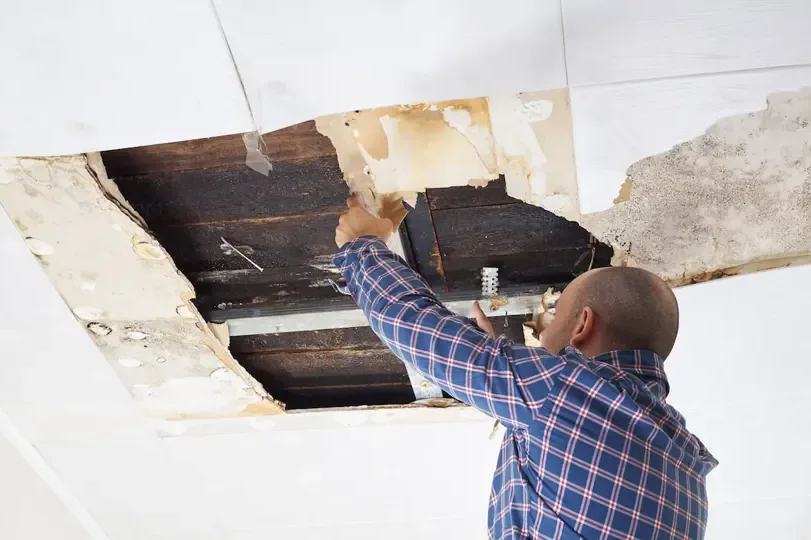
First steps for ceiling leak water damage
- Describe overhead changes
The property contact reports stains, drips, sagging and the room above, allowing the assessment to account for both source access and occupant safety.
- Check the source status
The team coordinates around plumbing or roof findings so continuing entry is addressed before drying equipment is expected to improve cavity conditions.
- Assess ceiling layers
Drywall and insulation receive separate condition evaluations, with access selected to reach wet framing and connected wall areas that require continued attention.
- Document the closing boundary
The mitigation record identifies retained materials, drying observations and remaining finish work before the overhead assembly is repaired and covered again.
What does ceiling leak water damage cost in Stockbridge, GA?
Ceiling leak cleanup in Stockbridge is shaped by the overhead area, insulation condition and spread into walls. These planning ranges describe mitigation access and drying. Correcting the original leak and installing new ceiling finishes can involve separate work and pricing.
Small ceiling area
- Localized overhead damage
- Simple cavity access
- Focused material evaluation
Wet ceiling cavity
- Damp insulation assessment
- Framing drying access
- Additional moisture observations
Ceiling and walls
- Connected wall spread
- Broader opening scope
- Multiple drying positions
Water category, wet area, material class and the delay before drying change the total. The water damage cost calculator compares a planning range before an on-site assessment.
The ceiling leak water damage process
- 1
Establish safe room use
Access below the damaged ceiling is considered before moving equipment or contents, especially where loosened materials or electrical fixtures complicate the work area.
- 2
Connect stain and source
The assessment relates the visible mark to the construction above, using available source findings and material observations to set the overhead inspection scope.
- 3
Monitor the retained cavity
Readings from accessible framing and neighboring surfaces show whether the drying arrangement reaches the wet assembly or requires changes to access and equipment.
- 4
Prepare information for rebuilding
The final explanation separates the completed moisture work from drywall, trim and paint replacement so the next trade has a clear picture of the opening.
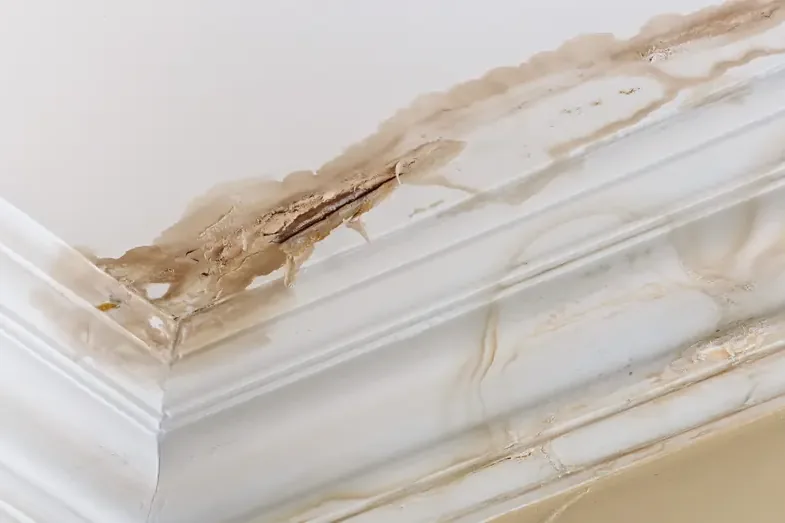
A stain near a ceiling corner can begin with a supply fitting, an upstairs appliance or water entering through the roof. The damaged room shows where water emerged, but the source may sit elsewhere above it. A useful assessment connects those locations and considers the weight and condition of the wet overhead materials before anyone works underneath.
Read the room below and the space above
The inspection records the stain's position, any active dripping and changes at the adjacent wall. Where safe access exists, the space above receives attention as well. The aim is to identify the water path and wet layers rather than simply cutting out the discolored rectangle visible from the floor.
Stockbridge is served by the Henry County School District. Cotton Indian Elementary School, Smith Barnes Elementary School and Memorial Park can help orient a property description. At a damaged building, access details such as an occupied room beneath the leak or a closed upper space are more useful for organizing work than the landmark alone.
Decide what the cavity needs
Drywall can soften, insulation can hold water and framing can remain damp after dripping stops. Those conditions call for different decisions. Selected openings may be needed to examine the assembly and reach retained materials. The proposal should describe the reason for access and distinguish that work from the later ceiling repair.
- Changes around fixtures require attention to electrical safety.
- A wet wall corner may connect with a larger overhead area.
- Insulation condition affects access to the materials behind it.
- Loose finish material can make the area below unsafe.
A sagging or bulging ceiling should be kept clear of occupants and belongings beneath it. Poking a hole from below can release water and weakened material unexpectedly. Wet fixtures should remain untouched until the electrical condition has been assessed by the appropriate professional.
Close the ceiling after the drying decision
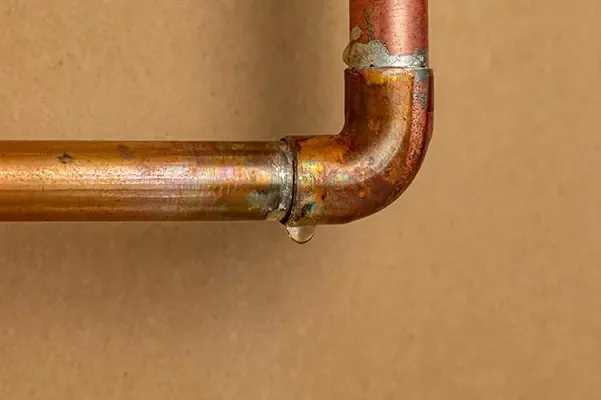
The source repair and overhead mitigation need coordination. A pipe release may call for burst pipe damage work, while rain entry needs its own exterior correction. Neither source repair automatically establishes that insulation or framing is ready to be enclosed behind new drywall.
During structural drying, measurements at identified cavity locations help evaluate progress. The owner should receive an explanation of which materials remain, where the team took readings and what rebuilding work is outside mitigation. That record helps the finish contractor avoid treating a cosmetic patch as the completion of an unresolved overhead leak. Photos of opened areas are particularly useful once a new ceiling will cover them.
How the ceiling leak water damage work progresses
Establish safe room use
Access below the damaged ceiling is considered before moving equipment or contents, especially where loosened materials or electrical fixtures complicate the work area.
Connect stain and source
The assessment relates the visible mark to the construction above, using available source findings and material observations to set the overhead inspection scope.
Monitor the retained cavity
Readings from accessible framing and neighboring surfaces show whether the drying arrangement reaches the wet assembly or requires changes to access and equipment.
Prepare information for rebuilding
The final explanation separates the completed moisture work from drywall, trim and paint replacement so the next trade has a clear picture of the opening.
Ceiling Leak Water Damage coverage in Stockbridge
Ceiling assessments in Stockbridge can be arranged using property details near Memorial Park or Smith Barnes Elementary School. The description should identify the damaged room, the space above it and whether safe access exists to either location.
The same service nearby: ceiling leak water damage in Morrow, Lovejoy, Forest Park.
Water damage restoration in Stockbridge · every town coveredRelated water damage services in Stockbridge

Ceiling Leak Water Damage questions in Stockbridge
Should a ceiling stain simply be painted over?
Painting changes the appearance but leaves the condition above unknown. The source should be addressed and the affected assembly assessed first. Wet insulation or framing may need attention even when the mark is no longer actively dripping.
Why can the source be away from the stain?
Water can follow framing or another surface before dropping through the ceiling. The inspection connects the visible mark with accessible areas above it. That approach helps define the damaged assembly instead of assuming the leak sits directly over the discoloration.
Does sagging change the first response?
Sagging or bulging material creates an overhead hazard. Occupants should keep out of the area beneath it and avoid trying to drain it themselves. Safe access and the condition of nearby fixtures need assessment before cleanup proceeds.
Can ceiling insulation stay in place while drying?
That depends on its material and condition, as well as whether it obstructs access to other wet surfaces. The scope should explain the removal or retention decision and how the remaining framing will be inspected and monitored.
What happens if the leak reached a wall?
The wall connection becomes part of the assessment. Moisture can move down through a corner or concealed cavity, so the wet boundary may extend beyond the overhead patch. Access and drying decisions should follow the affected materials.
What information is useful before ceiling repairs begin?
Source repair findings, photographs of the opening and recorded material conditions help describe the work already completed. The finish contractor should understand which surfaces were retained and whether any unresolved moisture or access issue remains before enclosing the ceiling.
Find the wet boundary above the stain
The restoration team can explain safe inspection access and the material decisions needed before the ceiling is patched and painted.
(888) 532-4616Arrange an overhead damage assessment