Water Extraction in Stockbridge
A room does not need deep water to need extraction. A shallow sheet can reach wall bases and floor seams, leaving Stockbridge property owners with hidden wet surfaces after the puddle disappears.
(888) 532-4616Discuss water covering the floor
First steps for water extraction
- Identify the release route
The crew asks where water entered and checks whether continuing flow would refill the room after the first extraction pass is complete.
- Check the usable entrance
Equipment access depends on the actual doorway, interior obstructions and a safe route that avoids unaffected belongings and electrical hazards.
- Recover remaining pockets
Extraction continues around reachable edges and room transitions so that small isolated pools do not remain behind the cleared central floor.
- Record damp assemblies
Moisture checks identify wall bases and floor layers needing further attention, with observations carried into the next phase of the work.
What does water extraction cost in Stockbridge, GA?
Water extraction in Stockbridge varies with the accessible area, water depth and difficulty reaching trapped pockets. These ranges describe removal work; concealed material drying or contaminated water handling can change the scope established after the property inspection.
Small accessible area
- Open floor access
- Light edge work
- Localized water recovery
Several affected rooms
- Multiple room connections
- Broader extraction passes
- More wet thresholds
Difficult removal scope
- Restricted equipment approach
- Harder liquid recovery
- Complex interior access
Water category, wet area, material class and the delay before drying change the total. The water damage cost calculator compares a planning range before an on-site assessment.
The water extraction process
- 1
Describe water condition
The initial assessment separates a supply release from outdoor entry or wastewater so that recovery methods reflect what entered the building.
- 2
Arrange the extraction route
Hoses and recovery equipment are positioned around the available entrance, with the crew considering floor protection and access to all identified wet areas.
- 3
Revisit the perimeter
After the central pool is gone, the extraction crew checks room edges, movable contents and connections where residual liquid can escape initial attention.
- 4
Explain the remaining work
The closing extraction record identifies damp materials and any access needed for drying, helping the owner understand the next equipment and monitoring decisions.
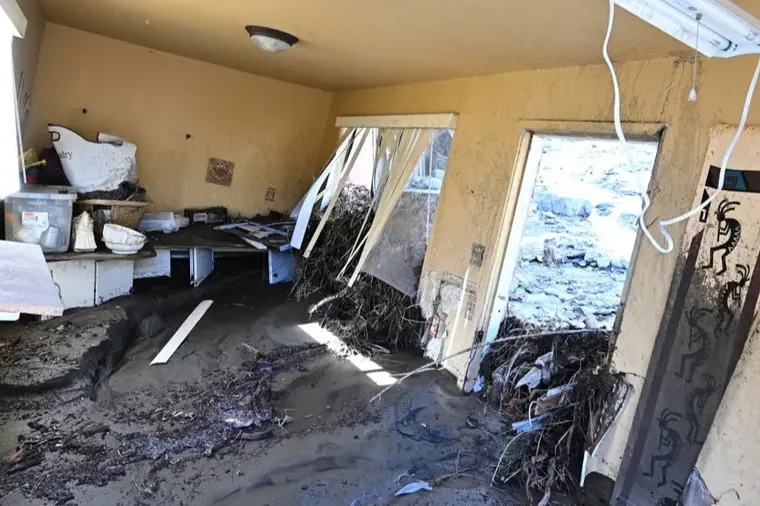
A puddle in an open room gives only part of the extraction picture. Water can collect behind a door, settle at a threshold or pass underneath furniture before the source is discovered. The extraction crew begins with the route water took and the condition of the surfaces it reached, then chooses equipment that can recover liquid effectively.
Map the floor before placing equipment
U.S. Route 23 runs through the center of Stockbridge. For a property along that corridor, a useful work description includes the affected floor level, the entry door and any narrow interior passages. Those details help organize hose access while leaving a safe path between the entrance and the rooms where water remains.
Clark Community Park and Gardner Park can help identify a property's location during the initial conversation. Inside the building, however, inspection follows room connections. A wet living area may share a continuous floor with a hallway, and liquid under the transition can remain after the exposed room has been cleared.
- Door thresholds can hold water against different flooring materials.
- Furniture bases may conceal wet patches beyond the visible pool.
- Wall bottoms need checking where water stood against trim.
- An adjoining closet can contain a separate pocket of liquid.
Match recovery to the wet surface
Equipment selection depends on depth, accessibility and the floor finish. Bulk water removal and detailed extraction at the edges serve different purposes. A carpeted area also needs an assessment of the backing and pad, while a hard floor may require investigation beneath joints where water has already disappeared from sight.
Standing water near receptacles, plugged in equipment or electrical panels requires a safety assessment before entry. Occupants should avoid stepping into the room or using household electrical appliances to collect the water. If the release contains sewage, access and handling must follow a contaminated water cleanup scope.
Hand the room over for measured drying
The surface can look substantially better after extraction while still holding moisture in its supporting layers. Structural drying addresses those retained wet materials. Recorded readings at the floor edge and adjacent wall help establish what needs airflow, what needs access and what cannot remain in place in its current condition.
Photographs should show both the original extent and the conditions after removal. The owner can use that sequence to understand why extraction equipment leaves while drying equipment remains. For an overview of connected work, the town restoration options link the water source to the materials affected, rather than treating every wet room as the same project.
How the water extraction work progresses
Describe water condition
The initial assessment separates a supply release from outdoor entry or wastewater so that recovery methods reflect what entered the building.
Arrange the extraction route
Hoses and recovery equipment are positioned around the available entrance, with the crew considering floor protection and access to all identified wet areas.
Revisit the perimeter
After the central pool is gone, the extraction crew checks room edges, movable contents and connections where residual liquid can escape initial attention.
Explain the remaining work
The closing extraction record identifies damp materials and any access needed for drying, helping the owner understand the next equipment and monitoring decisions.
Water Extraction coverage in Stockbridge
Stockbridge extraction assessments include the U.S. Route 23 corridor and properties identified near Memorial Park. The property description should include the wet rooms, entry arrangements and any floor level changes that affect equipment movement inside the building.
The same service nearby: water extraction in Morrow, Lovejoy, Forest Park.
Water damage restoration in Stockbridge · every town coveredRelated water damage services in Stockbridge


Water Extraction questions in Stockbridge
Can shallow water still need extraction?
A thin layer can move under flooring and trim even without covering the whole room. Removal decisions consider the affected surfaces and available access, followed by checks for moisture that has already left the visible puddle.
Will a wet vacuum finish the restoration?
Collecting accessible water addresses only the liquid the equipment can reach. Wall bottoms, carpet pad and floor underlayers can require separate drying or removal decisions. The remaining materials need evaluation before the room is considered ready for finishes.
Why inspect a room that has no puddle?
A connected room may share flooring or a wall cavity with the release. Water can travel through those connections and wet concealed surfaces. Inspection follows that pathway rather than limiting attention to the room with standing liquid.
Are rugs assessed separately from installed flooring?
A rug and the floor underneath can retain water differently. Safe lifting or relocation may allow both surfaces to be examined. The condition of the rug, its backing and the release determines the appropriate handling and drying arrangement.
Does equipment stay after extraction is complete?
Drying equipment may remain when measurements show retained moisture. Its purpose differs from collecting standing water. The team should explain which materials remain damp and how monitoring will support a later decision to remove the equipment.
What helps prepare the initial work description?
Room names, the likely water source and the current extent are useful. A description of blocked doors or wet electrical equipment also matters. Photos taken from a safe location can help preserve the starting condition before work changes it.
Move from standing water to a drying plan
The extraction crew can evaluate accessible liquid and explain which floor layers or wall bases need continued attention afterward.
(888) 532-4616Arrange a water removal assessment