Roof Leak Water Damage in Stockbridge
Rain can cross an attic surface before a ceiling edge turns brown. Stockbridge interior cleanup follows that route, bringing roof source findings together with inspection of wet insulation, framing and the room below.
(888) 532-4616Discuss rain damage inside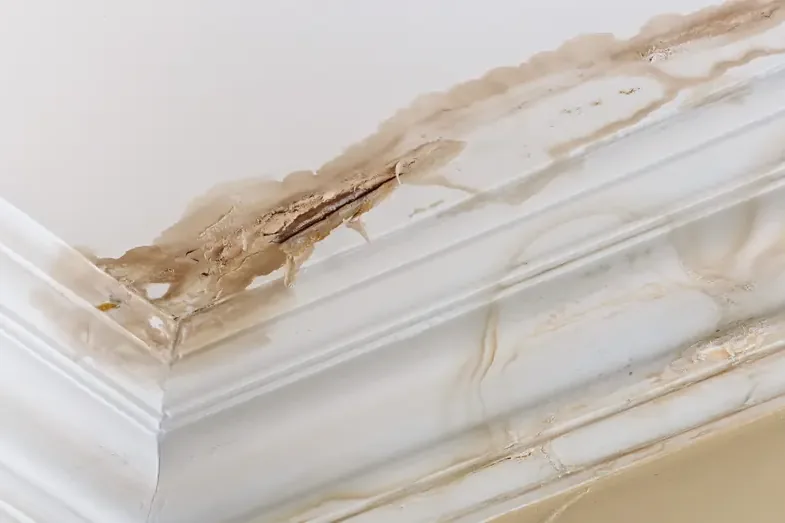
First steps for roof leak water damage
- Describe the rain entry
The initial account covers the indoor stain, timing of visible dripping and any roof findings already available from the specialist handling exterior correction.
- Check attic accessibility
The team identifies a safe route to the wet overhead construction, considering the opening, stored belongings and materials that limit inspection from above.
- Assess damaged interior layers
Insulation, framing and ceiling finishes are evaluated individually, with the proposed scope explaining why certain areas require opening or removal before drying.
- Record source and drying status
The owner receives separate information about the roof correction and retained interior moisture so later finish repairs follow the condition of both.
What does roof leak water damage cost in Stockbridge, GA?
Roof leak mitigation pricing in Stockbridge depends on attic access, wet insulation and the number of interior spaces involved. The ranges describe water damage work beneath the roof. Roofing repairs and replacement interior finishes need their own clearly identified scope.
Limited ceiling wetting
- Small interior mark
- Accessible overhead materials
- Limited removal needs
Attic and ceiling loss
- Wet insulation assessment
- Retained framing drying
- Ceiling access work
Several affected rooms
- Multiple interior stains
- Broader drying layout
- Connected wall evaluation
Water category, wet area, material class and the delay before drying change the total. The water damage cost calculator compares a planning range before an on-site assessment.
The roof leak water damage process
- 1
Collect the visible history
Photos and a description of changes during rainfall establish a record of the interior effects before ceiling access or insulation removal alters the scene.
- 2
Relate exterior and interior findings
The restoration assessment uses available roof findings to understand continuing entry while independently checking the condition of materials that the rain has already reached.
- 3
Dry the accessible retained structure
Air movement and humidity control are arranged around the wet assembly, with observations showing whether the setup reaches framing behind the opened interior surfaces.
- 4
Explain readiness for finish work
The final mitigation discussion identifies the completed drying work and distinguishes it from any remaining roof correction, insulation replacement or ceiling rebuilding required afterward.
An intermittent roof leak can be difficult to describe because dripping may stop when the weather clears. The indoor stain remains, and moisture can stay in insulation or along framing after the visible flow ends. The restoration assessment records those interior conditions while the roofing specialist investigates the exterior entry route and the correction needed there.
Use the rain pattern to describe the discovery
The property owner can note which room changed, whether the mark enlarged during rainfall and whether water appeared near a wall or fixture. That description helps connect the roof investigation with the interior assessment. Photographs from the room below also preserve the stain before removal changes its shape and location.
For Stockbridge properties described near Reeves Creek Trail, Gardner Park or Clark Community Park, the building's actual attic access matters when planning inspection. An entry hatch, stored contents or limited standing space can affect how the overhead materials are reached. Equipment planning should reflect those conditions instead of assuming the whole attic is readily accessible.
Examine the layers below the roof
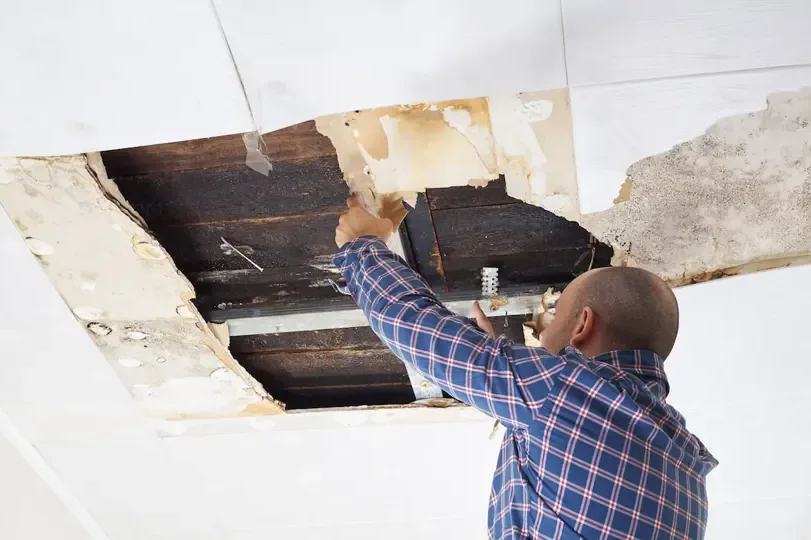
Wet insulation can obscure framing and conceal how far water traveled. Ceiling board and wall tops can also remain damp away from the apparent entry point. The team evaluates each accessible layer and explains whether material removal is needed for condition, access or both before setting the drying arrangement.
- Ceiling edges deserve attention when water follows a framing connection.
- Insulation should be checked where the moisture path crosses it.
- Wall tops can connect the attic release with a lower stain.
- Stored belongings may restrict inspection around the wet overhead area.
Occupants should avoid climbing onto a wet roof or entering an attic with unsafe footing. A ceiling surface beneath the insulation is not a walking platform. Sagging indoor material and wet electrical fixtures also require safe access decisions before anyone works below the affected area.
Preserve the drying work after source correction
The mitigation scope should record the roof repair status and identify any continuing entry concern. Ceiling leak cleanup may address the room below, while the attic needs its own material assessment. A cosmetic ceiling replacement should follow the moisture work rather than concealing wet construction left above it.
During structural drying, the equipment arrangement is checked against the accessible wet surfaces. Readings help identify whether retained framing is improving and whether further access is needed. The final handoff should explain the interior work completed, the materials removed and the observations available for the finish contractor. Keeping exterior repair and interior mitigation records together gives the owner a clearer sequence of the loss and recovery.
How the roof leak water damage work progresses
Collect the visible history
Photos and a description of changes during rainfall establish a record of the interior effects before ceiling access or insulation removal alters the scene.
Relate exterior and interior findings
The restoration assessment uses available roof findings to understand continuing entry while independently checking the condition of materials that the rain has already reached.
Dry the accessible retained structure
Air movement and humidity control are arranged around the wet assembly, with observations showing whether the setup reaches framing behind the opened interior surfaces.
Explain readiness for finish work
The final mitigation discussion identifies the completed drying work and distinguishes it from any remaining roof correction, insulation replacement or ceiling rebuilding required afterward.
Roof Leak Water Damage coverage in Stockbridge
Stockbridge roof leak assessments use the full property location, including access information for homes identified near Gardner Park or Reeves Creek Trail. Details about the damaged ceiling and any attic opening help establish the interior inspection approach.
The same service nearby: roof leak water damage in Morrow, Lovejoy, Forest Park.
Water damage restoration in Stockbridge · every town coveredRelated water damage services in Stockbridge

Roof Leak Water Damage questions in Stockbridge
Can a roof leak stop dripping while materials stay wet?
Rainfall may end before insulation or framing has dried. The absence of active drips describes the current flow, not the condition of every overhead material. Inspection and readings help establish what moisture remains inside the affected assembly.
Is the interior stain directly beneath the roof defect?
Water may travel along framing or another attic surface before reaching the ceiling. Roof investigation and interior inspection therefore need to be related. The visible mark helps describe the damage, while the exterior entry point needs its own assessment.
Does roof repair include drying the ceiling below?
Roof correction and interior mitigation have different scopes. The proposal should identify which work stops rain entry and which work addresses damp insulation, framing or ceiling board. A repaired opening can leave already wet materials needing continued attention.
Why might wet attic insulation need removal?
Its condition and the access needed to inspect adjoining surfaces determine the decision. Insulation can retain water and obstruct drying at framing connections. The team should explain the affected area and the purpose of removal before proceeding with that work.
Should an owner enter the attic to inspect a stain?
Attic access can involve unsafe footing, electrical hazards and weakened overhead materials. Observations from a safe indoor position are useful without entering the space. The appropriate professionals should assess access and inspect the concealed construction above the room.
What belongs in the record before the ceiling closes?
The owner should retain roof findings, photographs of exposed areas and interior drying observations. Together they describe source correction and material condition, giving the rebuilding trade a clearer understanding of what was removed, retained and monitored during mitigation.
Carry the roof repair through to dry materials
An interior assessment can identify wet layers and explain what should happen before insulation, ceiling board and decorative finishes return.
(888) 532-4616Discuss attic and ceiling wetting