Water Heater Leak Cleanup in Riverdale
Water beside a heater can escape under the closet threshold before the tank problem is noticed. Cleanup checks that hidden spread while a qualified appliance or plumbing specialist addresses the source and equipment safety.
(888) 532-4616Discuss water around the heater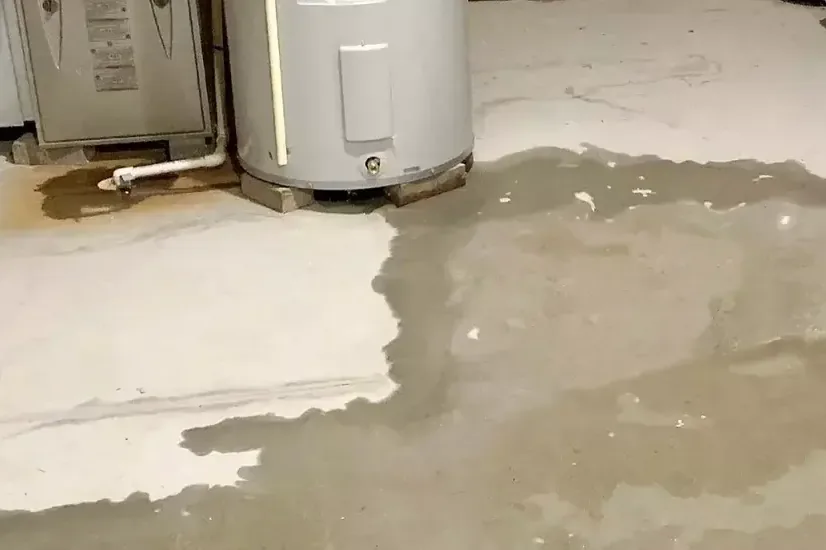
First steps for water heater leak cleanup
- Leave wet controls alone
Wet equipment controls require qualified attention. Occupants should stay clear of the heater and nearby power or fuel connections until safe access is established.
- Describe the enclosure
The caller should identify whether the heater sits in a closet or open space and note water appearing beyond the doorway or along connected trim.
- Coordinate tank service
Repair or replacement arrangements should be shared with the mitigation team so access to wet surfaces can be planned before the appliance is moved or reinstalled.
- Record nearby belongings
Photographs of wet storage items and adjoining floor damage help separate contents decisions from the appliance work and preserve the initial condition before removal begins.
What does water heater leak cleanup cost in Riverdale, GA?
Water heater cleanup estimates in Riverdale depend on the enclosure, access beneath the appliance and spread into surrounding finishes. A closet-only release differs from moisture beneath adjoining floors or inside partitions. Appliance repair and replacement should remain distinct from building mitigation costs.
Closet-only wetting
- Limited enclosure damage
- Accessible water removal
- Trim inspection
Adjoining room damage
- Threshold moisture spread
- Nearby floor drying
- Wall base checks
Concealed spread
- Restricted appliance access
- Hidden assembly wetting
- Expanded material monitoring
Water category, wet area, material class and the delay before drying change the total. The water damage cost calculator compares a planning range before an on-site assessment.
The water heater leak cleanup process
- 1
Confirm safe source coordination
The team examines equipment findings, the escape point and source-control status before establishing safe working access around the heater enclosure.
- 2
Map the enclosure and doorway
Inspection follows moisture from the appliance area into adjacent floor seams and wall bases, recording surfaces that remain concealed beneath the tank or behind fixed enclosure components.
- 3
Remove water and expose edges
The crew collects accessible liquid and arranges selective access where needed, coordinating appliance movement with qualified personnel rather than disturbing connections during ordinary cleanup activity.
- 4
Verify the closet and surroundings
Readings at the enclosure and connected rooms track drying progress, while the handoff lists appliance work, finish repairs and contents decisions still needed before the space is restored.
The wettest visible spot may be beside the tank, while the material most difficult to dry sits beneath a nearby partition. Water heater damage in Riverdale needs inspection around the appliance enclosure and across its doorway. The cleanup team documents that footprint while the source specialist establishes whether the tank, a connection or another component needs repair.
Make the equipment area safe first
Riverdale has ZIP codes 30274 and 30296. A caller can use the appropriate ZIP and describe the heater's location within the property, such as an enclosed closet or another equipment space. Power, fuel connections and hot water require care, so source control should be coordinated without asking occupants to reach into water around the appliance.
Church Street Elementary School, Sequoyah Middle School and Riverdale Town Center are city location references. The useful interior details are different: whether water has crossed the threshold, whether the adjoining baseboard has swollen and whether an inspection route exists around the tank. These observations help establish the damage boundary before a replacement appliance conceals access again.
Occupants should avoid touching a wet heater, its wiring or nearby controls. Hot water can also cause injury. Qualified personnel should handle the equipment's energy isolation and source repair. Cleanup access should be established from dry ground, with the appliance area kept clear until the hazards have been assessed.
Inspect behind the obvious puddle
The floor below an installed heater can be hard to reach. A pan, base or tight enclosure may hide retained liquid and wet materials around its edges. The restoration scope should explain how that area will be inspected and whether appliance movement needs coordination with the repair specialist rather than being treated as ordinary furniture handling.
- Check closet trim where it contacts the wet floor surface.
- Compare readings across the threshold into the adjoining room.
- Record the condition beneath removable storage items before relocation.
- Identify inaccessible surfaces before a new heater occupies the same space.
Complete the closet before closing the work
Any pooled water may need focused extraction. Moisture within partitions or the floor assembly can require drying of retained materials. A tank replacement should be coordinated with those tasks so required access and moisture checks are not lost when the appliance work is finished.
Drying records should identify the closet floor, nearby wall bases and adjoining finishes as separate inspection points. The final discussion can then distinguish the appliance repair from building restoration and any replacement trim or flooring. That separation helps the homeowner understand why water heater cleanup may continue after hot water service has been restored.
Stored items need their own assessment if they absorbed water or blocked airflow. Moving a wet box back into the enclosure can return moisture to a surface already checked, so contents handling belongs in the closet completion plan.
How the water heater leak cleanup work progresses
Confirm safe source coordination
The team examines equipment findings, the escape point and source-control status before establishing safe working access around the heater enclosure.
Map the enclosure and doorway
Inspection follows moisture from the appliance area into adjacent floor seams and wall bases, recording surfaces that remain concealed beneath the tank or behind fixed enclosure components.
Remove water and expose edges
The crew collects accessible liquid and arranges selective access where needed, coordinating appliance movement with qualified personnel rather than disturbing connections during ordinary cleanup activity.
Verify the closet and surroundings
Readings at the enclosure and connected rooms track drying progress, while the handoff lists appliance work, finish repairs and contents decisions still needed before the space is restored.
Water Heater Leak Cleanup coverage in Riverdale
Riverdale water heater inquiries can identify ZIP 30274 or 30296 and use Riverdale Town Center for orientation. The enclosure type, adjoining room damage and planned appliance work help the team discuss access to surfaces needing cleanup and drying.
The same service nearby: water heater leak cleanup in Morrow, Forest Park, Hapeville.
Water damage restoration in Riverdale · every town coveredRelated water damage services in Riverdale


Water Heater Leak Cleanup questions in Riverdale
Does the whole heater need replacement after a leak?
A qualified equipment or plumbing specialist should determine the source and repair options. Cleanup addresses the water damage around the appliance regardless of that decision. The restoration scope should identify wet building materials separately from the diagnosis and cost of servicing the heater itself.
Can water travel beyond the heater closet?
Water can pass beneath a threshold, flooring or wall base before a large puddle becomes visible outside the enclosure. Inspection should include those connected surfaces. A closet that looks nearly dry may still have damp materials at its edges or in the adjoining room.
Should the heater be moved for drying?
Movement may be needed to inspect or reach concealed wet surfaces, but it must be coordinated with qualified personnel handling the connections. The team should explain the access requirement before movement or replacement so the wet area is not covered again without assessment.
Is hot water service the end of restoration?
Restored appliance operation and dry building materials are separate outcomes. The closet floor, partitions and nearby finishes may still need attention after the heater is repaired. Moisture records and material condition determine the remaining cleanup and reconstruction work around the equipment.
What happens to wet items stored nearby?
Stored belongings should be photographed and assessed according to material and exposure. Saturated cardboard or fabric can retain water against the floor and obstruct drying. Safe handling may include moving items to an appropriate assessment area while keeping dry household spaces protected.
Why are wall bases checked beside the tank?
Lower wall materials can absorb water from the floor, including areas outside the appliance enclosure. Meter checks help identify that upward or sideways spread. The crew can then decide whether trim access, selective removal or continued drying is needed before the closet is finished.
Follow the water beyond the tank enclosure
Describe the closet, adjoining floor and repair arrangements so the mitigation team can discuss access and the materials that still need drying.
(888) 532-4616Discuss the wet equipment closet