Storm Flood Cleanup in Riverdale
When runoff crosses a threshold, the cleanup must account for everything it carried inside. Flood restoration separates safe entry, dirty water removal and material salvage before equipment begins drying the retained parts of the building.
(888) 532-4616Discuss runoff inside the building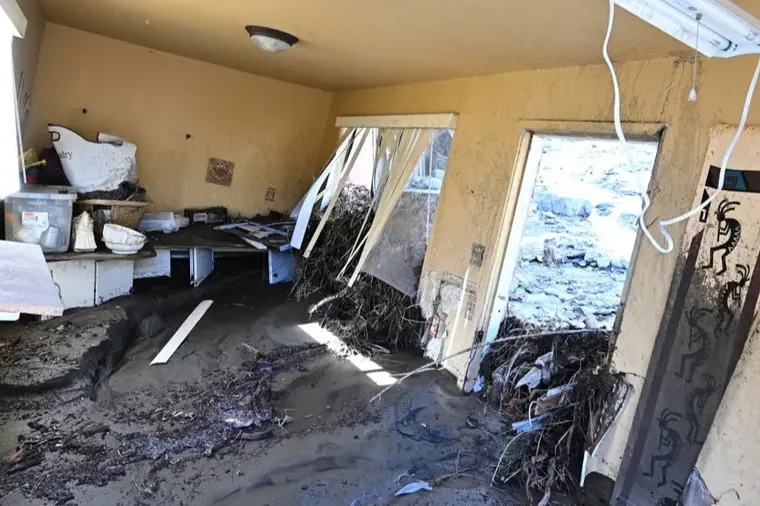
First steps for storm flood cleanup
- Wait for safe entry
A property affected by outdoor water needs electrical and building access assessment before occupants enter wet rooms, collect belongings or attempt to run cleaning equipment.
- Capture the entry path
Photographs from safe ground should show the threshold, sediment trail and affected interior spaces before water removal changes the visible route through the building.
- Separate household movement
Residents should keep children, pets and routine traffic away from dirty water and affected contents so contamination is not carried into rooms that remained dry.
- List exposed belongings
A room inventory can identify furniture, stored goods and floor coverings needing evaluation, helping the cleanup team organize handling and documentation before disposal decisions.
What does storm flood cleanup cost in Riverdale, GA?
Riverdale storm flood cleanup costs vary with the amount of outdoor water, sediment and exposed porous material inside the property. Several contaminated rooms require more handling and removal than a limited entry area. Drying and reconstruction needs are assessed after the cleanup boundary is established.
Limited ground-water entry
- Small entry footprint
- Sediment collection
- Surface cleaning
Several flooded rooms
- Multiple exposed finishes
- Contents handling decisions
- Expanded cleaning
Extensive interior flooding
- Broad material removal
- Complex debris handling
- Large drying footprint
Water category, wet area, material class and the delay before drying change the total. The water damage cost calculator compares a planning range before an on-site assessment.
The storm flood cleanup process
- 1
Assess access and exposure
The crew evaluates entry hazards and the route of outdoor water, identifying the building surfaces and contents requiring contamination controls before removal equipment is placed.
- 2
Remove water and deposited debris
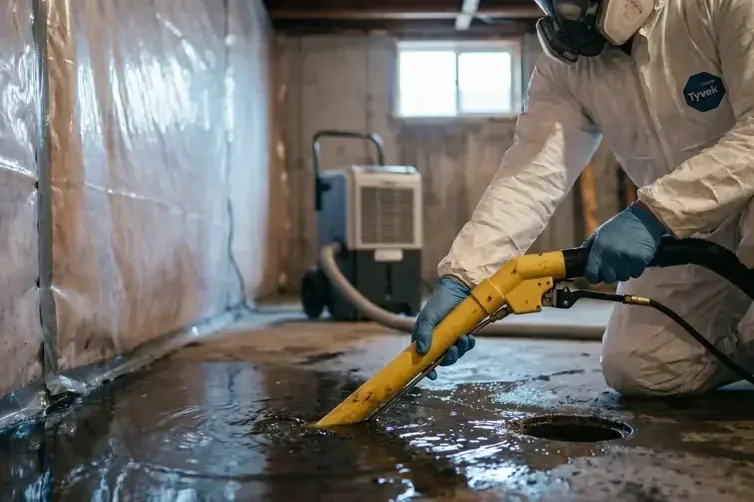
Collection and cleanup address pooled liquid, sediment and damaged porous materials, with handling routes chosen to limit the transfer of dirty debris through unaffected areas.
- 3
Clean the retained building surfaces
Accessible surfaces selected to remain are cleaned using methods appropriate to their exposure and material, while concealed cavities are checked for additional sediment or wet insulation.
- 4
Dry and record the remaining assembly
Moisture measurements track retained materials after cleanup. The closing record identifies removals, outstanding repairs and any separate drainage or entry-point work still needed.
Runoff can leave a thin sediment film well beyond the deepest pool. That deposited material helps show where outdoor water traveled, but cleanup also needs to inspect the surfaces it soaked on the way. Riverdale flood restoration begins with safe access and an exposure assessment, then separates liquid removal, debris handling and decisions about wet building materials.
Record the route from outdoors to indoors
Riverdale stormwater discharges to the Flint and Upper Ocmulgee river basins. The city handles routine drainage ditch mowing and litter removal, while CCWA handles non-routine regrading and sediment removal. At an affected property, photographs should connect the apparent outdoor entry point to the threshold and rooms reached by the water.
Banks Park is beside city hall at Main Street and West Street. Those named places can help locate a cleanup inquiry, while the building inspection focuses on actual conditions: a wet doorway, debris trail, damaged contents and water beneath finishes. Public drainage concerns and interior restoration can be documented separately so each issue reaches the appropriate responsible party.
Make contamination part of the removal plan
Outdoor water can collect contaminants before entering a room. Porous finishes and contents therefore need a salvage assessment before fans are arranged or furnishings are moved through clean spaces. The crew establishes a work boundary and handles affected debris in a way that limits transfer to dry rooms, hallways and exits.
- Record sediment deposits before cleanup removes the visible water path.
- Separate items that can be evaluated from debris marked for disposal.
- Inspect lower wall cavities where dirty water may have entered behind finishes.
- Keep cleaning and removal routes distinct from unaffected household traffic.
Occupants should not enter floodwater around electrical equipment or attempt to operate submerged appliances. Building stability, utilities and contamination need assessment before cleanup access. Children and pets should stay away from affected rooms and outdoor collection points while the work boundary and safe entry conditions are established.
Dry what remains after cleaning
Extraction work removes accessible liquid, but the flood scope also includes sediment and exposed materials. When wastewater is involved, sewage restoration may inform the contamination response. The selected approach should follow the actual source and exposure rather than the water's color alone.
After removal and cleaning, retained framing and other assemblies need a measured drying plan. The record should identify cleaned surfaces, discarded materials and remaining repair needs. Photographs of the entry point also help a homeowner discuss drainage or building-envelope improvements with the appropriate specialist after the immediate interior damage has been addressed.
How the storm flood cleanup work progresses
Assess access and exposure
The crew evaluates entry hazards and the route of outdoor water, identifying the building surfaces and contents requiring contamination controls before removal equipment is placed.
Remove water and deposited debris
Collection and cleanup address pooled liquid, sediment and damaged porous materials, with handling routes chosen to limit the transfer of dirty debris through unaffected areas.
Clean the retained building surfaces
Accessible surfaces selected to remain are cleaned using methods appropriate to their exposure and material, while concealed cavities are checked for additional sediment or wet insulation.
Dry and record the remaining assembly
Moisture measurements track retained materials after cleanup. The closing record identifies removals, outstanding repairs and any separate drainage or entry-point work still needed.
Storm Flood Cleanup coverage in Riverdale
Riverdale flood inquiries can reference Banks Park, Main Street or West Street, together with the property entrance affected by runoff. Photographs of the entry path and interior deposits help explain the removal scope and any separate outdoor drainage concern.
The same service nearby: storm flood cleanup in Morrow, Forest Park, Hapeville.
Water damage restoration in Riverdale · every town coveredRelated water damage services in Riverdale


Storm Flood Cleanup questions in Riverdale
Is clear-looking runoff safe to walk through?
Clear-looking outdoor water still needs a hazard assessment. Electrical hazards, sharp debris and contamination may be present even when the water looks clear. Occupants should remain outside affected areas until access and cleanup conditions have been assessed by qualified personnel.
Who handles drainage ditch maintenance in Riverdale?
The city performs routine mowing and litter removal. CCWA handles non-routine ditch regrading and sediment removal. A property owner can document an outdoor drainage concern separately from the interior restoration scope, which records the water and materials affected inside the building.
Why remove sediment before drying equipment runs?
Sediment is part of the contamination left by floodwater. Cleanup needs to address deposited debris and the surfaces it contacted before retained materials are dried. Equipment placement should follow the cleaning plan, preventing dirty material from being spread around occupied or unaffected spaces.
Can wet upholstered furniture be kept?
The decision depends on water exposure, material construction and whether effective cleaning is possible. Flood-soaked porous contents require careful evaluation. Photographs and item descriptions should be made before handling or disposal, and affected pieces should not be moved through dry rooms without a plan.
Does indoor cleanup correct the outside drainage issue?
Interior restoration addresses the water and damage inside the building. Drainage improvements, exterior entry repairs and public infrastructure concerns are separate tasks. The entry-path photographs can help those discussions, while the mitigation record documents removal, cleaning and drying within the affected property.
What marks the end of flood mitigation?
The work should leave a documented account of removed materials, cleaned surfaces and drying results for the retained structure. Outstanding reconstruction and source-related tasks should be listed. The endpoint depends on those conditions being addressed rather than simply the disappearance of standing water.
Plan removal around the full flood path
The cleanup discussion can organize safe access, contents assessment and drying around the actual route through the building.
(888) 532-4616Discuss flood-affected rooms