Structural Drying in Riverdale
Drying is a sequence of measurements and adjustments, not just equipment running in a room. The plan follows moisture inside retained materials and checks whether concealed areas are responding before finishes are restored.
(888) 532-4616Discuss retained material moisture
First steps for structural drying
- Confirm the source status
The caller should identify completed source repairs because continued water changes the drying scope and can prevent materials from reaching a stable endpoint.
- Describe the retained materials
Information about visible framing, opened wallboard and affected flooring helps the team discuss inspection access while leaving material-specific decisions for the assessment at the property.
- Keep equipment paths available
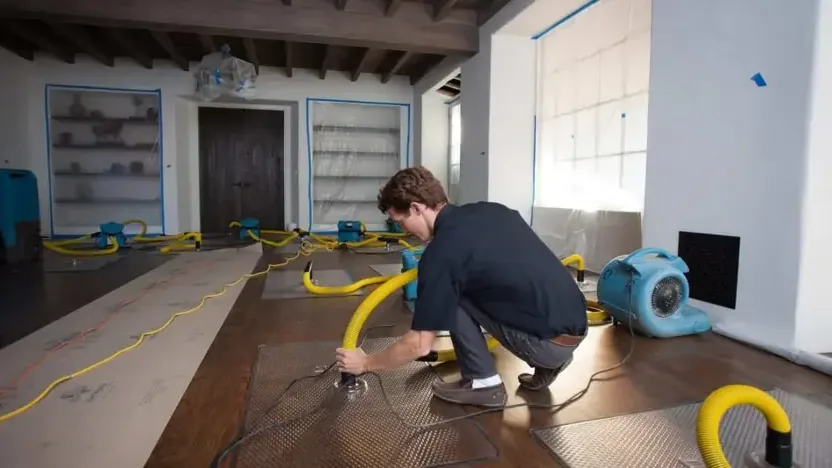
Clear access to wet rooms and measurement points allows equipment placement and repeat checks, with household traffic arranged around hoses, cords and the established work boundary.
- Raise occupancy concerns early
Noise, room access and sensitive belongings should be discussed before setup so the drying team can plan practical arrangements without compromising airflow or the controlled drying environment.
What does structural drying cost in Riverdale, GA?
Structural drying costs in Riverdale depend on material volume, concealed access and the monitoring needed to reach the drying goal. An open room differs from dense or layered assemblies. The estimate should explain equipment, inspection visits and any selective openings required to reach trapped moisture.
One accessible room
- Open material access
- Focused equipment setup
- Repeat readings
Several wet assemblies
- Connected wall sections
- Layered floor checks
- Expanded monitoring
Dense or concealed materials
- Restricted evaporation paths
- Special access decisions
- Detailed moisture tracking
Water category, wet area, material class and the delay before drying change the total. The water damage cost calculator compares a planning range before an on-site assessment.
The structural drying process
- 1
Set the material drying goals
Affected assemblies and comparison conditions establish drying goals. Readings are recorded at accessible points for consistent checks throughout the work.
- 2
Arrange access and equipment
Air movement, dehumidification and any needed cavity openings are coordinated around the wet materials, with attention to electrical capacity, household routes and barriers that restrict evaporation.
- 3
Assess progress and adjust
Follow-up readings show which materials are responding and which need another access or equipment decision, allowing the plan to change when concealed moisture is not declining as expected.
- 4
Provide the measured handoff
Completion records identify drying results and remaining reconstruction conditions, so a finish contractor can plan closure or installation with the material history and outstanding requirements clearly described.
A room can feel comfortable while the back of a wall or the underside of a floor remains damp. Structural drying in Riverdale therefore follows the material, not the occupant's impression of the air. A useful plan states which assemblies are wet, how they can release moisture and what measurements will indicate that the retained materials have reached the selected goal.
Give every retained assembly a starting record
Upper Riverdale Road, Taylor Road and Valley Hill Road can identify different property locations within the city. At each building, the drying team needs to establish the actual wall and floor construction through inspection. Access, finish layers and material density influence the plan, so readings should be tied to named rooms and repeatable measurement points.
Initial readings help define the wet boundary and provide a comparison for later visits. Appropriate unaffected material can help inform the drying goal. The record should distinguish a wall surface from framing behind it and a finished floor from its substrate, because changes in one layer may not describe the condition of another.
Make moisture movement possible
Air movement supports evaporation at exposed surfaces, while dehumidification manages moisture released into the air. A sealed cavity or resistant floor covering may restrict that process. The team should explain any opening needed to reach trapped moisture and check whether the selected equipment arrangement is producing progress at the materials being monitored.
- Use consistent measurement locations so changes can be compared meaningfully.
- Record access restrictions that may slow moisture release from concealed layers.
- Check nearby dry areas when the original wet boundary appears to expand.
- Reassess equipment placement when a material stops showing the expected progress.
Drying equipment needs an appropriate electrical supply and clear operating space. Occupants should not redirect machines, cover air paths or alter electrical connections without discussing the change with the drying team. Noise or access concerns should be raised so the setup can be adjusted without losing control of the affected environment.
Use results to decide when repairs can proceed
Water extraction reduces the liquid load before drying begins. A ceiling cavity may require its own safe opening and insulation decisions. The drying plan links these tasks through material records so equipment time is explained by the condition of the assembly rather than a preset number of days.
The final record should show the selected goals, measurement locations and results for retained materials. Any remaining source work, removal or installation testing belongs in the handoff. That lets the repair contractor distinguish a completed drying task from separate requirements for closing a cavity or installing a new finish.
How the structural drying work progresses
Set the material drying goals
Affected assemblies and comparison conditions establish drying goals. Readings are recorded at accessible points for consistent checks throughout the work.
Arrange access and equipment
Air movement, dehumidification and any needed cavity openings are coordinated around the wet materials, with attention to electrical capacity, household routes and barriers that restrict evaporation.
Assess progress and adjust
Follow-up readings show which materials are responding and which need another access or equipment decision, allowing the plan to change when concealed moisture is not declining as expected.
Provide the measured handoff
Completion records identify drying results and remaining reconstruction conditions, so a finish contractor can plan closure or installation with the material history and outstanding requirements clearly described.
Structural Drying coverage in Riverdale
Structural drying inquiries in Riverdale can identify Upper Riverdale Road, Taylor Road or Valley Hill Road for orientation. The work plan follows the property's wet materials, available cavity access and the measurement points needed to evaluate progress through the affected assembly.
The same service nearby: structural drying in Morrow, Forest Park, Hapeville.
Water damage restoration in Riverdale · every town coveredRelated water damage services in Riverdale
Structural Drying questions in Riverdale
How long should structural drying equipment run?
Duration depends on the materials, moisture load and access available for evaporation. Repeat readings determine progress toward the drying goal. The team should explain what is being measured and why equipment continues, changes position or is removed as the affected assembly responds.
Can a room feel dry while framing remains wet?
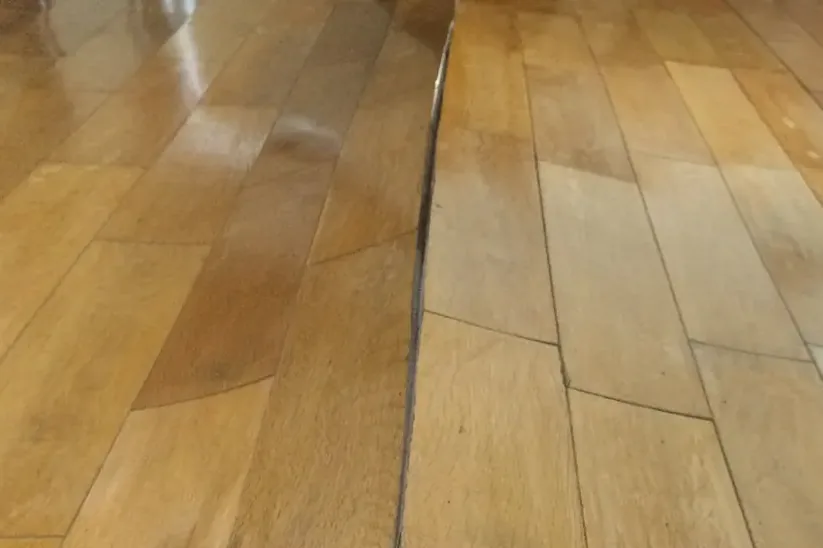
Indoor air and exposed finishes can change faster than concealed materials. Framing or floor layers may retain moisture behind a dry-looking surface. Material-specific readings help identify that difference and keep repair decisions from relying only on comfort, touch or the disappearance of visible water.
Why does drying sometimes need a wall opening?
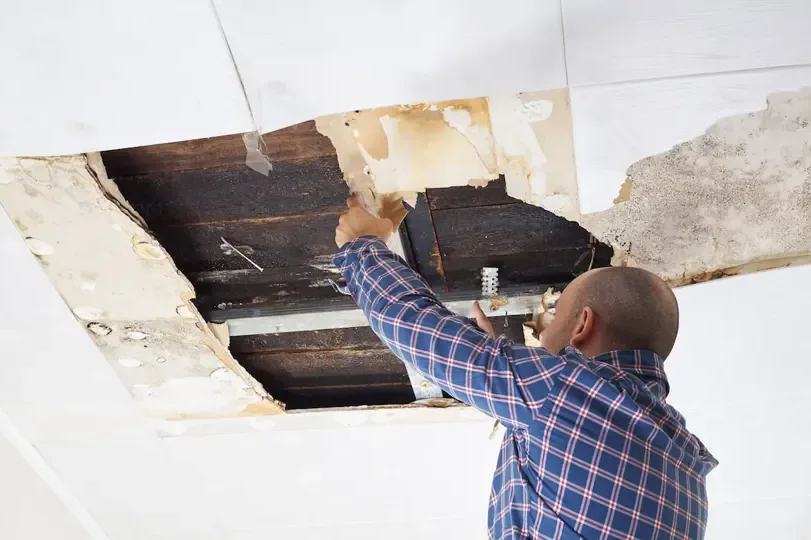
An enclosed cavity can restrict airflow and hide wet insulation or framing. A selected opening may be needed for inspection, removal or effective drying access. The scope should identify the purpose and location of the opening and explain how it will support the moisture goal.
Can equipment be switched off overnight?
Changes should be discussed with the drying team because they affect the controlled environment and progress record. Noise or access problems deserve a practical adjustment plan. Occupants should avoid changing machine settings, air paths or electrical connections without coordinating the effect on the work.
What happens when readings stop improving?
The team reassesses source control, access, material layers and equipment arrangement. A stalled reading may call for another inspection point or an opening to reach trapped moisture. The response should follow the material findings and be documented as part of the evolving drying plan.
Does the drying record approve every new finish?
Replacement finishes may require product-specific testing after drying. The repair contractor checks those installation requirements and identifies remaining substrate preparation before closing the assembly or fitting the new material.
Follow material readings through to repair readiness
The drying discussion can explain access needs, equipment placement and the checks that determine when retained materials are ready for repair.
(888) 532-4616Discuss the drying record