Roof Leak Water Damage in Riverdale
Rain entering a roof may leave a ceiling stain far from the opening outside. Interior restoration follows that hidden route, checking attic materials, room finishes and the conditions needed before the wet assembly is repaired.
(888) 532-4616Discuss rain inside the roof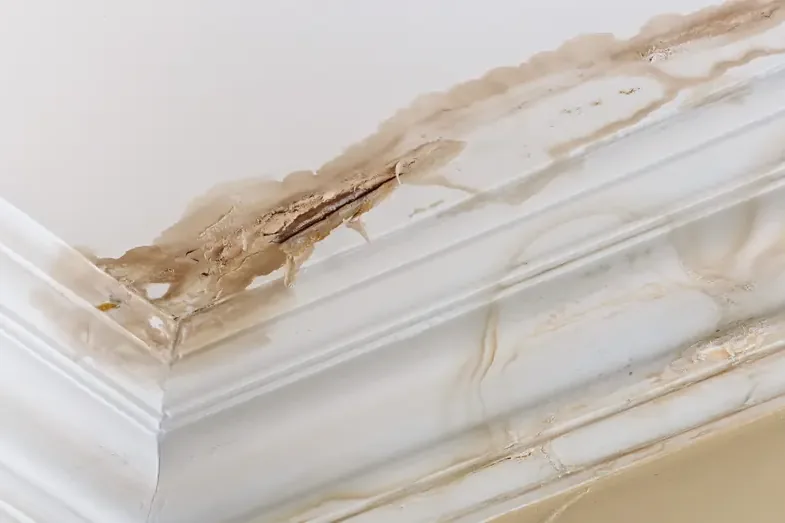
First steps for roof leak water damage
- Describe the rain connection
The caller should note whether dripping appears during rainfall, continues afterward or changes at a ceiling edge, while avoiding an exterior roof inspection.
- Arrange safe roofing attention
A qualified roofing assessment can identify the entry point and temporary protection needs while the interior team evaluates materials already affected by the incoming water.
- Keep clear beneath damage
Furniture and occupants should remain outside unstable ceiling areas until access is assessed, with photographs taken only from a safe position away from wet fixtures.
- Record the attic access
Information about the available attic entrance and the rooms below helps coordinate inspection, equipment placement and any controlled opening needed to reach wet insulation or framing.
What does roof leak water damage cost in Riverdale, GA?
Roof leak restoration pricing in Riverdale follows the interior water path, attic access and condition of insulation and ceiling finishes. A limited stain can involve a smaller scope than wet framing and connected rooms. Roofing repairs should be identified separately from interior mitigation and reconstruction.
Limited ceiling wetting
- Localized room damage
- Accessible ceiling checks
- Focused drying
Attic and ceiling loss
- Insulation handling decisions
- Framing moisture checks
- Cavity access
Several affected rooms
- Multiple ceiling areas
- Connected wall wetting
- Broader equipment arrangement
Water category, wet area, material class and the delay before drying change the total. The water damage cost calculator compares a planning range before an on-site assessment.
The roof leak water damage process
- 1
Compare exterior and interior findings
The team examines the identified roof entry point alongside room photographs, establishing where the water traveled and which interior surfaces require inspection beyond the exterior repair location.
- 2
Assess the overhead materials
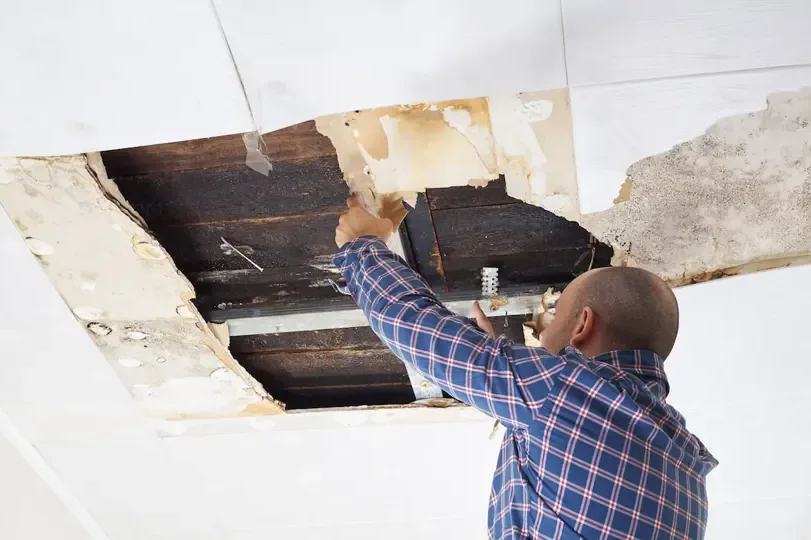
Accessible insulation, framing and ceiling finishes are examined for wetness and condition, with removal decisions explained according to strength, cleanliness and the ability to provide drying access.
- 3
Control moisture within the cavity
Drying arrangements address the retained assembly and adjacent walls, while repeated measurements show whether hidden areas are progressing or need a revised opening or equipment position.
- 4
Coordinate the finish handoff
The restoration record links source repair status with drying results and replacement needs, allowing roofing and interior work to proceed with a shared understanding of remaining tasks.
A roof repair and an interior dry-out solve different parts of the same leak. The roofer closes the entry point; the restoration team evaluates water already inside the building. For a Riverdale property, that interior scope can include insulation, framing and finishes that remained damp after the weather changed and the visible drip stopped.
Use the rainfall history to investigate entry
Georgia State Route 138 is also named Martin Luther King Jr. Highway, and Georgia State Route 139 is identified with Main Street and Riverdale Road. A caller near these corridors can describe when the stain changed relative to rainfall. A useful account identifies the affected room and ceiling edge without requiring anyone to climb onto the roof or enter an unsafe attic.
Photographs taken during and after the event can show how water moved across the finish. The crew compares that pattern with roofing findings and accessible attic conditions. Water may have traveled before appearing indoors, so the repair location and the wet interior boundary should both be recorded rather than treated as a single point.
Assess insulation and the ceiling separately
Wet insulation can conceal the upper surface of the ceiling and limit drying access. The condition of that insulation, the supporting framing and the ceiling board should each be evaluated. A removal decision should explain whether the material is damaged, contaminated or preventing the retained assembly from drying effectively.
- Check accessible framing near the reported roof entry route.
- Compare the ceiling edge with adjoining wall moisture readings.
- Document insulation condition before any material is disturbed or removed.
- List contents below active drips for separate protection and inspection.
Occupants should stay off a wet roof and avoid walking across attic surfaces with uncertain support. A ceiling that sags or sheds material needs an exclusion area below it. Safe access, source repair and electrical concerns should be handled by the appropriate qualified personnel before interior cleanup proceeds beneath the affected assembly.
Plan an interior finish that can stay sound
The room may need ceiling cavity restoration when overhead finishes have weakened. Moisture extending through several materials can require measured structural drying. The scope should show how those tasks connect to the roof repair and identify any remaining entry concerns before new insulation or drywall is installed.
Drying equipment should be positioned around the actual wet footprint, with progress readings taken at the affected materials. Painting over a stain is a later finish decision. The homeowner should receive a record of source work, removed materials, drying observations and repair needs so the roofing and interior contractors can coordinate their separate responsibilities.
Banks Park can serve as another location reference. Inside the building, the more useful landmarks are the attic access, wet ceiling junction and adjoining wall, which help the crew trace the path consistently during follow-up checks.
How the roof leak water damage work progresses
Compare exterior and interior findings
The team examines the identified roof entry point alongside room photographs, establishing where the water traveled and which interior surfaces require inspection beyond the exterior repair location.
Assess the overhead materials
Accessible insulation, framing and ceiling finishes are examined for wetness and condition, with removal decisions explained according to strength, cleanliness and the ability to provide drying access.
Control moisture within the cavity
Drying arrangements address the retained assembly and adjacent walls, while repeated measurements show whether hidden areas are progressing or need a revised opening or equipment position.
Coordinate the finish handoff
The restoration record links source repair status with drying results and replacement needs, allowing roofing and interior work to proceed with a shared understanding of remaining tasks.
Roof Leak Water Damage coverage in Riverdale
Roof leak inquiries in Riverdale can use Main Street, Riverdale Road or Riverdale Town Center for orientation. The interior assessment depends on the affected ceiling, available attic access and the roofing findings available when the damage is discussed.
The same service nearby: roof leak water damage in Morrow, Forest Park, Hapeville.
Water damage restoration in Riverdale · every town coveredRelated water damage services in Riverdale

Roof Leak Water Damage questions in Riverdale
Does a repaired roof dry the attic automatically?
Closing the entry prevents further rain from entering at that location, but insulation and framing can retain water already absorbed. Interior inspection determines whether materials need removal or drying. The attic and ceiling should be evaluated before the finish work is considered complete.
Why did the stain return after a dry day?
Moisture held in the assembly can continue moving after rainfall ends. The source also needs assessment for continued entry. Comparing the stain pattern, roofing findings and material readings helps determine whether the remaining issue is retained water, an unresolved opening or both.
Can a homeowner inspect the roof during rain?
A wet roof creates fall and access hazards. The homeowner should describe conditions from a safe indoor or ground position and arrange qualified roofing attention. Interior safety also matters, particularly when the ceiling is sagging or water is reaching electrical fixtures.
Does every wet attic need insulation removal?
The decision depends on the insulation's condition, exposure and ability to permit drying of the assembly. Saturated or damaged material may need removal. The scope should explain the selected approach and identify how the framing and ceiling will be checked before replacement.
How are roofing and restoration costs separated?
Roofing work addresses the entry point and exterior system. Restoration covers affected interior materials, water removal and drying, followed by any specified reconstruction. A written estimate should distinguish those responsibilities so the homeowner can compare scopes and identify work still assigned to another contractor.
What allows ceiling repainting to proceed?
The water source should be resolved, damaged material addressed and retained surfaces checked for drying progress and repair readiness. A finish contractor can then plan surface preparation and coating. Repainting a damp assembly can conceal conditions that still require access or additional work.
Connect the roof repair with the interior cleanup
A clear account of rainfall, dripping and attic access helps the restoration team discuss wet materials and the next repair handoff.
(888) 532-4616Discuss the wet attic assembly