Burst Pipe Water Damage in Riverdale
A pipe rupture can keep supplying water while the visible damage spreads room by room. Cleanup begins with safe source control, then follows wet ceilings, wall cavities and flooring beyond the plumbing repair location.
(888) 532-4616Discuss damage after a rupture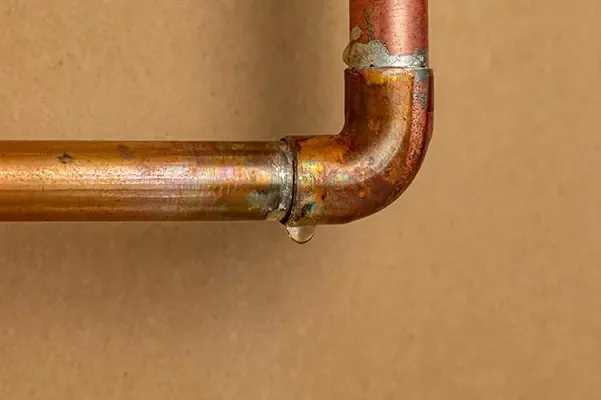
First steps for burst pipe water damage
- Locate a safe shutoff
A reachable valve can stop additional supply water, but occupants should avoid entering wet rooms or handling equipment where electrical conditions remain uncertain.
- Arrange plumbing source attention
The damaged pipe needs qualified diagnosis and repair; the restoration discussion should identify whether that work is complete or whether water continues entering the building.
- Describe the path downward
The caller should mention lower ceilings, wall bases and adjacent rooms that became wet after the rupture, including spaces separated from the repair opening.
- Preserve the repair details
Photographs and a plumbing invoice can establish the affected section and repair sequence, helping the mitigation team connect the source location with the interior damage.
What does burst pipe water damage cost in Riverdale, GA?
Burst pipe water damage work in Riverdale depends on the release footprint and the number of concealed assemblies affected. A contained spill may need focused drying, while wet insulation, connected walls and several floor layers can require more access, removal and monitoring before reconstruction begins.
Contained release
- One wet area
- Accessible finishes
- Targeted equipment
Concealed wet cavities
- Wall cavity access
- Damp insulation assessment
- Framing checks
Multiple room loss
- Connected floor assemblies
- Expanded moisture map
- Broader drying work
Water category, wet area, material class and the delay before drying change the total. The water damage cost calculator compares a planning range before an on-site assessment.
The burst pipe water damage process
- 1
Match damage to the source
The mitigation team examines the rupture location and checks visible migration, creating a room record that connects the plumbing incident to the affected building materials.
- 2
Collect water and protect contents
Accessible liquid is removed, while wet furnishings and stored belongings receive separate handling decisions to prevent continued transfer of moisture onto already cleared surfaces.
- 3
Create necessary cavity access
Openings are selected for inspection and drying based on material condition, with photographs explaining why concealed areas need attention beyond the plumber's original repair access.
- 4
Verify before the wall closes
Retained framing and nearby finishes are rechecked against drying goals, and outstanding repairs are listed so cavity closure follows moisture assessment instead of visual appearance.
The pipe can be repaired while the surrounding wall remains saturated. That distinction matters after a pressurized release: stopping the leak prevents new water, but absorbed moisture still needs a route out. Riverdale burst pipe cleanup examines the wet materials around the break and follows connected cavities, floor transitions and lower surfaces that received the escaping water.
Establish where the release stopped
Clayton County Water Authority operates the county's surface-water production system. An indoor pipe failure also needs property-specific plumbing attention to identify the damaged section and confirm source control. The restoration scope then records the consequences inside the building, keeping the plumbing repair separate from extraction, selective removal and drying of the affected finishes.
Church Street, Wilson Road and Banks Park can help a caller locate the property. They also leave the conversation focused on useful building details: which room contained the pipe, whether water dropped to a lower level and which shutoff was used. The history of the release gives the crew a starting route for inspection rather than a reason to limit work to the pipe opening.
Look for spread through the assembly
Water escaping inside a wall can run along framing before reaching the floor. A small access hole made for the plumber may reveal only part of the wet cavity. The drying team checks adjacent surfaces and insulation, then explains whether additional access is required. Material strength, contamination and drying access determine what can remain in place.
- Inspect the wall base beneath the repair opening for continued dampness.
- Compare flooring readings on both sides of an affected partition.
- Document belongings stored against the wall before relocating them.
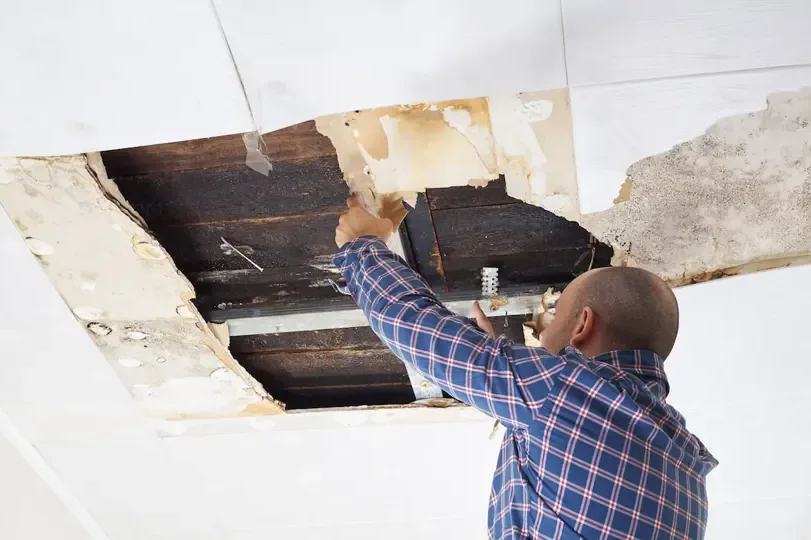
- Check the ceiling below when the broken pipe served an upper room.
Occupants should not reach through a wet wall opening or operate nearby electrical devices. A damaged pipe may share a cavity with wiring. Qualified source and electrical assessment should establish safe working conditions before anyone removes finish materials or places drying equipment beside the exposed area.
Build the drying plan around the repair
A plumber may need access that differs from the opening required to dry an assembly. Coordinating those needs helps avoid closing the cavity prematurely. Water removal handles any remaining pools, while structural moisture control addresses the damp framing and wall layers surrounding the repaired section.
Before reconstruction, the record should identify the repaired source, the materials removed and the readings used to evaluate retained surfaces. Photographs of the exposed cavity help explain why the drying footprint extends beyond the visible pipe failure. That documentation also makes the handoff to a finish contractor more precise and reduces confusion about what remains unfinished.
How the burst pipe water damage work progresses
Match damage to the source
The mitigation team examines the rupture location and checks visible migration, creating a room record that connects the plumbing incident to the affected building materials.
Collect water and protect contents
Accessible liquid is removed, while wet furnishings and stored belongings receive separate handling decisions to prevent continued transfer of moisture onto already cleared surfaces.
Create necessary cavity access
Openings are selected for inspection and drying based on material condition, with photographs explaining why concealed areas need attention beyond the plumber's original repair access.
Verify before the wall closes
Retained framing and nearby finishes are rechecked against drying goals, and outstanding repairs are listed so cavity closure follows moisture assessment instead of visual appearance.
Burst Pipe Water Damage coverage in Riverdale
For Riverdale properties around Church Street or Wilson Road, the caller can describe the pipe location and any lower room damage. Banks Park is another city landmark for orientation while access and affected materials are discussed.
The same service nearby: burst pipe water damage in Morrow, Forest Park, Hapeville.
Water damage restoration in Riverdale · every town coveredRelated water damage services in Riverdale


Burst Pipe Water Damage questions in Riverdale
Is the plumber's repair enough to finish the job?
Repairing the pipe stops the source when properly completed. Wet wallboard, insulation and flooring need their own assessment afterward. The cleanup record should identify what remains damp and whether extraction, removal or controlled drying is required before the opening is repaired.
Why did water appear in another room?
Pressurized water can travel through concealed spaces and emerge away from the break. Floor transitions and wall cavities can connect rooms. The inspection follows that path with material readings, rather than assuming the room containing the repaired pipe is the full damage area.
Should the opened wall stay exposed during drying?
The appropriate access depends on the assembly and moisture conditions. An opening may need to remain available for air movement and repeat measurements. The drying team should state when closure is appropriate and identify any separate inspection or repair work still pending.
Can furniture stay against the affected wall?
Furniture can obstruct inspection and hold moisture against finishes. Items may need careful relocation after their condition is recorded. Heavy or soaked pieces should receive a handling plan so movement does not damage weakened flooring or carry water into a dry room.
Does clean supply water mean no material removal?
Source water is only part of the decision. Exposure time, material strength and the ability to reach trapped moisture also matter. Swollen or weakened finishes may require removal even when the release began at a domestic supply pipe inside the property.
What records help explain a concealed pipe loss?
Useful records connect the repair location to room photographs, moisture readings and removed material descriptions. A plumber's source findings can accompany the mitigation scope. Keeping these records organized helps distinguish the cause repair from drying and the later restoration of finishes.
Trace the damage beyond the plumbing opening
The mitigation discussion can connect source repair, water removal and cavity access into a clear plan for the affected rooms.
(888) 532-4616Discuss the remaining pipe damage