Sewage Backup Cleanup in Riverdale
Wastewater rising through a drain changes how the entire affected room must be handled. Cleanup restricts access, traces contact with finishes and contents, and separates sewer source attention from indoor cleaning and material removal.
(888) 532-4616Discuss wastewater in the room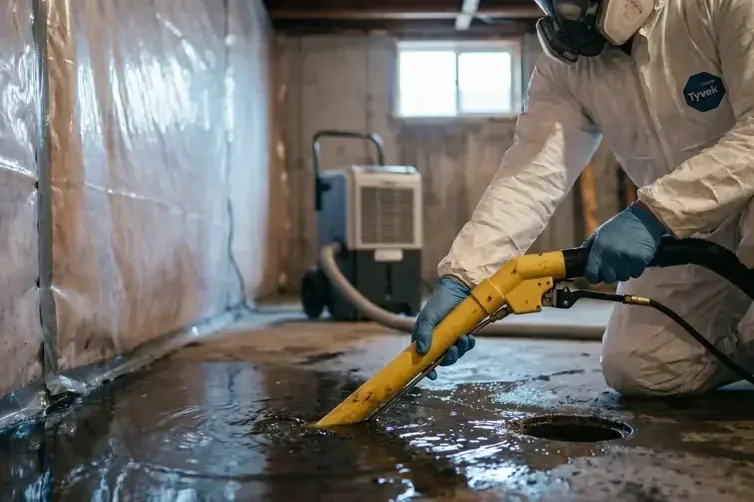
First steps for sewage backup cleanup
- Keep people outside exposure
Residents and pets should avoid the affected room and contaminated belongings, with household traffic redirected away from the wastewater and any wet path leading into adjacent spaces.
- Describe the returning water
The caller should identify which drain or fixture overflowed, whether other fixtures changed and whether the backup continued after the initial incident was discovered.
- Arrange drainage investigation
The source needs attention from the appropriate plumbing or sewer-system contact while the interior team assesses contaminated surfaces, keeping cause repair separate from the property cleanup scope.
- Record without handling sewage
Photographs from a clean location can capture exposed flooring and contents without requiring anyone to enter wastewater or move contaminated items into dry areas.
What does sewage backup cleanup cost in Riverdale, GA?
Sewage cleanup costs in Riverdale follow contamination spread, affected porous materials and the access needed for controlled removal. A bathroom-only incident differs from wastewater reaching several rooms or concealed cavities. The estimate should distinguish drainage repair from cleaning, disposal, drying and later reconstruction.
Contained bathroom backup
- Limited wastewater footprint
- Controlled surface cleaning
- Fixture-area assessment
Multiple contaminated surfaces
- Porous material decisions
- Expanded cleanup boundary
- Contents handling
Extensive sewage migration
- Concealed contamination access
- Broader disposal scope
- Multiple room cleaning
Water category, wet area, material class and the delay before drying change the total. The water damage cost calculator compares a planning range before an on-site assessment.
The sewage backup cleanup process
- 1
Define the contamination boundary
The response team traces wastewater contact through rooms and contents, identifying clean access routes and restrictions before removal work disturbs contaminated materials.
- 2
Collect sewage and unsuitable materials
Wastewater and materials selected for removal are handled within the cleanup plan, with disposal routes organized to reduce transfer through unaffected doorways, hallways and household storage spaces.
- 3
Clean the retained surfaces
Suitable building surfaces receive cleaning appropriate to their sewage exposure, and accessible cavities are inspected for additional contamination before the scope moves toward drying and later finish replacement.
- 4
Document drying and remaining repairs
The team records retained-material moisture conditions and outstanding source or reconstruction tasks, giving the owner a clear handoff that distinguishes completed cleanup from work still needed elsewhere.
A sewage backup can affect more than the floor around a drain. Shoes, stored items and porous finishes can carry exposure beyond the original puddle. In Riverdale, the cleanup scope needs a clear contaminated area, a controlled handling route and source attention that keeps additional wastewater from entering while the interior work proceeds.
Coordinate the drainage problem and indoor damage
Clayton County Water Authority operates and maintains the Riverdale sanitary sewer collection system. Its Distribution and Conveyance Department handles collection-system repairs, overflow response and complaint investigations. A building owner should keep the source investigation connected to the indoor incident record, including which fixture overflowed and whether wastewater continued to return during the event.
Church Street, Main Street and Merchant Shopping Center can help identify the property location. Within the building, the important details are the affected drain, floor level and route toward other rooms. A source specialist assesses the drainage problem; the restoration team documents the surfaces and belongings contacted by the sewage inside the property.
Keep contamination from spreading during removal
Household traffic should remain outside the affected zone. The crew plans equipment and debris handling before disturbing wet material, with attention to doors and hallways that connect to clean spaces. Porous materials may need removal when they cannot be effectively cleaned after sewage contact, while suitable retained surfaces require a deliberate cleaning process.
- Identify the farthest wastewater contact point, including splashes and wet contents.
- Record absorbent flooring and lower wall material exposed during the backup.
- Keep contaminated items separated from belongings that remained dry and clean.
- Plan waste movement so affected debris does not cross occupied rooms unnecessarily.
Occupants should avoid contact with sewage and keep children and pets away from the area. Household fans should not be directed across contaminated material. Wet electrical equipment adds another hazard, so safe access and the appropriate cleanup controls need to be established before anyone enters for removal or cleaning.
Make cleaning and drying separate completion steps
Removing visible wastewater does not finish the contamination work. The scope should describe cleaning of retained surfaces and the removal of unsuitable porous materials. Structural drying follows those decisions, while floodwater cleanup addresses outdoor entry when that is also part of the incident.
The final record should connect the source findings, contaminated area, disposal decisions and retained-material drying results. It should identify any plumbing or reconstruction still pending. A room that no longer contains standing sewage can still require cleaning, access to hidden contamination or moisture control before replacement finishes and household use are considered.
How the sewage backup cleanup work progresses
Define the contamination boundary
The response team traces wastewater contact through rooms and contents, identifying clean access routes and restrictions before removal work disturbs contaminated materials.
Collect sewage and unsuitable materials
Wastewater and materials selected for removal are handled within the cleanup plan, with disposal routes organized to reduce transfer through unaffected doorways, hallways and household storage spaces.
Clean the retained surfaces
Suitable building surfaces receive cleaning appropriate to their sewage exposure, and accessible cavities are inspected for additional contamination before the scope moves toward drying and later finish replacement.
Document drying and remaining repairs
The team records retained-material moisture conditions and outstanding source or reconstruction tasks, giving the owner a clear handoff that distinguishes completed cleanup from work still needed elsewhere.
Sewage Backup Cleanup coverage in Riverdale
Riverdale sewage inquiries can reference Church Street, Main Street or Merchant Shopping Center and identify the affected drain. Information about continued backup, connected rooms and accessible clean entrances helps the team discuss contamination controls and interior cleanup needs.
The same service nearby: sewage backup cleanup in Morrow, Forest Park, Hapeville.
Water damage restoration in Riverdale · every town coveredRelated water damage services in Riverdale

Sewage Backup Cleanup questions in Riverdale
Who investigates collection-system overflows in Riverdale?
CCWA's Distribution and Conveyance Department handles overflow response and complaint investigations for the sanitary collection system. An indoor incident also needs property-specific assessment. The owner should retain source findings alongside the record of contaminated surfaces, contents and cleanup work inside the building.
Can a resident use a household fan after a backup?
Fans should not be directed over untreated sewage contamination. Cleanup needs an exposure assessment, controlled removal and appropriate surface cleaning first. Equipment arrangements should follow that plan, with household members kept outside the affected area while contaminated materials are handled.
Can sewage-soaked carpet remain after drying?
Dryness does not resolve contamination in an absorbent material. Carpet and padding exposed to sewage need a salvage assessment, and removal may be necessary when effective cleaning is not possible. The scope should explain the material decision separately from the drying of the remaining structure.
Should other fixtures continue to be used?
Fixture use should be discussed with the source specialist when wastewater is returning through a drain. Additional discharge may worsen the incident. The cleanup team needs to know whether the source is controlled before planning removal and cleaning in the affected room.
What if the wastewater reached a wall cavity?
The cavity needs evaluation for contamination and moisture, including insulation and the back of porous finishes. Selective openings may be required to remove unsuitable materials and clean retained surfaces. The visible water boundary alone may not define the full cleanup area.
When is the room ready for repair work?
The record identifies completed removal, cleaning and drying alongside drainage repair status. Outstanding tasks need attention before reconstruction. Replacement finishes follow assessment of the retained assembly and confirmation that the source problem has been addressed.
Organize the cleanup around safe access
The response team can assess the backup route, exposed materials and source investigation before discussing removal and cleaning arrangements.
(888) 532-4616Assess indoor sewage damage