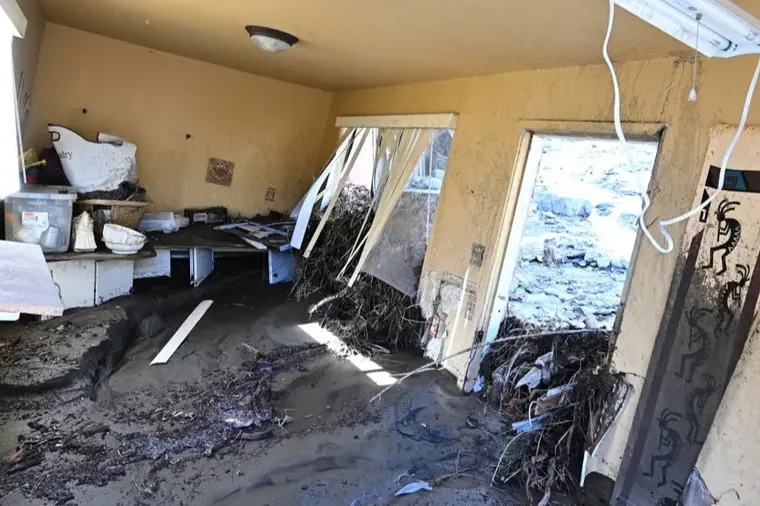
Water collecting beside a Riverdale street and water entering a home create related but separate tasks. The drainage concern needs a report about the public structure or ditch, while the building needs a safe inspection of the entry point and affected rooms. The city's stormwater plan describes duties shared with Clayton County Water Authority, giving an owner a useful starting point for organizing those reports.
Key takeaways
- Describe the outdoor drainage location and the indoor entry point separately.
- Stay clear of flowing water, submerged electrical equipment and unstable rooms.
- Use photographs taken from safe ground to record the drainage condition.
- Have runoff contamination and wet building layers assessed before drying.
- Keep the public drainage report together with a separate property cleanup record.
Separate a public drainage report from the room assessment
A useful outdoor report identifies the visible feature: a roadside ditch, an inlet, a pipe opening or a structure on city land. The property report identifies the door, wall junction or other place where water entered the building.
Keeping those descriptions distinct helps the person receiving each report understand the work that needs investigation without trying to infer it from a photograph of the other location.
The storm water cleanup scope begins at the affected property and follows the indoor water path. A drainage complaint can proceed alongside that assessment, with the owner preserving the complaint reference and any response.
Indoor mitigation should be coordinated around current access and safety conditions while the public drainage issue is reviewed.
- Name the visible drainage feature in the outdoor report.
- Identify the room and entry opening in the property record.
- Keep report references with the corresponding photographs.
- Describe water movement observed from a safe position.
Use the documented maintenance split to frame the concern
The city handles routine drainage ditch mowing and litter removal. CCWA handles nonroutine ditch regrading and sediment removal, maintains stormwater structures in the public right of way and records stormwater complaints as work orders.
An owner can describe the observed condition, such as accumulated litter or sediment, so the receiving agency can evaluate the appropriate response.
Stormwater structures on city owned land are maintained by the city. That makes the location of the reported feature useful information, especially when several drains or ditches are visible from the property.
The owner should identify the feature that was actually observed and retain any agency direction about where the concern belongs.
Gardenwalk Boulevard and Lamar Hutcheson Parkway are named local roads. A report near either can use the road name and a recognizable intersection to locate the concern while keeping personal property details in the direct service request.
The drainage report should focus on the structure's visible condition and the direction water was moving.
Photograph the building entry without entering flowing water
An image from a dry doorway or another safe position can show water reaching a threshold, collecting beside a wall or crossing an interior floor. The owner can note whether the image was taken before entry, during active entry or after the water receded.
That sequence helps the cleanup team interpret marks and deposits left behind in the room.
No photograph requires entering moving water or reaching into a blocked drain. Occupants should also avoid touching electrical controls near wet equipment or crossing an unstable floor to inspect the far side.
Where safe access is uncertain, the room stays closed until the appropriate professionals establish how the assessment can proceed.
- Capture the relationship between the opening and the affected room.
- Note the order in which separate rooms became wet.
- Keep children and pets away from water and deposited debris.
- Leave drain openings and electrical equipment to the responsible professionals.
Assess runoff contact before moving belongings
Outside water can leave debris and contamination on surfaces and contents, so the cleanup team needs to assess the water conditions before selecting a removal method. A homeowner should avoid moving wet storage, rugs or furniture into unaffected rooms.
The original positions help show where water reached and which lower surfaces contacted it.
The water extraction assessment considers accessible standing water together with the affected floor covering, wall edges and contents. Removal and cleaning decisions should identify particular materials rather than treating every object in the room alike.
Photographs taken as items are assessed can preserve details that disappear once the floor is cleared.
The indoor scope should also record any route used to remove wet material. A controlled work route helps separate the damaged room from clean storage and occupied areas.
The property contact can then explain access restrictions to other occupants without relying on a broad instruction to avoid the entire building.
Track retained materials after the visible water leaves
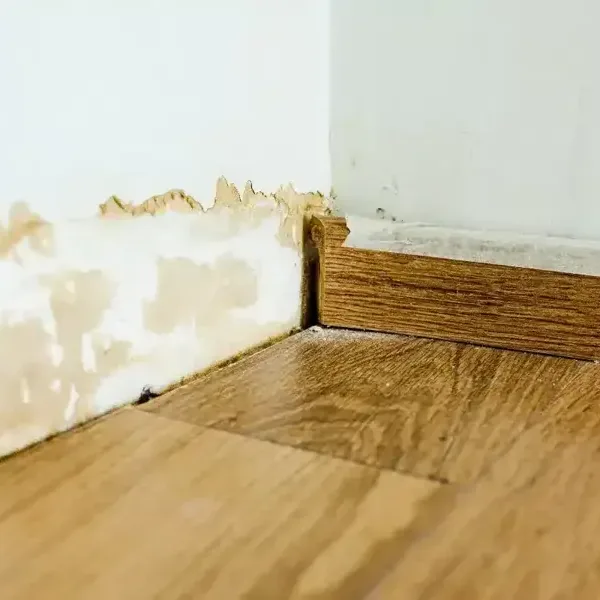
Wall bases, concealed floor edges and accessible supporting materials deserve attention after extraction. The crew records which surfaces were cleaned, which materials were removed and which retained portions require drying.
That sequence makes the structural drying work easier to understand because each measurement relates to a known part of the affected assembly.
If a measurement location remains wet while others improve, the next inspection should examine access and material conditions at that point. The drying log can show changes in equipment placement or openings with the reason for each change.
This gives the owner a useful explanation of progress even when different parts of the same room finish at different times.
- Keep the initial water boundary on the room sketch.
- Name retained materials in the drying record.
- Revisit the same measurement points during monitoring.
- List remaining repair work separately from drying completion.
Keep drainage follow up connected to the property history
Riverdale stormwater discharges to the Flint and Upper Ocmulgee river basins. At the household level, the most useful incident history remains the observed entry location, weather timing and condition of nearby drainage features.
A file organized around those details can support a later discussion with the agency or contractor reviewing the particular drainage concern.
The city's plan also describes evaluation of existing stormwater structures for potential retrofits. An owner can retain the work order reference, dated photographs and any agency findings so a later report can identify the same location accurately.
New observations should be recorded as new observations, with the earlier report available for comparison.
For the building, the completed file should include cleanup scope, material findings and the repair handoff. An exterior drainage response and an interior room repair may finish on different schedules.
Naming the unresolved task in each record helps the property contact arrange follow up without treating completion of one task as completion of the other.
Questions
What should a resident include in a ditch complaint?
Describe the location, visible litter or sediment and the water movement observed from safe ground. A clear photograph and the date of observation help identify the feature needing attention.
Who handles routine ditch mowing in the city plan?
The plan assigns routine mowing and litter removal to the city, while CCWA handles nonroutine regrading and sediment removal. The receiving agency can evaluate the reported condition.
Why assess a room after outdoor water has receded?
Deposits and moisture can remain in materials and beneath contents after the surface water disappears. The interior inspection identifies the cleanup and drying still needed at those locations.
How should a repeat drainage problem be documented?
Keep each observation dated and connected to the same named location. Retain prior complaint references so the new report can be compared with earlier agency findings.