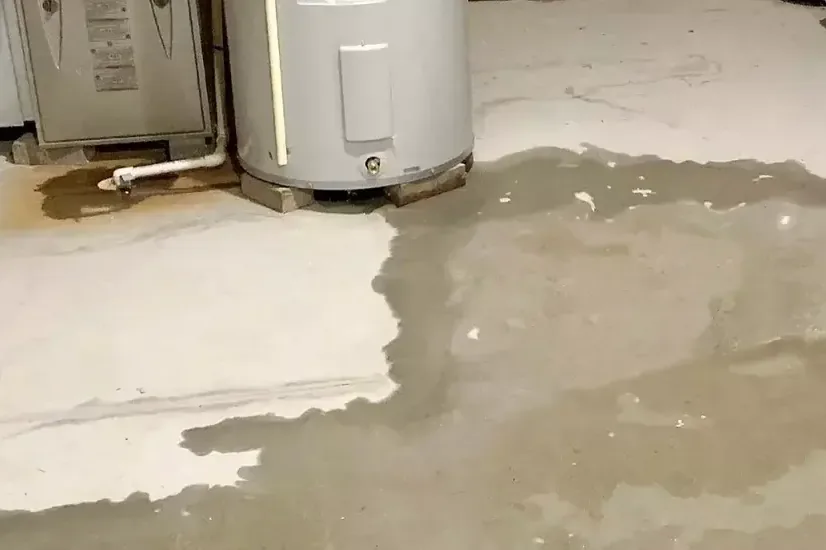
A Lovejoy water heater leak can leave an owner focused on replacement while the floor beneath the equipment remains hidden. The installer and cleanup contractor need a shared access plan so the wet area can be inspected before another unit covers it. Clayton County Water Authority supplies water service locally, and the city publishes a Plumbing Permit Application for owners and installers arranging plumbing work.
Key takeaways
- Keep away from wet electrical components and leave equipment shutdown to the appropriate professional when access is unsafe.
- Describe whether water is inside a pan, across the floor or entering an adjoining room.
- Coordinate tank removal with inspection of the surface beneath it.
- Ask the installer to identify the city paperwork relevant to the proposed work.
- Preserve floor and wall access until the material assessment is complete.
Describe where the water has reached around the equipment
The initial report should identify the water heater location and the visible path away from it. A homeowner can state whether water is contained near the base, flowing through a doorway or appearing in an adjacent room.
A photograph taken from dry ground can show those relationships without reaching behind the equipment or stepping into a wet utility space.
The water heater leak cleanup scope follows the escaped water into nearby materials. The installer separately determines the equipment fault and whether a connection or the unit itself needs work.
Naming both tasks at the start makes it easier to arrange access before a repair or replacement hides the affected area.
- Identify the room containing the heater.
- Describe the water seen at the base and nearest doorway.
- Report wet outlets, wiring or equipment controls without touching them.
- Keep occupants clear of the active work area.
Let the installer establish safe source control
A water heater involves water connections and an energy supply, so the shutdown plan must suit the equipment actually installed. An occupant should not reach through water or handle unfamiliar controls to stop the release.
The responding professional can determine which connections need isolation and communicate any temporary restrictions on household water use.
The owner can help by describing whether the release continues and whether any known shutoff has already been operated safely. That information should reach both the installer and the cleanup contact so the room assessment reflects the current condition.
Restoring service should follow the professional's checks of the repaired or replaced equipment.
Tara Boulevard is a main road through the city. For a property accessed from that corridor, the direct appointment notes can specify the entrance that reaches the heater area and the person authorized to open it.
Clear access information is especially useful when the equipment sits behind stored belongings or in a room shared with other household functions.
Address plumbing paperwork as part of the actual repair plan
The city's permit page includes a Plumbing Permit Application. The owner and installer should identify the proposed work and confirm the applicable paperwork with the city before assuming the administrative steps are complete.
The discussion should name the equipment work, any changed connections and the person responsible for submitting the necessary information.
The city also publishes civil and building permit materials. The useful question for this incident is which requirements apply to the work being proposed at this property.
Keeping the installer's scope with the city correspondence gives the owner a clear record without blending a plumbing application into the separate floor cleanup estimate.
- Obtain a written description of the proposed equipment work.
- Identify who handles the applicable city paperwork.
- Keep installation documents with the incident file.
- Separate equipment replacement items from room restoration items.
Inspect underneath before another unit occupies the space
The surface beneath a heater may remain hidden until the installer provides access. The cleanup contractor should be ready to inspect that area when it is exposed, noting floor condition, wall edges and any water beneath a pan or support.
Photographs at this point can show damage that was invisible during the first room walkthrough.
The water removal plan can then account for accessible liquid and the materials that need further evaluation. If the floor covering hides a wet layer, the contractor explains the access needed and records what is found.
The equipment installer needs those findings before deciding when the area is ready to receive the unit.
Access planning should include a protected route for moving the equipment and a safe place for any removed parts. Wet material should not be dragged through unaffected living space as an incidental part of replacement.
The property contact can help keep the work route available while the professionals coordinate handling and room assessment.
Follow the water into adjoining wall and floor edges
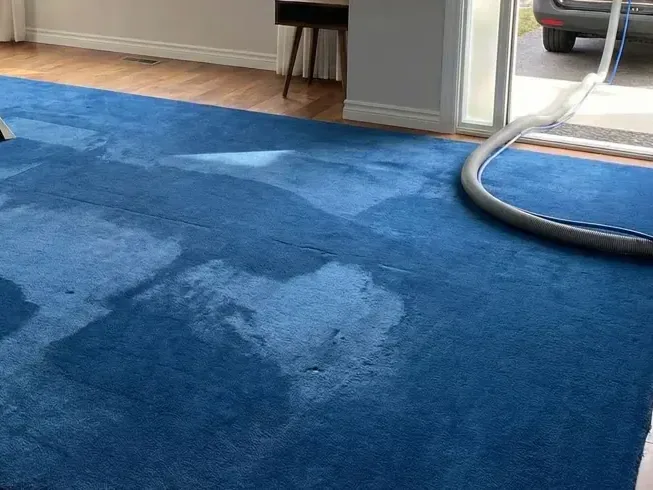
Water escaping the heater area can reach a wall base, cabinet edge or nearby room transition. The assessor checks those locations instead of limiting the inspection to the equipment footprint.
Each affected surface belongs in the room record with its material description and any access needed to evaluate the concealed side.
The structural drying plan addresses retained wet materials after the source and accessible water are managed. The technician uses identifiable measurement locations to track progress and explains any equipment or access change.
The owner should know which areas remain restricted and which finish repairs will follow the drying work.
- Include wall bases beside the heater footprint.
- Check the nearest floor transition reached by water.
- Record any wet material exposed when a pan or panel moves.
- Keep repeat readings tied to the same room locations.
Complete the installation and the room repair deliberately
A new or repaired heater and a restored utility space have different completion details. The installer documents the equipment work and confirms the appropriate checks for operation.
The restoration contractor documents the condition of retained materials, any removed sections and the remaining flooring, wall or trim repairs needed around the equipment.
Lovejoy Community Center is on Hastings Bridge Road, and City Hall is on Talmadge Road. Local owners may use those familiar roads to describe the property area, but the handoff itself should identify the exact room and equipment position.
Clear room descriptions help a later repair contractor find the affected wall edge even after the heater has returned to service.
Before the incident file is closed, the owner should have a list of unfinished tasks and the person responsible for each. That list might involve an access panel, a floor transition or paint work around an opening identified during assessment.
Keeping it with the installation record makes the remaining work visible rather than leaving it hidden behind the completed equipment replacement.
Questions
Does a plumbing application identify the exact steps for every heater replacement?
The owner and installer should confirm the steps for the proposed work directly with the city. The application listing supplies a starting point for that discussion, while the actual equipment scope determines the questions to resolve.
Why arrange cleanup access before the heater is moved?
The floor underneath may only be visible during removal. Coordinated access lets the assessor document that surface and communicate any needed work before installation covers it again.
What should happen if water reaches another room?
That room needs its own inspection boundary, contents assessment and material record. Its condition should be included in the cleanup scope even when the equipment remains in a separate utility space.
Which records belong with the completed job?
Retain the installation findings, applicable city correspondence, photographs taken beneath the equipment and the drying assessment. Add the remaining finish task list so the room repair can be completed coherently.